Case Media
Case Notes
This page keeps the media, full prompt, and original source together so you can inspect the result first and decide whether the prompt is worth copying, saving, or comparing.
Case Insights
To make this page easier to search, cite, and reuse later, the case is also broken down into practical guidance about usage, visual cues, and prompt structure.
Best Fit Scenarios
- Use this as a character design benchmark when you need a fast style baseline before rewriting your own prompt.
- It is especially helpful if your target overlaps with Illustration, Screenshot, Character and you want to judge the image result before tuning wording.
- Keep it as a control sample when you compare nearby prompt variants one variable at a time.
Visual Signals To Notice
- The clearest style signals here are Illustration, Screenshot, Character, so those should usually stay in your first rewrite.
- Look at silhouette, costume language, mood styling, and whether the character reads clearly at a glance.
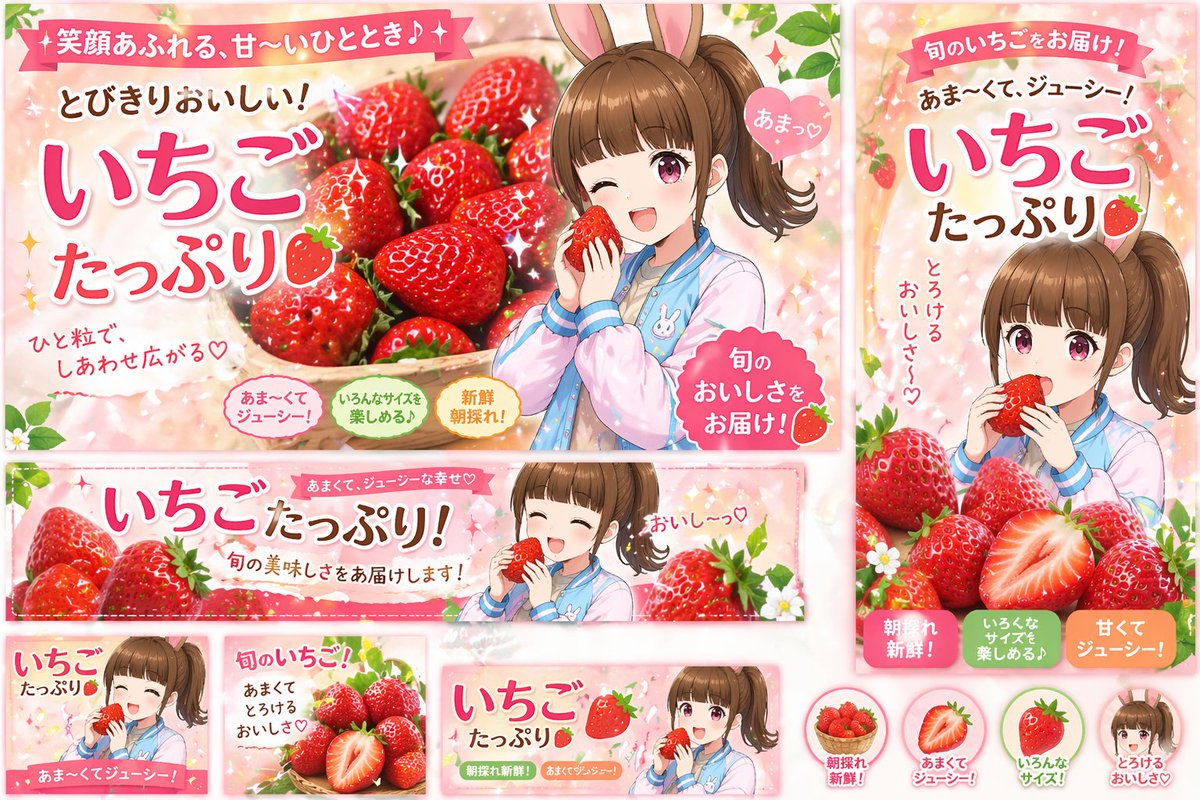
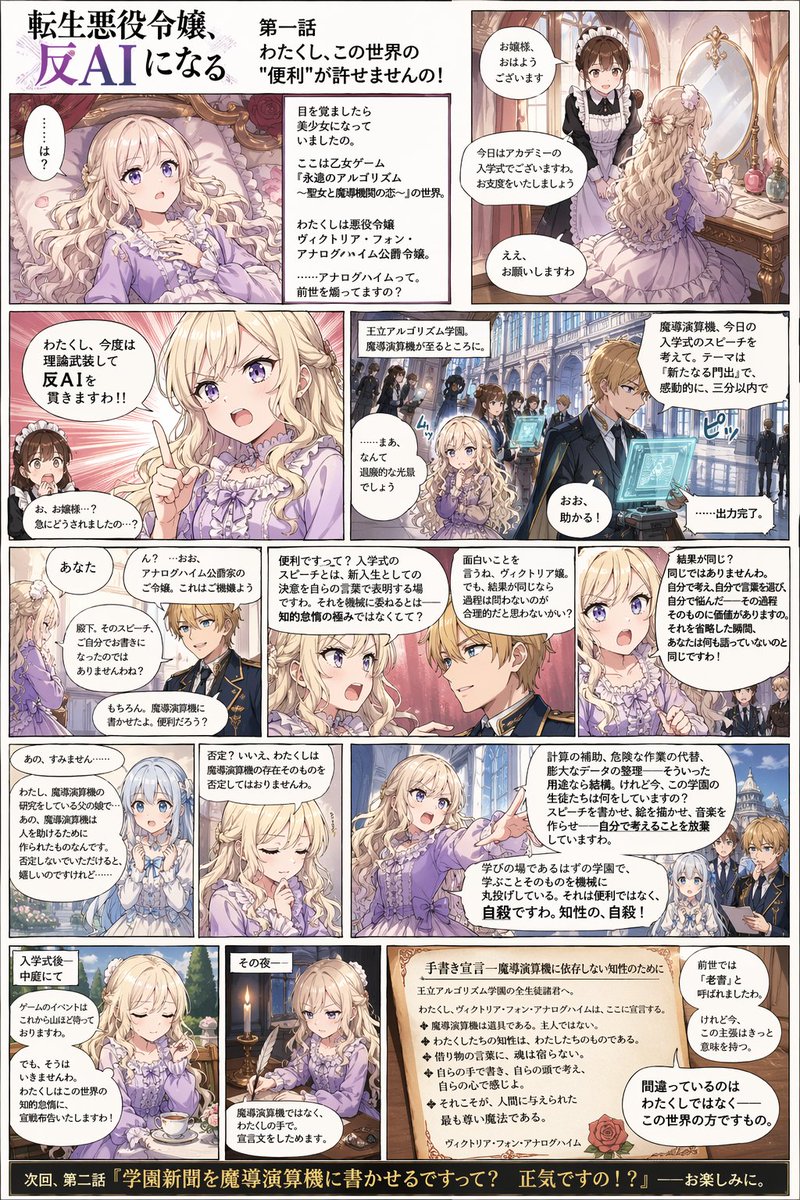
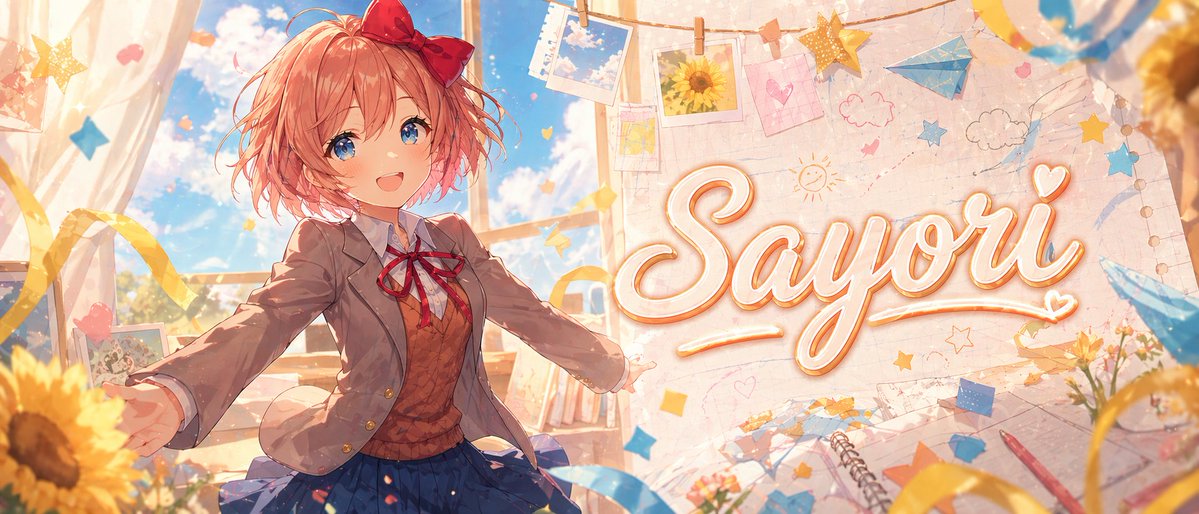
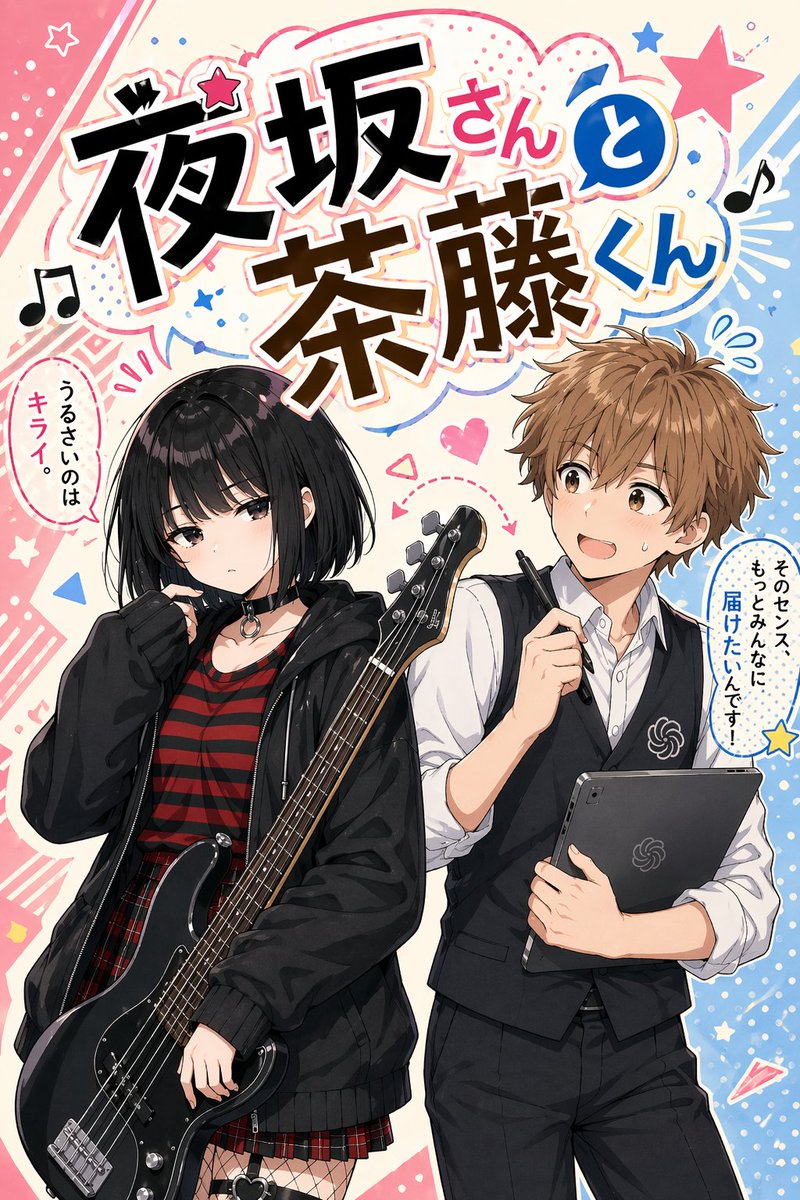
- This case keeps 2 media outputs, which makes it easier to check whether the style remains stable across multiple results.
How The Prompt Is Structured
- The prompt reads as a long, highly specified prompt, which is useful when you want to judge how much specificity this direction needs.
- Its keyword cluster is centered on Illustration, Screenshot, Character, so you can usually keep that cluster while swapping subject, camera, layout, or copy details.
- A practical rewrite path is: keep the outcome, keep the strongest style cues, then replace only the subject and environment blocks.
Good Follow-up Questions
- What changes first if you keep Illustration, Screenshot, Character but switch the subject matter?
- Which part of the result comes from section-level structure (Character Design) versus tag-level style cues?
- Which related cases in the same section give you a cleaner or more extreme variation of the same direction?
Full Prompt
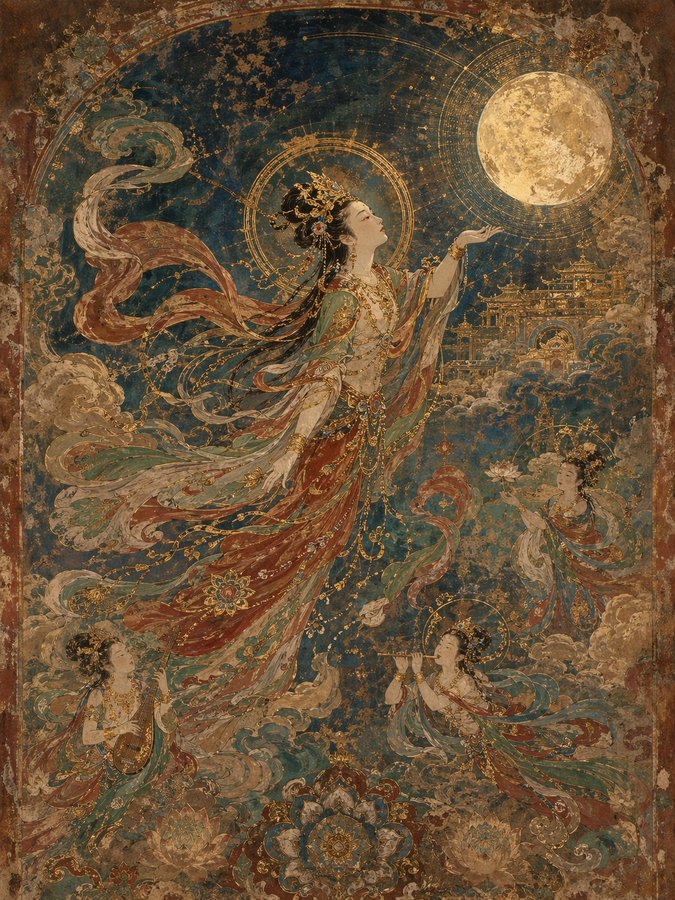
Please take [Theme] as the core to create a high-end artwork in the style of Dunhuang murals. The picture adopts [Composition Method] composition method, taking the main character as the only main visual core, expressing the sacred moment of its core action / situation. The overall atmosphere should be [Overall Atmosphere], possessing museum-level aesthetics, cultural thickness, and collectible artistic sense. Main character image requirements: The main character should present an elegant and solemn, slender and luxurious, strongly divine temperament, with stretched posture, having the distinct sacredness and ritual sense of Dunhuang murals. The face needs to be serene, holy, subtle, and inviolable, carrying the solemn temperament of goddesses / bodhisattvas / flying apsaras in Dunhuang murals, rather than ordinary ancient style beauties. Hair styled in a high bun, wearing complex and exquisite gold hair crowns, beaded chain buyao, earrings, yingluo (necklaces), armlets, waist ornaments, with gorgeous clothing, smooth clothing lines, fine and vigorous lines, full of flying apsara rhythm and court-level mural texture. The hem of the garment, flowing ribbons, skirt hem, and cuffs should form rhythmic flowing curves, strengthening the sense of sacred ascension and picture rhythm. Gold structure requirements: The picture needs to strengthen structural use of gold, not scattered gold dots, but forming a clear luxurious order: The main character's hair crown, jewelry, clothing edges, cuffs, waist seal, ribbon edge lines, and skirt patterns adopt gold tracing, mud gold, gilded gold, gold thread embroidery, damaged gold foil traces; Core sacred elements, such as moon wheel / buddha light / dharma wheel / precious canopy / lotus seat, cloud patterns, lotus petals, baoxiang flowers, caisson decorations, tuanhua patterns, border decorations should also have clearly visible but restrained and high-end golden decorations; The overall presentation should have a resplendent but not vulgar, gorgeously crafted but not cheap effect, expressing the damaged luxury sense that still retains the lingering charm of resplendence after thousands of years of weathering. Color requirements: Colors are mainly ochre red, cinnabar, cyan-green, azurite, mineral green, earth yellow, ivory white, supplemented by restrained and exquisite earth gold, gilded gold. The overall tone should be rich, mellow, antique, and noble, avoiding light and floating syrupy colors. The background can adopt [Background Main Color Atmosphere], such as a deep azurite sky curtain / warm ancient wall base color / dark gold mineral base color combined with ancient wall texture, setting off the sacredness and nobility of the main body. Decorative element requirements: The picture can integrate typical Dunhuang visual languages such as flying apsaras, lotus flowers, baoxiang flowers, caissons, auspicious clouds, musicians, tuanhua patterns, pavilions and palaces, dharma instruments, holy light round wheels, and classical border decorations, but they must be centrally distributed around the main body with clear hierarchy, avoiding evenly spreading across the whole picture. Supporting characters should be controlled to [Number of Supporting Characters] positions, serving as praise and foil, distributed around or below the main body, forming a ritualistic momentum facing the main body. They can have supporting actions, such as holding a lotus / playing a pipa / blowing a flute / offering flowers / holding a lamp / holding a banner, with light and flowing lines, echoing the main body, but must not overshadow the main subject. Space and composition requirements: The composition should retain moderate cloud space, holy light blank space, moonlight or sky curtain blank space, giving the picture a sense of breathing. Core sacred elements need to be eye-catching, solemn, and complete, surrounded by gilded halos, holy light round wheels, and dense gold line trajectories, strengthening the sacredness of the theme. Distant view elements can be embellished in the distance, such as moon palace pavilions / pavilions in the clouds / buddhist realm architecture / fairy realm sky curtain, but not too many, to enhance the spatial hierarchy and fairy realm atmosphere. Material expression requirements: Need to emphasize ancient grotto murals and mineral pigment textures: Visible mottling, cracks, weathering, slight peeling, historical patina, pulverized edges, ancient wall textures; At the same time, retain local gold tracing, damaged gold foil, and abraded gilded luster, forming a high-end artistic texture of "old but noble, damaged but gorgeous, ancient but sacred". Overall requirements: gorgeous, delicate, mysterious, solemn, unified, collectible, artistic, extremely strong sense of high-end. Negative constraint words: Avoid modern national trend style, avoid commercial illustration sense, avoid ordinary ancient style beauty illustration, avoid anime sense, avoid internet celebrity aesthetics, avoid plastic texture, avoid cheap nouveau riche gold, avoid gold being too bright and too vulgar, avoid fluorescent colors, avoid over-saturation, avoid too many characters, avoid background elements being too full, avoid decorations evenly spreading across the whole picture, avoid overly heavy floral sense, avoid unclear visual primary and secondary, avoid unhighlighted main body, avoid low-level stacking sense, avoid mediocrity sense, avoid frivolity sense, avoid modern clothing sense, avoid photography sense, avoid 3D modeling plastic sense.