Case Media
Case Notes
This page keeps the media, full prompt, and original source together so you can inspect the result first and decide whether the prompt is worth copying, saving, or comparing.
Case Insights
To make this page easier to search, cite, and reuse later, the case is also broken down into practical guidance about usage, visual cues, and prompt structure.
Best Fit Scenarios
- Use this as a character design benchmark when you need a fast style baseline before rewriting your own prompt.
- It is especially helpful if your target overlaps with Portrait, Cinematic, Fashion and you want to judge the image result before tuning wording.
- Keep it as a control sample when you compare nearby prompt variants one variable at a time.
Visual Signals To Notice
- The clearest style signals here are Portrait, Cinematic, Fashion, so those should usually stay in your first rewrite.
- Look at silhouette, costume language, mood styling, and whether the character reads clearly at a glance.
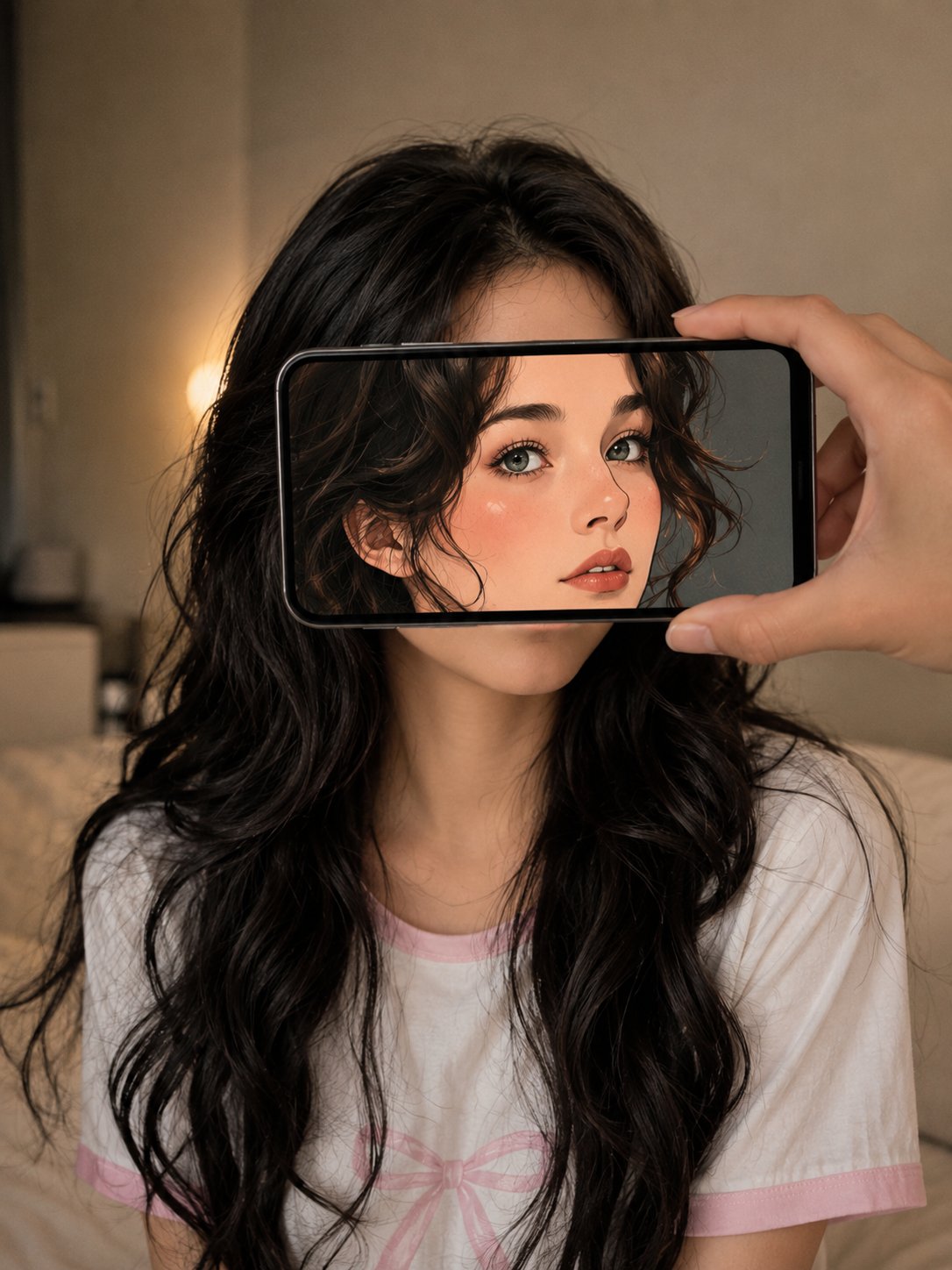
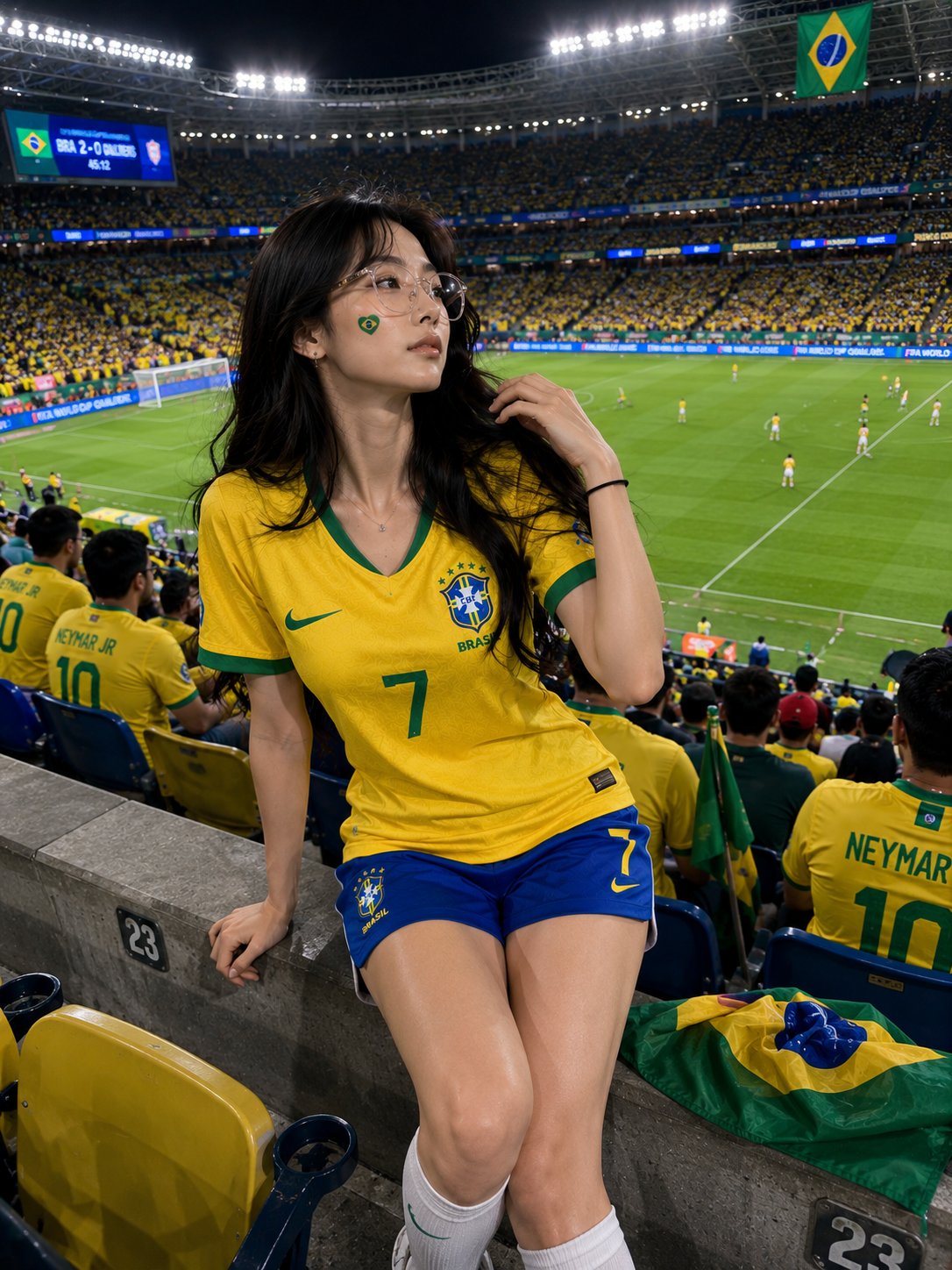
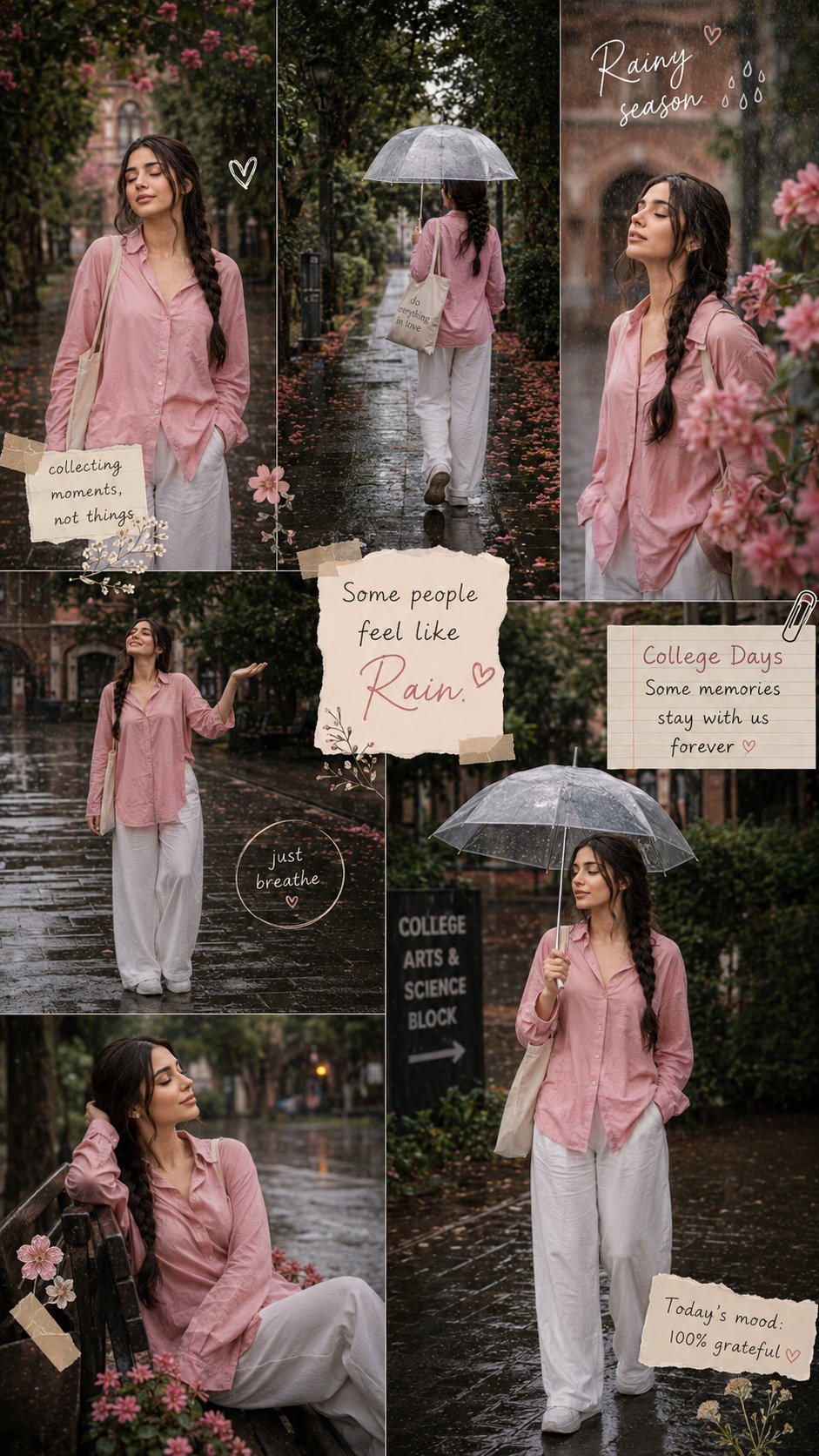
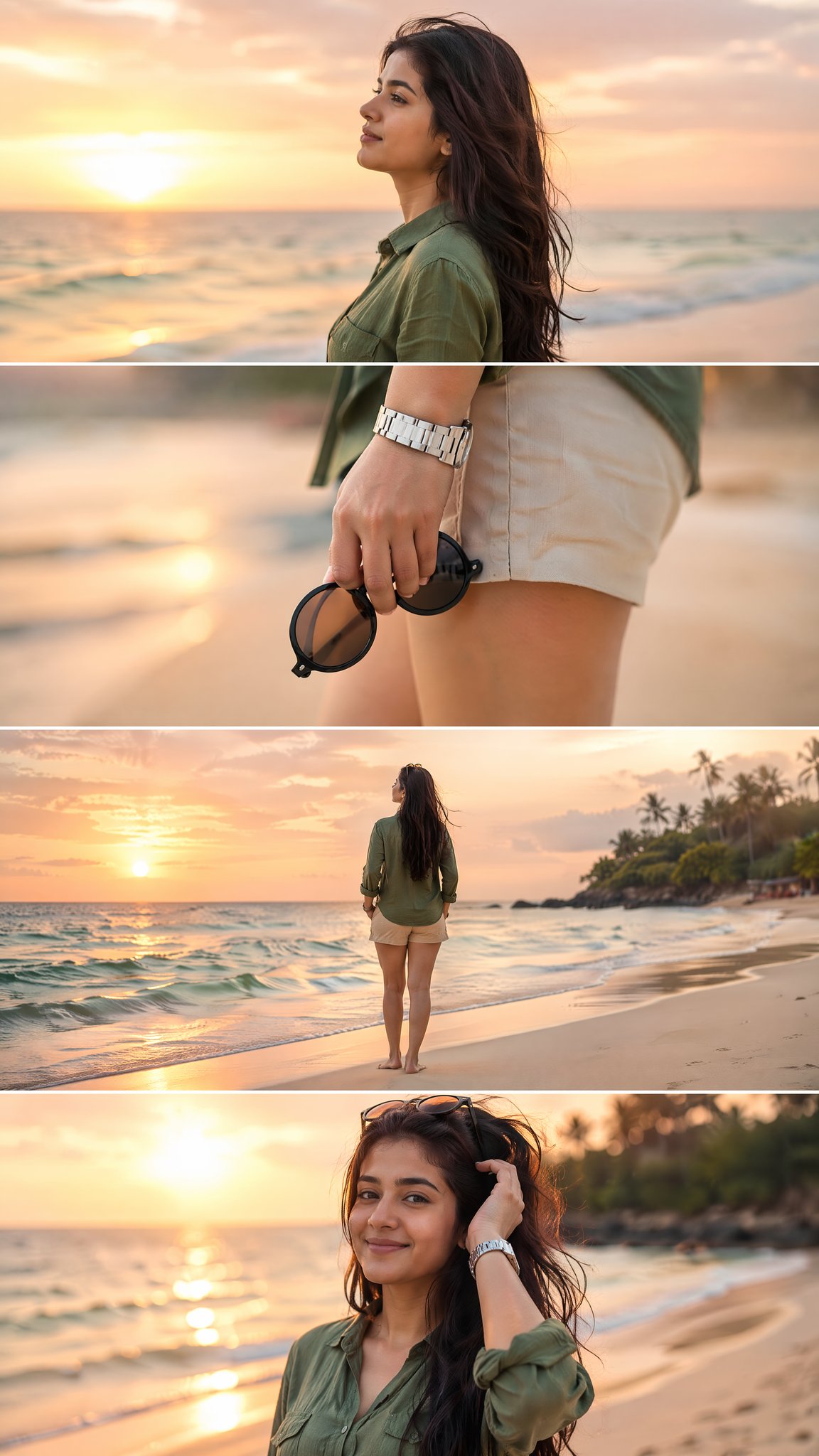
- This case keeps one primary output, so the first image should be treated as the main visual reference.
How The Prompt Is Structured
- The prompt reads as a long, highly specified prompt, which is useful when you want to judge how much specificity this direction needs.
- Its keyword cluster is centered on Portrait, Cinematic, Fashion, so you can usually keep that cluster while swapping subject, camera, layout, or copy details.
- A practical rewrite path is: keep the outcome, keep the strongest style cues, then replace only the subject and environment blocks.
Good Follow-up Questions
- What changes first if you keep Portrait, Cinematic, Fashion but switch the subject matter?
- Which part of the result comes from section-level structure (Character Design) versus tag-level style cues?
- Which related cases in the same section give you a cleaner or more extreme variation of the same direction?
Full Prompt
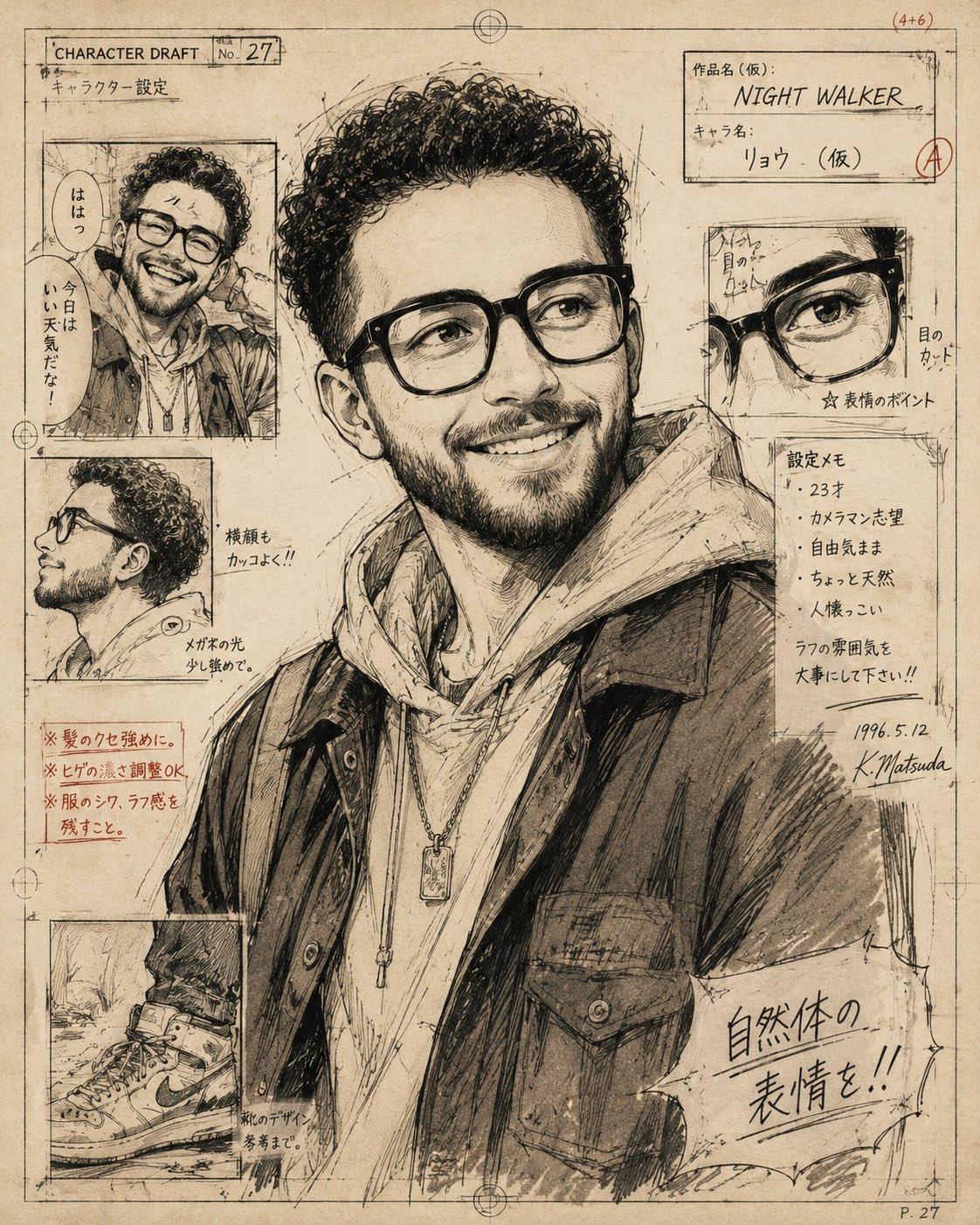
{ "prompt": "Create a highly detailed portrait illustration of the subject using a “Vintage Manga Draft” art style, inspired by authentic 1990s Japanese manga production sketches and unfinished manga studio archive pages. The artwork should feel raw, expressive, nostalgic, handcrafted, and naturally imperfect rather than digitally polished. Use monochrome cream-toned manga manuscript paper with visible grain, faded ink density, subtle paper aging, smudges, sketch artifacts, and realistic scan imperfections.\n\nThe subject is a stylish young man with curly dark hair, glasses, expressive eyes, and a warm charismatic smile. Keep the facial structure recognizable while reinterpreting it through realistic manga-style rendering with hand-drawn ink hatching, cross-hatching, pencil construction lines, rough sketch strokes, uneven ink density, editor marks, handwritten Japanese production notes, manga layout annotations, and imperfect draft linework.\n\nThe composition should resemble an authentic manga character design draft sheet featuring multiple small manga panels around the main portrait. Include secondary close-up sketches of the eyes, side profile, fashion details, and expressive candid moments. Add handwritten Japanese notes, page markings, editor circles, frame guides, crop marks, and vintage manga production symbols throughout the page.\n\nThe subject must have a completely different pose and expression from the reference photo. Create a relaxed cinematic candid pose where he is slightly turning away from camera while smiling naturally as if caught mid-conversation. The body language should feel lively, stylish, confident, and emotionally expressive.\n\nDress the subject in modern layered Japanese-inspired streetwear instead of the original sweater. Include an oversized hoodie layered under a textured utility jacket with loose contemporary silhouettes, subtle accessories, necklace details, realistic fabric folds, and visually interesting clothing textures that fit the nostalgic manga aesthetic.\n\nUse heavy ink hatching, rough pencil underdrawing, expressive shading, organic sketch energy, and visible manual imperfections throughout the artwork. The final result should look like a scanned unfinished manga concept illustration from a 1990s Japanese manga studio archive — balancing realism, expressive sketch aesthetics, cinematic composition, vintage manga energy, and handcrafted imperfection.", "style": "Vintage Manga Draft", "aspect_ratio": "4:5", "color_palette": [ "cream paper", "faded black ink", "warm sepia", "graphite gray" ], "details": { "paper_texture": "aged manga manuscript paper with grain and scan imperfections", "linework": "rough pencil construction lines and uneven ink hatching", "annotations": "handwritten Japanese editor notes and manga production markings", "rendering": "semi-realistic manga portrait with expressive cross-hatching", "mood": "nostalgic, cinematic, handcrafted, expressive" } }