Case Media
Case Notes
This page keeps the media, full prompt, and original source together so you can inspect the result first and decide whether the prompt is worth copying, saving, or comparing.
Case Insights
To make this page easier to search, cite, and reuse later, the case is also broken down into practical guidance about usage, visual cues, and prompt structure.
Best Fit Scenarios
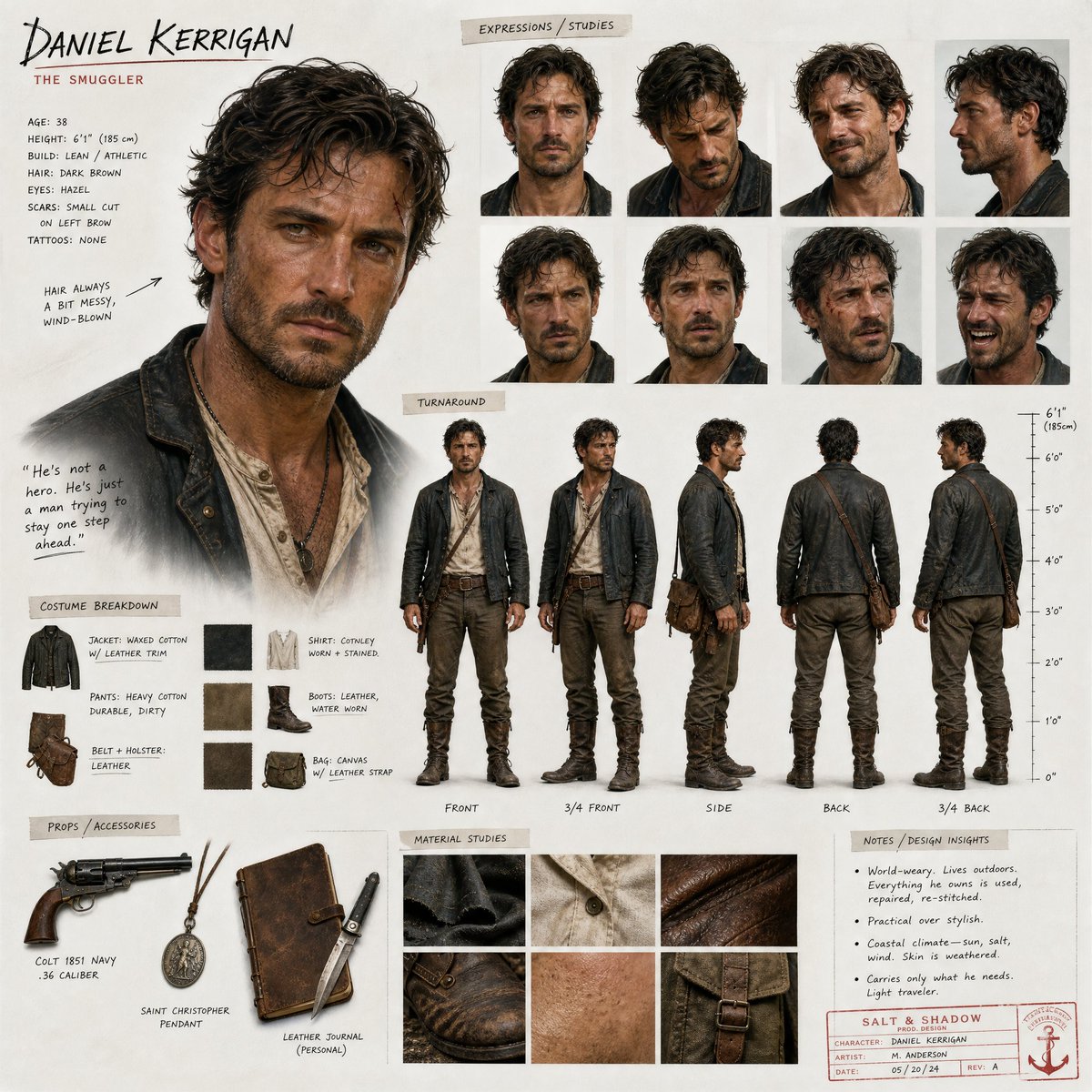
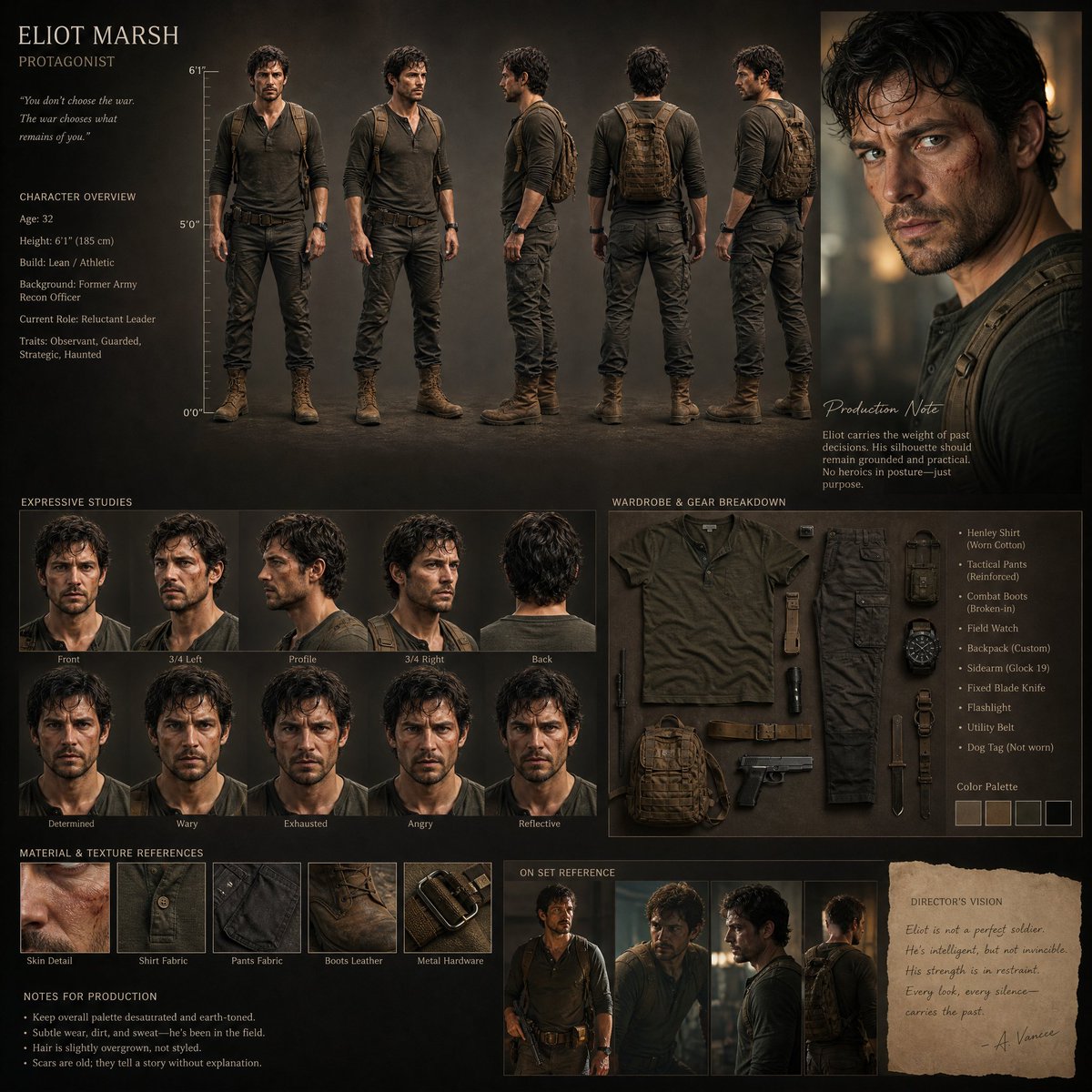
- Use this as a character design benchmark when you need a fast style baseline before rewriting your own prompt.
- It is especially helpful if your target overlaps with 35mm, Portrait, Cinematic and you want to judge the image result before tuning wording.
- Keep it as a control sample when you compare nearby prompt variants one variable at a time.
Visual Signals To Notice
- The clearest style signals here are 35mm, Portrait, Cinematic, so those should usually stay in your first rewrite.
- Look at silhouette, costume language, mood styling, and whether the character reads clearly at a glance.
- This case keeps 2 media outputs, which makes it easier to check whether the style remains stable across multiple results.
How The Prompt Is Structured
- The prompt reads as a long, highly specified prompt, which is useful when you want to judge how much specificity this direction needs.
- Its keyword cluster is centered on 35mm, Portrait, Cinematic, so you can usually keep that cluster while swapping subject, camera, layout, or copy details.
- A practical rewrite path is: keep the outcome, keep the strongest style cues, then replace only the subject and environment blocks.
Good Follow-up Questions
- What changes first if you keep 35mm, Portrait, Cinematic but switch the subject matter?
- Which part of the result comes from section-level structure (Character Design) versus tag-level style cues?
- Which related cases in the same section give you a cleaner or more extreme variation of the same direction?
Full Prompt
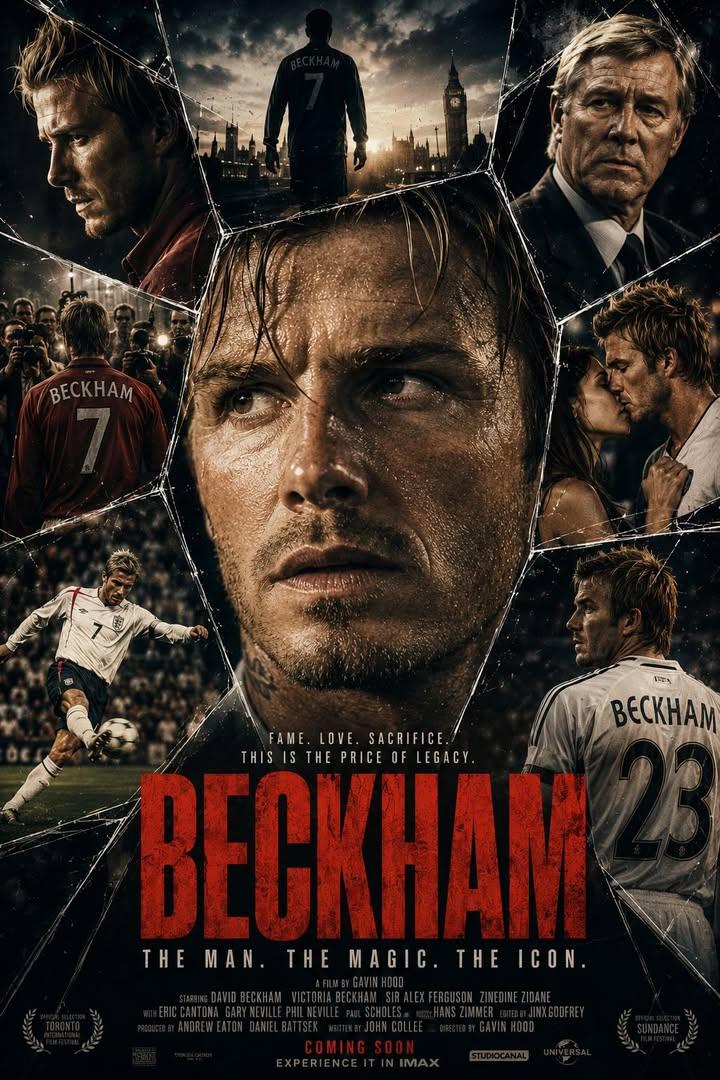
Ultra cinematic movie poster in the style of a dark modern thriller/drama, fractured glass composition with multiple diagonal shards dividing the image into separate character panels, highly detailed photorealistic faces with intense emotional expressions, gritty skin texture, dramatic shadows, realistic pores and cinematic lighting. [MAIN CHARACTER] in the center shard, extreme close-up portrait, emotional eyes, ultra detailed facial features, dominant presence. Additional shards featuring: — secondary characters with different emotional expressions — action scenes from the movie — atmospheric environmental storytelling — silhouette scene in the background — cinematic location elements relevant to the story Dark moody color grading, deep blacks, warm orange highlights, subtle teal shadows, heavy contrast, realistic film grain, dust particles, scratches, broken glass texture overlay, dramatic rim lighting, volumetric fog, atmospheric smoke. Movie title at the bottom in massive bold condensed typography, distressed texture, red/orange title color, cinematic credits layout, realistic production logos, festival-quality poster design. Hollywood blockbuster composition, premium streaming-series aesthetic, IMAX promotional artwork, ultra detailed, sharp focus, depth, layered composition, emotionally intense visual storytelling. Aspect ratio 3:4