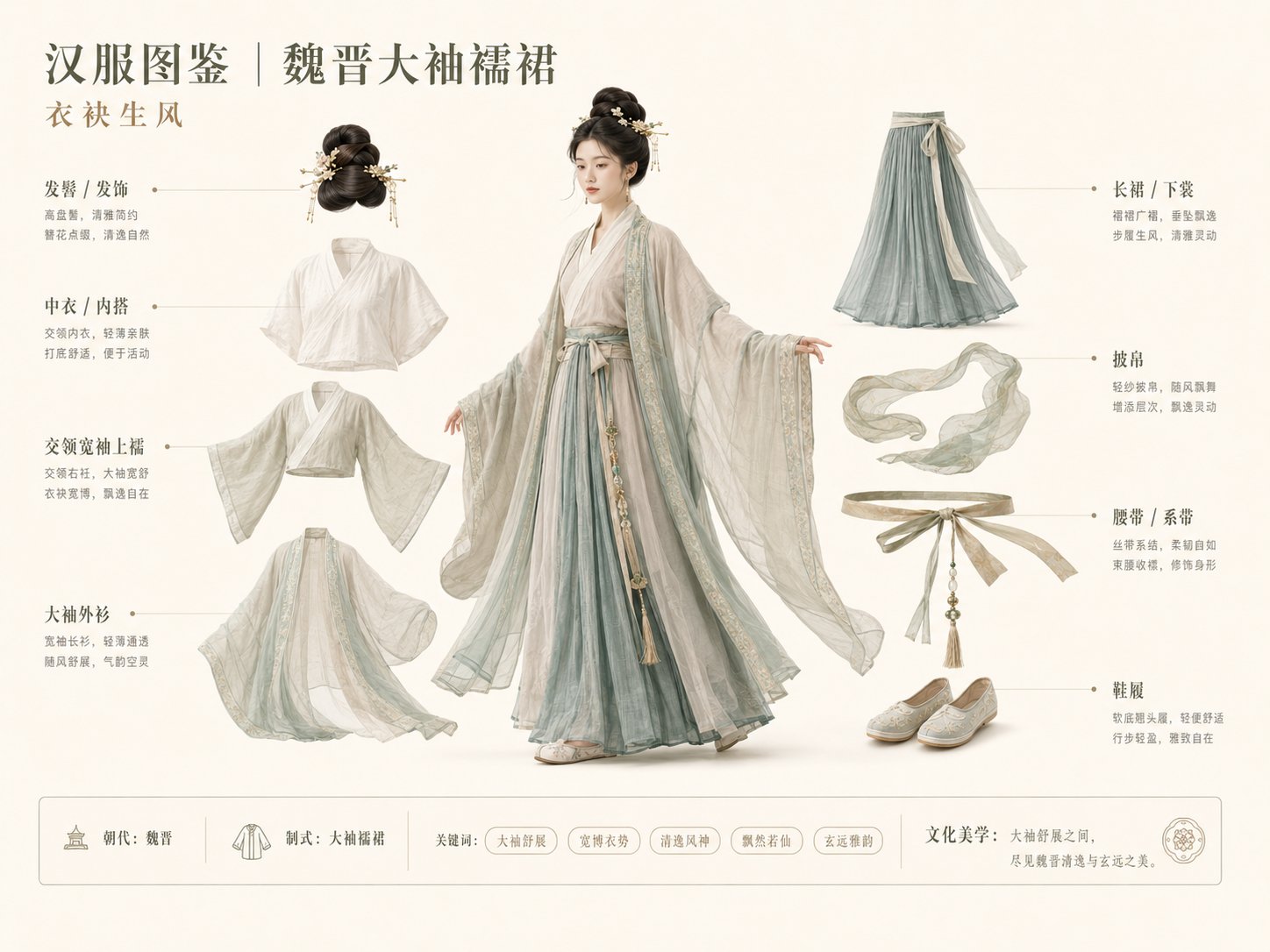
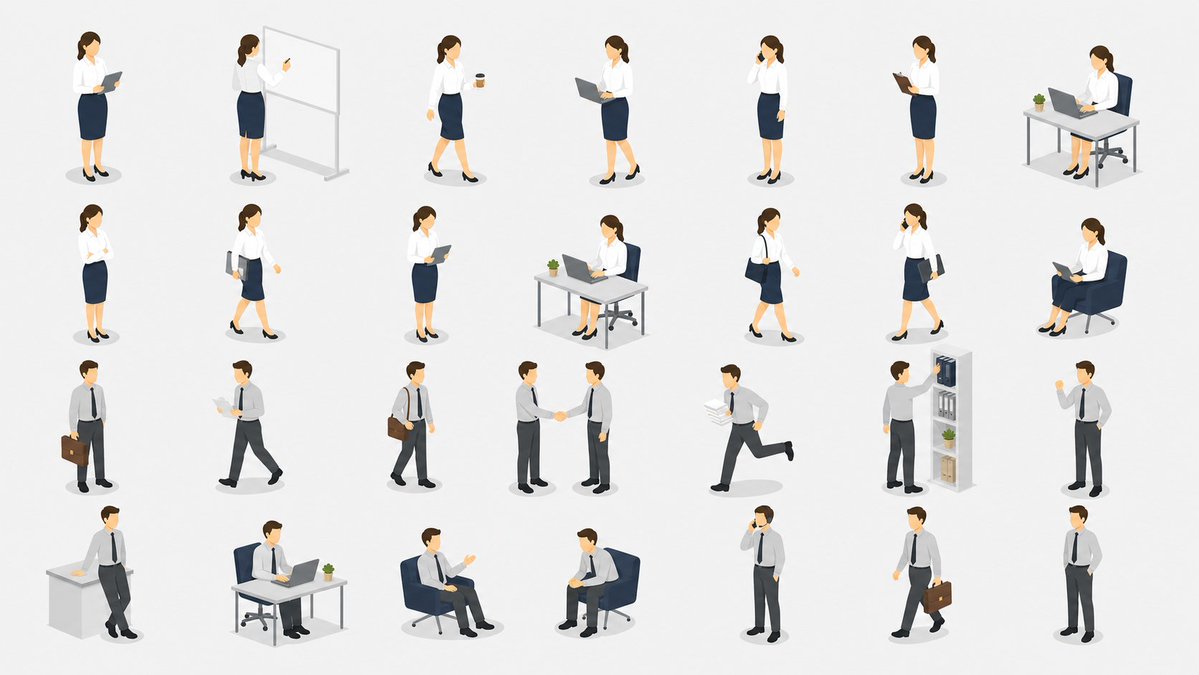
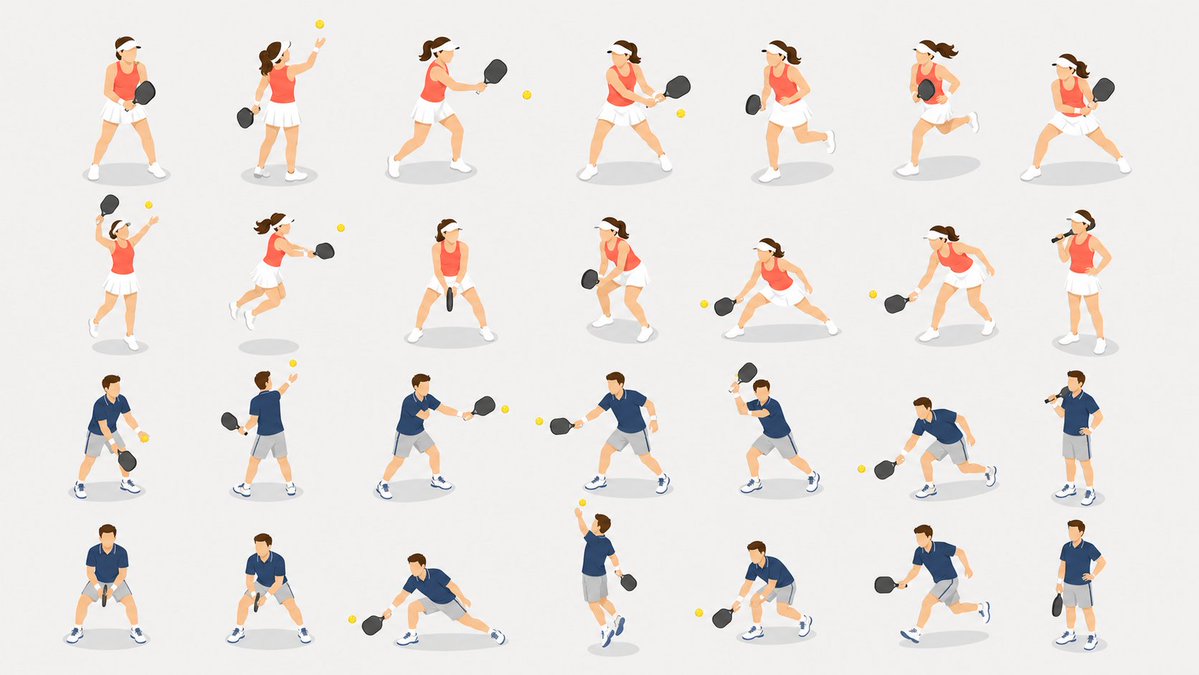
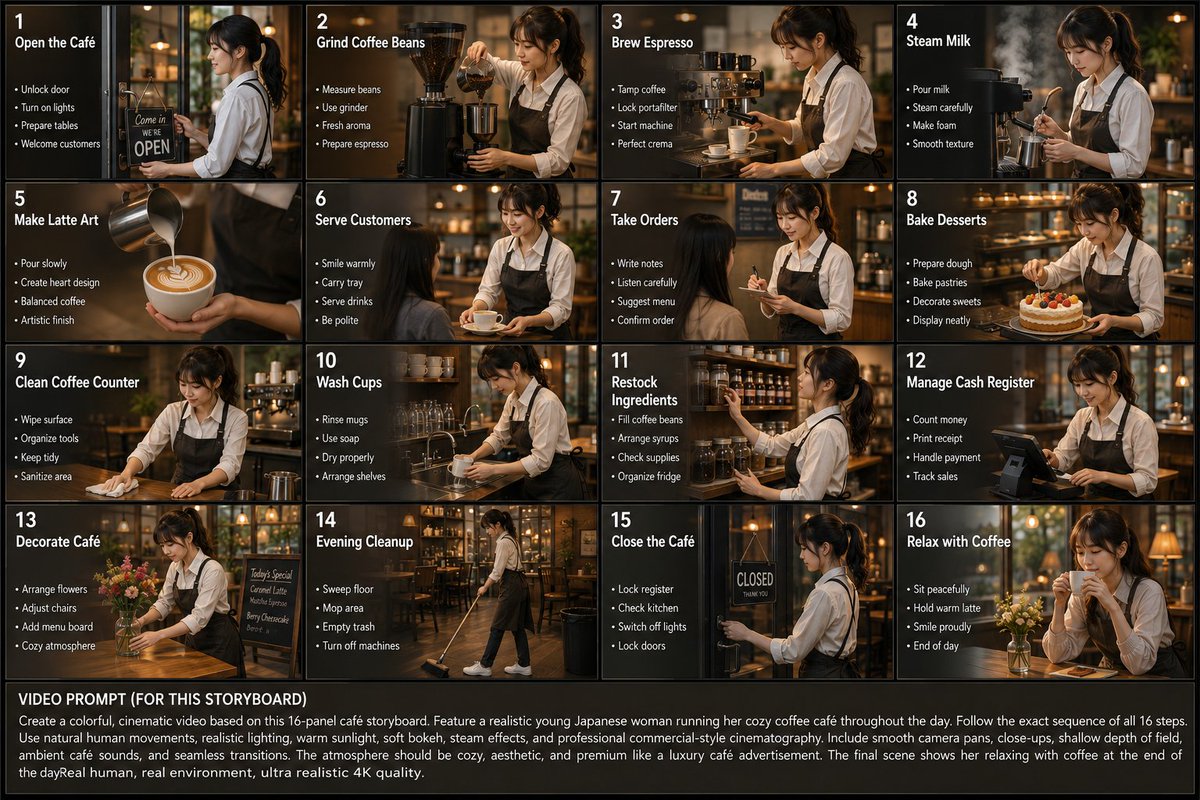
Case Media
Case Notes
This page keeps the media, full prompt, and original source together so you can inspect the result first and decide whether the prompt is worth copying, saving, or comparing.
Case Insights
To make this page easier to search, cite, and reuse later, the case is also broken down into practical guidance about usage, visual cues, and prompt structure.
Best Fit Scenarios
- Use this as a character design benchmark when you need a fast style baseline before rewriting your own prompt.
- It is especially helpful if your target overlaps with Illustration, Character, Typography and you want to judge the image result before tuning wording.
- Keep it as a control sample when you compare nearby prompt variants one variable at a time.
Visual Signals To Notice
- The clearest style signals here are Illustration, Character, Typography, so those should usually stay in your first rewrite.
- Look at silhouette, costume language, mood styling, and whether the character reads clearly at a glance.
- This case keeps one primary output, so the first image should be treated as the main visual reference.
How The Prompt Is Structured
- The prompt reads as a long, highly specified prompt, which is useful when you want to judge how much specificity this direction needs.
- Its keyword cluster is centered on Illustration, Character, Typography, so you can usually keep that cluster while swapping subject, camera, layout, or copy details.
- A practical rewrite path is: keep the outcome, keep the strongest style cues, then replace only the subject and environment blocks.
Good Follow-up Questions
- What changes first if you keep Illustration, Character, Typography but switch the subject matter?
- Which part of the result comes from section-level structure (Character Design) versus tag-level style cues?
- Which related cases in the same section give you a cleaner or more extreme variation of the same direction?
Full Prompt
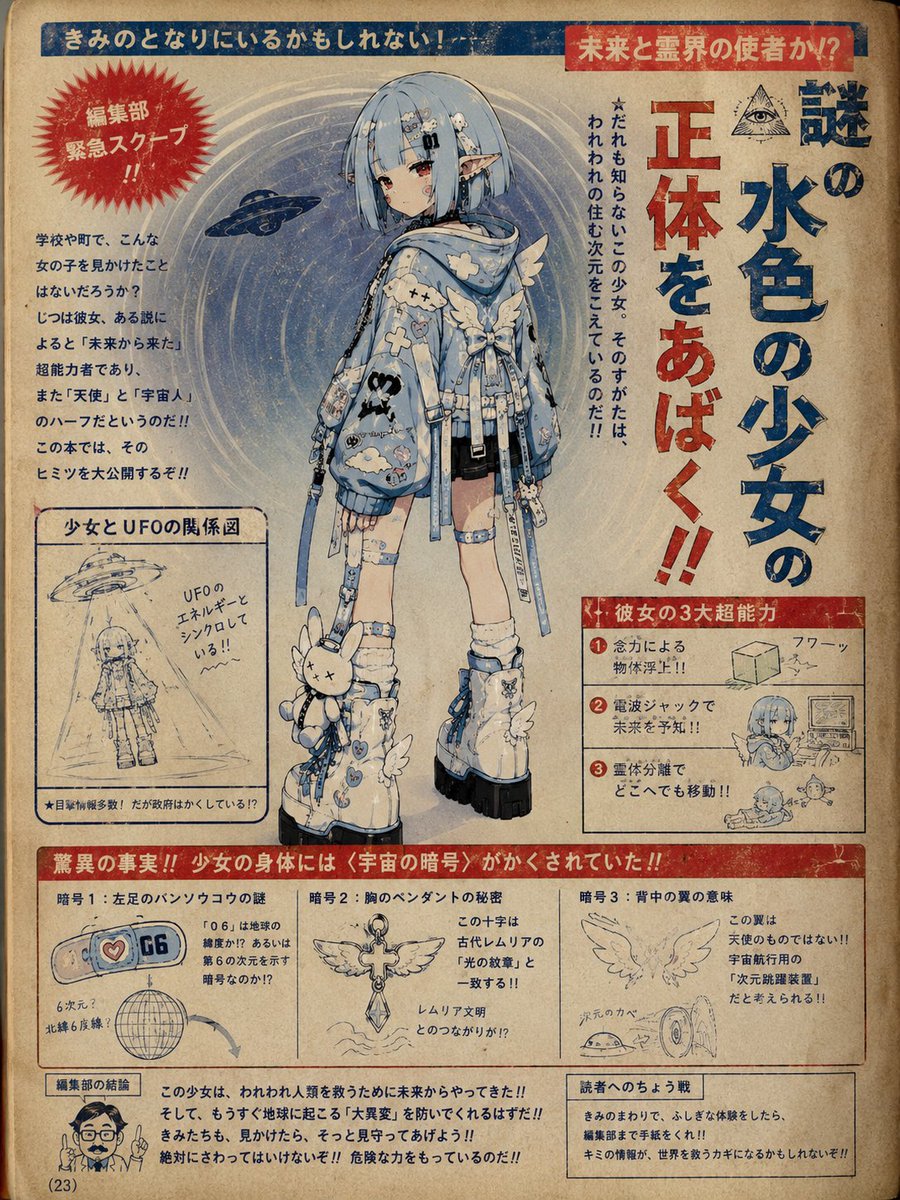
Using this character, draw {argument name="theme" default="a page from a 1970s-era children's book about the occult, future science, or paranormal phenomena"}. Do not use the reference image as is; create a situation and composition that suits the content of the page. Important: The content should be interpreted by a 1970s children's book editor who forcibly links the reference image to paranormal phenomena or future science. Make the page look as if an adult at the time saw this character, assumed it was a meaningful entity, and developed strange theories, super-logic, or occult interpretations. Focus on leaps of logic that seem plausible yet are nonsensical. The content should be random each time, with the editor's delusions and assertions running wild. Include assertive text designed to provoke children's curiosity. The layout should be in the style of a 1970s children's book. Include old paper textures, misaligned printing, fading, crude illustrations, red and blue ink, hand-drawn arrows, and nonsensical charts. Each time: - Different far-fetched interpretations - Different page layouts - Different assertions - Different strange theories - Different camera angles Important: Prioritize the feeling of a 'strange children's book that might have actually existed.' Instead of orthodox sci-fi, prioritize the enthusiasm of an occult editor with strange theories, forced connections, and leaps of logic.