Case Media
Case Notes
This page keeps the media, full prompt, and original source together so you can inspect the result first and decide whether the prompt is worth copying, saving, or comparing.
Case Insights
To make this page easier to search, cite, and reuse later, the case is also broken down into practical guidance about usage, visual cues, and prompt structure.
Best Fit Scenarios
- Use this as a character design benchmark when you need a fast style baseline before rewriting your own prompt.
- It is especially helpful if your target overlaps with Poster, Character, Anime and you want to judge the image result before tuning wording.
- Keep it as a control sample when you compare nearby prompt variants one variable at a time.
Visual Signals To Notice
- The clearest style signals here are Poster, Character, Anime, so those should usually stay in your first rewrite.
- Look at silhouette, costume language, mood styling, and whether the character reads clearly at a glance.
- This case keeps one primary output, so the first image should be treated as the main visual reference.
How The Prompt Is Structured
- The prompt reads as a long, highly specified prompt, which is useful when you want to judge how much specificity this direction needs.
- Its keyword cluster is centered on Poster, Character, Anime, so you can usually keep that cluster while swapping subject, camera, layout, or copy details.
- A practical rewrite path is: keep the outcome, keep the strongest style cues, then replace only the subject and environment blocks.
Good Follow-up Questions
- What changes first if you keep Poster, Character, Anime but switch the subject matter?
- Which part of the result comes from section-level structure (Character Design) versus tag-level style cues?
- Which related cases in the same section give you a cleaner or more extreme variation of the same direction?
Full Prompt
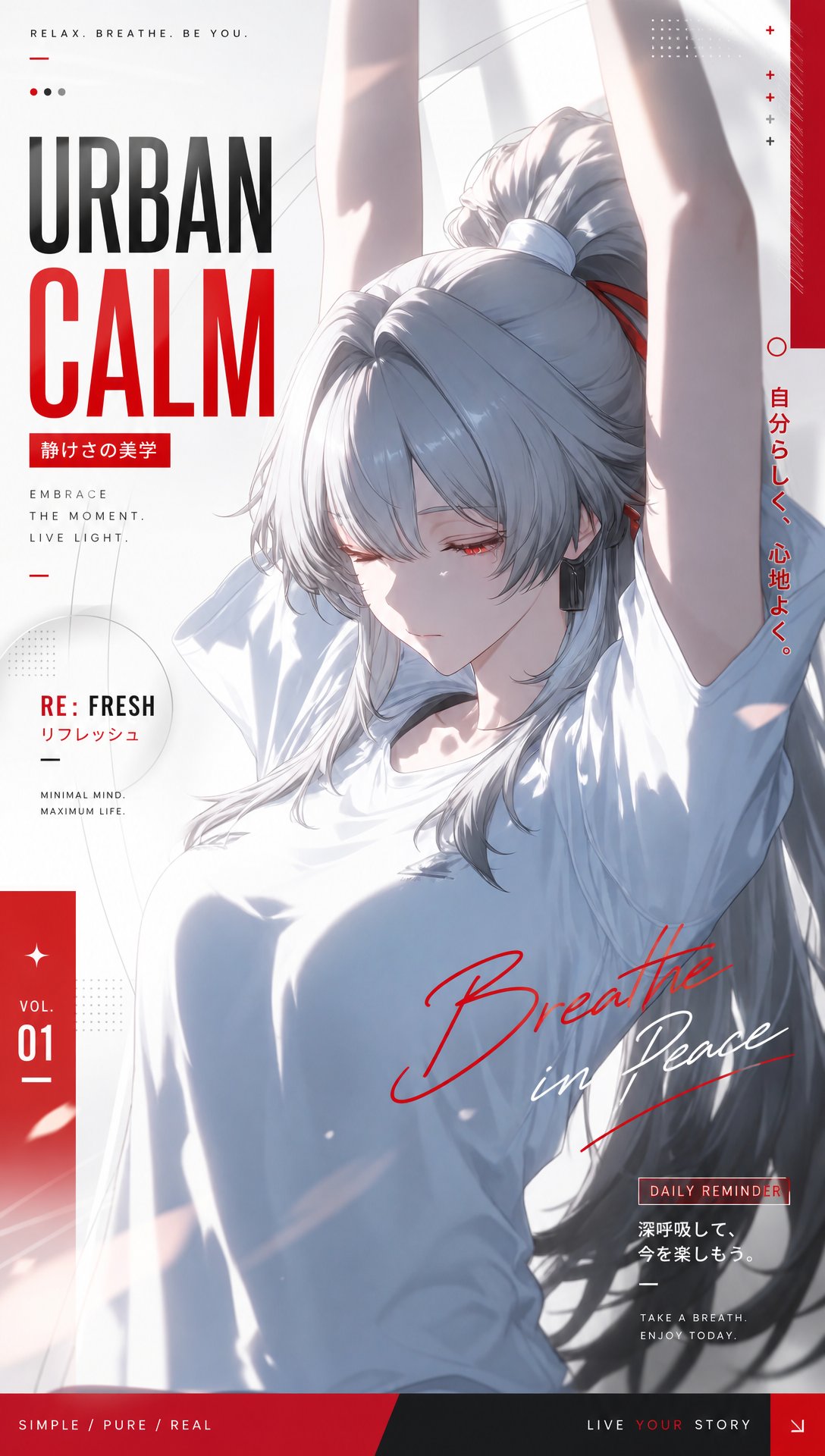
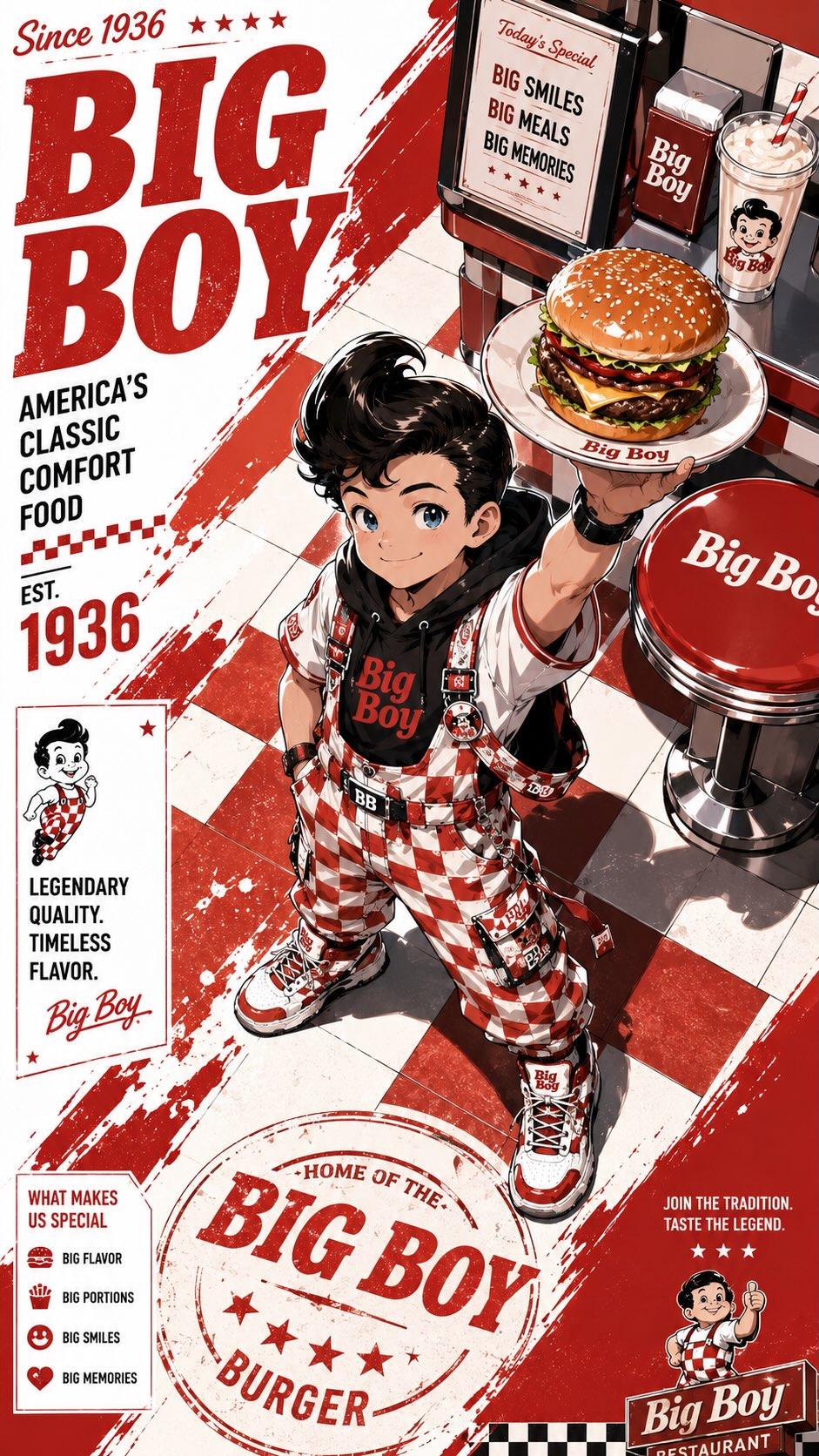
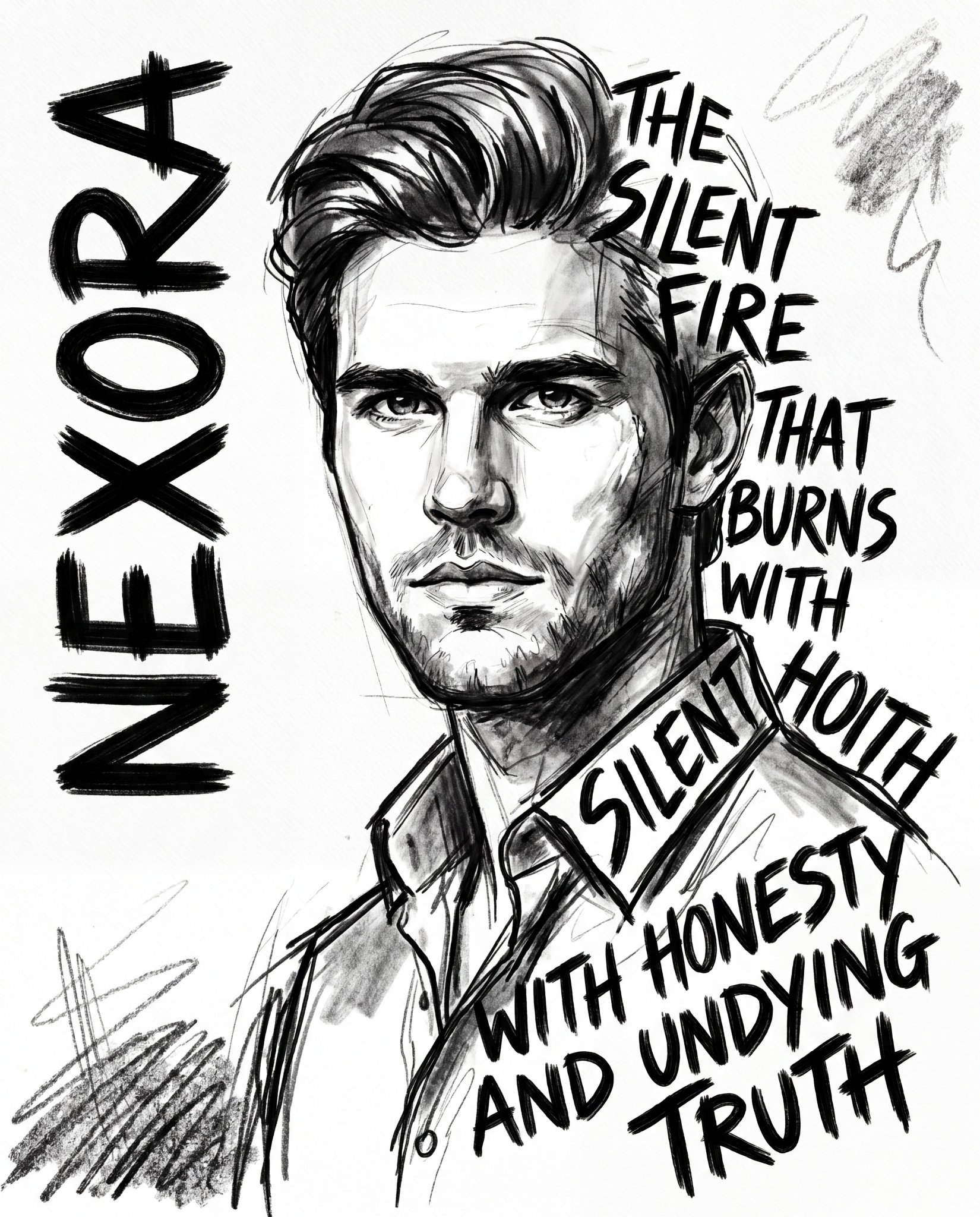
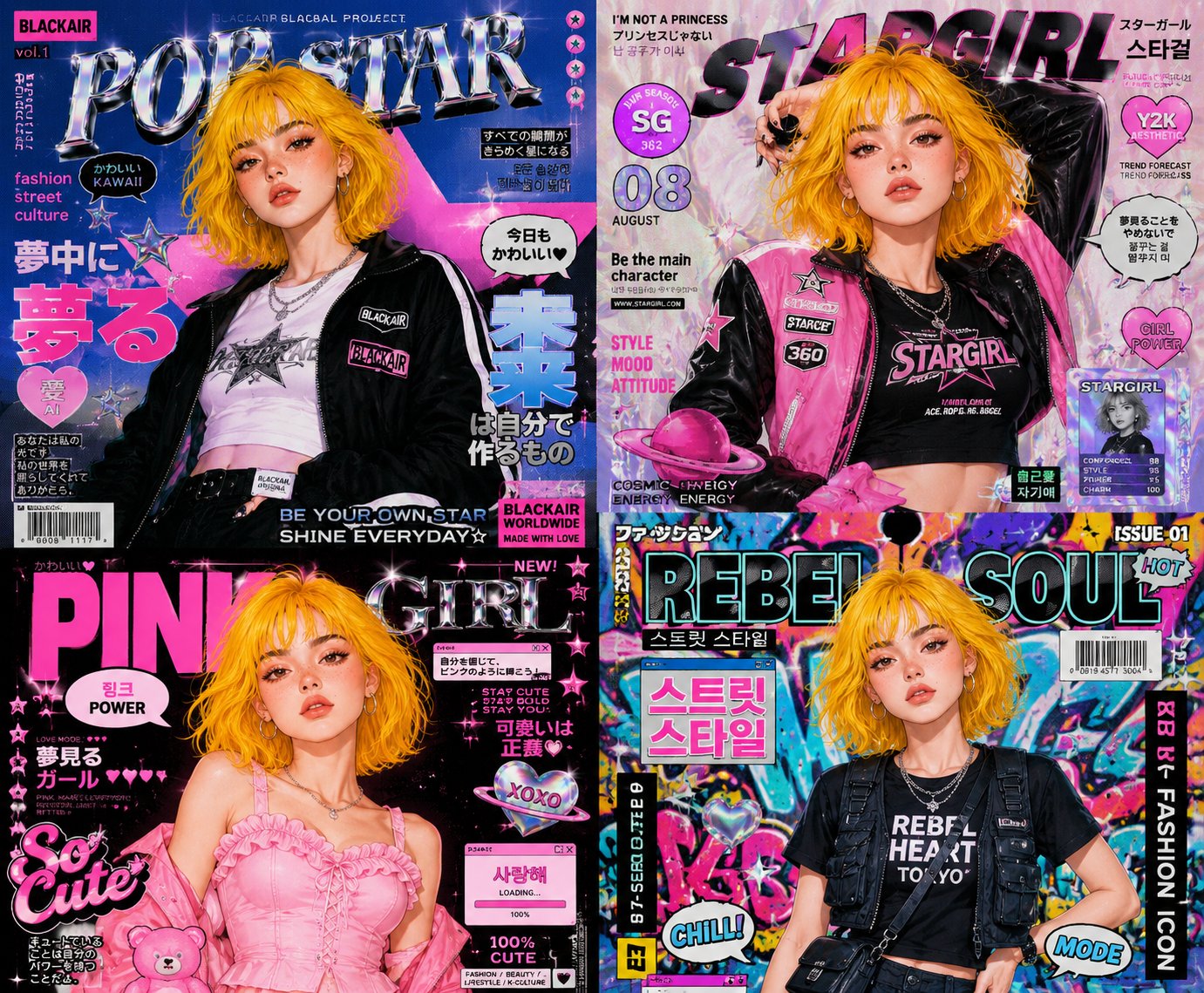
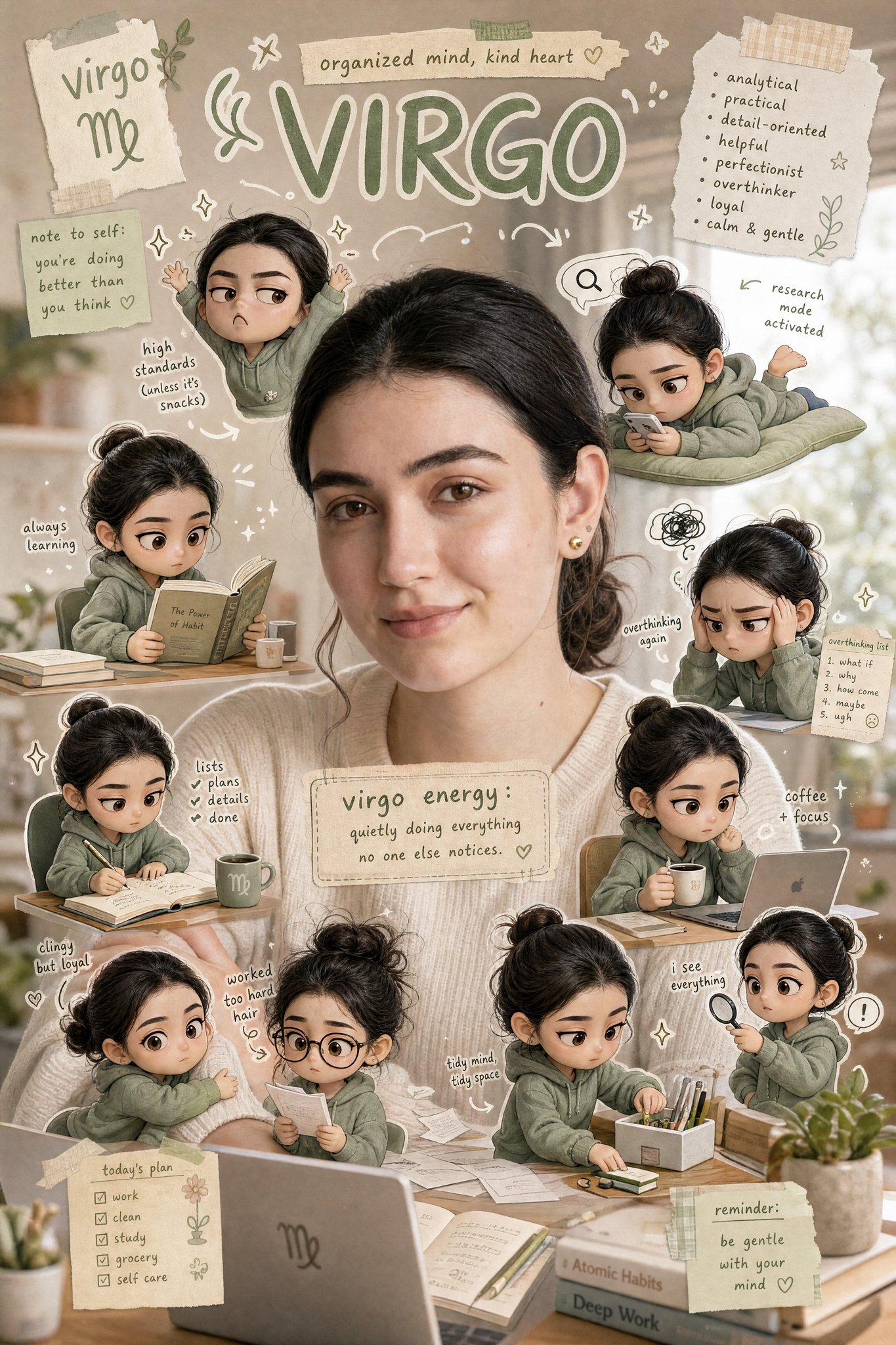
I am “VIRGO.” Create a poster inspired by Yumi’s Cells with the same soft, aesthetic, slice-of-life vibe and background style, while fully reflecting the Virgo zodiac theme in the design. The subject’s face must remain completely unchanged and untouched. Surround the subject with multiple small, raw yet realistic cute chibi-style mini 3D versions of the subject, designed like expressive “cells” with oversized heads, glossy high-detail finishes, and playful emotions. Each mini character should reflect Virgo traits such as organization, perfectionism, intelligence, neatness, overthinking, helpfulness, and calm focus. Show them in different actions: one clinging onto the subject’s arm, one reading a book carefully, one writing notes or checking a list, one drinking coffee while concentrating, one lying down using a phone while researching something, one making a wacky but slightly judgmental face, one looking tired or stressed from overthinking, one tidying things up, one pointing out details, and one with slightly messy “worked too hard” hair energy. Add playful hand-drawn doodles interacting directly with the subject and chibi characters—checklists, arrows, tiny labels, sparkles, paper-note doodles, neat outline sketches, and visual reactions to their actions to enhance movement and storytelling. Use a clean aesthetic composition, white sticker outlines, soft pastel sage, cream, soft olive, dusty beige, and light blue tones, high-detail glossy 3D chibi look, cute Korean-inspired design, with a raw natural poster feel, and the Virgo identity clearly integrated into the overall concept.