Case Media
Case Notes
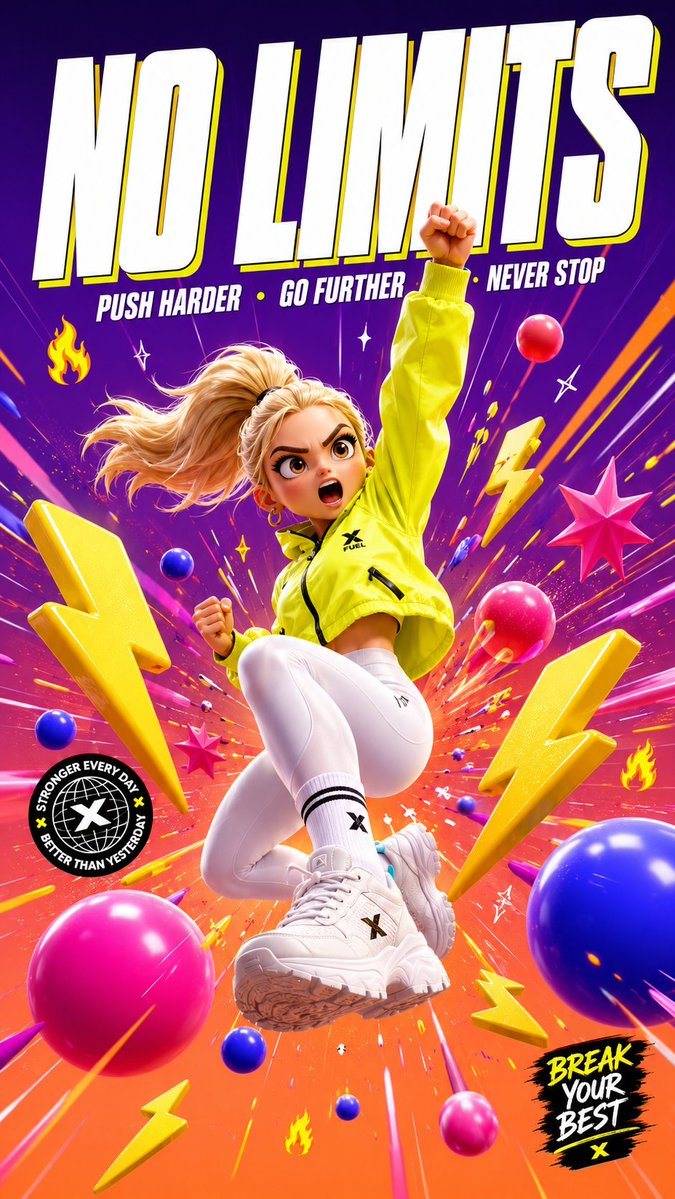
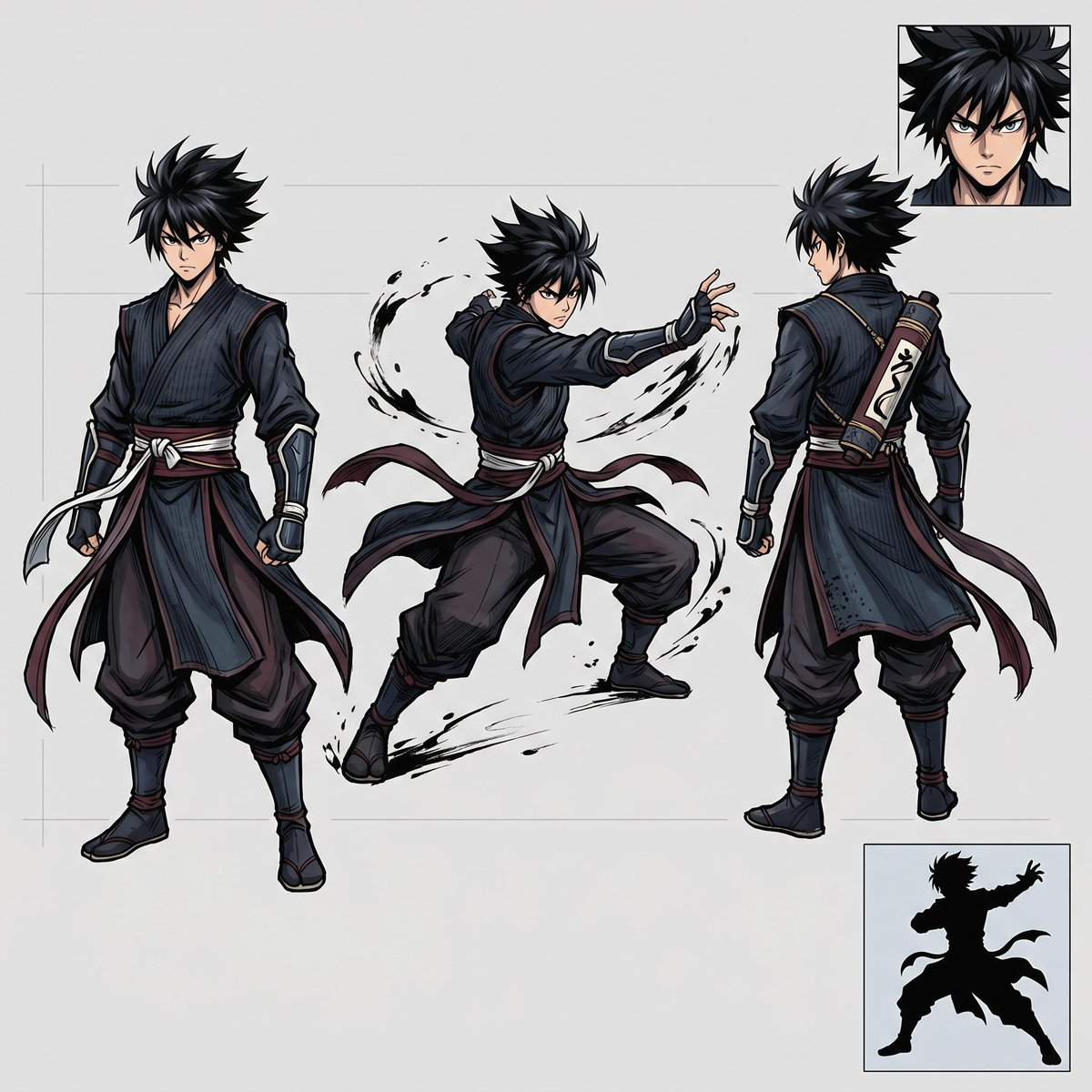
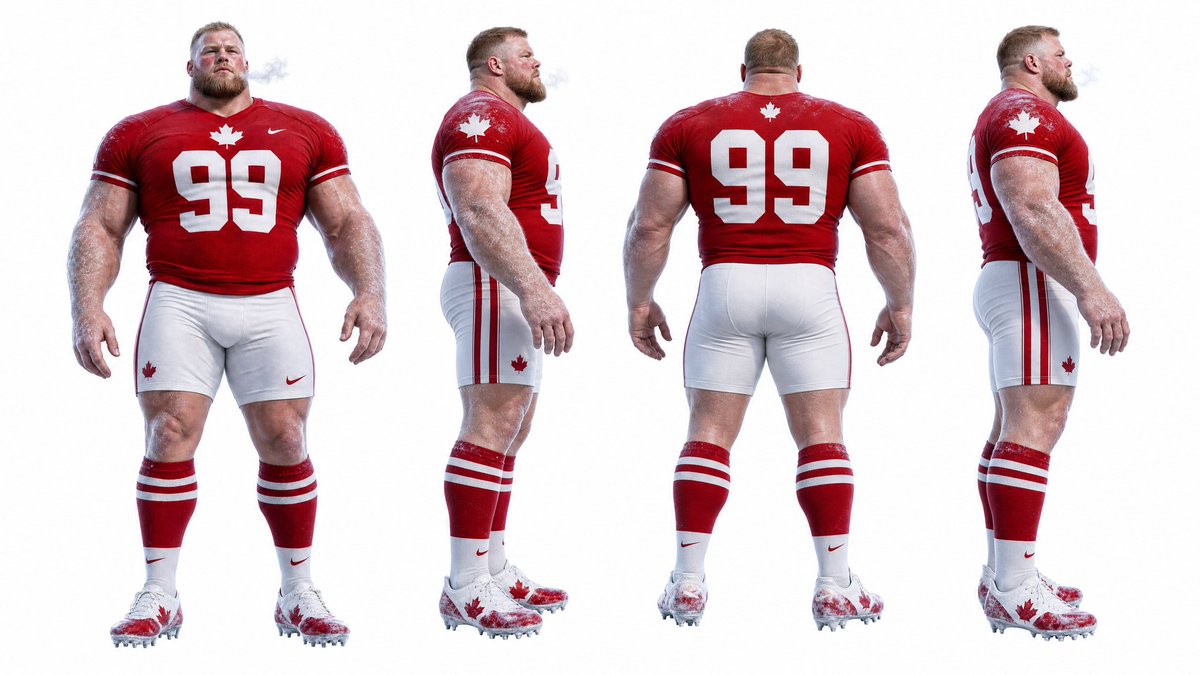
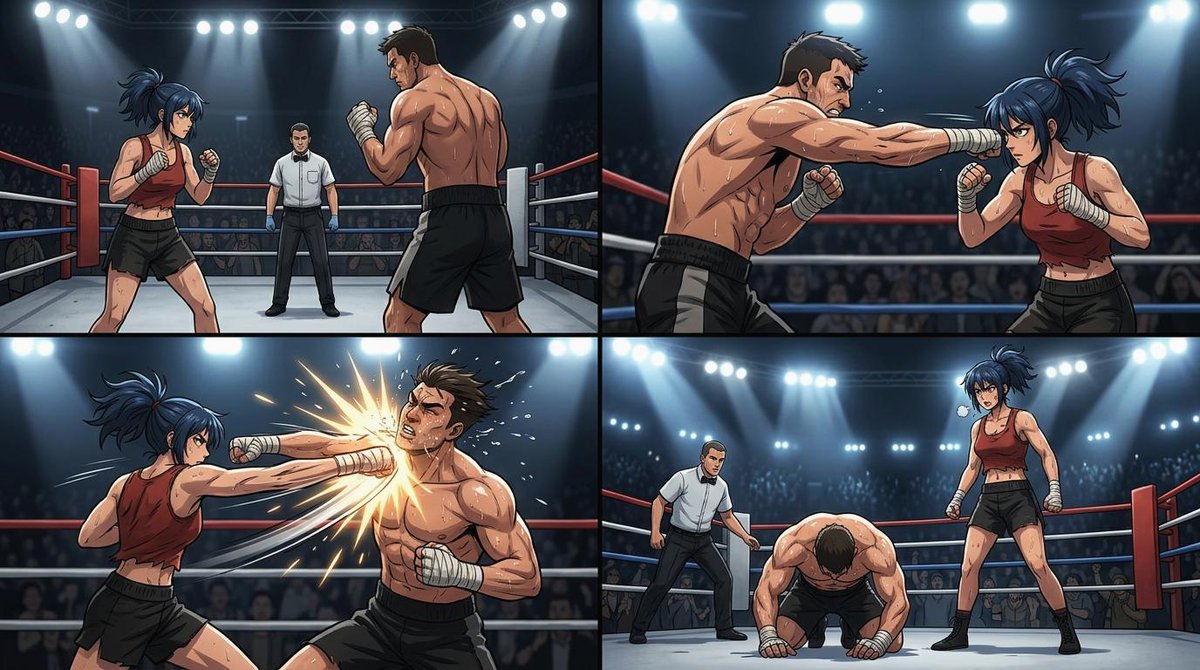
This page keeps the media, full prompt, and original source together so you can inspect the result first and decide whether the prompt is worth copying, saving, or comparing.
Case Insights
To make this page easier to search, cite, and reuse later, the case is also broken down into practical guidance about usage, visual cues, and prompt structure.
Best Fit Scenarios
- Use this as a character design benchmark when you need a fast style baseline before rewriting your own prompt.
- It is especially helpful if your target overlaps with Neon, Illustration, Character and you want to judge the image result before tuning wording.
- Keep it as a control sample when you compare nearby prompt variants one variable at a time.
Visual Signals To Notice
- The clearest style signals here are Neon, Illustration, Character, so those should usually stay in your first rewrite.
- Look at silhouette, costume language, mood styling, and whether the character reads clearly at a glance.
- This case keeps one primary output, so the first image should be treated as the main visual reference.
How The Prompt Is Structured
- The prompt reads as a long, highly specified prompt, which is useful when you want to judge how much specificity this direction needs.
- Its keyword cluster is centered on Neon, Illustration, Character, so you can usually keep that cluster while swapping subject, camera, layout, or copy details.
- A practical rewrite path is: keep the outcome, keep the strongest style cues, then replace only the subject and environment blocks.
Good Follow-up Questions
- What changes first if you keep Neon, Illustration, Character but switch the subject matter?
- Which part of the result comes from section-level structure (Character Design) versus tag-level style cues?
- Which related cases in the same section give you a cleaner or more extreme variation of the same direction?
Full Prompt
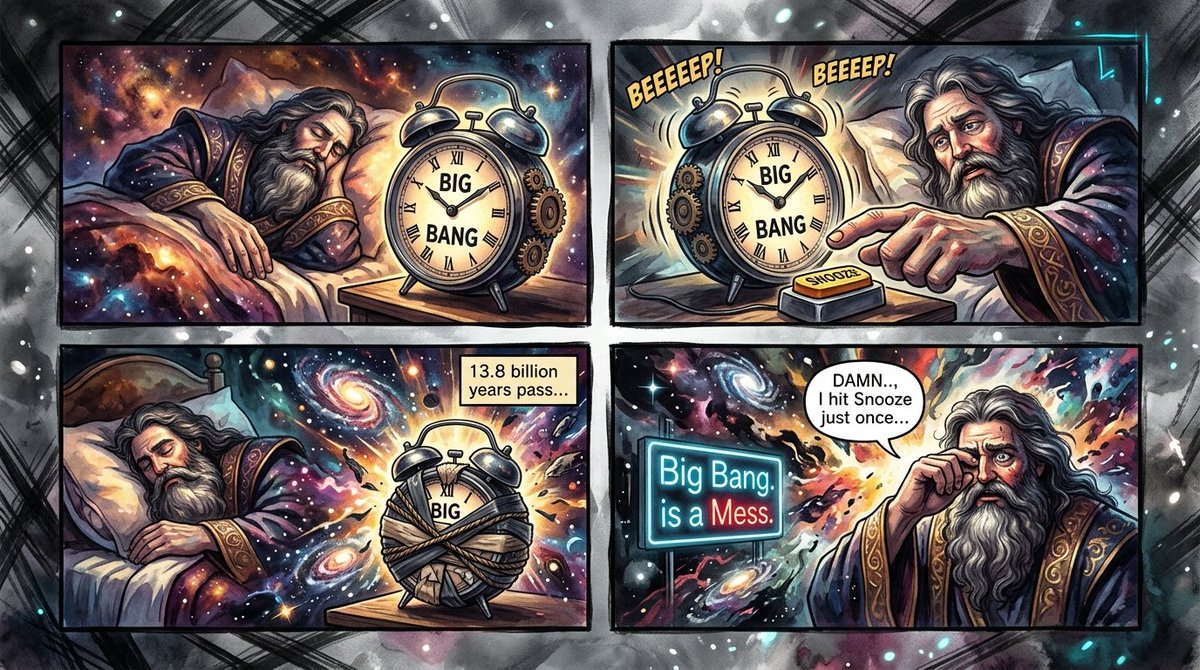
Goal: Create a humorous four-panel cosmic comic strip about a godlike universe creator oversleeping and accidentally causing a messy Big Bang. Canvas: Wide horizontal comic page, 16:9 aspect ratio, with four rectangular panels arranged in a 2-by-2 grid. Use thick black comic borders, slight perspective wobble, and a smoky grayscale outer background with glowing specks and sketchy crosshatch marks. Visual style: Highly detailed painterly comic art with dramatic ink outlines, cosmic fantasy lighting, saturated nebula colors, stars, galaxies, explosions, and watercolor-like textures. The tone is funny, epic, and slightly chaotic. Add a deliberate blurred square over the godlike character’s face in each panel, as if censored or anonymized. Main character: A long-haired, bearded, elderly cosmic wizard or deity wearing ornate purple robes patterned with stars and gold embroidered cuffs. He is sleepy and irritated, shown in bed or beside the alarm clock. Use {argument name="character name" default="anonymous cosmic creator"} only as an internal character concept, not visible text. Panel layout and exact content: 1. Top-left panel: The cosmic creator sleeps under blankets in a bed floating in deep space. Beside the bed on a small wooden table sits a large vintage twin-bell alarm clock. The clock face clearly reads “BIG BANG” in bold black letters, with Roman numerals around the edge. Background filled with colorful nebula clouds and stars. No speech bubble. 2. Top-right panel: The alarm clock rings violently with motion lines. Add exactly two comic sound effects above it: “BEEEEEP!” on the left and “BEEEEP!” on the right, in yellow bold comic lettering with black outline. The creator reaches from the right side toward a small rectangular orange snooze button on a base in front of the clock. The button label reads “SNOOZE.” The clock face still reads “BIG BANG.” 3. Bottom-left panel: The creator is back asleep on the left while the clock on the bedside table is wrapped tightly in messy bandages or cloth, muffled and restrained. The universe behind it erupts with galaxies, stars, and colorful energy swirls. Add a small beige caption box in the upper right that reads exactly: “13.8 billion years pass...” 4. Bottom-right panel: The creator is awake and exasperated, pointing or gesturing toward the cosmic chaos. Behind him is a wild explosion of galaxies, starbursts, and nebula fragments. Add a glowing neon sign on the left that reads exactly: “Big Bang is a Mess.” with “Mess.” emphasized in red. Add one speech bubble above the creator that reads exactly: “DAMN..., I hit Snooze just once...” Text content: Include exactly these visible text elements: “BIG BANG” on the alarm clock in panels 1, 2, and partially visible in panel 3; “BEEEEEP!”; “BEEEEP!”; “SNOOZE”; “13.8 billion years pass...”; “Big Bang is a Mess.”; and “DAMN..., I hit Snooze just once...” Constraints: Use exactly four panels, exactly one recurring main character, exactly one alarm clock, exactly one snooze button, exactly one neon sign, and exactly one caption box. Keep all text legible and spelled as specified. Do not add extra panels, extra speech bubbles, watermarks, logos, or signatures.