Case Media
Case Notes
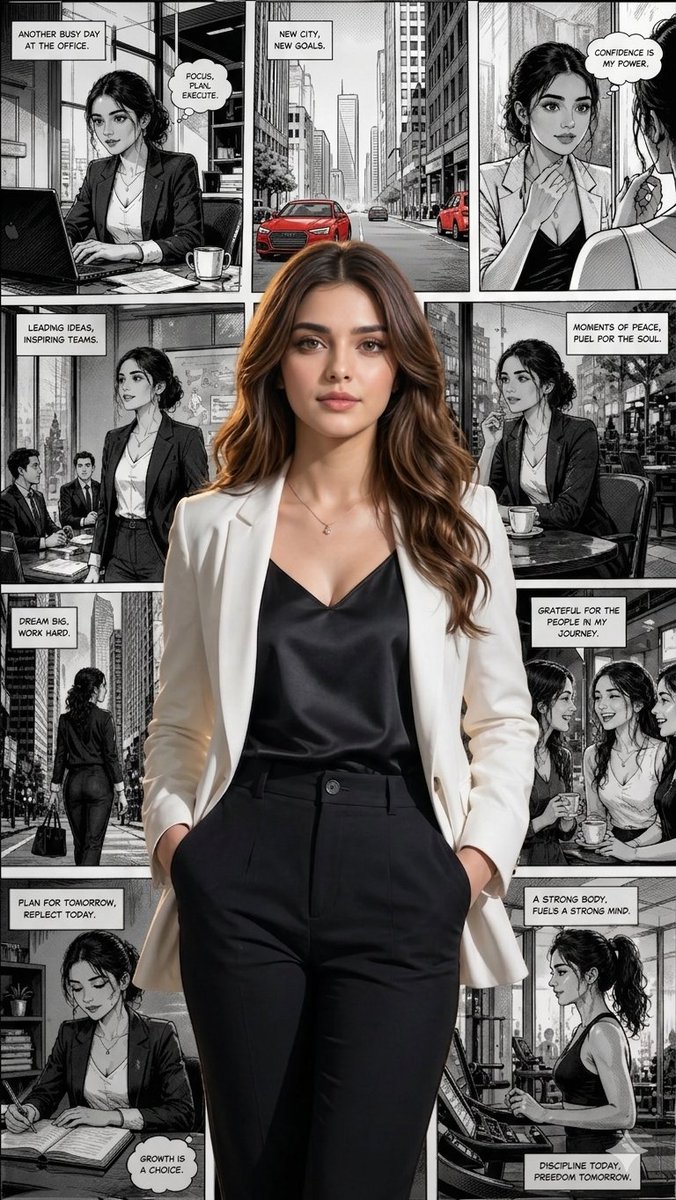
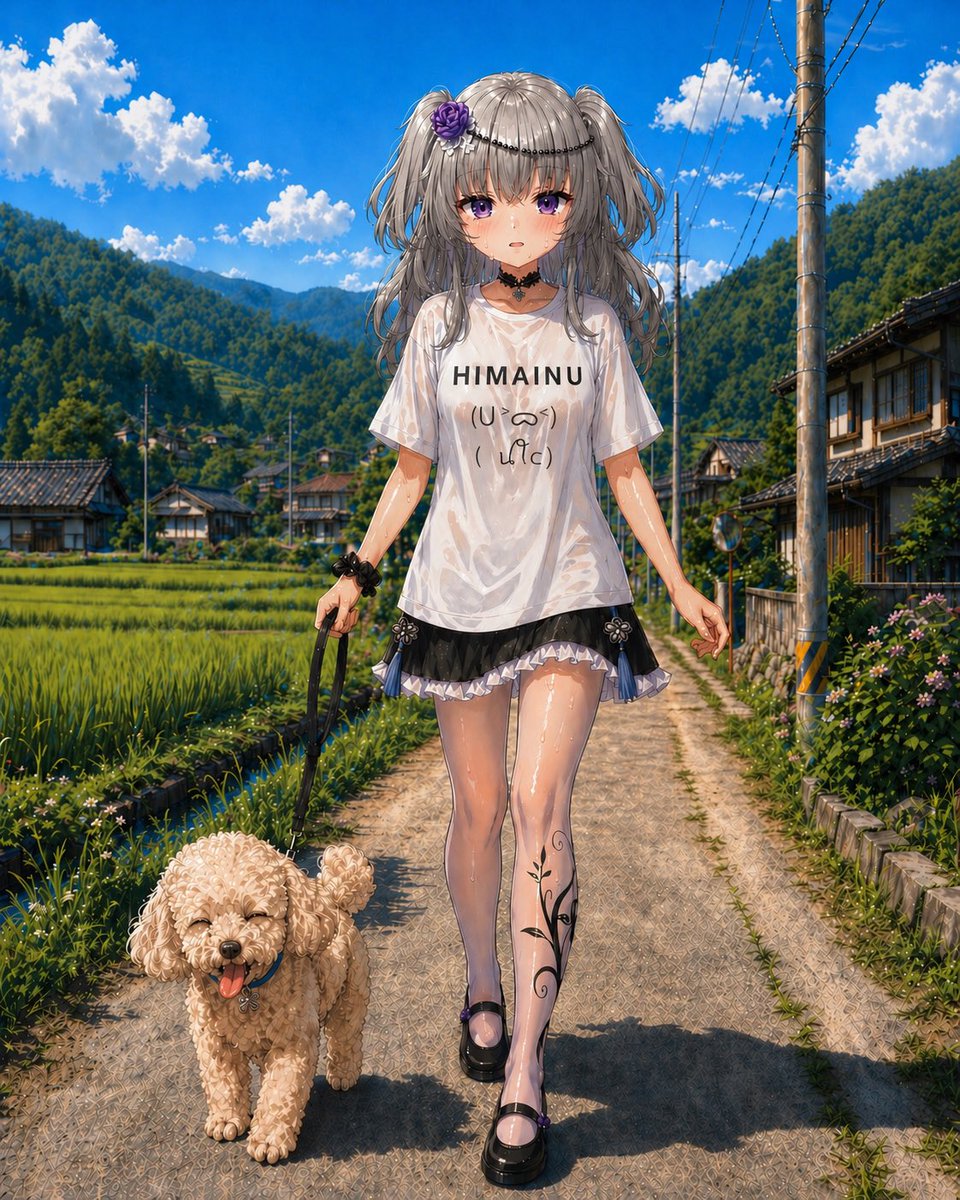
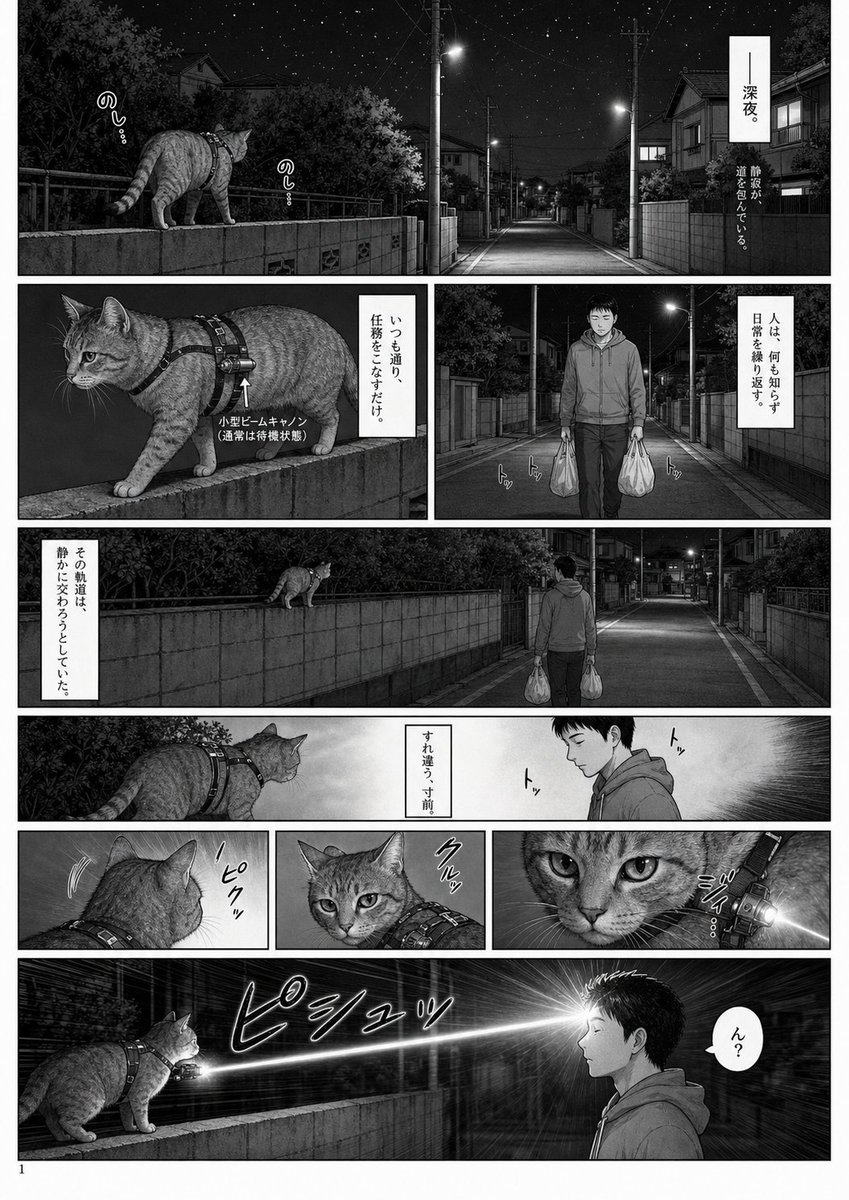
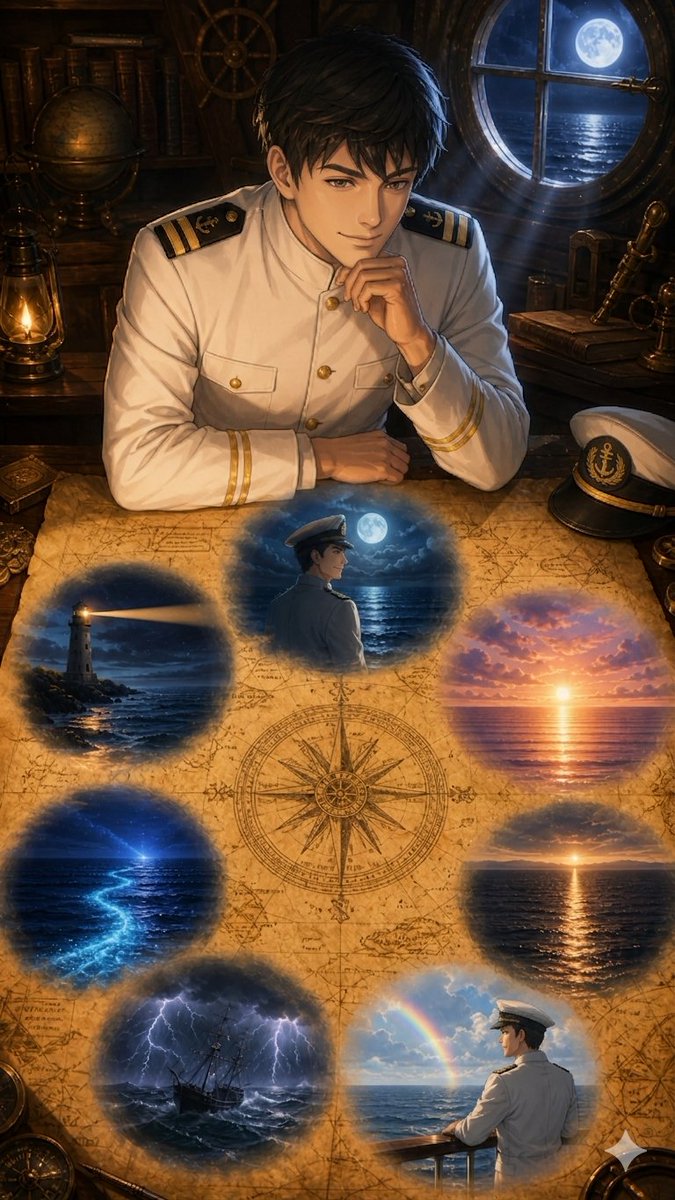
This page keeps the media, full prompt, and original source together so you can inspect the result first and decide whether the prompt is worth copying, saving, or comparing.
Case Insights
To make this page easier to search, cite, and reuse later, the case is also broken down into practical guidance about usage, visual cues, and prompt structure.
Best Fit Scenarios
- Use this as a character design benchmark when you need a fast style baseline before rewriting your own prompt.
- It is especially helpful if your target overlaps with Cinematic, Illustration, Character and you want to judge the image result before tuning wording.
- Keep it as a control sample when you compare nearby prompt variants one variable at a time.
Visual Signals To Notice
- The clearest style signals here are Cinematic, Illustration, Character, so those should usually stay in your first rewrite.
- Look at silhouette, costume language, mood styling, and whether the character reads clearly at a glance.
- This case keeps one primary output, so the first image should be treated as the main visual reference.
How The Prompt Is Structured
- The prompt reads as a long, highly specified prompt, which is useful when you want to judge how much specificity this direction needs.
- Its keyword cluster is centered on Cinematic, Illustration, Character, so you can usually keep that cluster while swapping subject, camera, layout, or copy details.
- A practical rewrite path is: keep the outcome, keep the strongest style cues, then replace only the subject and environment blocks.
Good Follow-up Questions
- What changes first if you keep Cinematic, Illustration, Character but switch the subject matter?
- Which part of the result comes from section-level structure (Character Design) versus tag-level style cues?
- Which related cases in the same section give you a cleaner or more extreme variation of the same direction?
Full Prompt
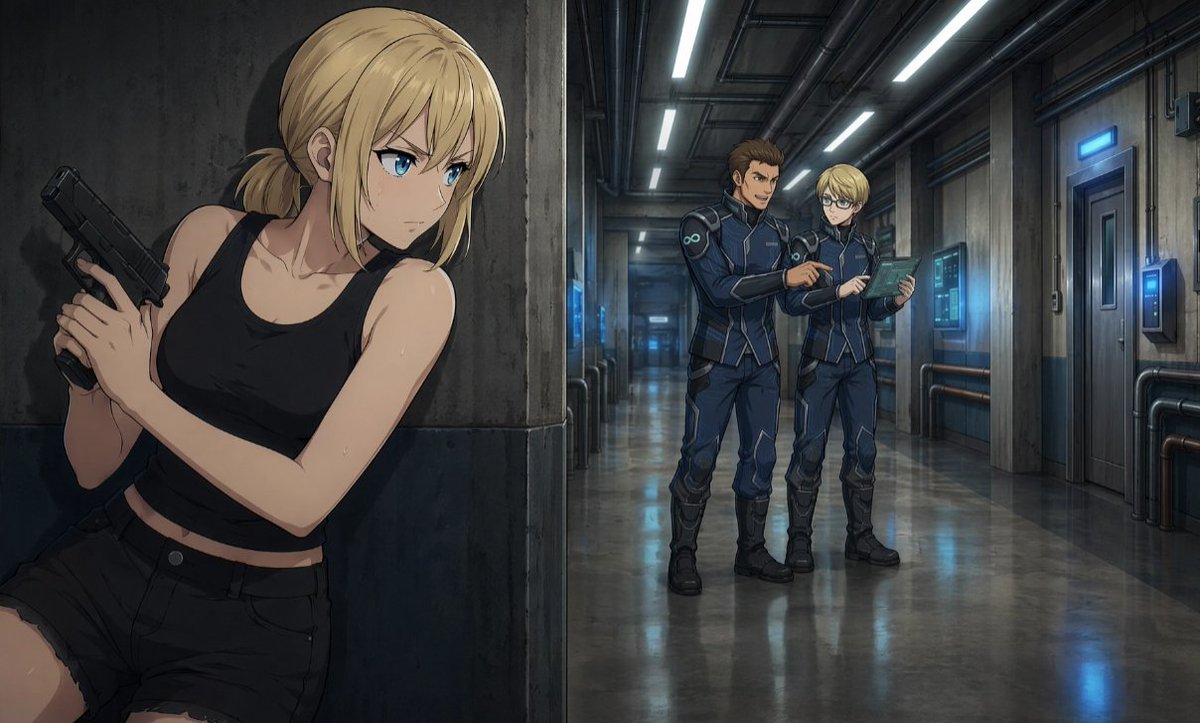
Create a cinematic anime-style sci-fi action scene in a dim industrial facility corridor. The composition is wide, with a concrete pillar dividing the image: on the far left foreground, a tense young woman named {argument name="character name" default="blonde covert operative"} hides behind the wall, leaning out cautiously while gripping one black semi-automatic pistol with both hands pointed upward; she has {argument name="hair color" default="blonde"} hair tied in a low ponytail with loose bangs, wears a black sleeveless crop tank top and black tactical shorts, and has visible sweat on her arms and shoulders. Her face is intentionally obscured by a flat opaque beige square censor block. In the mid-background on the right side of the corridor stand exactly two uniformed security officers: one brown-haired male officer pointing at one handheld tablet, and one blond officer holding that tablet; both wear dark navy futuristic combat uniforms with light blue piping, armored shoulders, tall black boots, and their faces are also obscured by matching opaque beige square censor blocks. The environment is a long underground military or research-base hallway with polished reflective concrete floor, raw concrete walls, exposed ceiling pipes, bright white fluorescent strip lights, blue glowing access panels, one heavy metal door on the right, and cool blue-gray lighting. Mood is stealthy, suspenseful, and tactical, as if the woman is ambushing or spying on the two guards. Use highly detailed Japanese anime illustration, sharp linework, realistic perspective, dramatic depth, moody shadows, glossy floor reflections, cyberpunk military ambience, widescreen 16:9 framing, no readable text.