Case Media
Case Notes
This page keeps the media, full prompt, and original source together so you can inspect the result first and decide whether the prompt is worth copying, saving, or comparing.
Case Insights
To make this page easier to search, cite, and reuse later, the case is also broken down into practical guidance about usage, visual cues, and prompt structure.
Best Fit Scenarios
- Use this as a character design benchmark when you need a fast style baseline before rewriting your own prompt.
- It is especially helpful if your target overlaps with Illustration, Character, Anime and you want to judge the image result before tuning wording.
- Keep it as a control sample when you compare nearby prompt variants one variable at a time.
Visual Signals To Notice
- The clearest style signals here are Illustration, Character, Anime, so those should usually stay in your first rewrite.
- Look at silhouette, costume language, mood styling, and whether the character reads clearly at a glance.
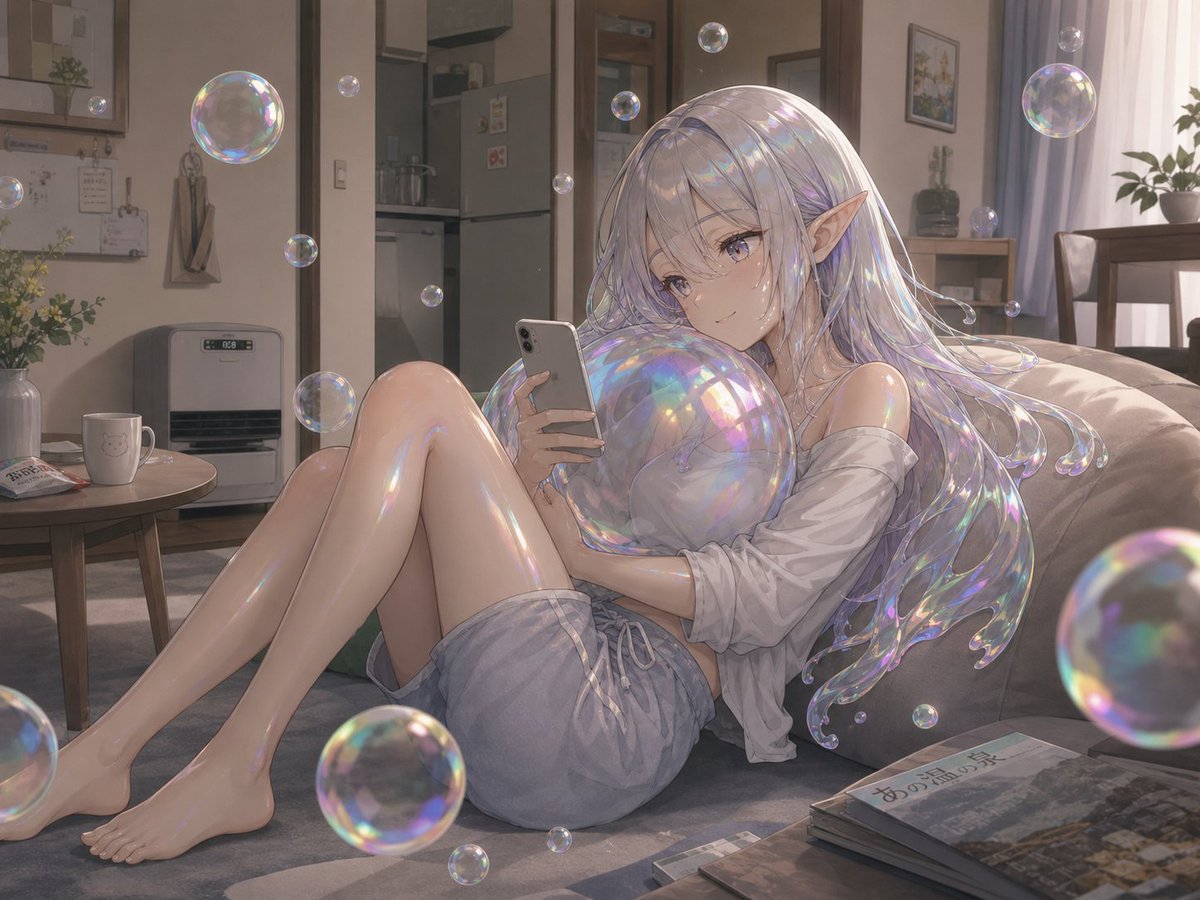
- This case keeps one primary output, so the first image should be treated as the main visual reference.
How The Prompt Is Structured
- The prompt reads as a long, highly specified prompt, which is useful when you want to judge how much specificity this direction needs.
- Its keyword cluster is centered on Illustration, Character, Anime, so you can usually keep that cluster while swapping subject, camera, layout, or copy details.
- A practical rewrite path is: keep the outcome, keep the strongest style cues, then replace only the subject and environment blocks.
Good Follow-up Questions
- What changes first if you keep Illustration, Character, Anime but switch the subject matter?
- Which part of the result comes from section-level structure (Character Design) versus tag-level style cues?
- Which related cases in the same section give you a cleaner or more extreme variation of the same direction?
Full Prompt
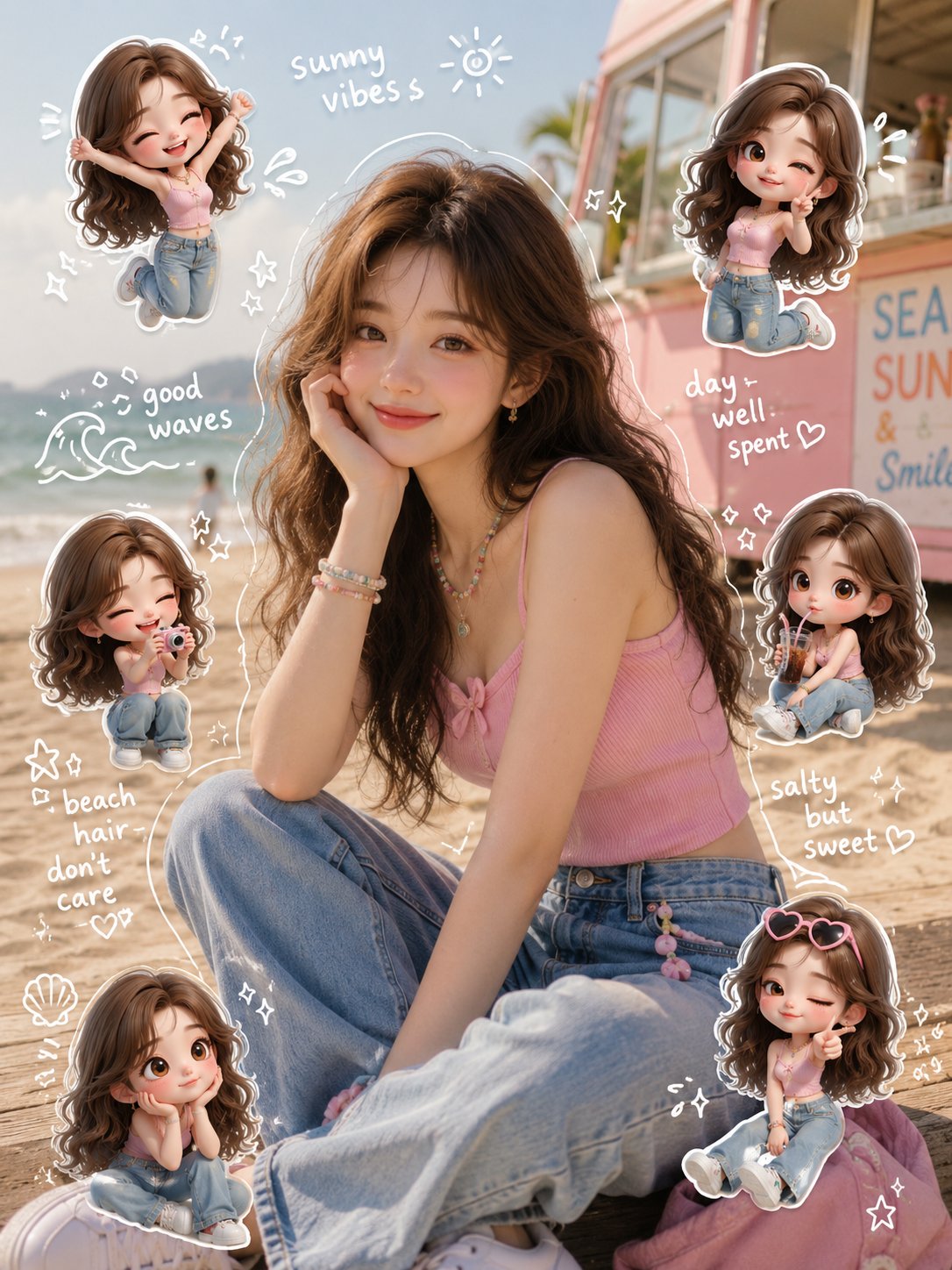
Around the main figure, add multiple mini 3D chibi versions of the same character in playful poses and expressions, such as jumping cheerfully, waving, sitting relaxed, holding a drink, and other lively, cute gestures. Maintain consistent facial features between the main figure and all chibis. Incorporate hand-drawn white doodle elements: thin outlines around the main figure, stars, hearts, sparkles, motion lines, and small cute icons. Add aesthetic handwritten words in a casual doodle font that are contextual to the photo’s mood and environment—for example, beach photos might include “sunny vibes,” “good waves,” urban scenes might include “city energy,” “fresh ride,” or autumn forest scenes might include “cozy,” “fall feels.” Words should feel natural, playful, and adapt to each unique photo rather than repeating the same set everywhere. Ensure the overall composition is clean, Instagram-ready, and visually balanced, with soft pastel color tones and a cohesive, charming style. Chibis should have a high-detail 3D glossy look, inspired by cute Korean style, appearing tactile and playful. Use white sticker outlines around doodles and chibis to make them pop gently against the background. The main figure should remain the focal point, with chibis and doodles enhancing the composition without cluttering it.