Case Media
Case Notes
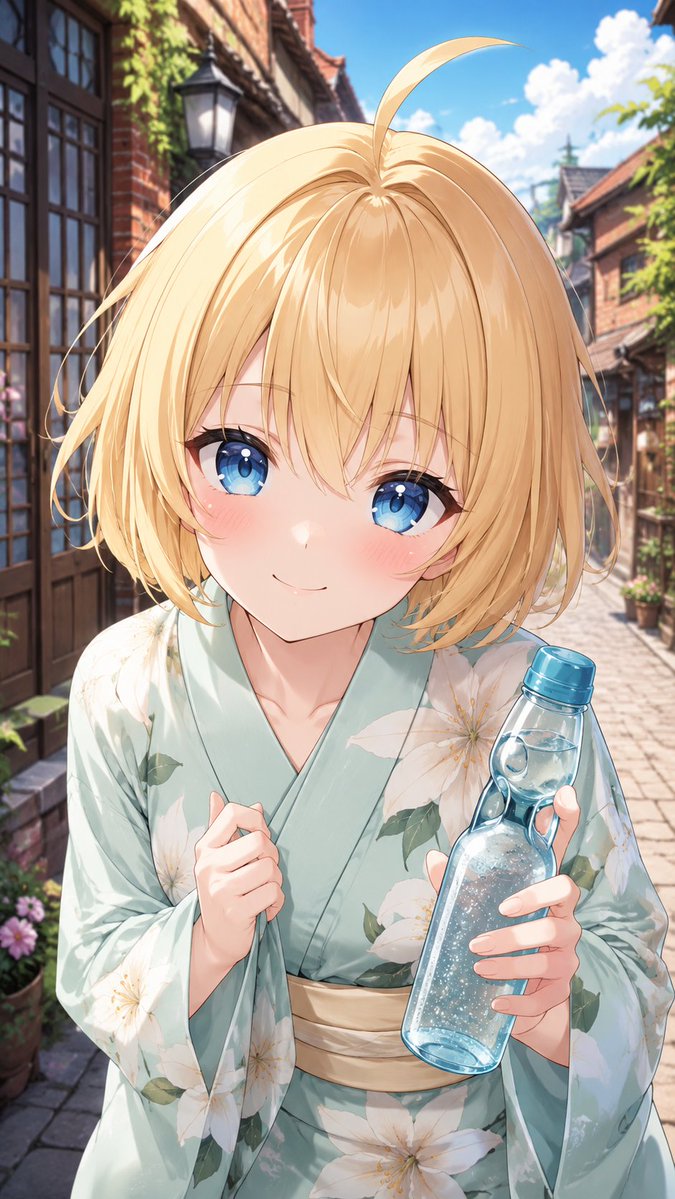
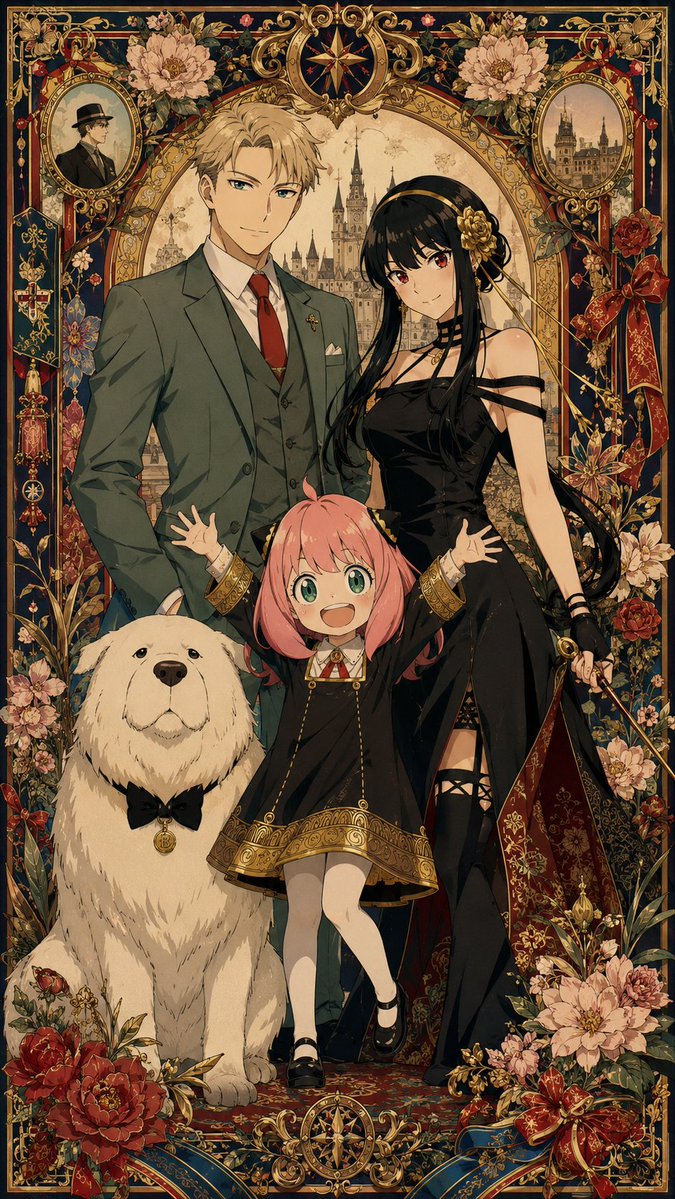
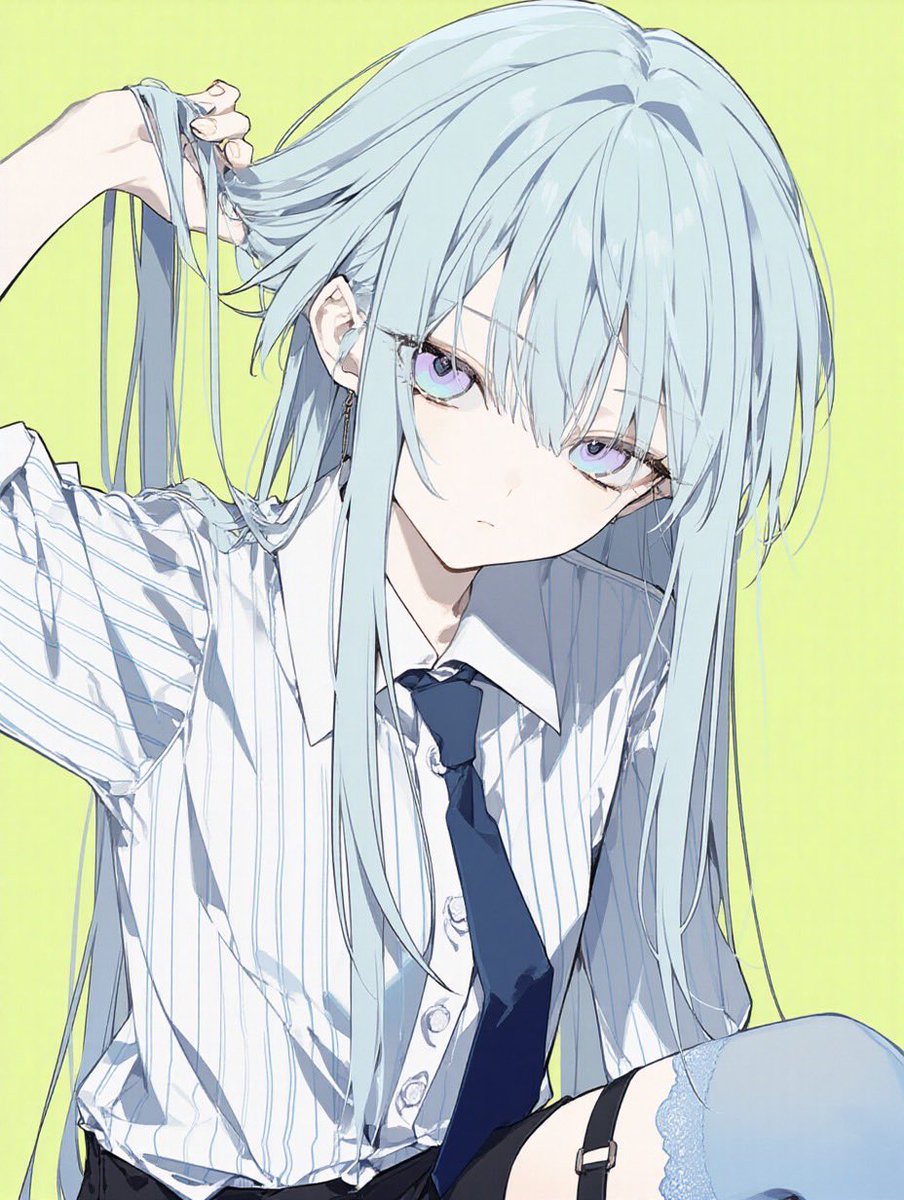
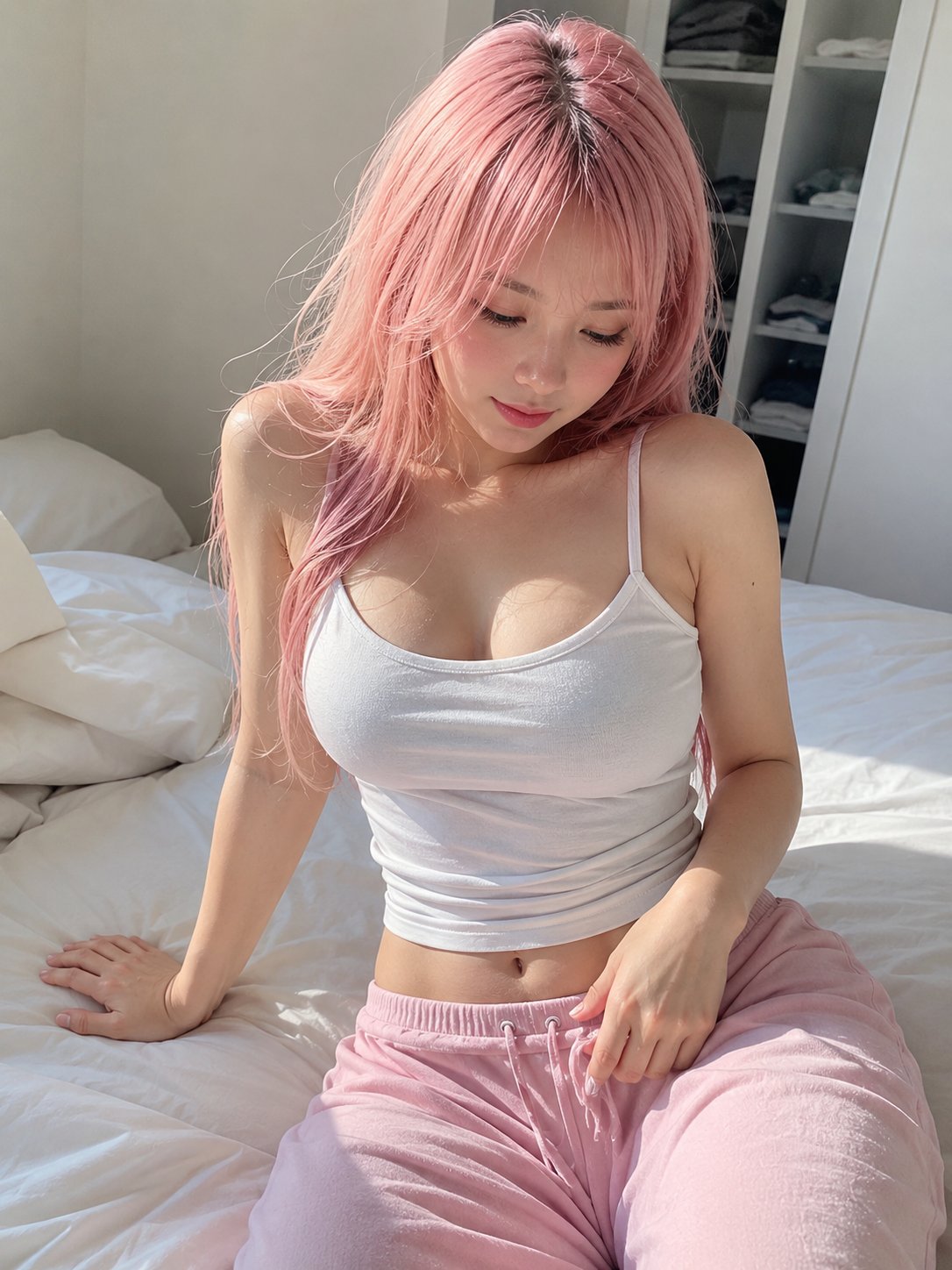
This page keeps the media, full prompt, and original source together so you can inspect the result first and decide whether the prompt is worth copying, saving, or comparing.
Case Insights
To make this page easier to search, cite, and reuse later, the case is also broken down into practical guidance about usage, visual cues, and prompt structure.
Best Fit Scenarios
- Use this as a character design benchmark when you need a fast style baseline before rewriting your own prompt.
- It is especially helpful if your target overlaps with Portrait, Illustration, Character and you want to judge the image result before tuning wording.
- Keep it as a control sample when you compare nearby prompt variants one variable at a time.
Visual Signals To Notice
- The clearest style signals here are Portrait, Illustration, Character, so those should usually stay in your first rewrite.
- Look at silhouette, costume language, mood styling, and whether the character reads clearly at a glance.
- This case keeps one primary output, so the first image should be treated as the main visual reference.
How The Prompt Is Structured
- The prompt reads as a long, highly specified prompt, which is useful when you want to judge how much specificity this direction needs.
- Its keyword cluster is centered on Portrait, Illustration, Character, so you can usually keep that cluster while swapping subject, camera, layout, or copy details.
- A practical rewrite path is: keep the outcome, keep the strongest style cues, then replace only the subject and environment blocks.
Good Follow-up Questions
- What changes first if you keep Portrait, Illustration, Character but switch the subject matter?
- Which part of the result comes from section-level structure (Character Design) versus tag-level style cues?
- Which related cases in the same section give you a cleaner or more extreme variation of the same direction?
Full Prompt
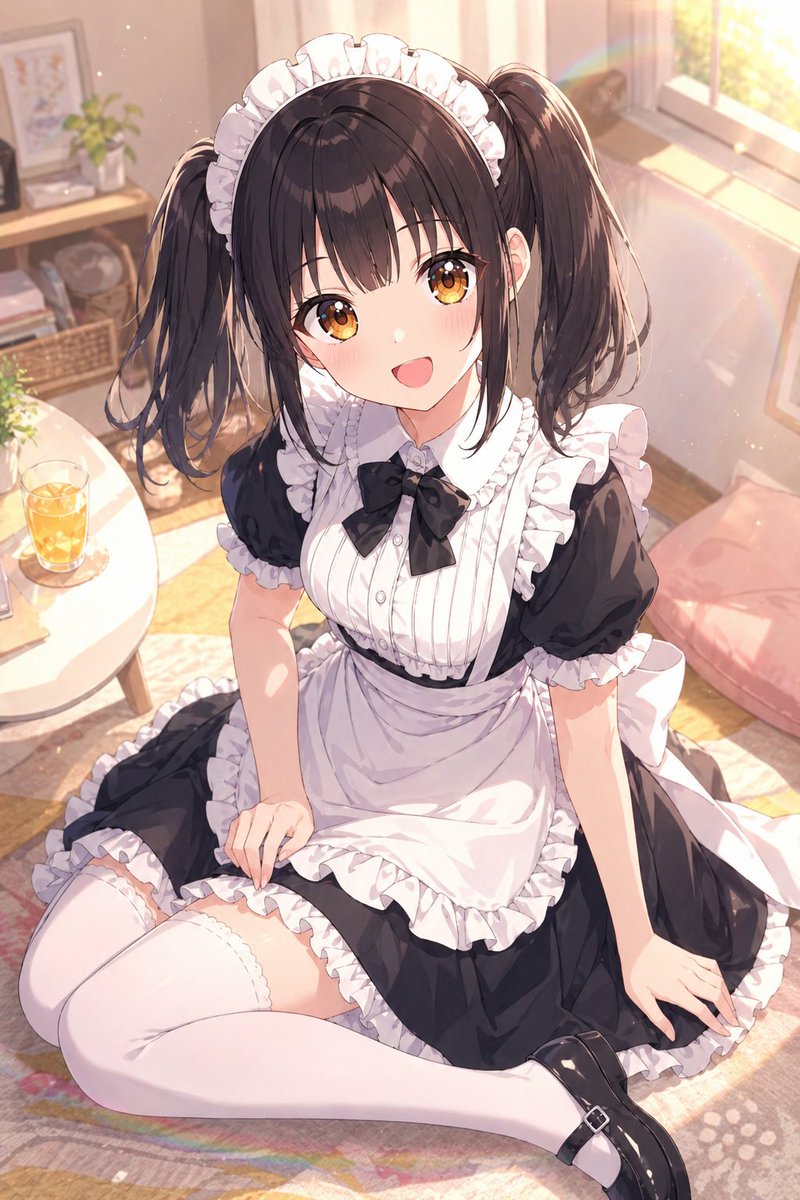
Create a polished anime-style illustration of {argument name="character name" default="a young maid girl"} sitting on a soft patterned rug in a bright, cozy living room, viewed from a high slightly overhead angle in a vertical portrait composition. She has {argument name="hair color" default="dark brown almost black"} hair in exactly 2 high twin ponytails with loose strands, wearing a classic black-and-white frilly maid outfit with exactly 7 main visible outfit elements: a white ruffled maid headband, a black puff-sleeve dress, a white pleated bib front, a large black bow at the collar, a white apron with ruffled edges, white thigh-high stockings with lace tops, and glossy black Mary Jane shoes with buckles. Her face is intentionally covered by a centered opaque square censor block in a muted brown-to-beige vertical gradient, hiding all facial features. Pose her seated demurely with knees bent, one hand resting on her skirt and one hand touching the floor, with the skirt and apron spread around her. The room should feel warm and sunlit, with golden afternoon light pouring through a window at the upper right, soft bloom, dust sparkles, and a faint rainbow lens flare. Include exactly 6 notable background props: a round white coffee table, a glass of orange drink on the table, a small book or notebook on the table, a low shelf with books and a basket, a small green potted plant, and a pink cushion or sofa at the right. Use delicate pastel colors, detailed fabric folds, soft shading, clean linework, and high-quality Japanese anime illustration aesthetics. Make the mood gentle, intimate, and cozy, with no text, no watermark, and no extra characters.