Case Media
Case Notes
This page keeps the media, full prompt, and original source together so you can inspect the result first and decide whether the prompt is worth copying, saving, or comparing.
Case Insights
To make this page easier to search, cite, and reuse later, the case is also broken down into practical guidance about usage, visual cues, and prompt structure.
Best Fit Scenarios
- Use this as a character design benchmark when you need a fast style baseline before rewriting your own prompt.
- It is especially helpful if your target overlaps with Portrait, Cinematic, Fashion and you want to judge the image result before tuning wording.
- Keep it as a control sample when you compare nearby prompt variants one variable at a time.
Visual Signals To Notice
- The clearest style signals here are Portrait, Cinematic, Fashion, so those should usually stay in your first rewrite.
- Look at silhouette, costume language, mood styling, and whether the character reads clearly at a glance.
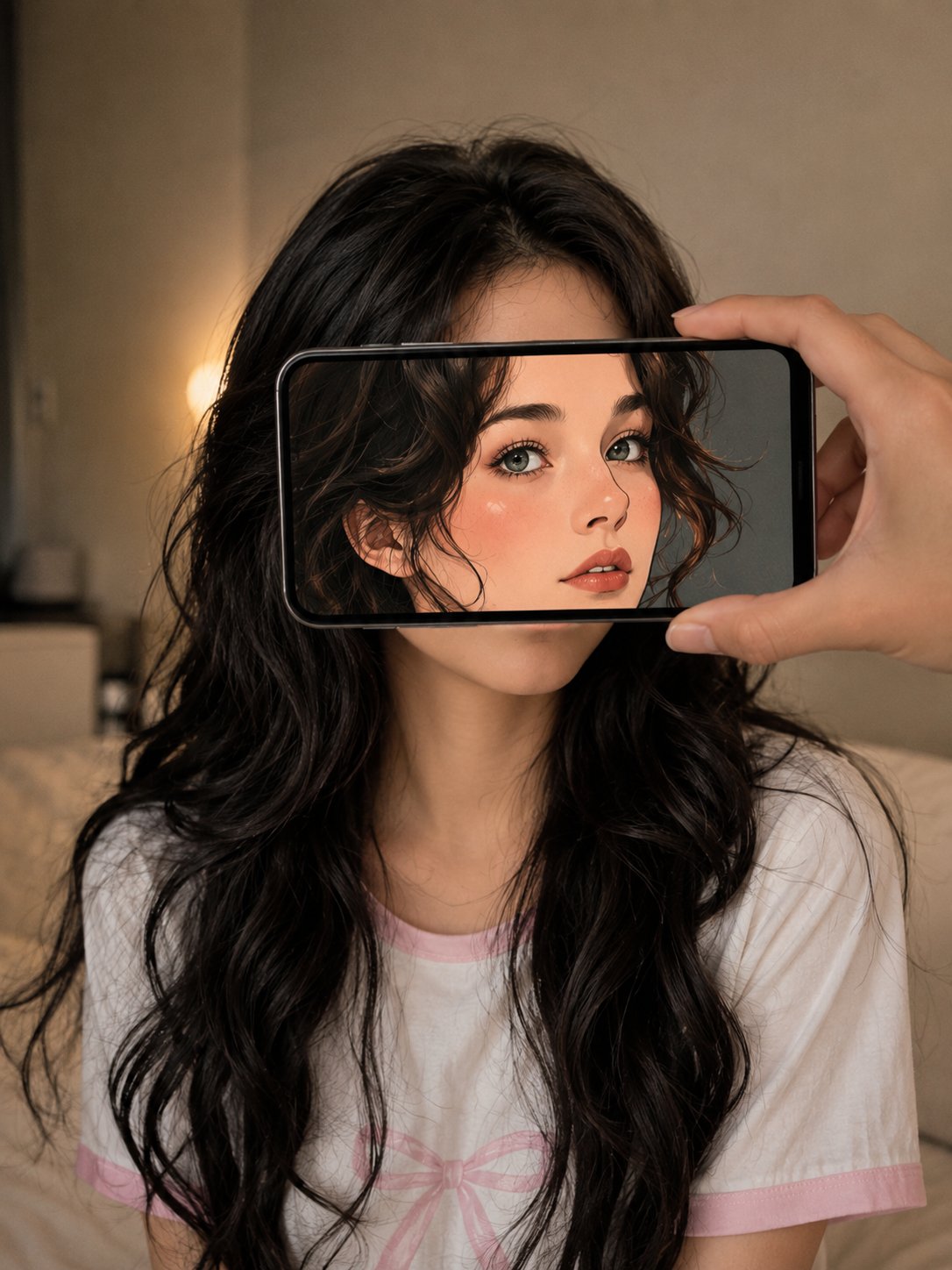
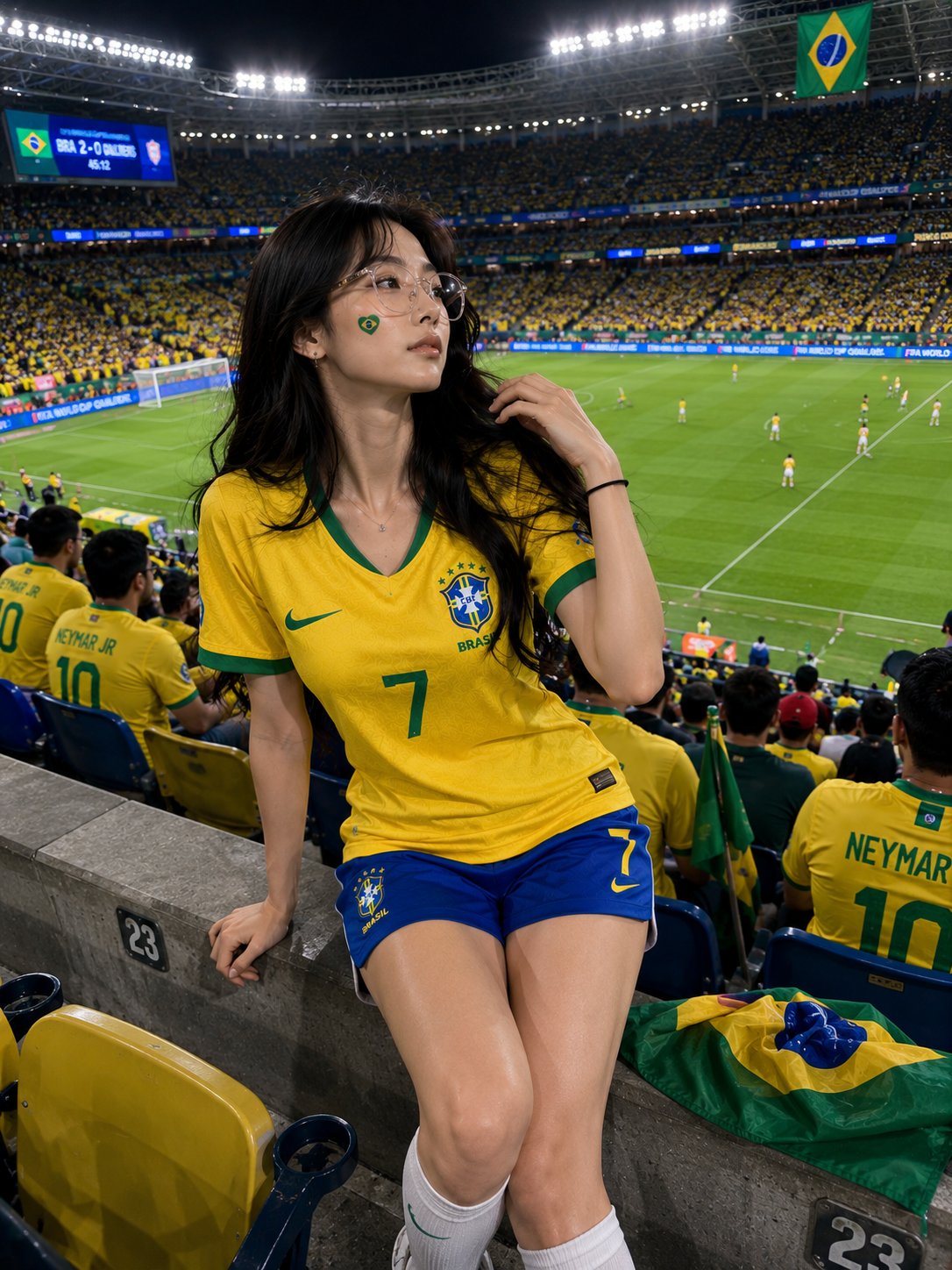
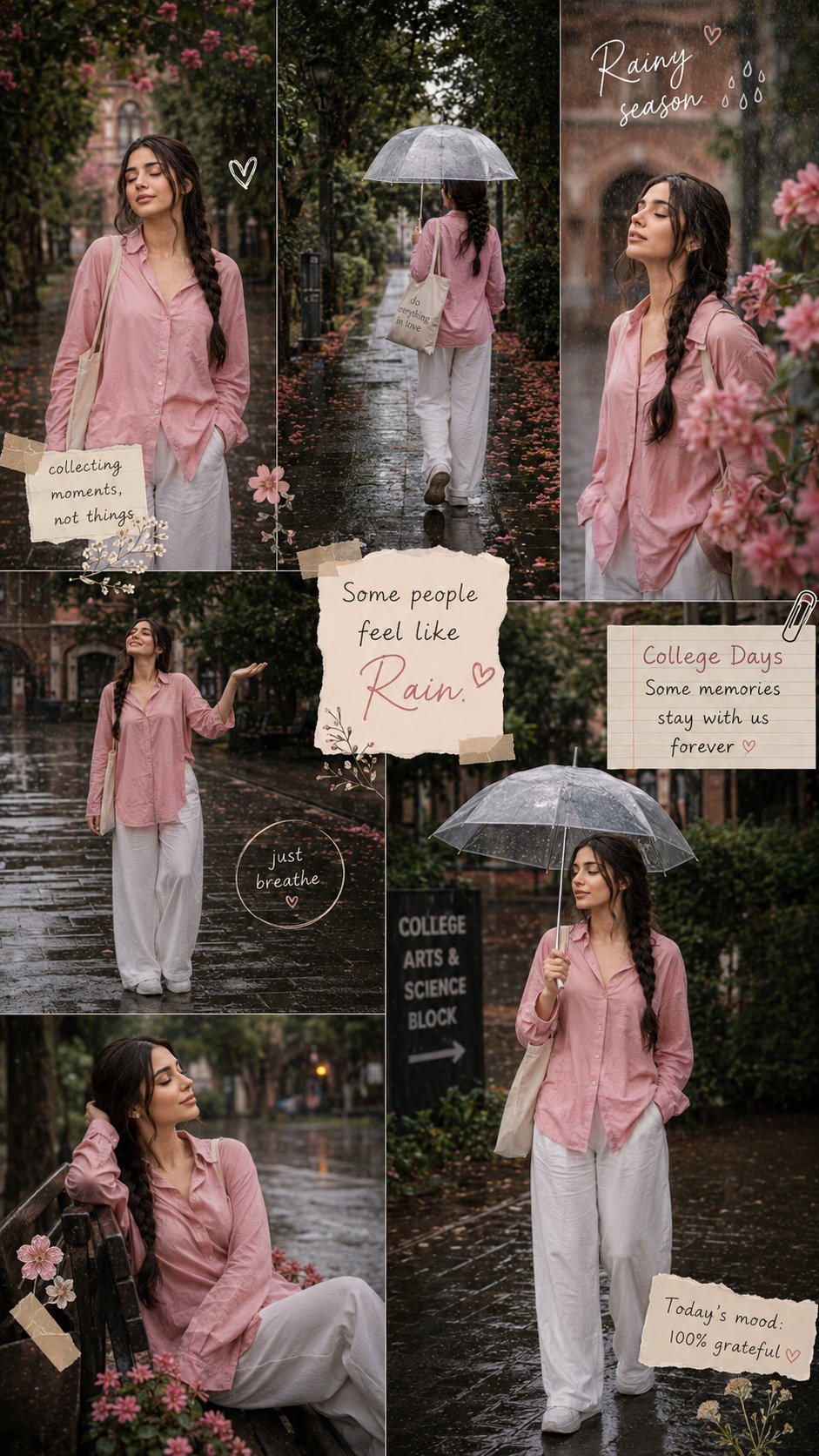
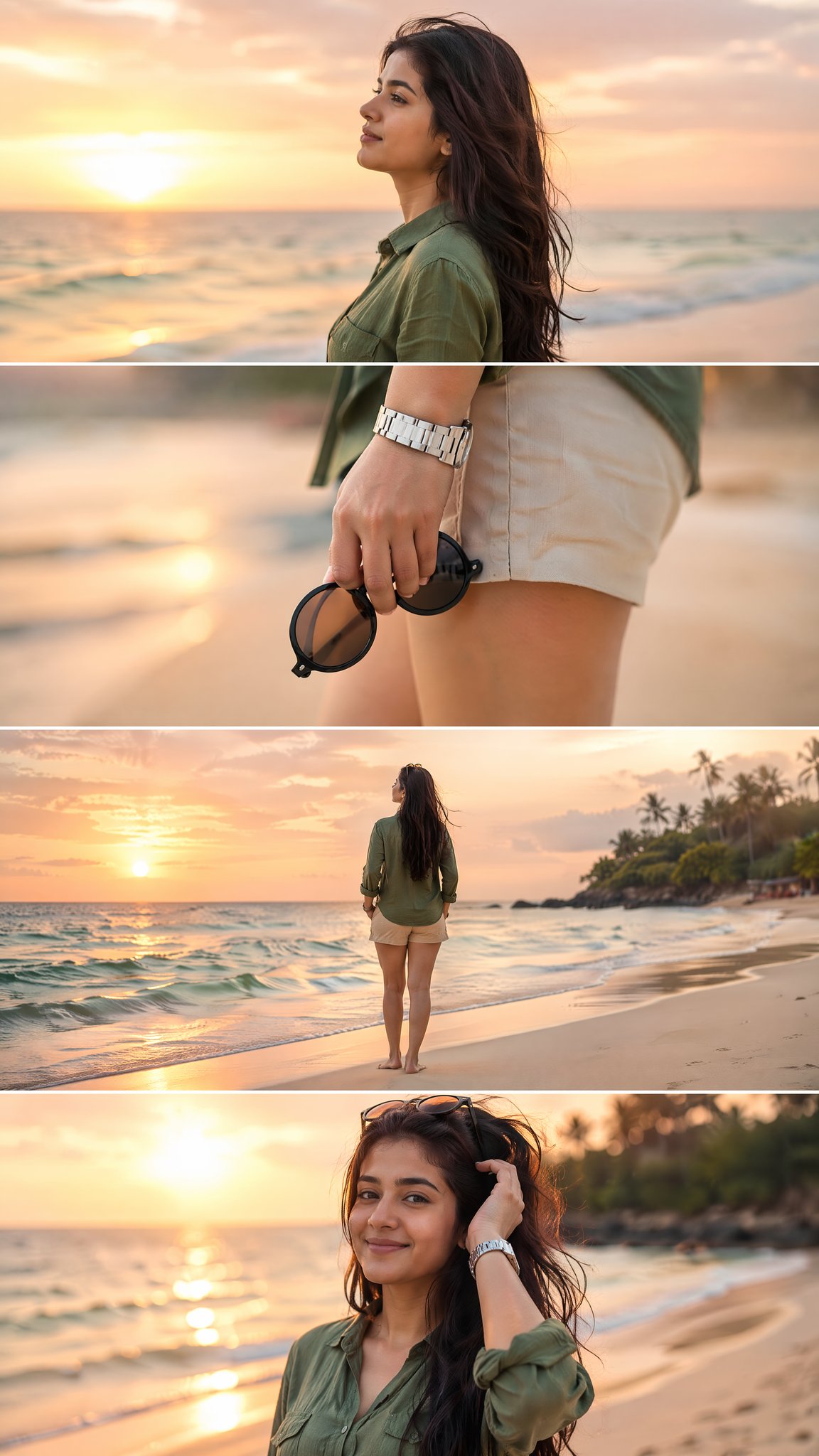
- This case keeps one primary output, so the first image should be treated as the main visual reference.
How The Prompt Is Structured
- The prompt reads as a long, highly specified prompt, which is useful when you want to judge how much specificity this direction needs.
- Its keyword cluster is centered on Portrait, Cinematic, Fashion, so you can usually keep that cluster while swapping subject, camera, layout, or copy details.
- A practical rewrite path is: keep the outcome, keep the strongest style cues, then replace only the subject and environment blocks.
Good Follow-up Questions
- What changes first if you keep Portrait, Cinematic, Fashion but switch the subject matter?
- Which part of the result comes from section-level structure (Character Design) versus tag-level style cues?
- Which related cases in the same section give you a cleaner or more extreme variation of the same direction?
Full Prompt
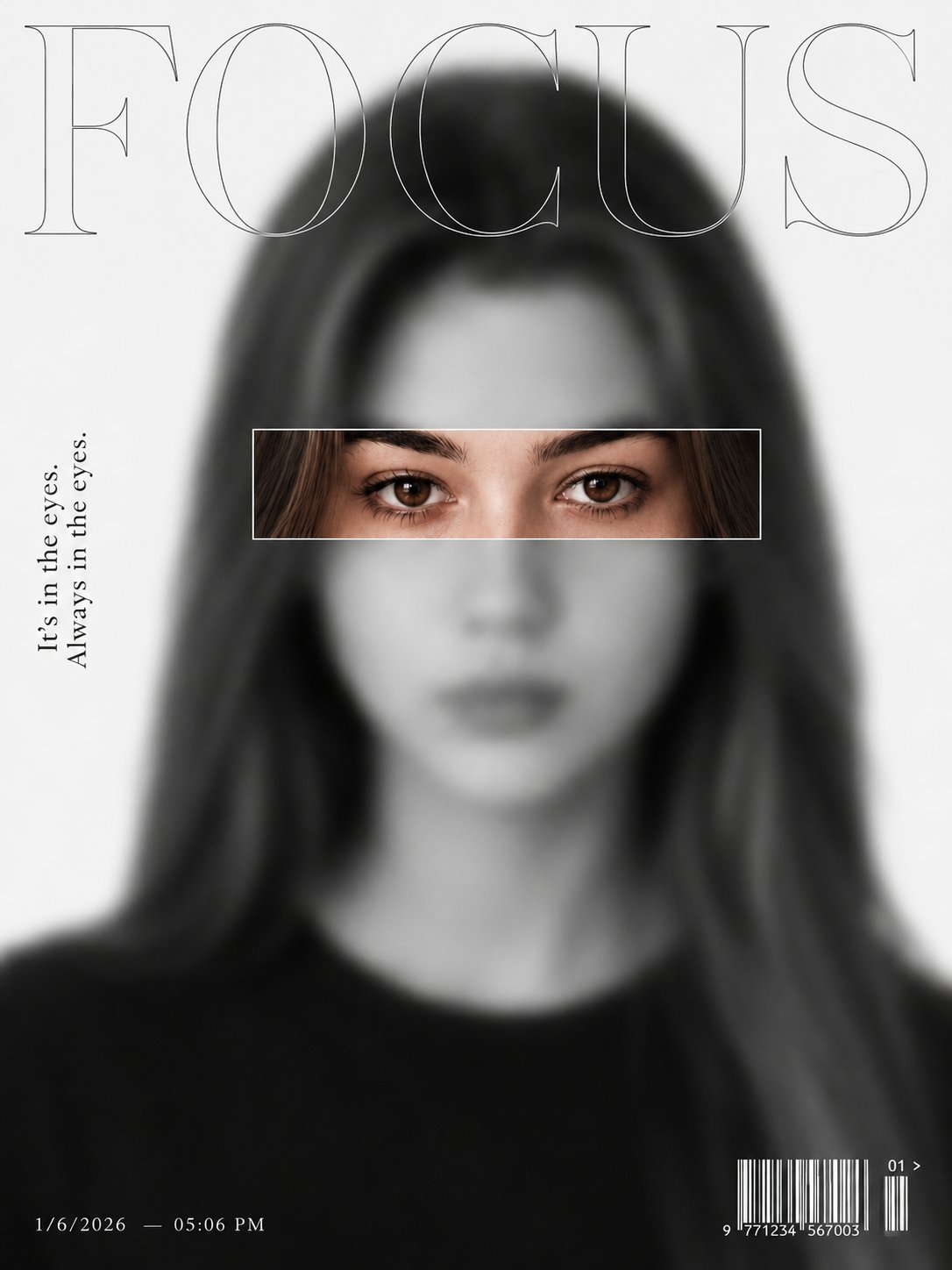
Editorial magazine cover portrait, ultra-minimalist fashion editorial design, black-and-white monochrome photography, high-contrast silver-tone grading, subject intentionally blurred and out of focus across the entire face and body, dreamy soft-focus aesthetic, smooth creamy bokeh, shallow depth of field, soft diffused studio lighting, clean "white" seamless background. A horizontal rectangular focus window centered across the eye region only, eyes displayed in razor-sharp 8K detail inside the frame, crystal-clear iris texture, tack-sharp eyelashes, extreme eye clarity, intense gaze, hyper-realistic skin texture around eyes, high micro-contrast, eyes becoming the sole focal point of the composition. Large transparent outlined only eyes should be colour. typography at top reading "FOCUS", modern luxury magazine layout, vertical editorial quote on left side reading "It's in the eyes. Always in the eyes realistic barcode at bottom right, premium Vogue-inspired cover design, minimalist graphic elements, professional typography hierarchy, Hasselblad medium-format camera, 120mm portrait lens, f/1.2 aperture, editorial fashion photography, award-winning composition, cinematic depth, masterpiece, ultra-detailed, photorealistic. NEGATIVE PROMPT fully sharp face, fully sharp image, entire face in focus, clear nose, clear mouth, clear cheeks, sharp hair, sharp ears, sharp background, deep depth of field, flat focus, everything in focus, blurry eyes, soft eyes, out-of-focus eyes, low-detail eyes, eye distortion, crossed eyes, asymmetrical eyes, duplicate eyes, bad anatomy, deformed face, warped glasses, distorted frame, cartoon, anime, CGI, 3D render, illustration, painting, doll face, plastic skin, excessive skin smoothing, over- retouched skin, beauty filter, HDR effect, oversaturated, low contrast, overexposed, blown highlights, underexposed, noise, grain, pixelation, jpeg artifacts, watermark, logo, signature, text errors, extra facial features, duplicate face, cropped eyes, cut-off focus frame, messy typography, low-resolution, low quality.