Case Media
Case Notes
This page keeps the media, full prompt, and original source together so you can inspect the result first and decide whether the prompt is worth copying, saving, or comparing.
Case Insights
To make this page easier to search, cite, and reuse later, the case is also broken down into practical guidance about usage, visual cues, and prompt structure.
Best Fit Scenarios
- Use this as a character design benchmark when you need a fast style baseline before rewriting your own prompt.
- It is especially helpful if your target overlaps with Portrait, Fashion, Character and you want to judge the image result before tuning wording.
- Keep it as a control sample when you compare nearby prompt variants one variable at a time.
Visual Signals To Notice
- The clearest style signals here are Portrait, Fashion, Character, so those should usually stay in your first rewrite.
- Look at silhouette, costume language, mood styling, and whether the character reads clearly at a glance.
- This case keeps 2 media outputs, which makes it easier to check whether the style remains stable across multiple results.
How The Prompt Is Structured
- The prompt reads as a long, highly specified prompt, which is useful when you want to judge how much specificity this direction needs.
- Its keyword cluster is centered on Portrait, Fashion, Character, so you can usually keep that cluster while swapping subject, camera, layout, or copy details.
- A practical rewrite path is: keep the outcome, keep the strongest style cues, then replace only the subject and environment blocks.
Good Follow-up Questions
- What changes first if you keep Portrait, Fashion, Character but switch the subject matter?
- Which part of the result comes from section-level structure (Character Design) versus tag-level style cues?
- Which related cases in the same section give you a cleaner or more extreme variation of the same direction?
Full Prompt
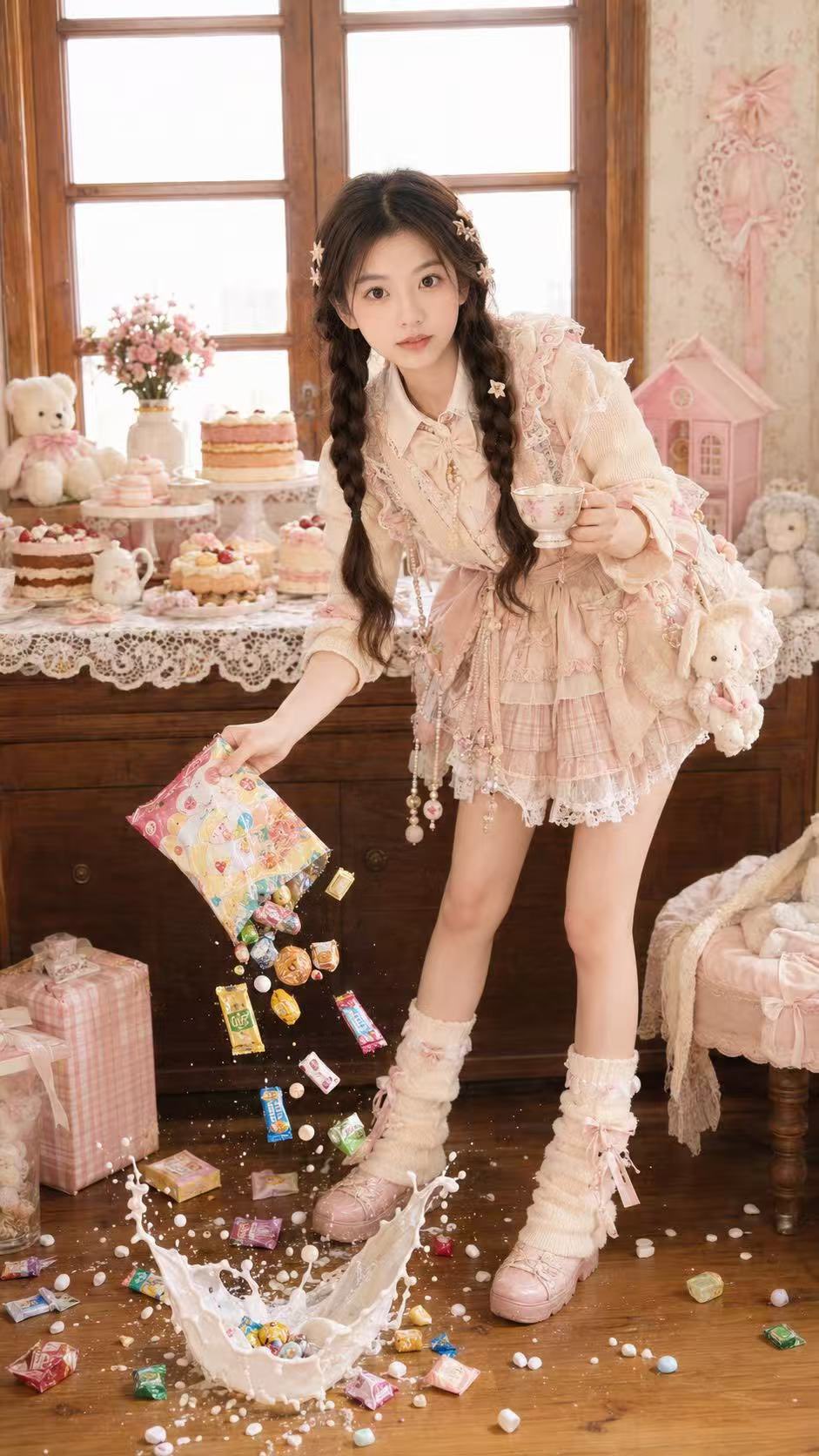
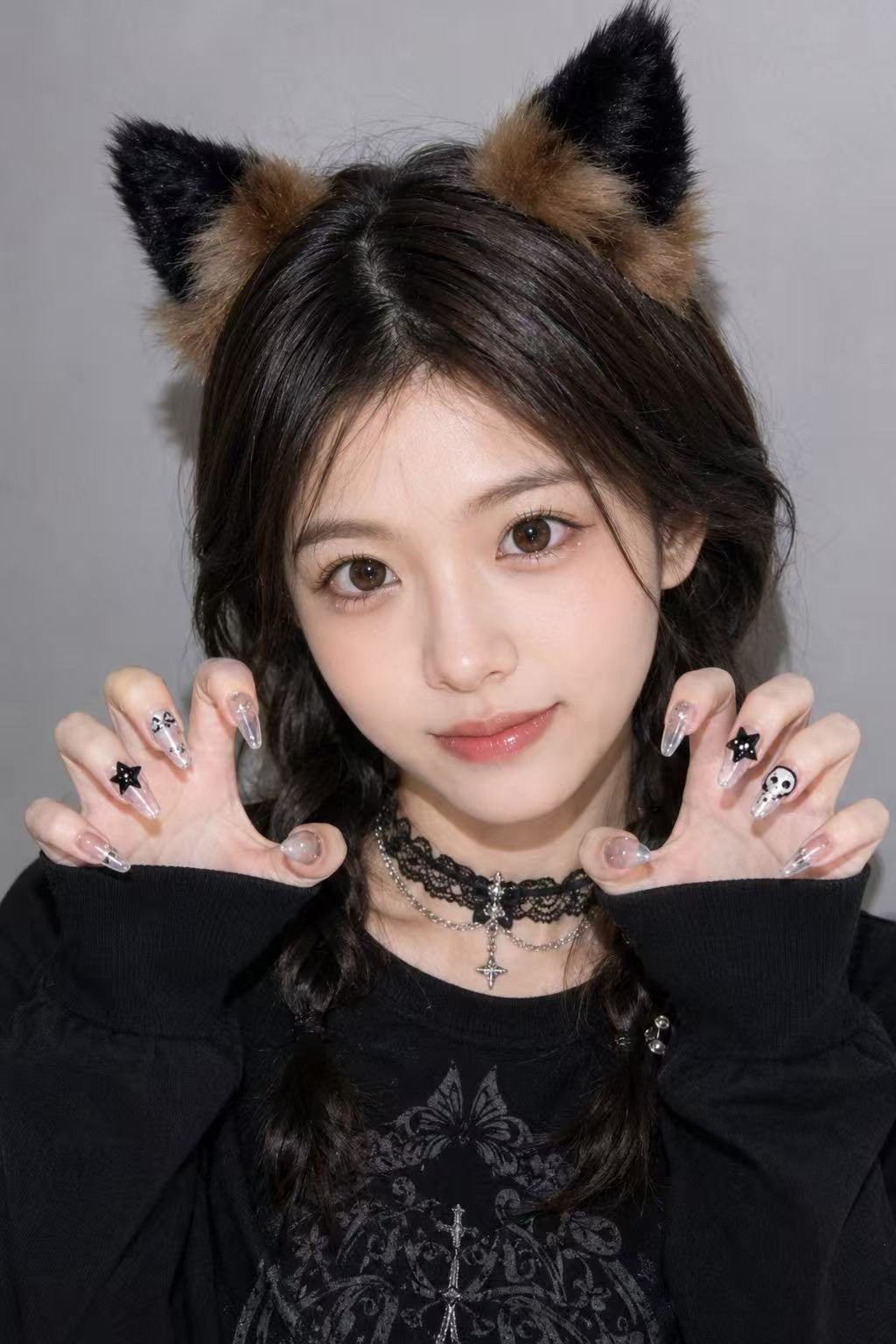
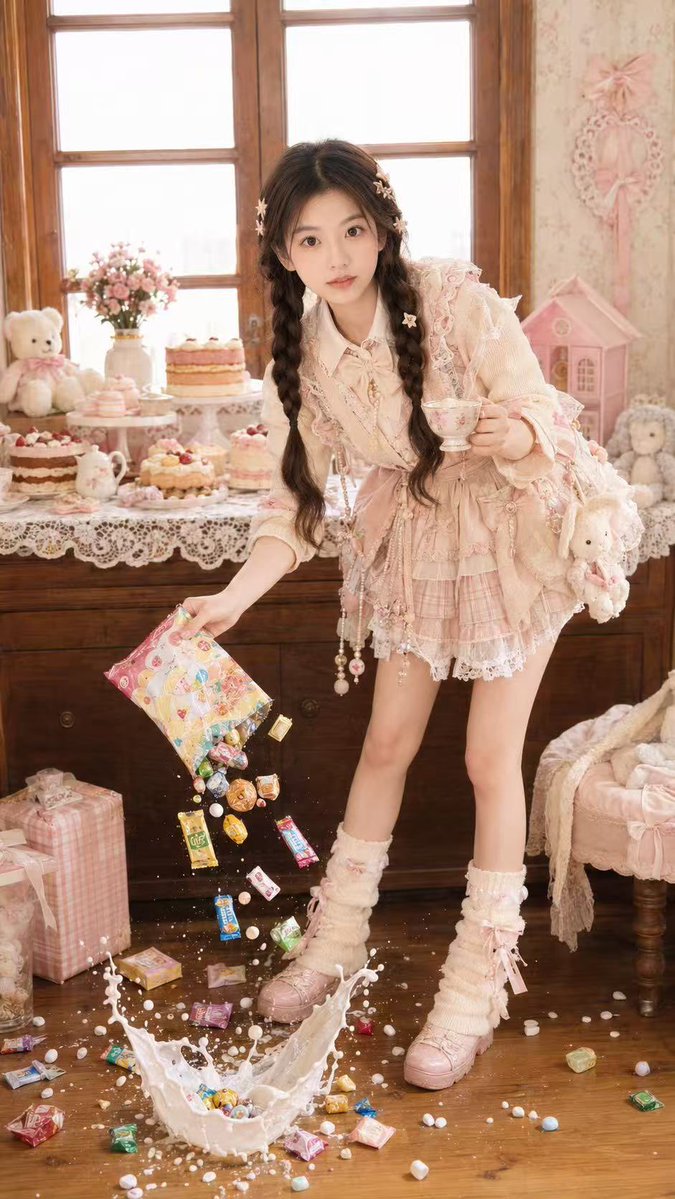
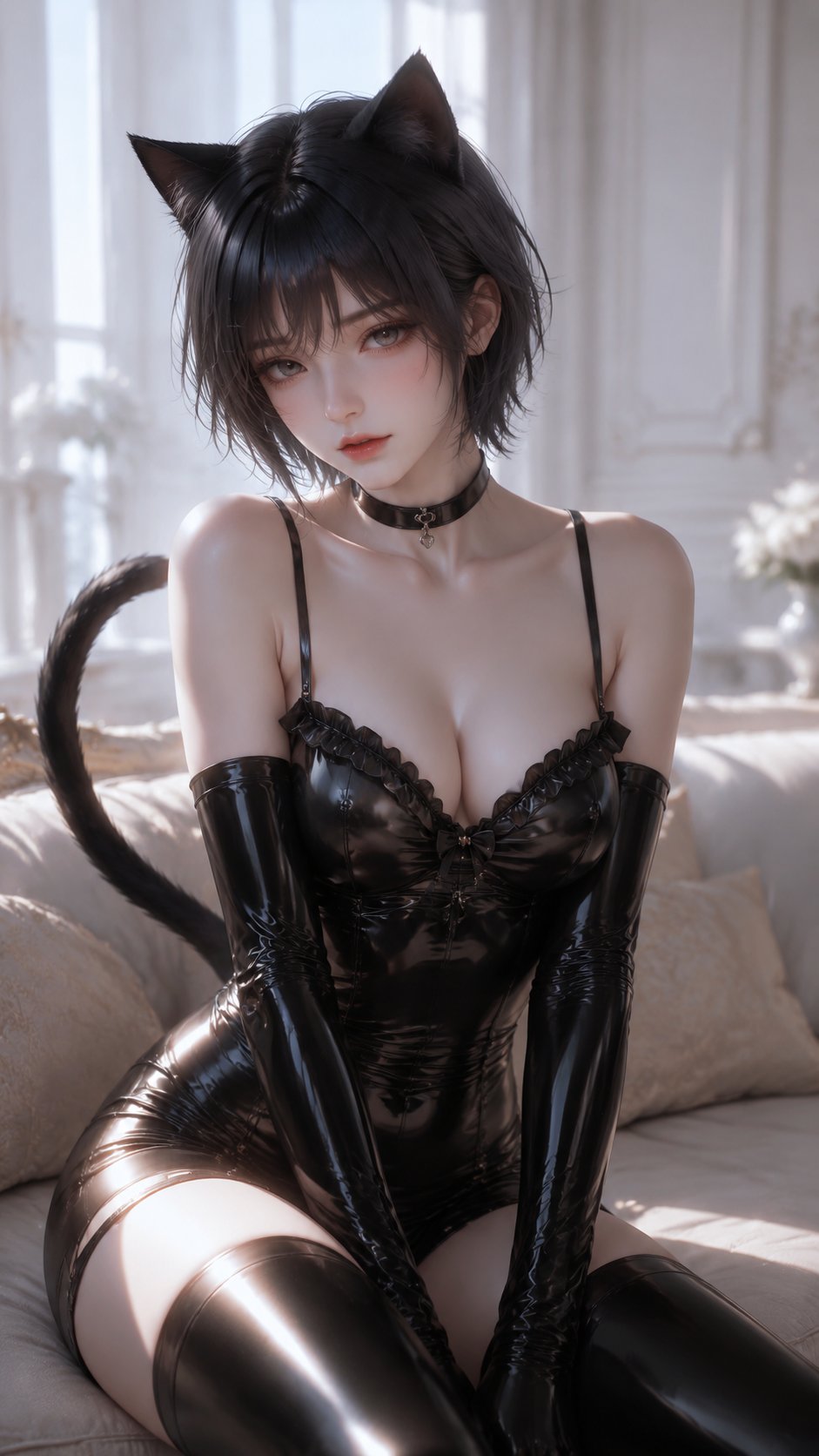
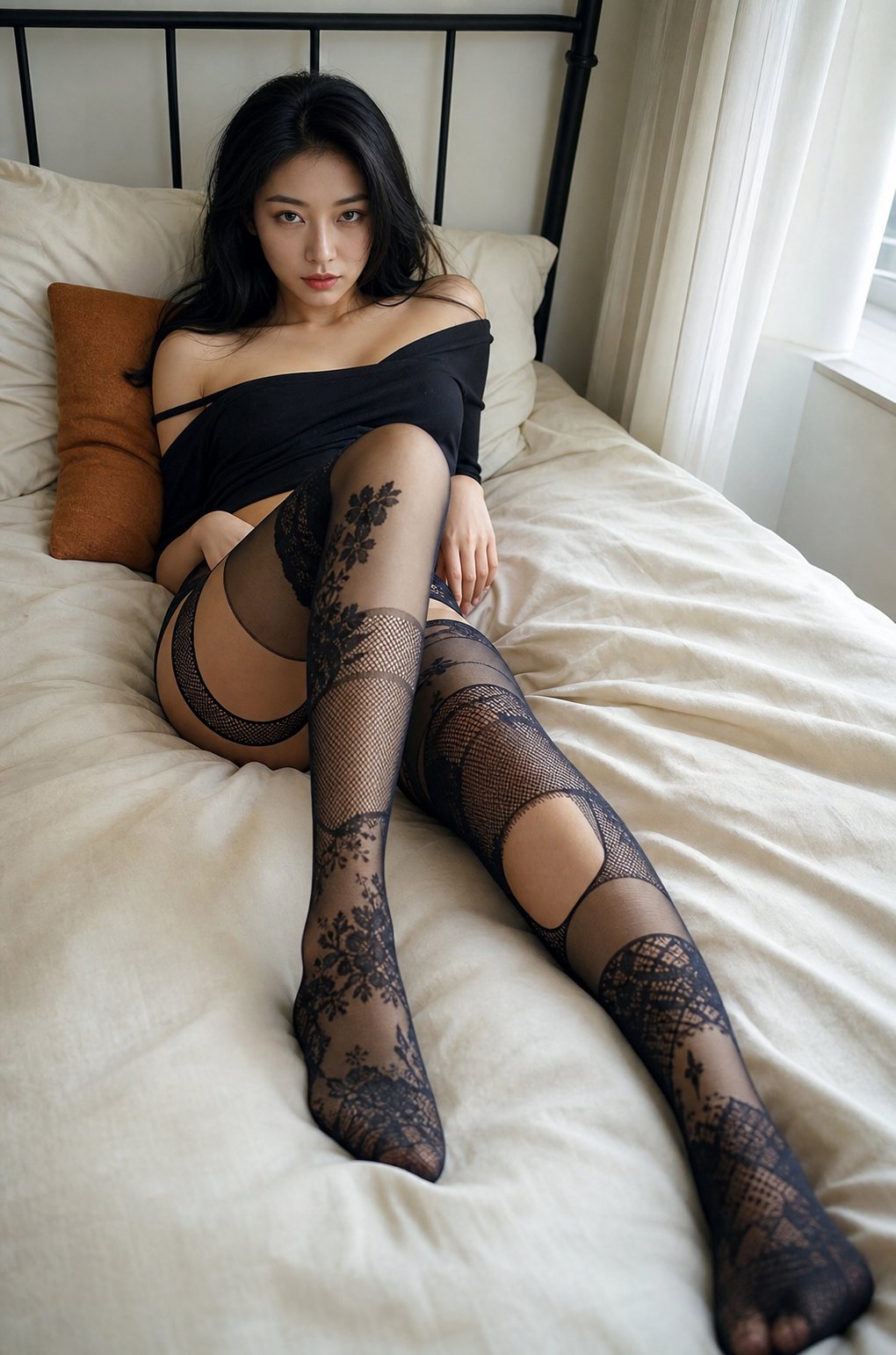
A set of high-completion, realistic style female fashion photography, unified as vertical compositions, set in real bedrooms or guesthouse spaces, with an overall quiet, restrained, and high-end atmosphere, possessing a sense of professional photography and magazines. The characters are adult Chinese models, with natural and real facial features, a cool, gentle, or mature temperament, and facial expressions with emotional tension but not overly exaggerated, emphasizing the expressiveness of eyes and posture. The core of the image is the combination of "human curves + clothing texture + natural light + real environment." The person's posture is stretched, body lines are clear, and the composition emphasizes leg proportions, shoulder and neck lines, waist curves, and overall silhouette. Clothing is mainly fashion elements such as off-the-shoulder, tube tops, light short skirts, knitwear, tulle, pantyhose or stockings, materials should be light, layered, translucent or textured, but not heavy, bulky, or cheap. The lighting is mainly natural window light, side light, or soft backlight, clearly hitting the person, highlighting skin texture, fabric reflections, and body contours, forming soft levels of light and shadow. The background remains simple, with bedding, curtains, wooden furniture, and windowsides being real elements, but not distracting from the subject. The overall effect should be like professional fashion photography works, not ordinary selfies or staged poses. The image should have memorable points, the character's state should be natural, legs clear, clothing and stockings matching with recognizability, visually unified but each image having different postures, angles, clothing, and emotional changes. No text, no watermarks, no logos, no AI plastic feel, no limb deformities, no blurred legs, no overly sexualized expressions.