Case Media
Case Notes
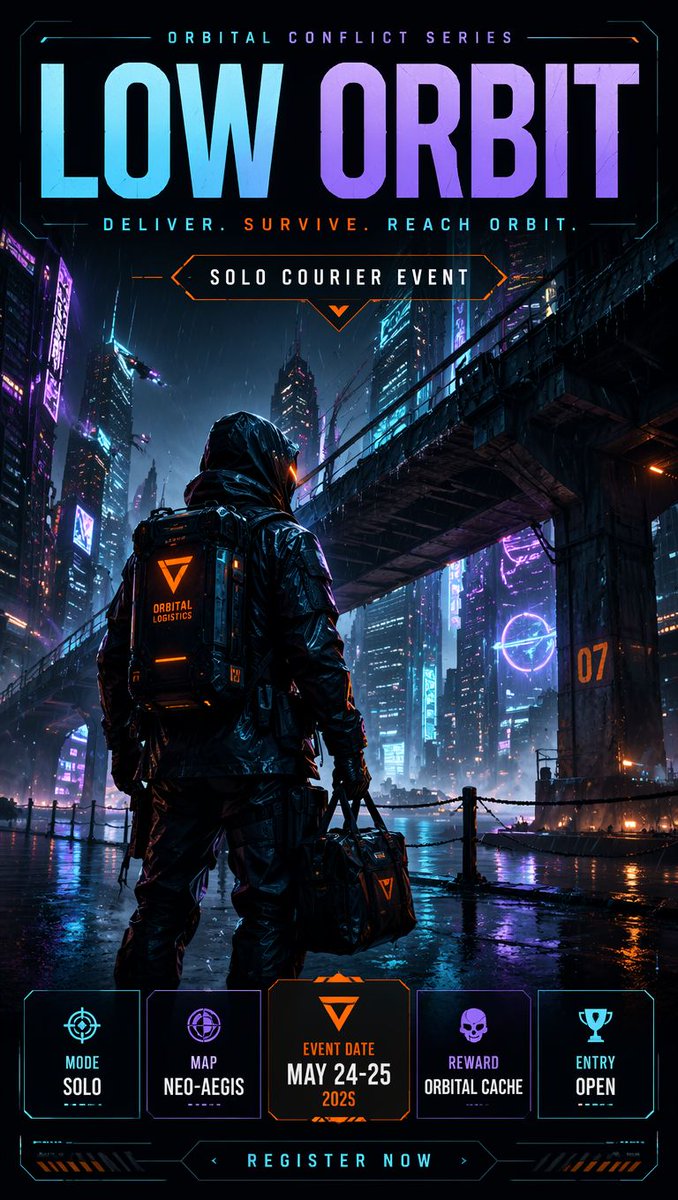
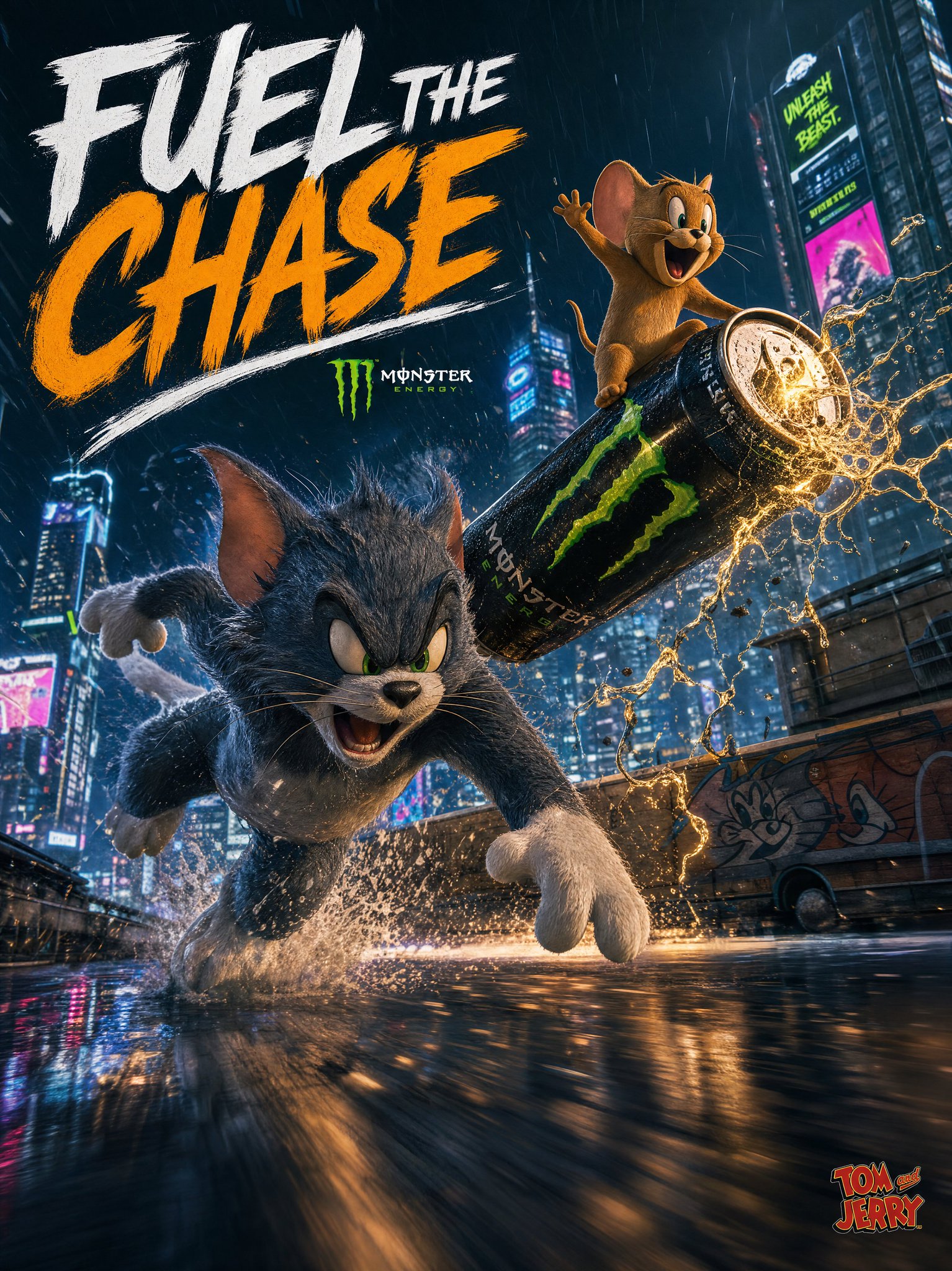
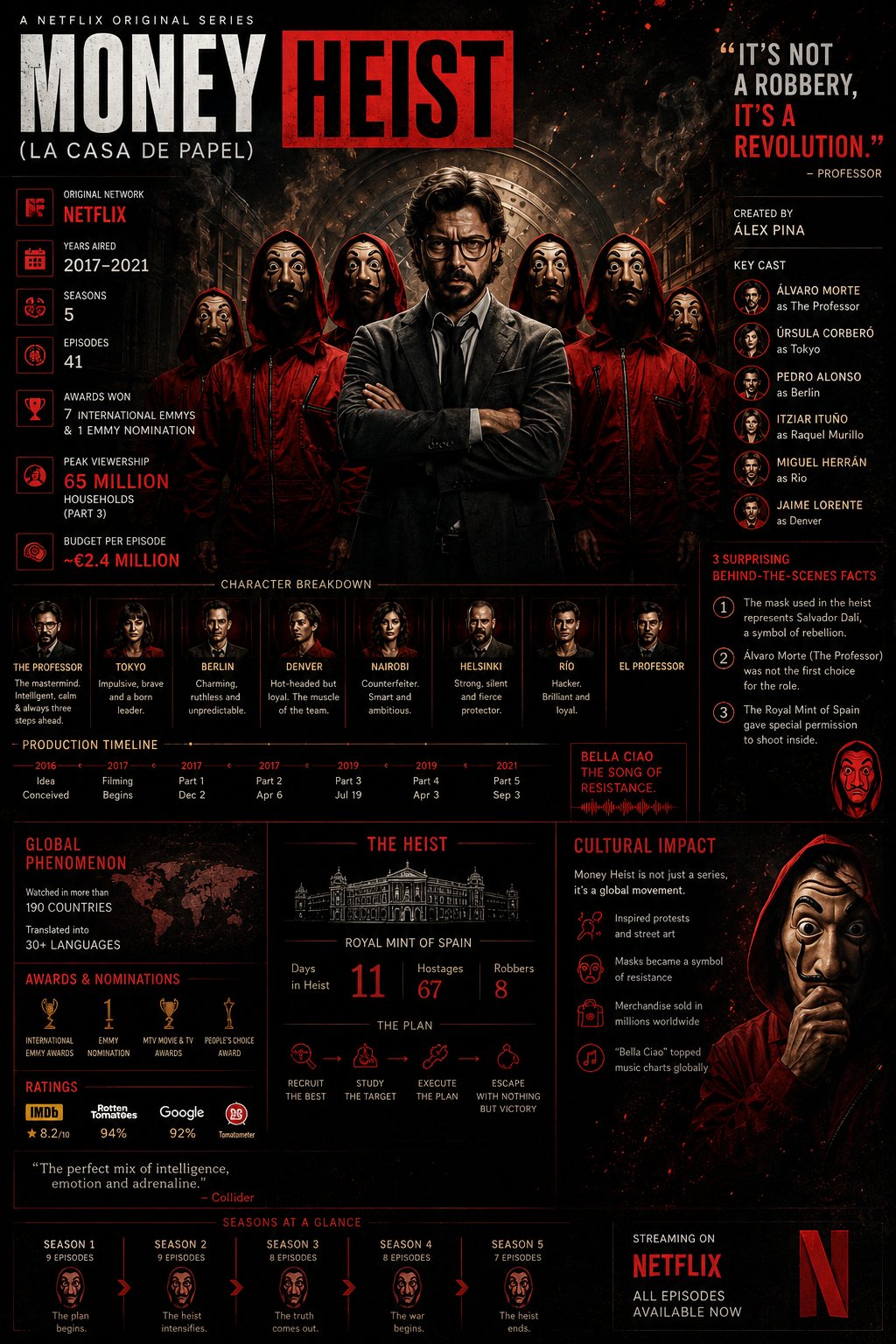
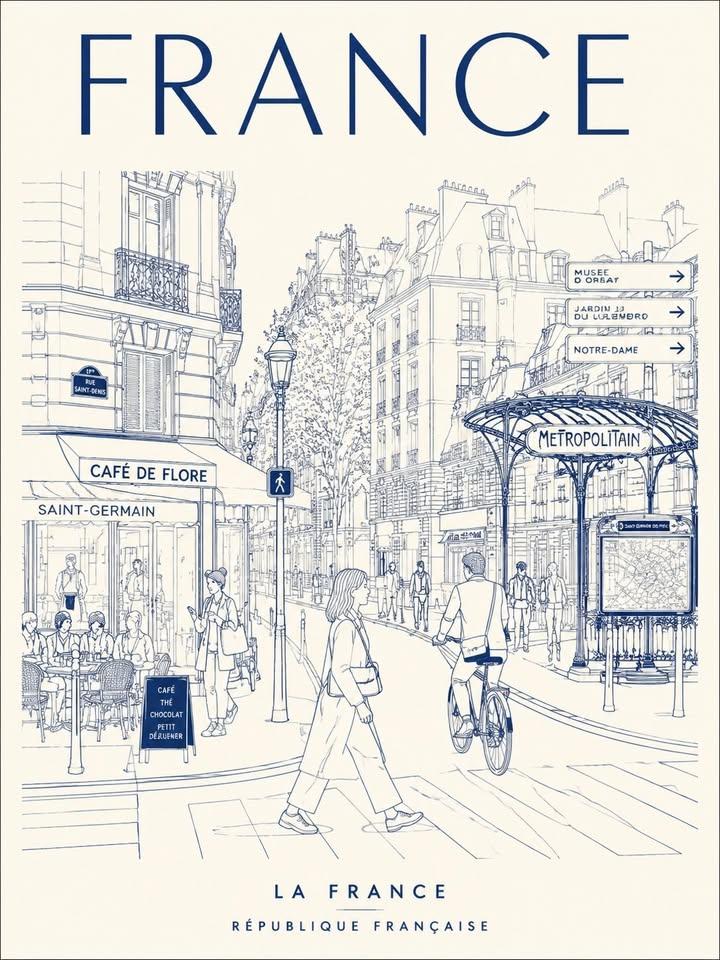
This page keeps the media, full prompt, and original source together so you can inspect the result first and decide whether the prompt is worth copying, saving, or comparing.
Case Insights
To make this page easier to search, cite, and reuse later, the case is also broken down into practical guidance about usage, visual cues, and prompt structure.
Best Fit Scenarios
- Use this as a character design benchmark when you need a fast style baseline before rewriting your own prompt.
- It is especially helpful if your target overlaps with Neon, Poster, Character and you want to judge the image result before tuning wording.
- Keep it as a control sample when you compare nearby prompt variants one variable at a time.
Visual Signals To Notice
- The clearest style signals here are Neon, Poster, Character, so those should usually stay in your first rewrite.
- Look at silhouette, costume language, mood styling, and whether the character reads clearly at a glance.
- This case keeps 2 media outputs, which makes it easier to check whether the style remains stable across multiple results.
How The Prompt Is Structured
- The prompt reads as a long, highly specified prompt, which is useful when you want to judge how much specificity this direction needs.
- Its keyword cluster is centered on Neon, Poster, Character, so you can usually keep that cluster while swapping subject, camera, layout, or copy details.
- A practical rewrite path is: keep the outcome, keep the strongest style cues, then replace only the subject and environment blocks.
Good Follow-up Questions
- What changes first if you keep Neon, Poster, Character but switch the subject matter?
- Which part of the result comes from section-level structure (Character Design) versus tag-level style cues?
- Which related cases in the same section give you a cleaner or more extreme variation of the same direction?
Full Prompt
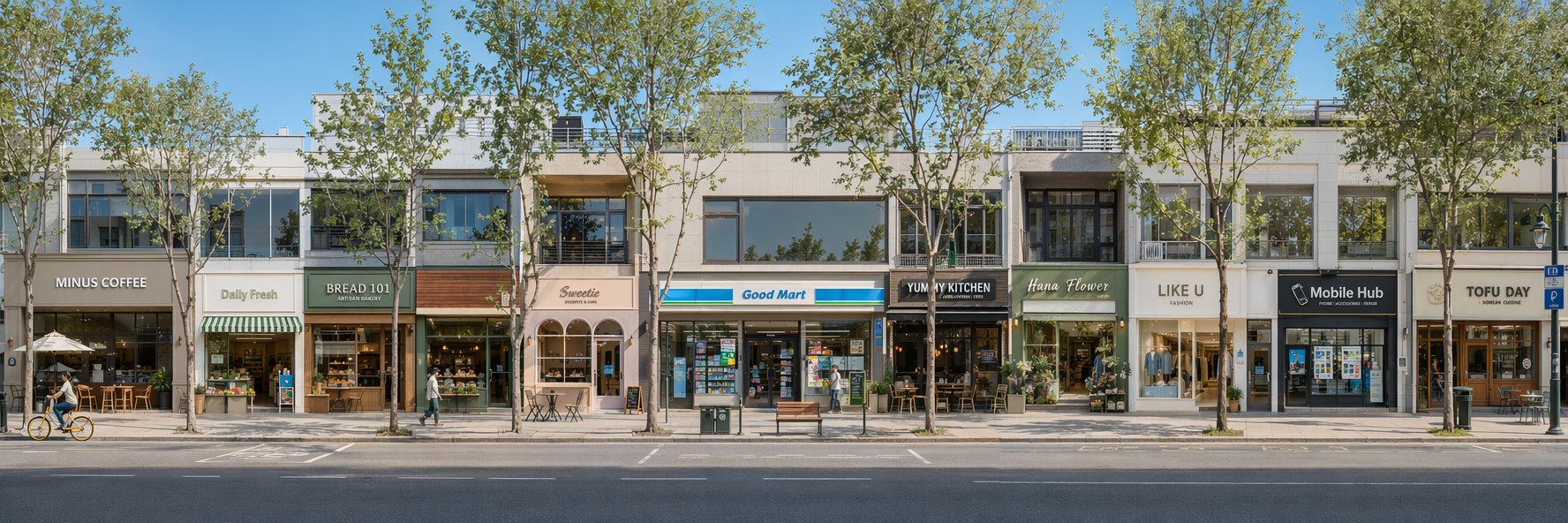
Generate an [ultra-wide continuous background scene long image], a single complete image, no collages, no multi-grids, no columns, horizontal 3:1. Scene types: [Urban street shops / Rainy night neon blocks / County town storefronts / Rural street facades] Time atmosphere: [Daytime / Afternoon / Rainy night / Night scene] Main content: [Fill in shop or building type] Image temperament: [Realistic / Continuous / Life-like / Practical] The image adopts an eye-level, frontal perspective, focusing on representing a whole row of continuously unfolding storefronts or building facades. Do not shoot at an angle, do not use strong perspective, no wide-angle distortion, do not have the street disappear into the distance, but rather like a flattened, directly facing continuous facade long image. Each storefront or building unit must be fully visible from the front, with signs, shopfronts, display windows, doors and windows, entrances, roller shutters, courtyard walls, and objects in front of the door clearly visible. Small amounts of environmental elements such as street lamps, trees, bicycles, electric bikes, tricycles, benches, and sundries can be added, as well as a very small number of tiny figures for embellishment, but the focus remains on the continuous background itself. The overall effect is like a background board for short dramas, a scene construction reference map, or a continuous environment setting scroll, highlighting the advantage of "ultra-wide horizontal image accommodating complete spatial information at once." Avoid diagonal shots, strong perspective, collage feeling, multi-grids, too many characters, poster feeling, cartoon feeling, low resolution, and extra large text titles.