Case Media
Case Notes
This page keeps the media, full prompt, and original source together so you can inspect the result first and decide whether the prompt is worth copying, saving, or comparing.
Case Insights
To make this page easier to search, cite, and reuse later, the case is also broken down into practical guidance about usage, visual cues, and prompt structure.
Best Fit Scenarios
- Use this as a character design benchmark when you need a fast style baseline before rewriting your own prompt.
- It is especially helpful if your target overlaps with Illustration, Character, Anime and you want to judge the image result before tuning wording.
- Keep it as a control sample when you compare nearby prompt variants one variable at a time.
Visual Signals To Notice
- The clearest style signals here are Illustration, Character, Anime, so those should usually stay in your first rewrite.
- Look at silhouette, costume language, mood styling, and whether the character reads clearly at a glance.
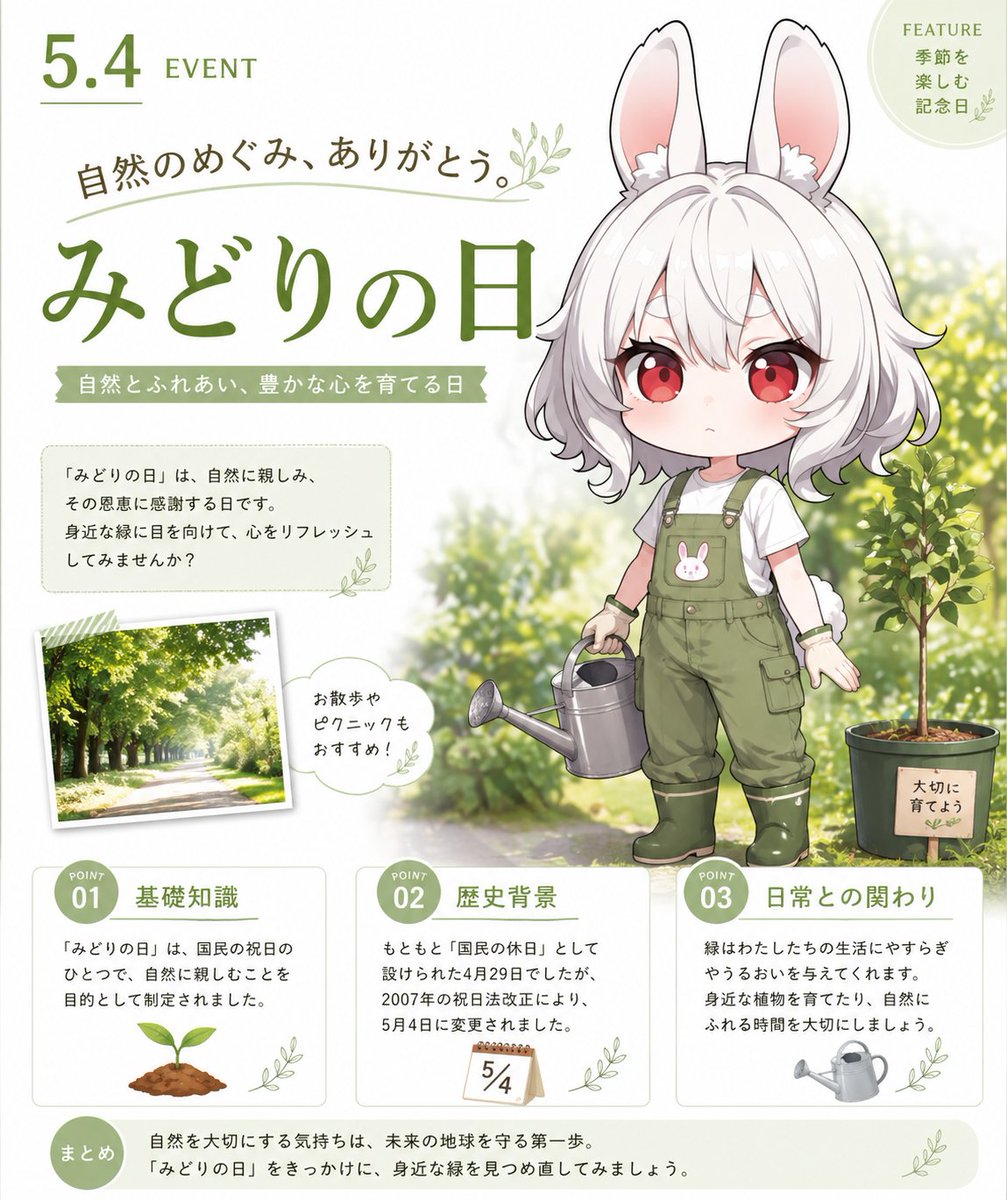
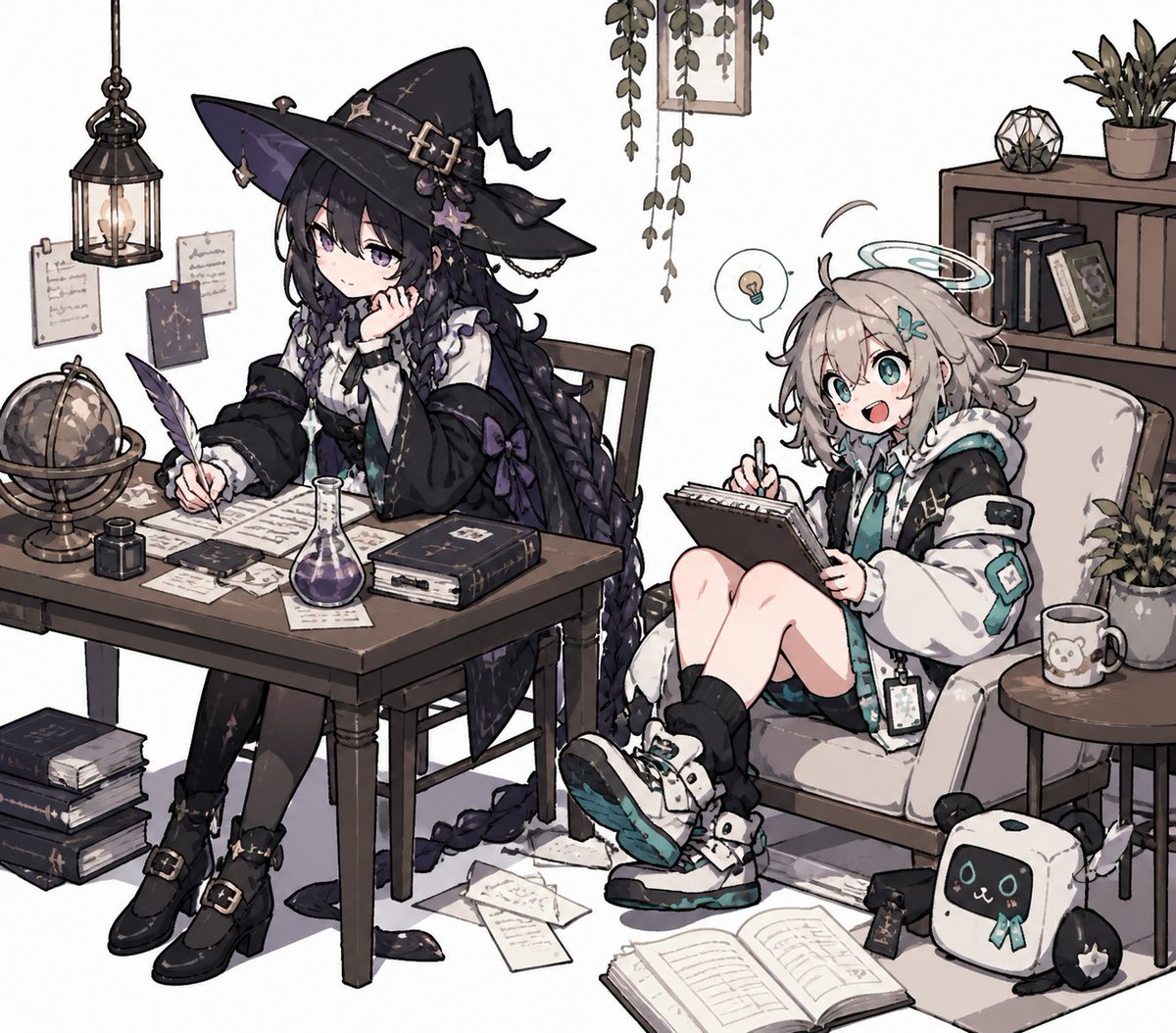
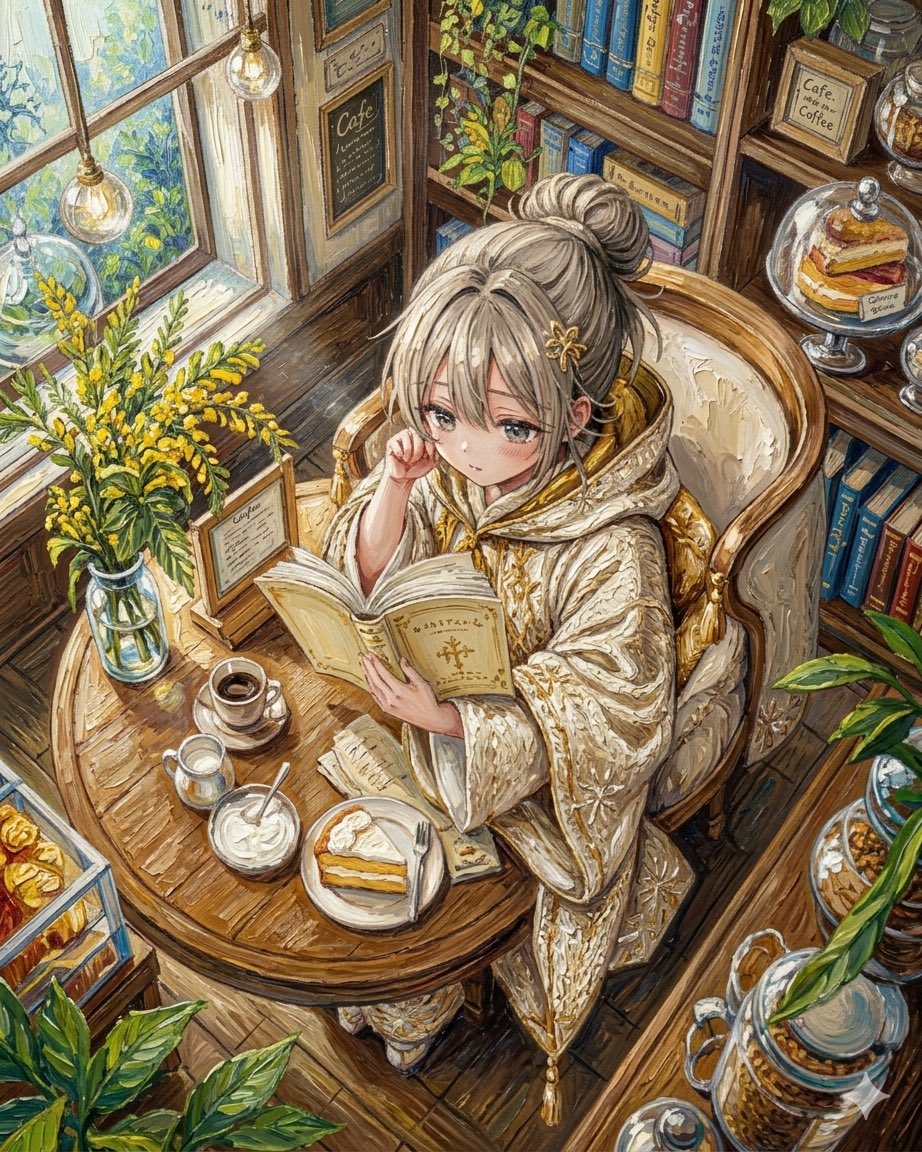
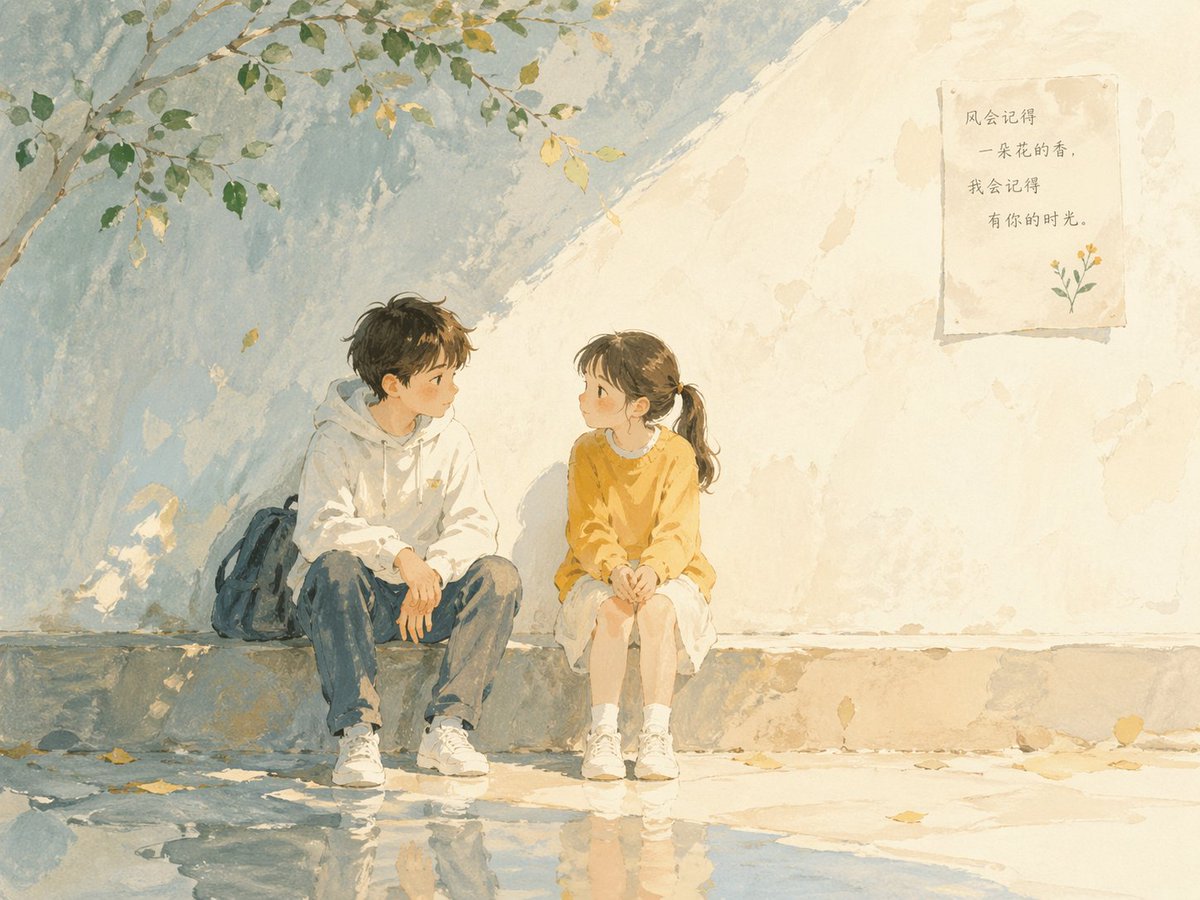
- This case keeps one primary output, so the first image should be treated as the main visual reference.
How The Prompt Is Structured
- The prompt reads as a long, highly specified prompt, which is useful when you want to judge how much specificity this direction needs.
- Its keyword cluster is centered on Illustration, Character, Anime, so you can usually keep that cluster while swapping subject, camera, layout, or copy details.
- A practical rewrite path is: keep the outcome, keep the strongest style cues, then replace only the subject and environment blocks.
Good Follow-up Questions
- What changes first if you keep Illustration, Character, Anime but switch the subject matter?
- Which part of the result comes from section-level structure (Character Design) versus tag-level style cues?
- Which related cases in the same section give you a cleaner or more extreme variation of the same direction?
Full Prompt
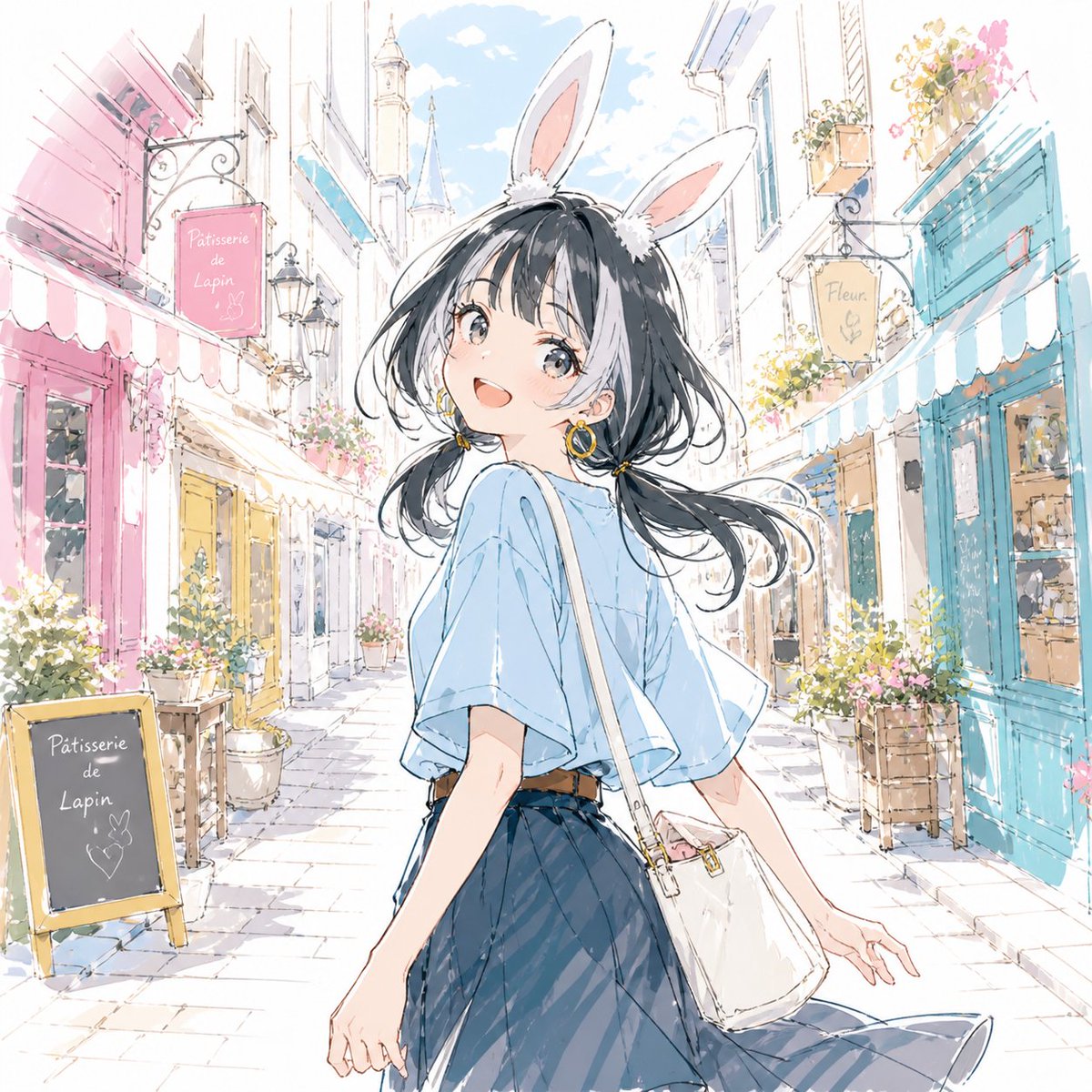
Create a bright pastel anime watercolor illustration of {argument name="character description" default="a young girl with long flowing black hair"} walking through a charming European-style shopping street on a sunny day, seen from a rear three-quarter angle as she turns back toward the viewer. She wears tall white rabbit ears with pink inner ears, a loose pale blue short-sleeve blouse, a dark navy pleated skirt, and a small white shoulder bag with a thin strap crossing her body; her hair is windblown with soft strands and tied low at one side with a small yellow ribbon. Her face is intentionally obscured by a centered flat square gray-beige censor block. The setting is a narrow cobblestone pedestrian lane lined with pastel storefronts, flower boxes, potted plants, wrought-iron sign brackets, awnings, and distant light-blue rooftops under a soft sky. Include exactly 3 readable shop signs: a pink hanging sign on the left reading {argument name="left shop sign" default="Pâtisserie de Lapin"}, a chalkboard sandwich sign on the lower left also reading {argument name="chalkboard sign" default="Pâtisserie de Lapin"} with a small bunny doodle, and a yellow hanging sign on the right reading {argument name="right shop sign" default="Fleur"}. Use delicate ink linework, airy white highlights, loose watercolor washes, pastel pink and turquoise storefronts, sparkling spring atmosphere, high-key lighting, dreamy niji-style anime illustration, detailed but soft background, no photorealism.