Case Media
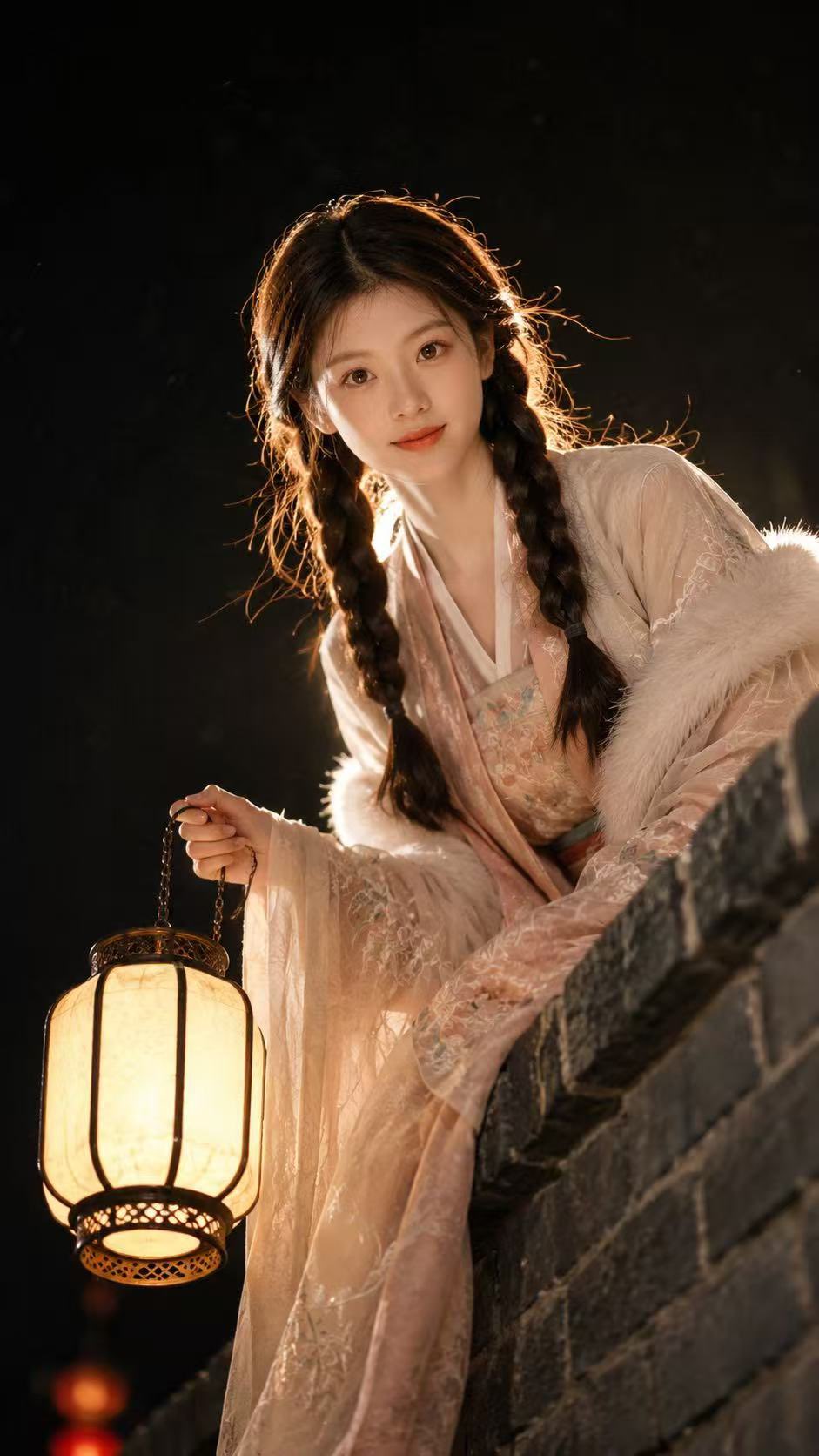
Case Notes
This page keeps the media, full prompt, and original source together so you can inspect the result first and decide whether the prompt is worth copying, saving, or comparing.
Case Insights
To make this page easier to search, cite, and reuse later, the case is also broken down into practical guidance about usage, visual cues, and prompt structure.
Best Fit Scenarios
- Use this as a character design benchmark when you need a fast style baseline before rewriting your own prompt.
- It is especially helpful if your target overlaps with Portrait, Cinematic, Illustration and you want to judge the image result before tuning wording.
- Keep it as a control sample when you compare nearby prompt variants one variable at a time.
Visual Signals To Notice
- The clearest style signals here are Portrait, Cinematic, Illustration, so those should usually stay in your first rewrite.
- Look at silhouette, costume language, mood styling, and whether the character reads clearly at a glance.
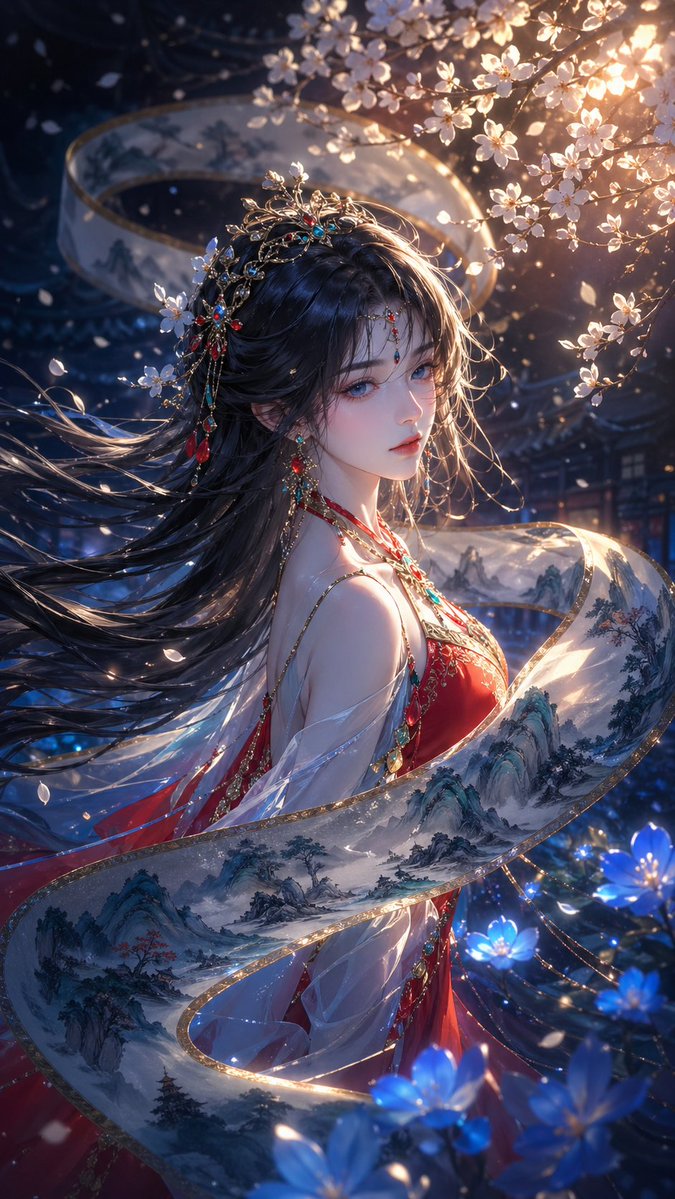
- This case keeps one primary output, so the first image should be treated as the main visual reference.
How The Prompt Is Structured
- The prompt reads as a long, highly specified prompt, which is useful when you want to judge how much specificity this direction needs.
- Its keyword cluster is centered on Portrait, Cinematic, Illustration, so you can usually keep that cluster while swapping subject, camera, layout, or copy details.
- A practical rewrite path is: keep the outcome, keep the strongest style cues, then replace only the subject and environment blocks.
Good Follow-up Questions
- What changes first if you keep Portrait, Cinematic, Illustration but switch the subject matter?
- Which part of the result comes from section-level structure (Character Design) versus tag-level style cues?
- Which related cases in the same section give you a cleaner or more extreme variation of the same direction?
Full Prompt
Use the uploaded portrait only as the identity reference. Preserve the person’s real facial features, face shape, skin tone, eye shape, nose, lips, jawline, natural facial asymmetry, and recognizable hairstyle. Create an ultra-realistic cinematic ancient Chinese fantasy night portrait of the same person, shot from a low angle beside an old stone wall. The person leans slightly over the wall and looks down toward the camera with a calm, mysterious, elegant expression. One hand naturally holds a warm glowing traditional paper lantern, casting soft golden light onto the face, hands, sleeves, and nearby stones. Style the person in a refined ancient Chinese inspired outfit chosen to best match the uploaded face and hairstyle, elegant but not identical to any reference: soft layered silk fabric, delicate embroidery, flowing translucent sleeves, subtle fur or textured shoulder detail if suitable, graceful accessories, premium historical fantasy styling. Keep the clothing tasteful, cinematic, and visually rich. Scene: dark night background, old stone architecture, faint mist, wind blowing loose hair strands naturally, dramatic rim light from behind, warm lantern glow in the foreground, strong contrast between golden light and deep shadows. Use realistic photography, natural skin texture, visible pores, believable hands and fingers, realistic fabric movement, cinematic depth of field, high-end movie still quality, sharp face details, no artificial doll-like skin. Vertical composition, 9:16, low-angle close-medium portrait, lantern in the lower foreground, stone wall leading lines, dramatic night atmosphere, ultra-realistic, DSLR photo quality. Negative Prompt: watermark, logo, text, signature, AI generated mark, extra fingers, deformed hands, broken fingers, unnatural wrist, bad anatomy, fake face, plastic skin, over-smoothed skin, doll-like face, anime, illustration, cartoon, low resolution, blurry face, distorted eyes, duplicate person, messy composition, overexposed face, harsh beauty filter, modern clothes, wrong hairstyle, copied outfit, cheap costume, flat lighting.