Case Media
Case Notes
This page keeps the media, full prompt, and original source together so you can inspect the result first and decide whether the prompt is worth copying, saving, or comparing.
Case Insights
To make this page easier to search, cite, and reuse later, the case is also broken down into practical guidance about usage, visual cues, and prompt structure.
Best Fit Scenarios
- Use this as a character design benchmark when you need a fast style baseline before rewriting your own prompt.
- It is especially helpful if your target overlaps with Portrait, Illustration, Character and you want to judge the image result before tuning wording.
- Keep it as a control sample when you compare nearby prompt variants one variable at a time.
Visual Signals To Notice
- The clearest style signals here are Portrait, Illustration, Character, so those should usually stay in your first rewrite.
- Look at silhouette, costume language, mood styling, and whether the character reads clearly at a glance.
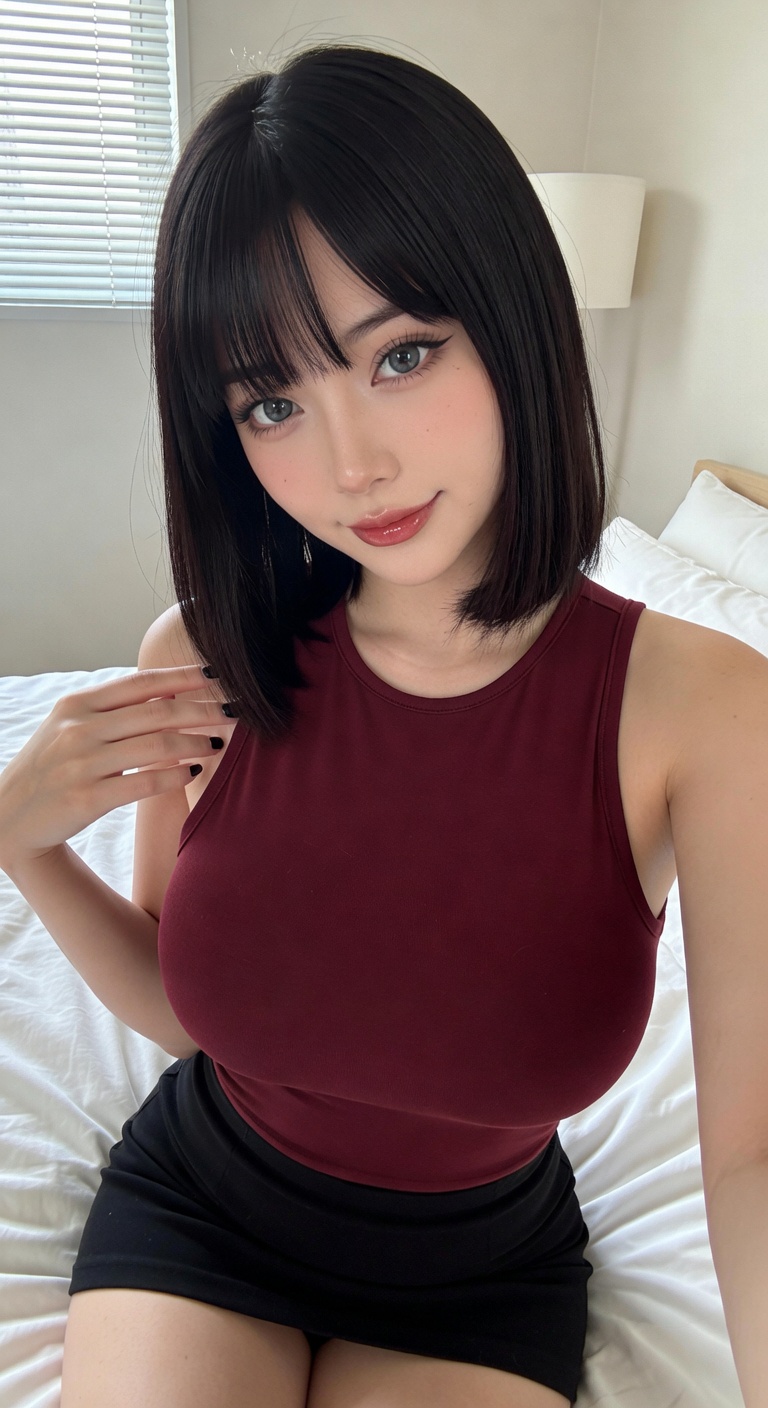
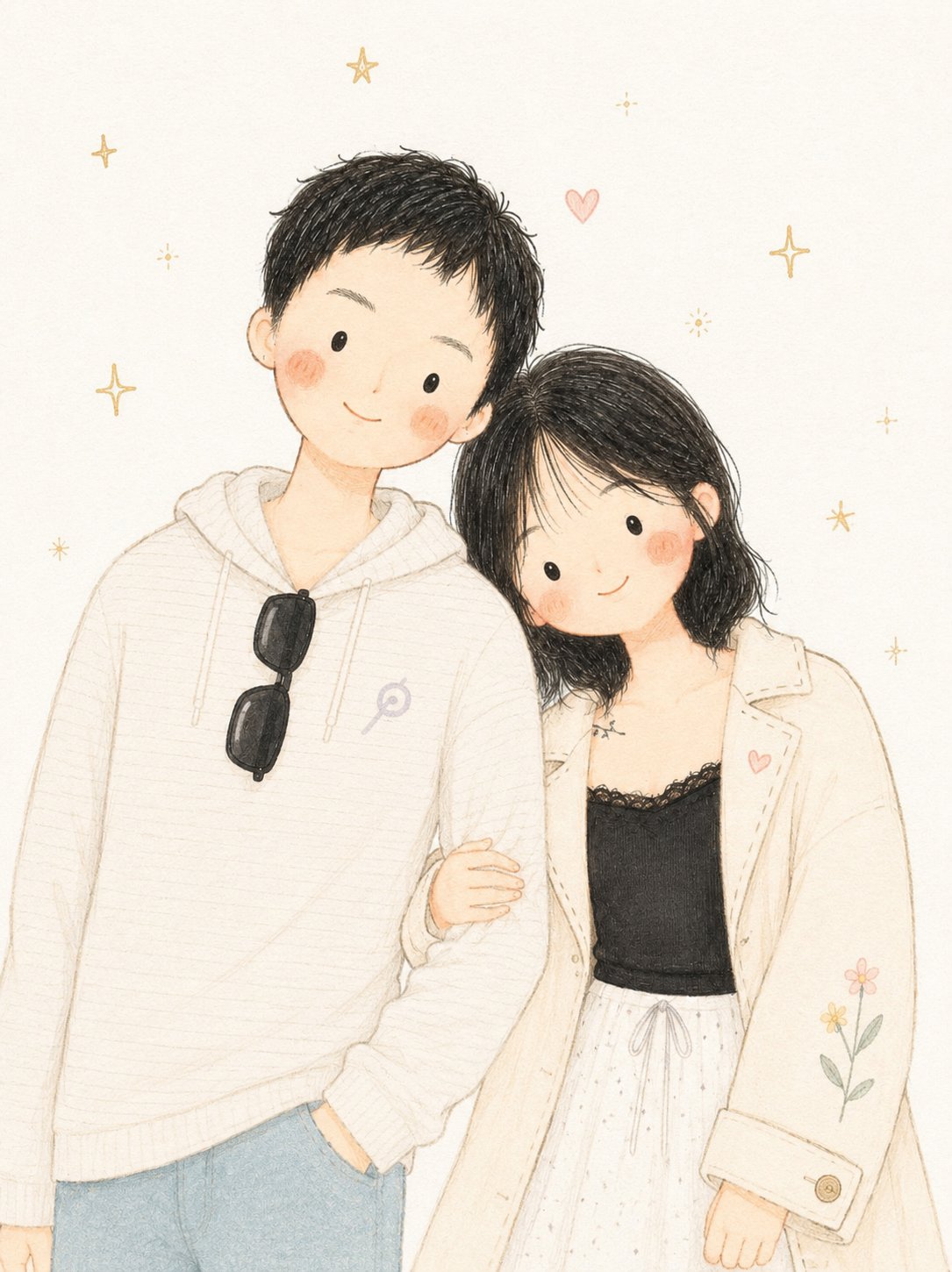
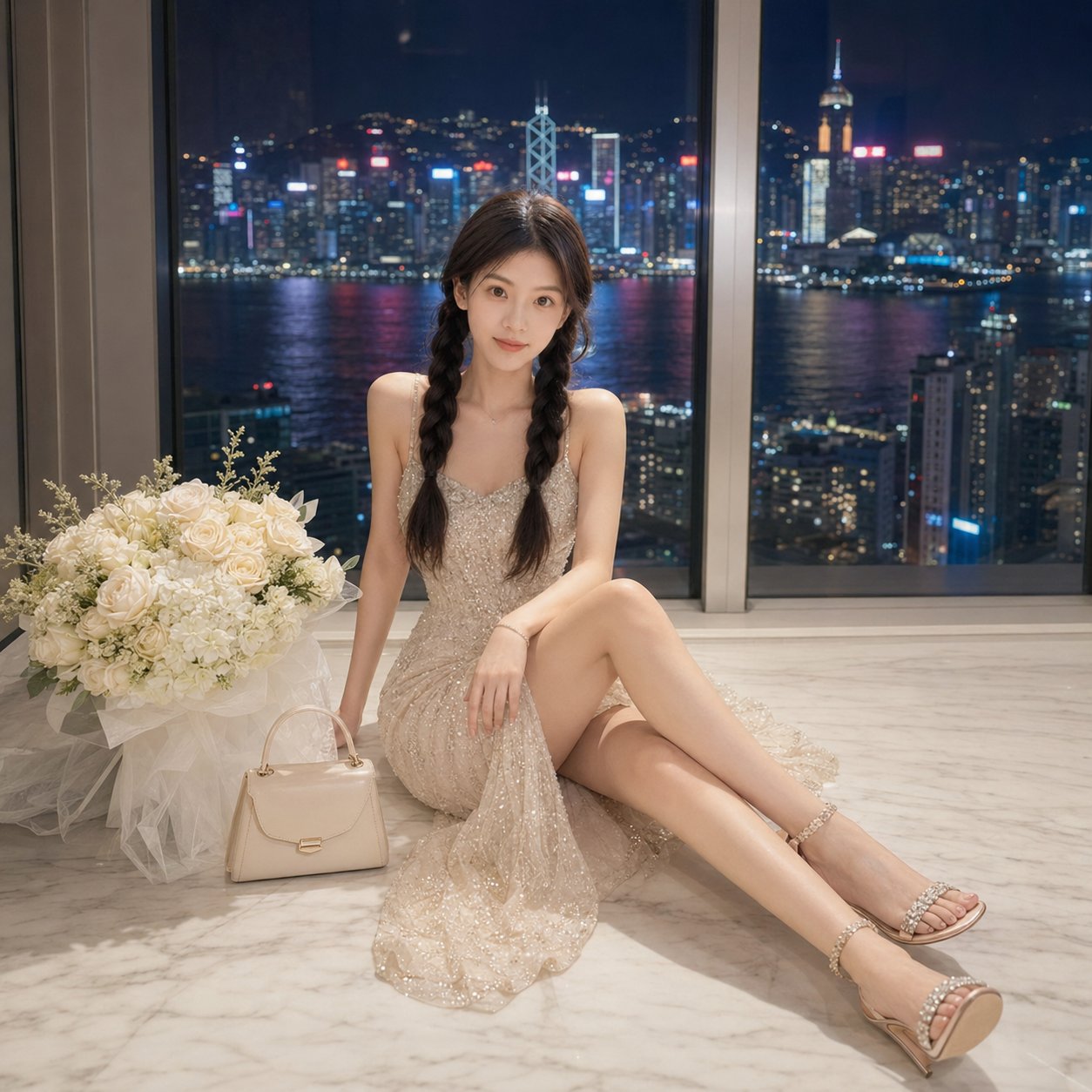
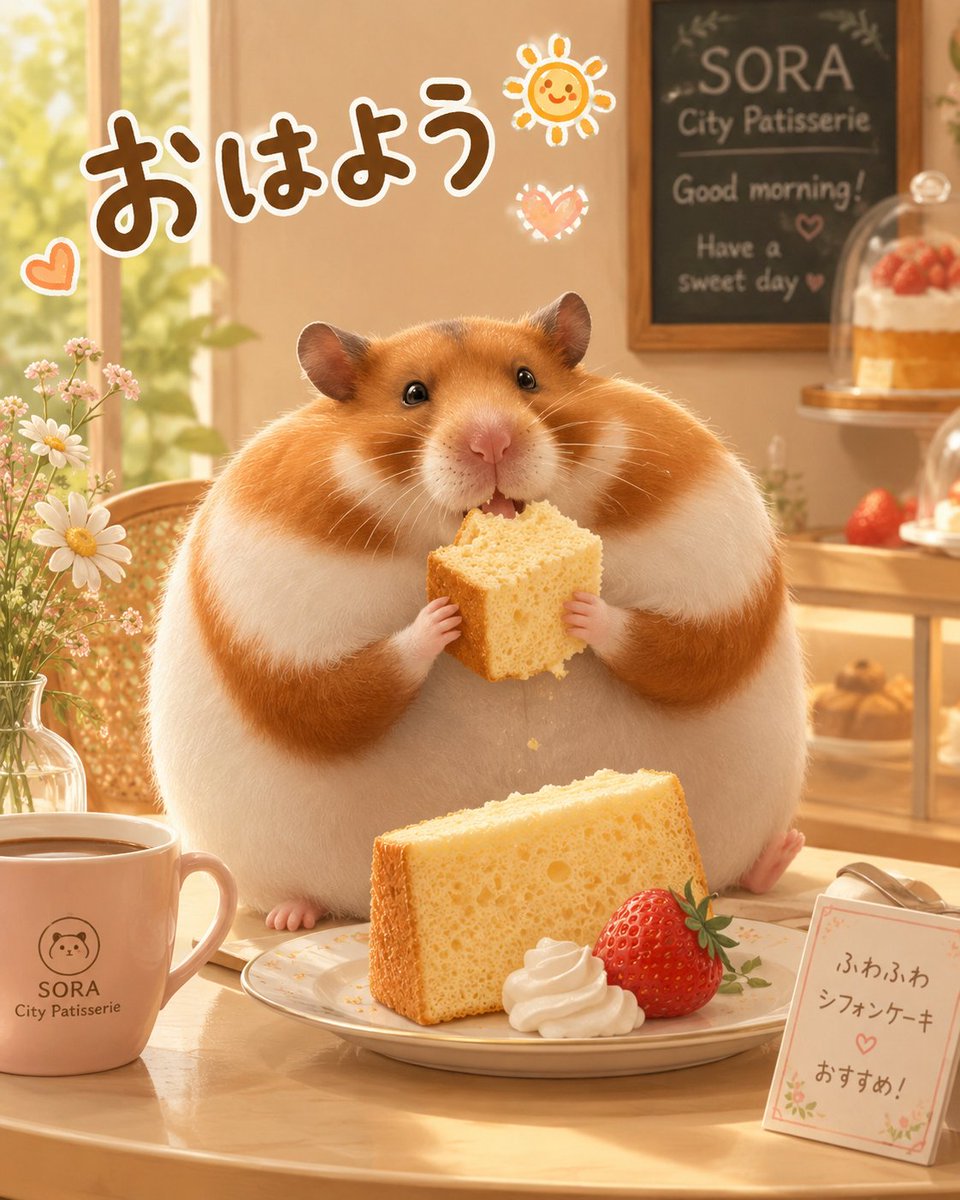
- This case keeps 2 media outputs, which makes it easier to check whether the style remains stable across multiple results.
How The Prompt Is Structured
- The prompt reads as a long, highly specified prompt, which is useful when you want to judge how much specificity this direction needs.
- Its keyword cluster is centered on Portrait, Illustration, Character, so you can usually keep that cluster while swapping subject, camera, layout, or copy details.
- A practical rewrite path is: keep the outcome, keep the strongest style cues, then replace only the subject and environment blocks.
Good Follow-up Questions
- What changes first if you keep Portrait, Illustration, Character but switch the subject matter?
- Which part of the result comes from section-level structure (Character Design) versus tag-level style cues?
- Which related cases in the same section give you a cleaner or more extreme variation of the same direction?
Full Prompt
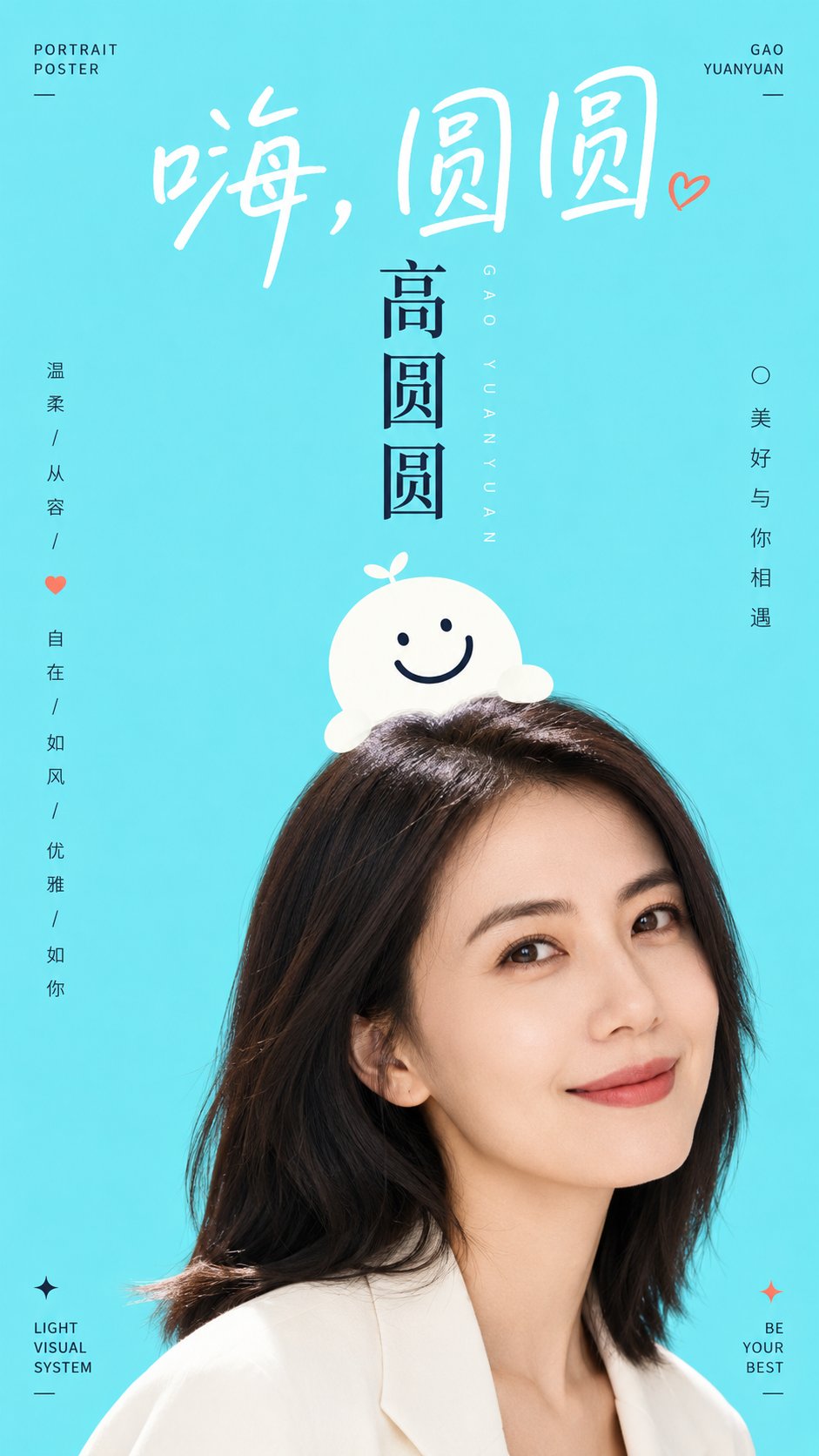
Generate a bright and refreshing graphic-photo composite visual around a specific theme content: The composition uses a large area of high-brightness pure color field to support the subject, with a flat, airy background and no complex depth of field. The visual center is established by a boldly cropped portrait or real subject from below, revealing only the most memorable parts, making the subject appear to enter from the edge of the frame. Overlaid above the subject is a minimalist graphic symbol or mimetic character, which should look as if it is sitting lightly on the subject's head or growing along the contour, with rounded forms, clean edges, and expressions or structures completed with a small number of thick lines, possessing both a sense of branding and approachability. Text is an active character in the composition: use a large handwriting-style title at the top, with loose letter spacing and soft strokes, like a soft greeting; use stronger vertical or axial titles in the center to establish hierarchy; place a small amount of small-font information at the edges, staying quiet but precise, allowing whitespace to remain dominant. Colors are extracted from the theme's own material, emotion, region, or brand semantics, mapped to a bright background color, clean subject highlights, clear dark structural lines, and a small amount of emphatic information colors, maintaining the relationship between a large area of light background, small areas of high-contrast text lines, and natural subject shadows; the overall tone remains high-brightness, transparent, clean, and clear in saturation without being over-stimulating, with dark colors used only for structure and reading, not creating dirty gray, smoke, or aged textures. There should be a contrast between the photographic details and the flat graphics—realistic yet childlike—with accurate edge overlapping and minimal shadows, creating a sense of completion like a relaxed visual system combining urban public promotion and character illustration. Theme: Liu Yan. Ratio 9:16.