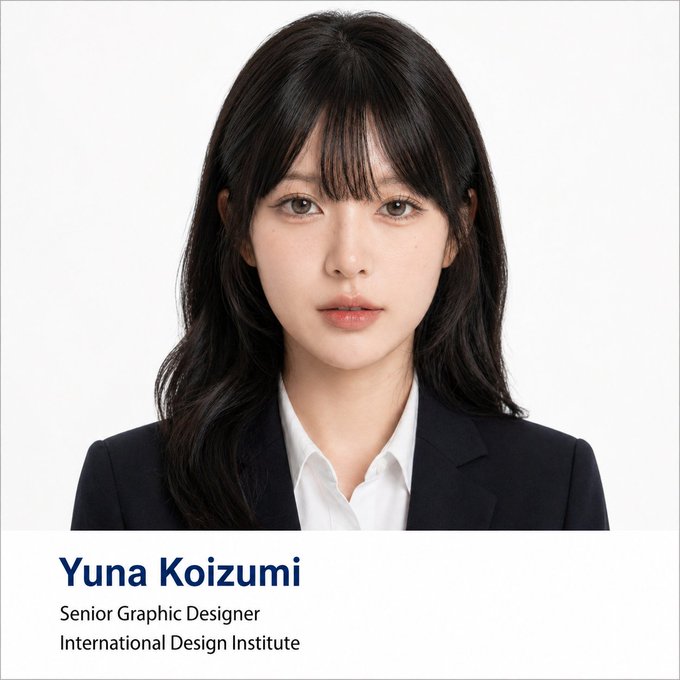
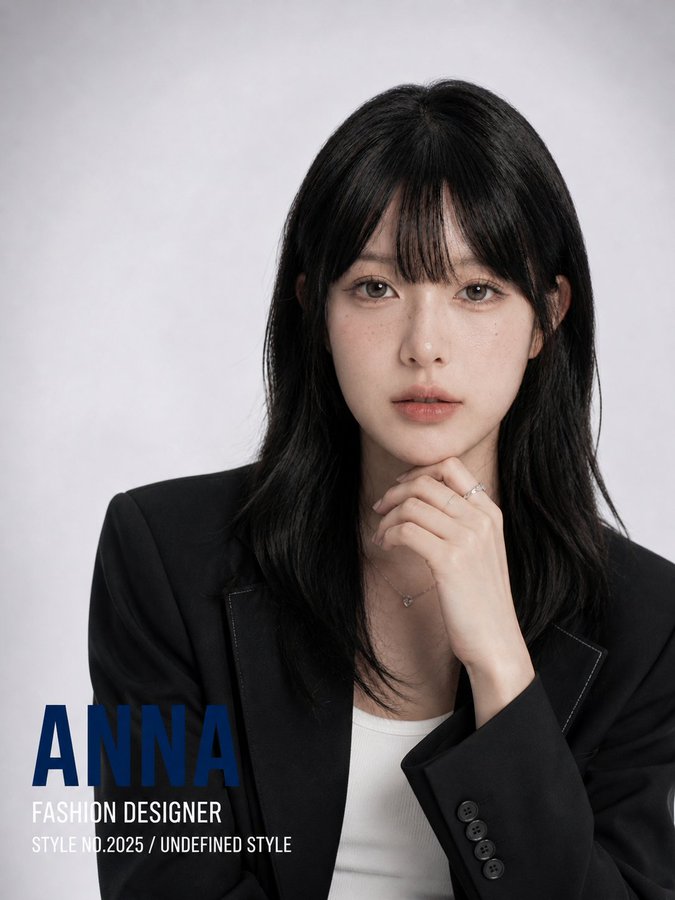
Case Media
Case Notes
This page keeps the media, full prompt, and original source together so you can inspect the result first and decide whether the prompt is worth copying, saving, or comparing.
Case Insights
To make this page easier to search, cite, and reuse later, the case is also broken down into practical guidance about usage, visual cues, and prompt structure.
Best Fit Scenarios
- Use this as a character design benchmark when you need a fast style baseline before rewriting your own prompt.
- It is especially helpful if your target overlaps with 35mm, Portrait, Poster and you want to judge the image result before tuning wording.
- Keep it as a control sample when you compare nearby prompt variants one variable at a time.
Visual Signals To Notice
- The clearest style signals here are 35mm, Portrait, Poster, so those should usually stay in your first rewrite.
- Look at silhouette, costume language, mood styling, and whether the character reads clearly at a glance.
- This case keeps one primary output, so the first image should be treated as the main visual reference.
How The Prompt Is Structured
- The prompt reads as a long, highly specified prompt, which is useful when you want to judge how much specificity this direction needs.
- Its keyword cluster is centered on 35mm, Portrait, Poster, so you can usually keep that cluster while swapping subject, camera, layout, or copy details.
- A practical rewrite path is: keep the outcome, keep the strongest style cues, then replace only the subject and environment blocks.
Good Follow-up Questions
- What changes first if you keep 35mm, Portrait, Poster but switch the subject matter?
- Which part of the result comes from section-level structure (Character Design) versus tag-level style cues?
- Which related cases in the same section give you a cleaner or more extreme variation of the same direction?
Full Prompt
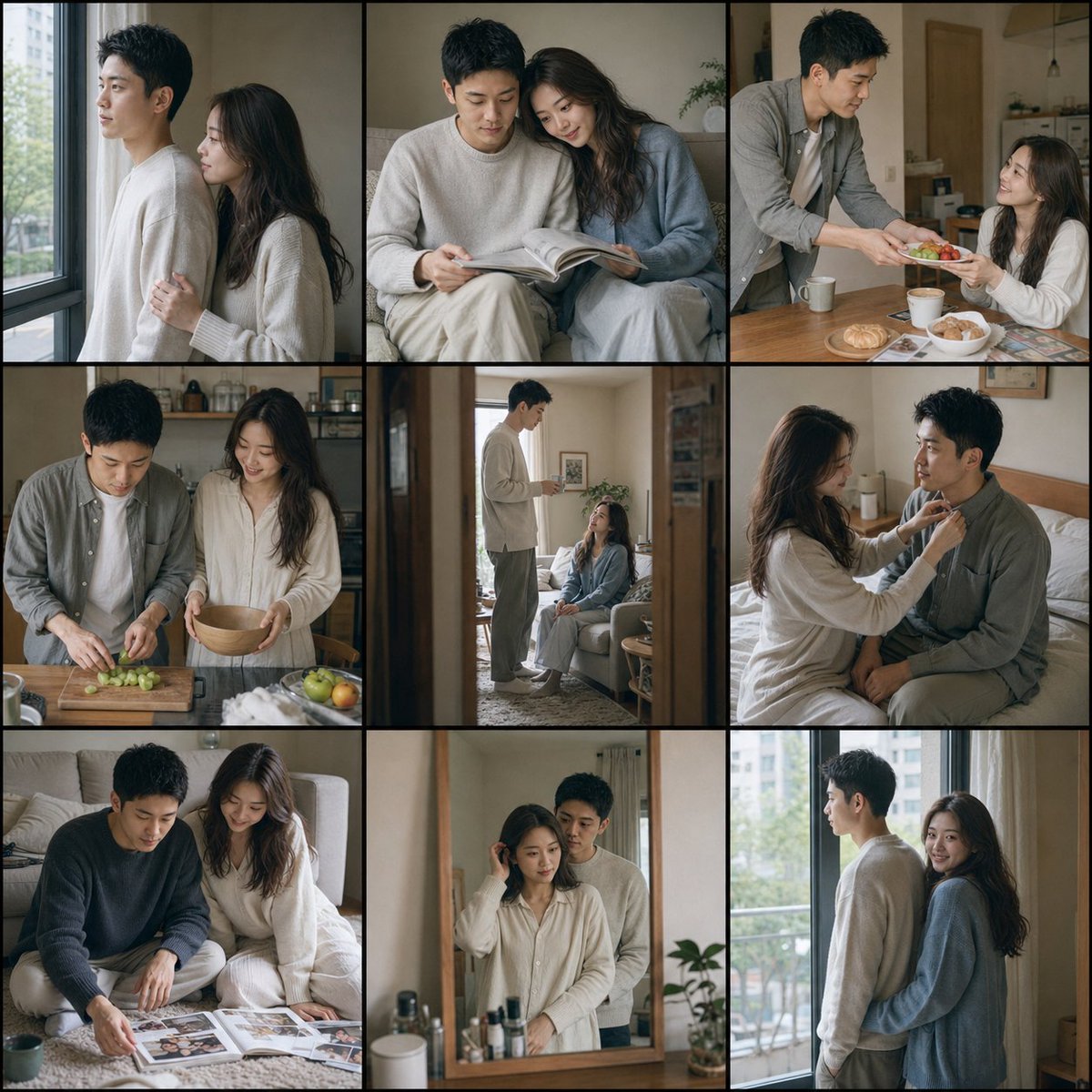
Based on the real photos of two adult couples uploaded by the user, generate a "{argument name="photo style" default="Fujifilm-style Japanese home couple portrait"} 3x3 grid album collage". Strictly preserve the real identity characteristics of the two people. Both the girl and the boy must clearly look like the original people in the uploaded photos, including face shape, facial proportions, eye/brow structure, nose, lips, jawline, skin tone, age, hairline, hairstyle features, and overall temperament. Do not turn them into Western faces, Korean studio styles, influencers, or over-beautified strangers. All 9 final small photos must feature the same real Chinese couple, captured from different angles, distances, and moments during the same home session. ## Visual Format Generate a 3x3 collage with 9 small photos, overall 1:1 ratio. Use narrow {argument name="border color" default="black"} separator lines between photos, all placed on a {argument name="background color" default="black"} background, like a curated home photo album. Not a commercial poster or studio layout; avoid repetitive templates. ## Core Visual Style Overall style: Japanese lifestyle photography, Fujifilm camera texture, real home couple portrait, candid shots, gentle, relaxed, quiet, and storytelling. Focus on the colors and atmosphere of Fujifilm stocks like Superia, Pro 400H, or C200. The images should have low saturation without looking gray, soft natural highlights, transparent but restrained skin tones, slight film grain, slight shadow noise, and soft contrast. It should look like an air-filled, layered Fujifilm lifestyle photo. Avoid: old iPhone texture, mobile compression, digital sharpness, heavy retro filters, commercial ads, or e-commerce styles. ## Character Relationship The two are a {argument name="relationship" default="real, intimate, and natural young Chinese couple"}. Each frame should clearly show they are a couple with a sense of familiarity and companionship. Interactions should be realistic and relaxed: leaning in, making eye contact, looking down and laughing, leaning on a shoulder, reading together, passing things, preparing food, adjusting clothes, seeing each other in the mirror, or watching from a doorway. Intimate but restrained—no grease, no eroticism, and no staged wedding-style acting. ## Expressions and Angles The 9 photos should not all look at the camera or just smile slightly. Expressions must be rich and varied: giggling, being teased, looking down laughing, quiet, daydreaming, gentle staring, relaxed chatting, focused on a task, responding with a look back, closing eyes laughing, looking out the window, or looking at each other. Facial angles must vary significantly. Do not repeat the same template. Use a mix of: front, semi-front, profile, looking down, looking back, looking up slightly, near-back, mirror angles, distant observation, and close-up life details. Each frame should have a new head direction and visual rhythm. ## Clothing Requirements Do not use the original clothes from the uploaded photos. Change them into natural Japanese lifestyle outfits: low saturation, neutral colors, soft materials. Colors like creamy white, oatmeal, light gray, pale coffee, misty blue, or charcoal. Items include knit cardigans, soft T-shirts, linen shirts, loungewear, long skirts, or socks. Should look like comfortable clothes a real couple wears at home. ## Home Setting A clean, tidy apartment with real life traces (not a model home). Include elements like curtains, wood floors, sofas, pillows, blankets, books, albums, cups, plates, plants, bed lamps, mirrors, or tables—all as subtle aids to focus on the couple. ## Content of the 9 Frames 1. Quiet by the window: Boy looks out; girl leans in naturally. Quiet atmosphere. 2. Reading on the sofa: Reading a book together; one leans on the other's shoulder. 3. Passing a plate: At the dining table, passing fruit; active movement and eye contact. 4. Kitchen prep: Preparing food; one cuts fruit while the other watches and laughs. 5. Doorway view: Observer's perspective through a door frame into the living room. 6. Bedroom touch: Sitting on the bed; girl adjusts the boy's collar gently. 7. Floor photos: Sitting on the carpet looking at magazines together; candid sitting poses. 8. Mirror fragment: Captured through a dressing mirror; adjusting hair or a brief look in the mirror. 9. Balcony pause: Standing by the sliding door; one looks out while the other approaches with a smile. ## Consistency and Stability Keep facial consistency across all 9 frames. Avoid complex hand gestures (no face-touching or finger-crossing). The quality should include slight film grain and scanning texture to feel like a real set, not a perfect AI grid. Avoid digital artifacts, extra limbs, or strange text.