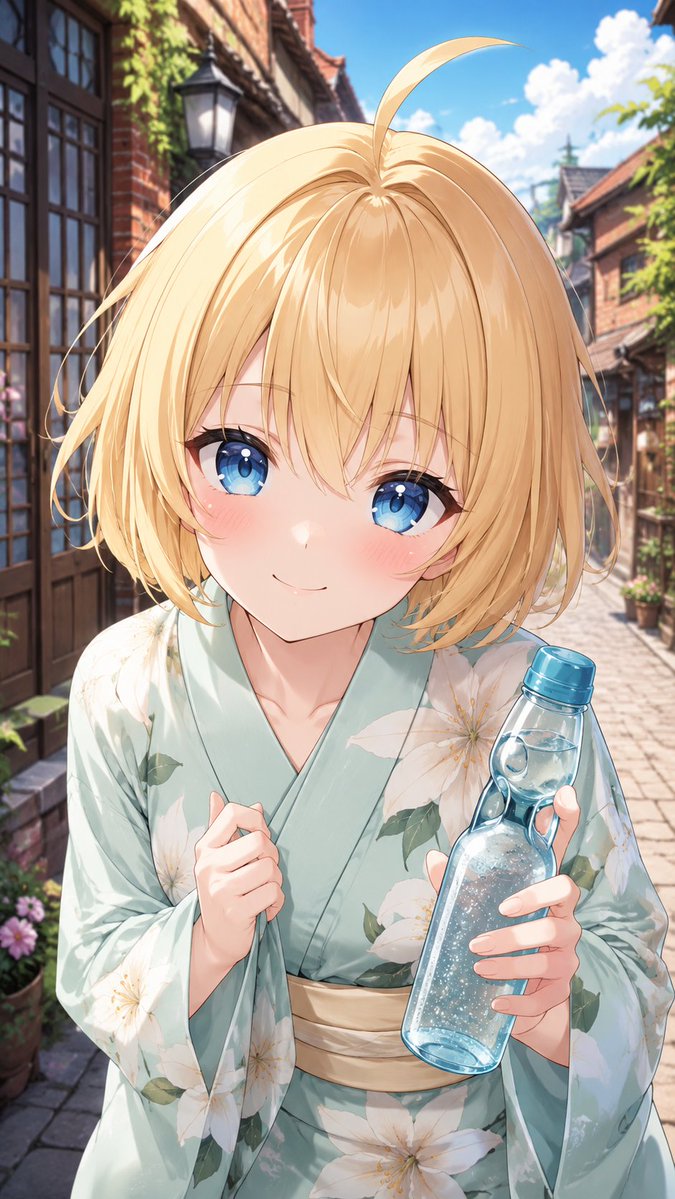
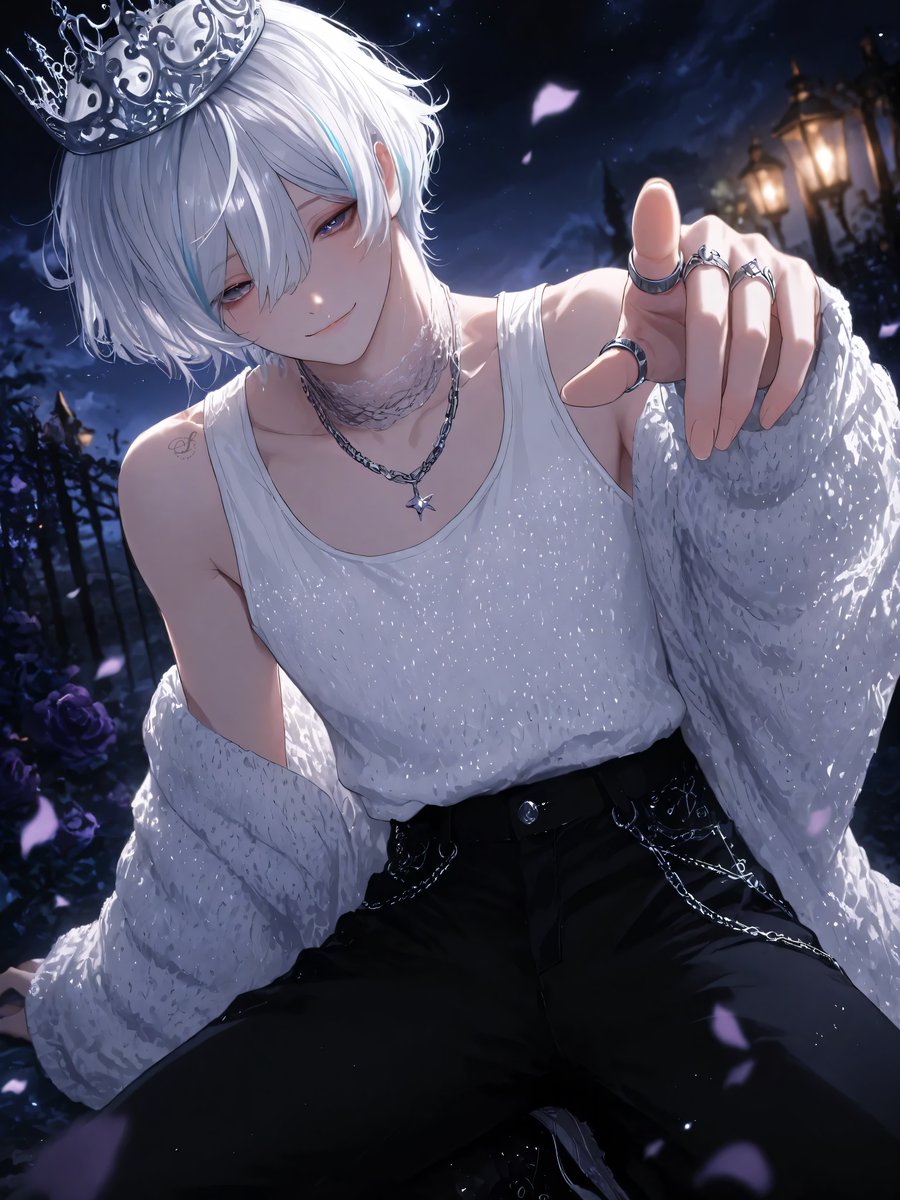
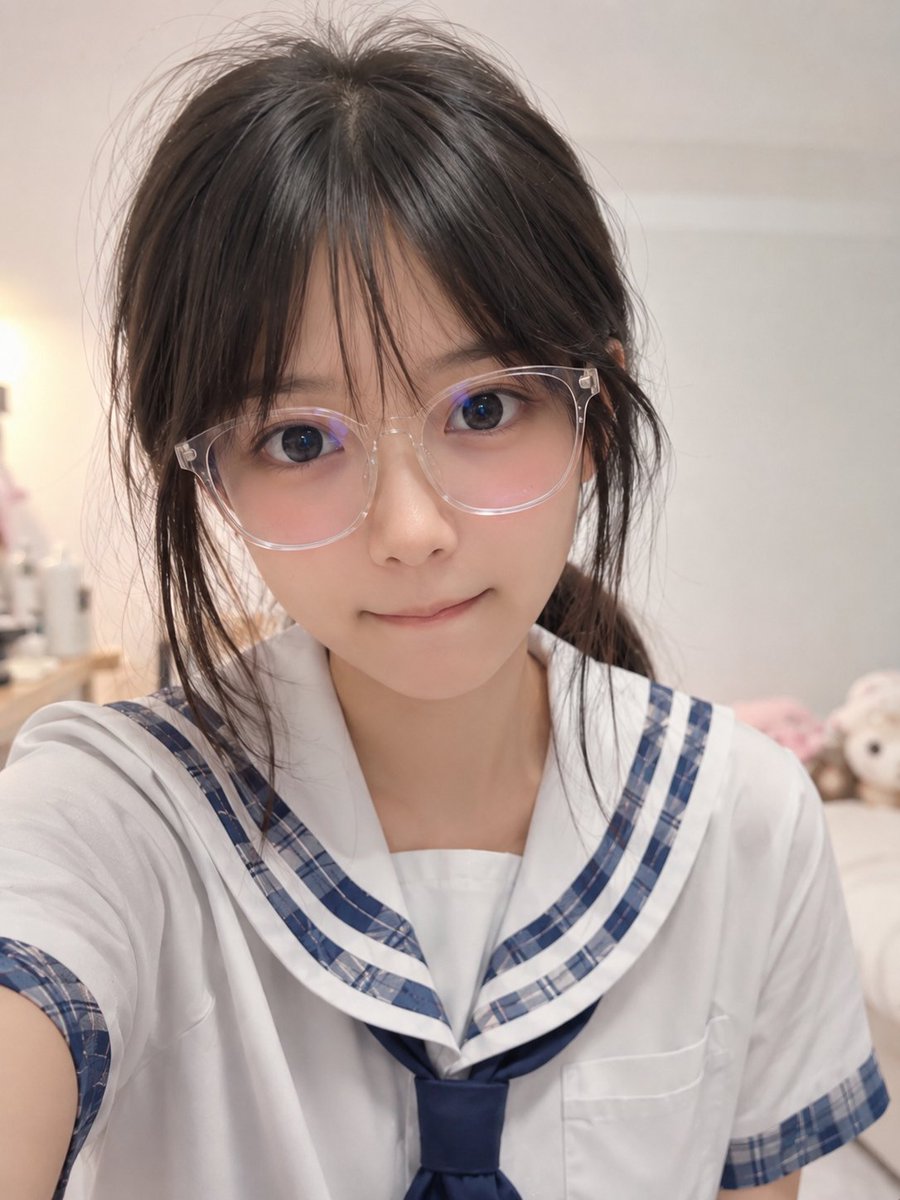
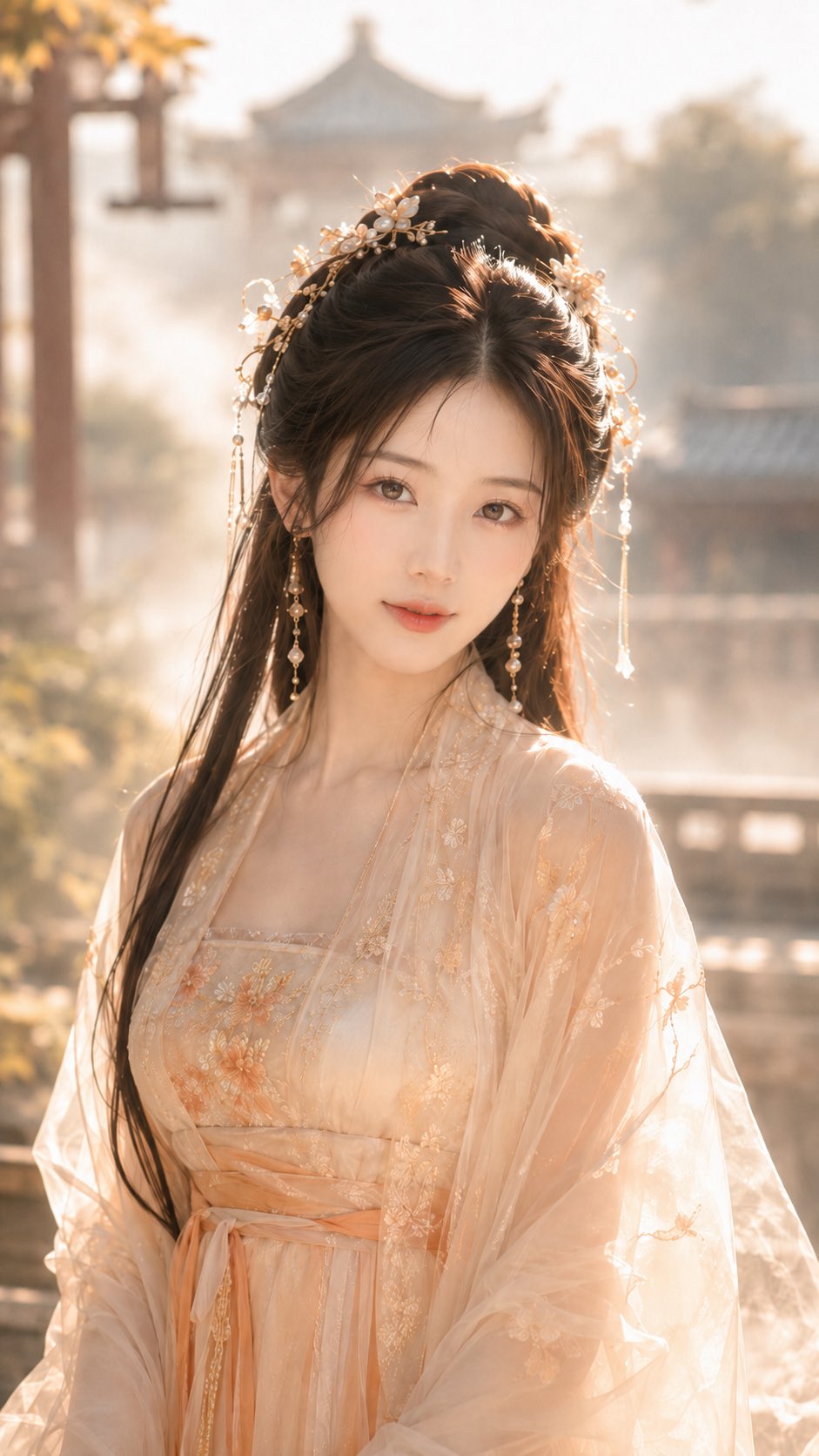
Case Media
Case Notes
This page keeps the media, full prompt, and original source together so you can inspect the result first and decide whether the prompt is worth copying, saving, or comparing.
Case Insights
To make this page easier to search, cite, and reuse later, the case is also broken down into practical guidance about usage, visual cues, and prompt structure.
Best Fit Scenarios
- Use this as a character design benchmark when you need a fast style baseline before rewriting your own prompt.
- It is especially helpful if your target overlaps with Portrait, Character, Vertical and you want to judge the image result before tuning wording.
- Keep it as a control sample when you compare nearby prompt variants one variable at a time.
Visual Signals To Notice
- The clearest style signals here are Portrait, Character, Vertical, so those should usually stay in your first rewrite.
- Look at silhouette, costume language, mood styling, and whether the character reads clearly at a glance.
- This case keeps 2 media outputs, which makes it easier to check whether the style remains stable across multiple results.
How The Prompt Is Structured
- The prompt reads as a long, highly specified prompt, which is useful when you want to judge how much specificity this direction needs.
- Its keyword cluster is centered on Portrait, Character, Vertical, so you can usually keep that cluster while swapping subject, camera, layout, or copy details.
- A practical rewrite path is: keep the outcome, keep the strongest style cues, then replace only the subject and environment blocks.
Good Follow-up Questions
- What changes first if you keep Portrait, Character, Vertical but switch the subject matter?
- Which part of the result comes from section-level structure (Character Design) versus tag-level style cues?
- Which related cases in the same section give you a cleaner or more extreme variation of the same direction?
Full Prompt
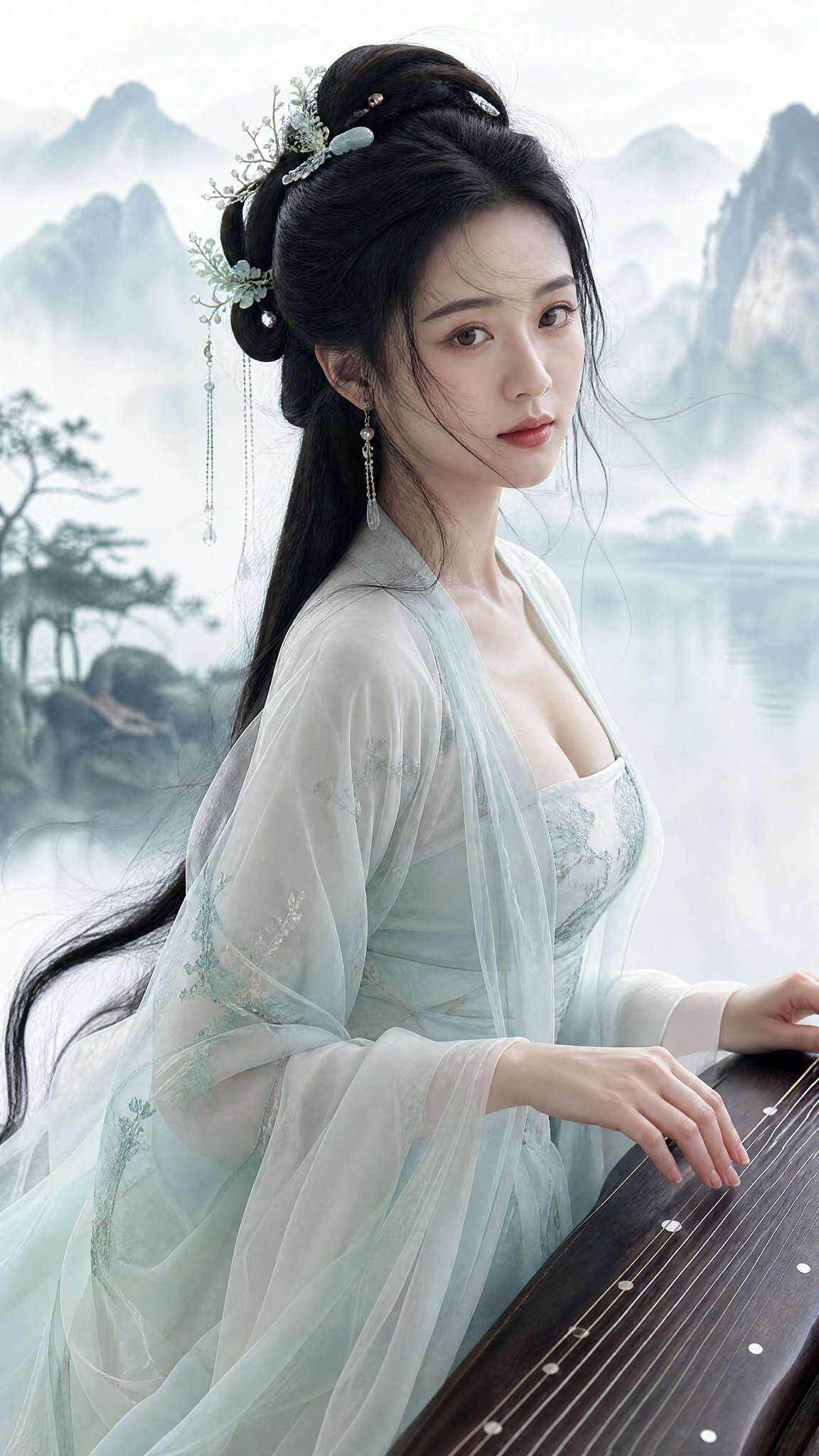
Native 4K vertical realistic new Chinese style ancient style half-body portrait, an adult Chinese female in her early 20s, clear face, subject facing the camera frontally or slightly to the side, eyes have emotion and a sense of communication, natural micro-expressions, real skin texture, visible fine pores, long black hair, exquisite hair accessories, light summer Hanfu or new Chinese style gauze clothing, layered but not heavy clothing, elegant upper body lines, wrists and fingers naturally exposed, [Qin/Qi/Shu/Hua] elements as scene atmosphere rather than stealing the spotlight, blurred background, soft natural light or summer window light, the frame has an Oriental aesthetic temperament, realistic photography texture, rich details, the character has a sense of soul, no text, no watermark. Replaceable Qin/Qi/Shu/Hua elements: Qin: Guqin placed at the bottom or side of the frame, strings and wood grain are clear, the character's hand is lightly placed on the edge of the Qin, do not have exaggerated playing actions. Qi: Wooden chessboard and black and white chess pieces appear blurred on the side or table, the character's eyes are calm and intelligent, do not let the chessboard block the character. Shu: Calligraphy scrolls, rice paper, brushes, inkstones as background atmosphere, the character does not need to be writing, the focus is on the gentle expression. Hua: Ink wash painting scrolls, landscape paintings, ink smudges as background atmosphere, the character looks like they walked out of a painting, with a blurred gaze.