Case Media
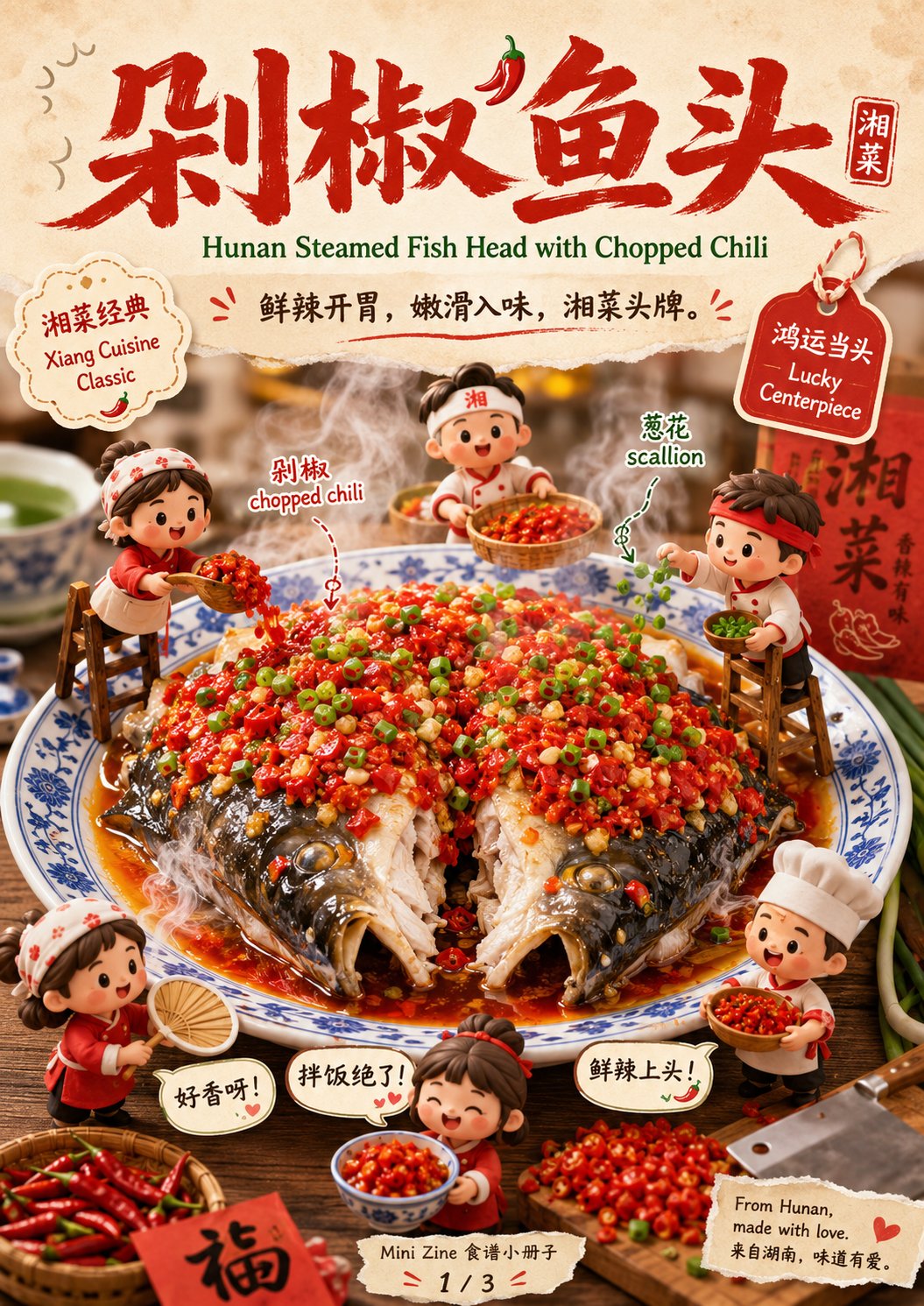
Case Notes
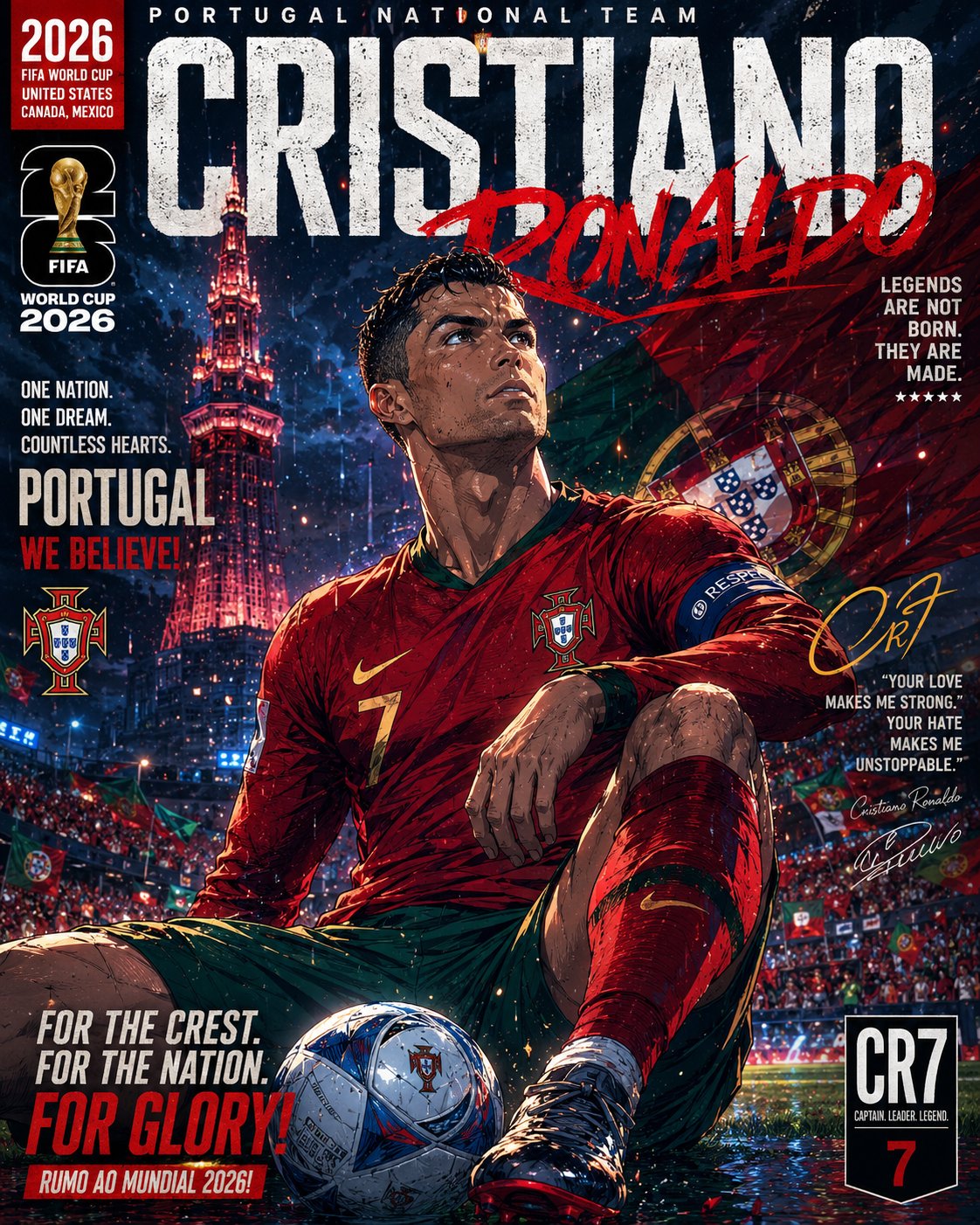
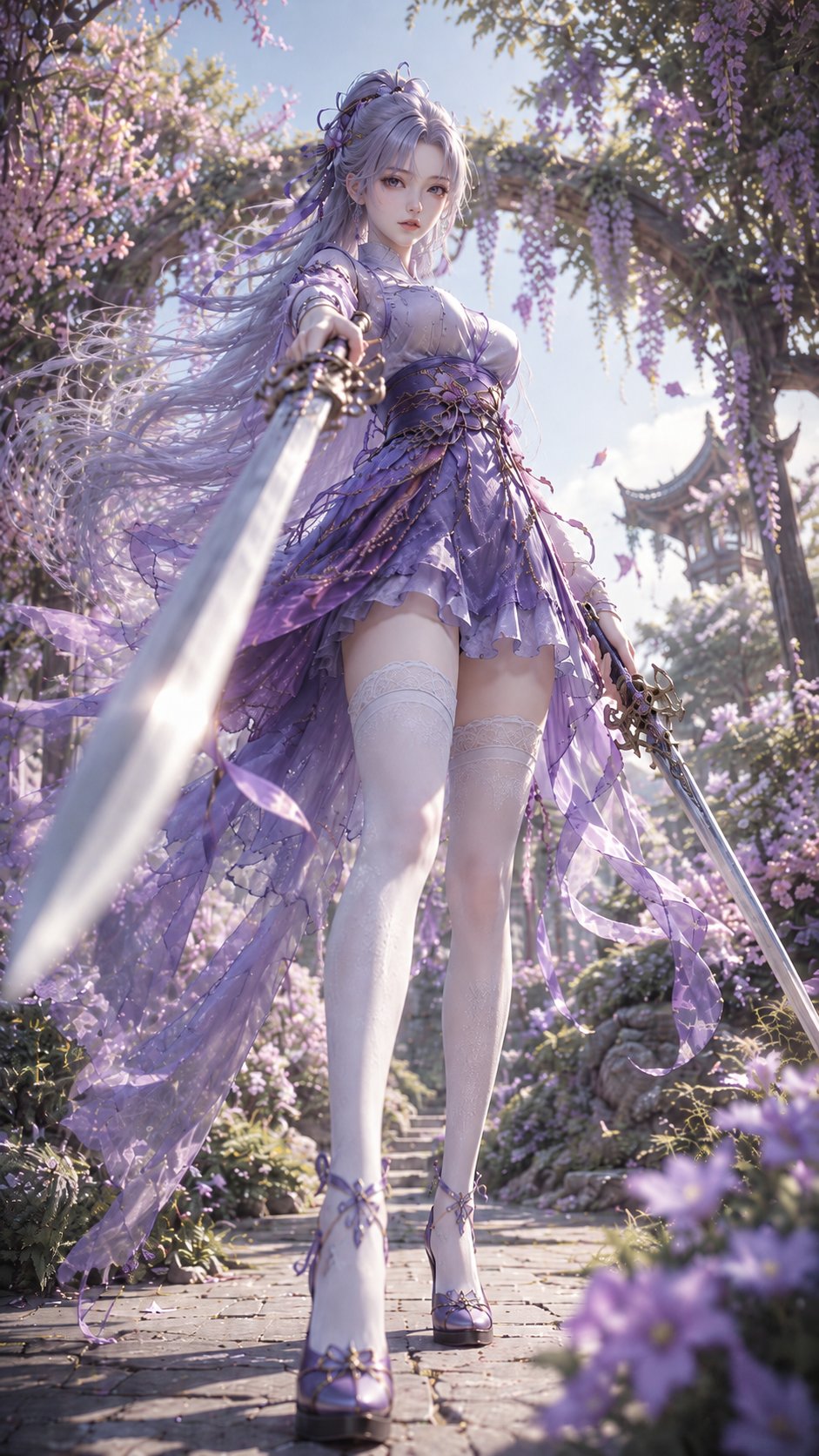
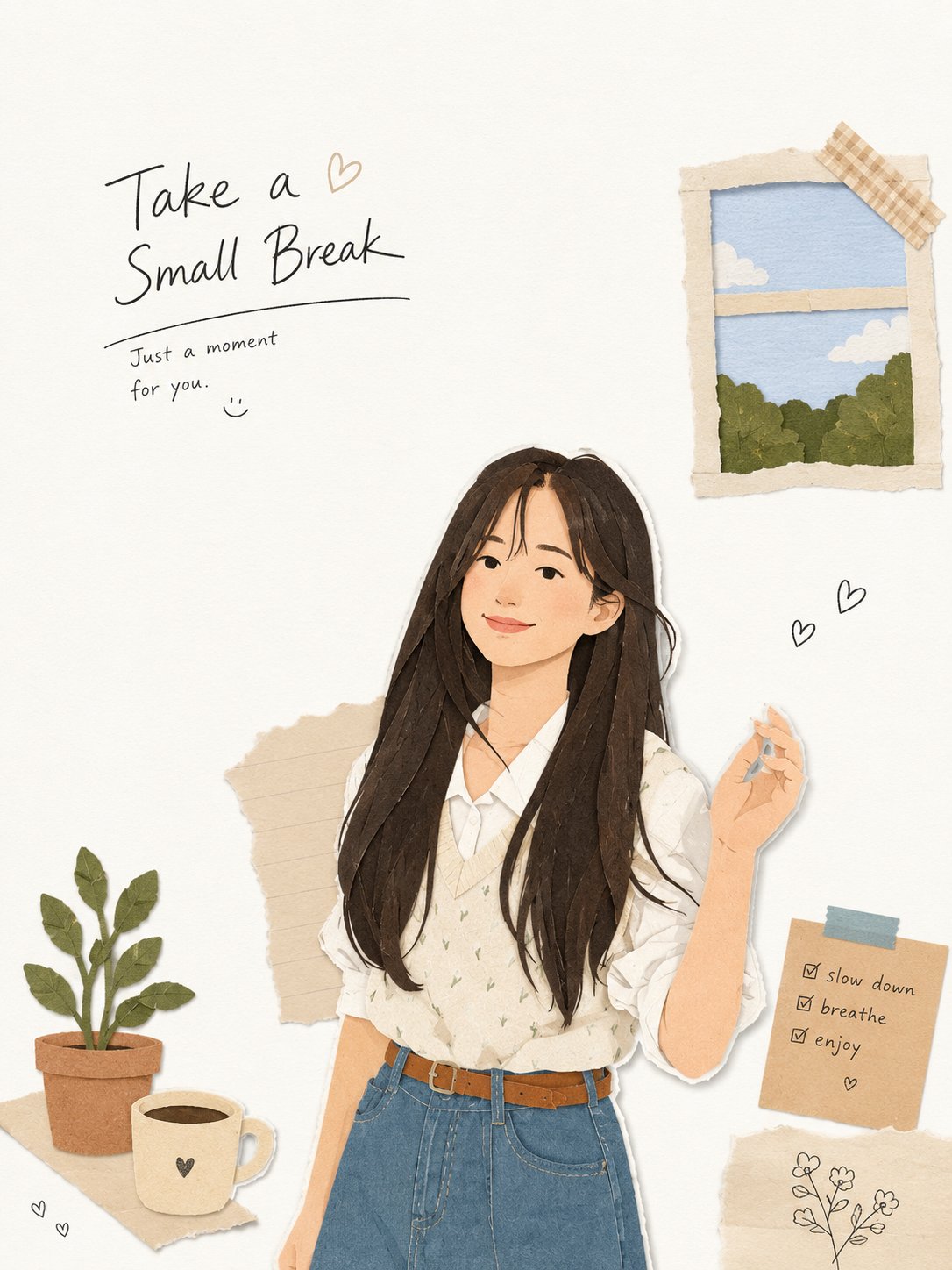
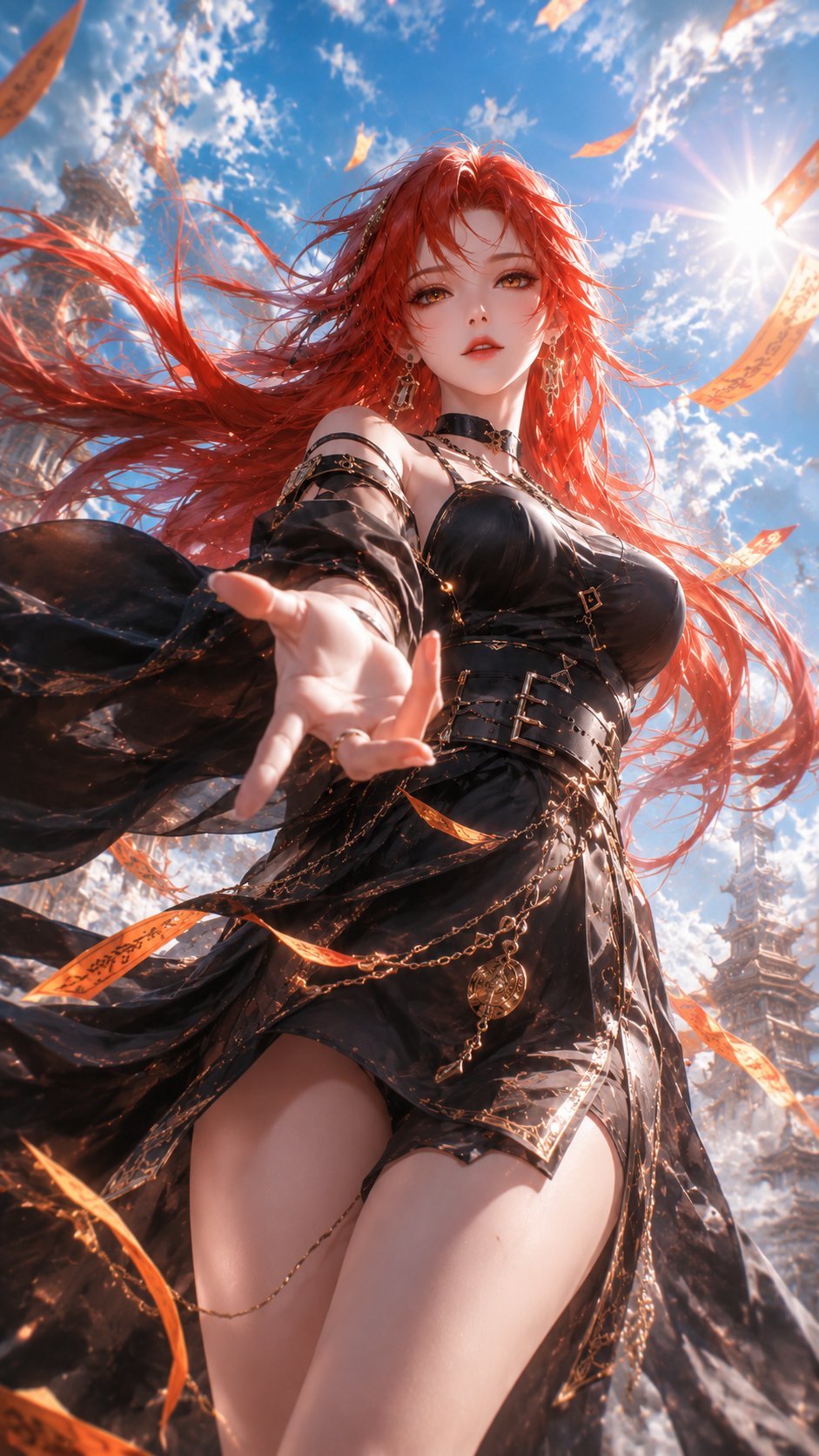
This page keeps the media, full prompt, and original source together so you can inspect the result first and decide whether the prompt is worth copying, saving, or comparing.
Case Insights
To make this page easier to search, cite, and reuse later, the case is also broken down into practical guidance about usage, visual cues, and prompt structure.
Best Fit Scenarios
- Use this as a character design benchmark when you need a fast style baseline before rewriting your own prompt.
- It is especially helpful if your target overlaps with Cinematic, Poster, Illustration and you want to judge the image result before tuning wording.
- Keep it as a control sample when you compare nearby prompt variants one variable at a time.
Visual Signals To Notice
- The clearest style signals here are Cinematic, Poster, Illustration, so those should usually stay in your first rewrite.
- Look at silhouette, costume language, mood styling, and whether the character reads clearly at a glance.
- This case keeps 2 media outputs, which makes it easier to check whether the style remains stable across multiple results.
How The Prompt Is Structured
- The prompt reads as a long, highly specified prompt, which is useful when you want to judge how much specificity this direction needs.
- Its keyword cluster is centered on Cinematic, Poster, Illustration, so you can usually keep that cluster while swapping subject, camera, layout, or copy details.
- A practical rewrite path is: keep the outcome, keep the strongest style cues, then replace only the subject and environment blocks.
Good Follow-up Questions
- What changes first if you keep Cinematic, Poster, Illustration but switch the subject matter?
- Which part of the result comes from section-level structure (Character Design) versus tag-level style cues?
- Which related cases in the same section give you a cleaner or more extreme variation of the same direction?
Full Prompt
Food Name: {Steamed Fish Head with Chopped Chili} Please first search the internet comprehensively to understand the real information about this food, including its region of origin, cultural background, main ingredients, colors, flavors, textures, cooking methods, common ways of eating, plating styles, garnishes, dipping sauces, typical consumption scenarios, festivals or street culture, and common visual selling points in advertising and social media. Create a 3-page color mixed-media food zine for an international recipe. Look at currently popular recipes online and include necessary step-by-step diagrams, illustrations, and descriptions. Also write about the health or environmental background related to this dish. Based on the searched information, automatically determine the most suitable: - Overall art style - Chibi character images, clothing, actions, and expressions - Scenes, props, utensils, and background elements - Color scheme, lighting atmosphere, and composition - Main title, subtitle, and speech bubble text for the poster - Text language (choose from Chinese, Korean, Japanese, English, Thai, Italian, etc., based on the food's cultural background, ensuring accuracy) Generate a premium ultra-cute food advertisement poster featuring {Steamed Fish Head with Chopped Chili} as the main hero food. Create a whimsical miniature diorama world where tiny adorable chibi characters interact with a giant delicious version of the food. The visual style, character design, costumes, poses, props, environment, color palette, typography, and mood must be intelligently designed based on the researched cultural background, ingredients, texture, flavor, eating scene, and commercial appeal of {Steamed Fish Head with Chopped Chili}. Make the food look extremely appetizing and accurate. Emphasize the real iconic textures of the food, such as glossy sauce, juicy fish meat, vibrant red chopped chilies, steam, oil sheen, fresh scallions, or other details that truly match Steamed Fish Head with Chopped Chili. Design tiny chibi characters with blushy faces, playful poses, and toy-like rounded forms. They may be climbing, cooking, decorating, serving, tasting, carrying ingredients (like giant chilies or garlic), holding tiny tools, using ladders, sitting on food pieces, pouring savory sauce, or celebrating around the food. Their actions should match the food’s real preparation or eating experience. Use adorable 3D clay-style CGI, kawaii toy-like diorama aesthetic, smooth rounded props, cozy studio lighting, soft shadows, shallow depth of field, highly detailed food textures, clean commercial poster layout, premium food campaign design, Instagram-viral cute style, ultra polished render, 8K quality. Typography requirements: Automatically generate suitable poster text based on the food information. Include: 1. A big catchy main title at the top 2. A short appetizing subtitle 3. Several tiny speech bubbles with cute, natural, culturally appropriate text All text must be accurate, meaningful, sharp, readable, correctly spelled, and not distorted. No gibberish, no random symbols, no fake letters. Typography should match the food culture and poster mood, such as chunky 3D bubble letters, cute handwritten lettering, or modern commercial poster typography. Poster format: Vertical food advertisement poster, centered hero food, minimal clean background, dreamy pastel color palette, whimsical composition, wholesome happy mood, premium studio product lighting, high detail, cinematic commercial quality, 8K render. Negative prompt: distorted text, misspelled words, unreadable typography, fake letters, gibberish text, random symbols, messy layout, low resolution, blurry food, inaccurate ingredients, culturally inappropriate elements, deformed characters, creepy faces, extra fingers, broken props, dirty food, overcomplicated background, dull colors, harsh shadows, flat lighting, watermark, logo artifacts, bad composition.