Case Media
Case Notes
This page keeps the media, full prompt, and original source together so you can inspect the result first and decide whether the prompt is worth copying, saving, or comparing.
Case Insights
To make this page easier to search, cite, and reuse later, the case is also broken down into practical guidance about usage, visual cues, and prompt structure.
Best Fit Scenarios
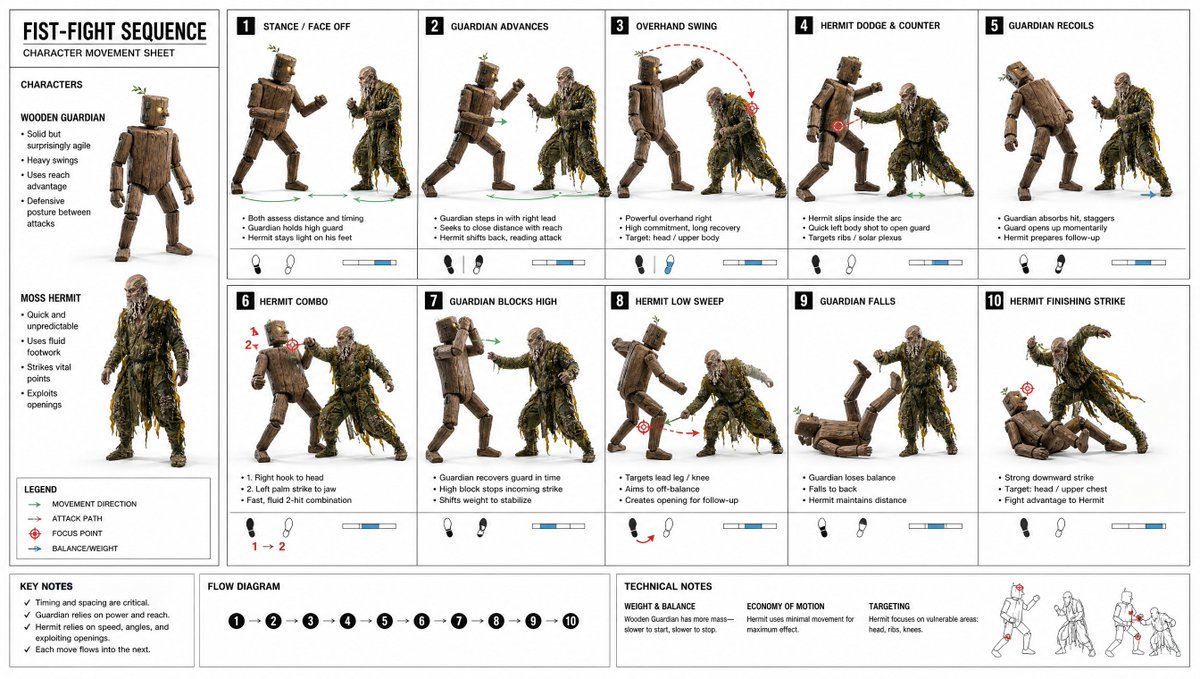
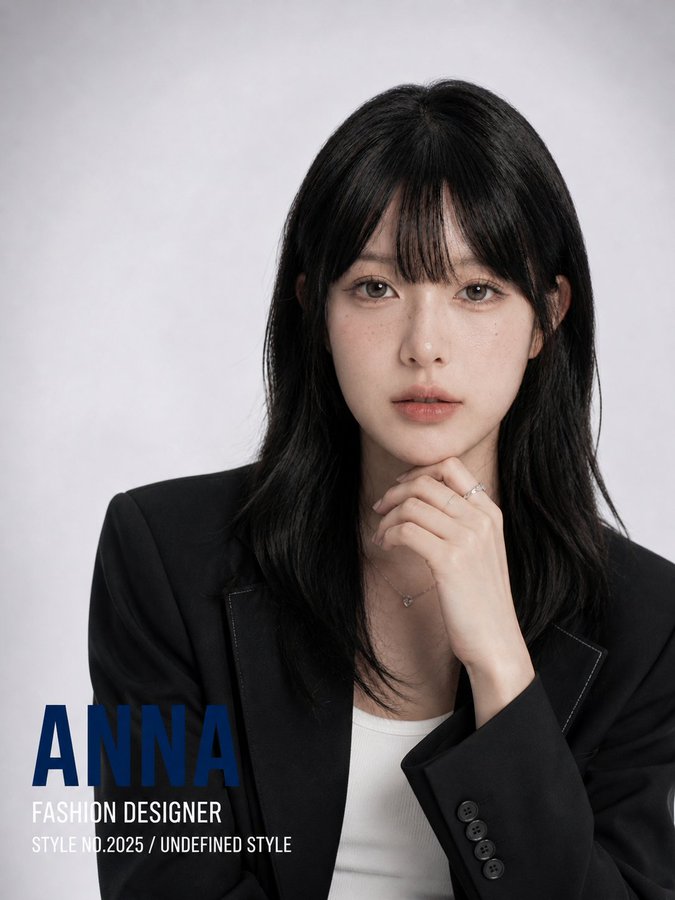
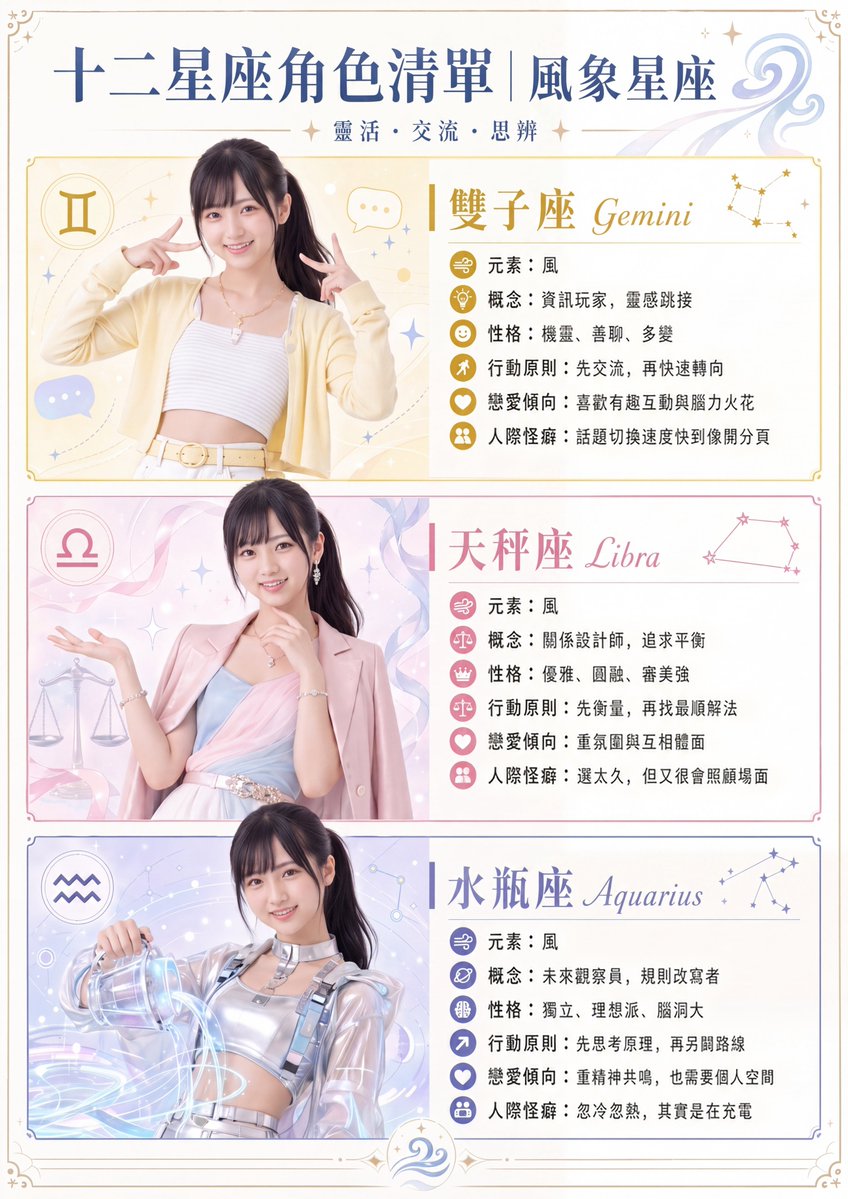
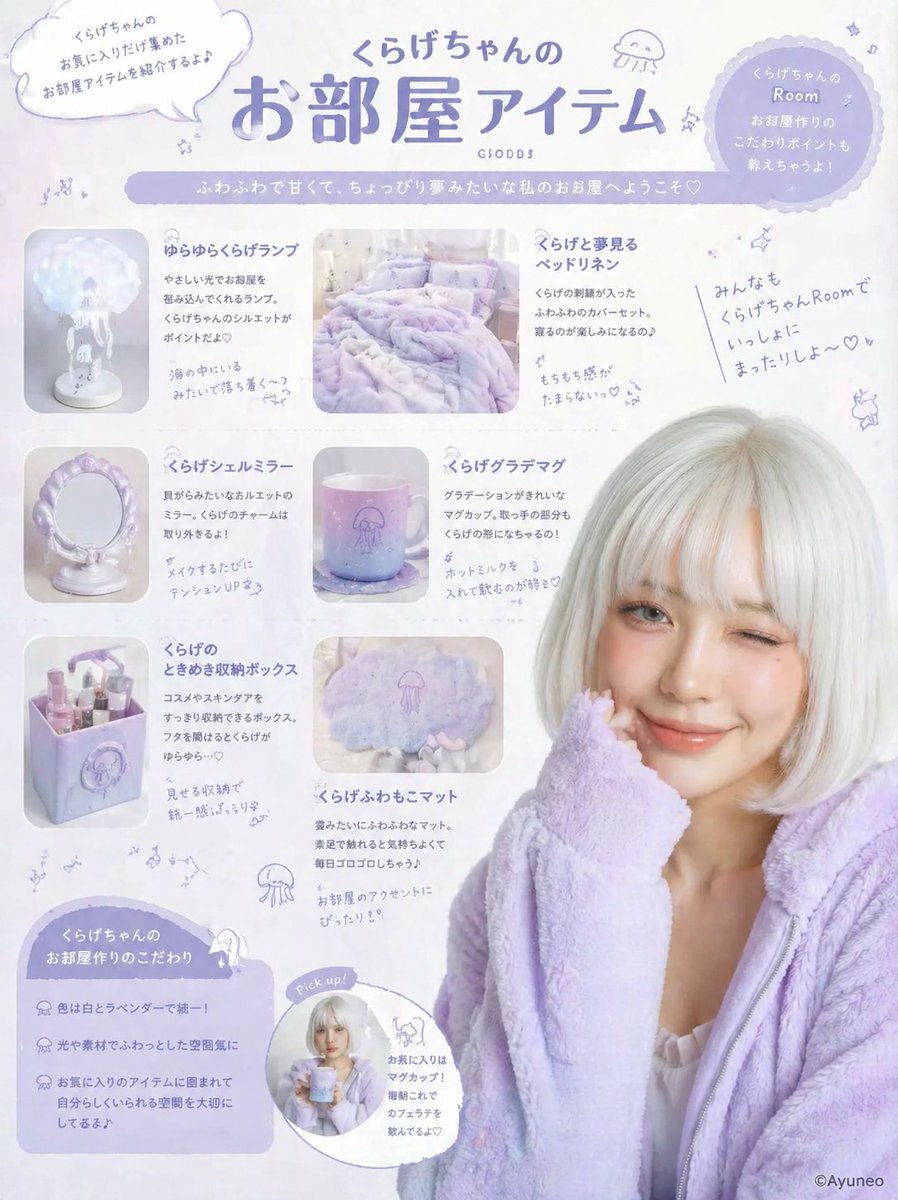
- Use this as a character design benchmark when you need a fast style baseline before rewriting your own prompt.
- It is especially helpful if your target overlaps with Fashion, Poster, Illustration and you want to judge the image result before tuning wording.
- Keep it as a control sample when you compare nearby prompt variants one variable at a time.
Visual Signals To Notice
- The clearest style signals here are Fashion, Poster, Illustration, so those should usually stay in your first rewrite.
- Look at silhouette, costume language, mood styling, and whether the character reads clearly at a glance.
- This case keeps one primary output, so the first image should be treated as the main visual reference.
How The Prompt Is Structured
- The prompt reads as a long, highly specified prompt, which is useful when you want to judge how much specificity this direction needs.
- Its keyword cluster is centered on Fashion, Poster, Illustration, so you can usually keep that cluster while swapping subject, camera, layout, or copy details.
- A practical rewrite path is: keep the outcome, keep the strongest style cues, then replace only the subject and environment blocks.
Good Follow-up Questions
- What changes first if you keep Fashion, Poster, Illustration but switch the subject matter?
- Which part of the result comes from section-level structure (Character Design) versus tag-level style cues?
- Which related cases in the same section give you a cleaner or more extreme variation of the same direction?
Full Prompt
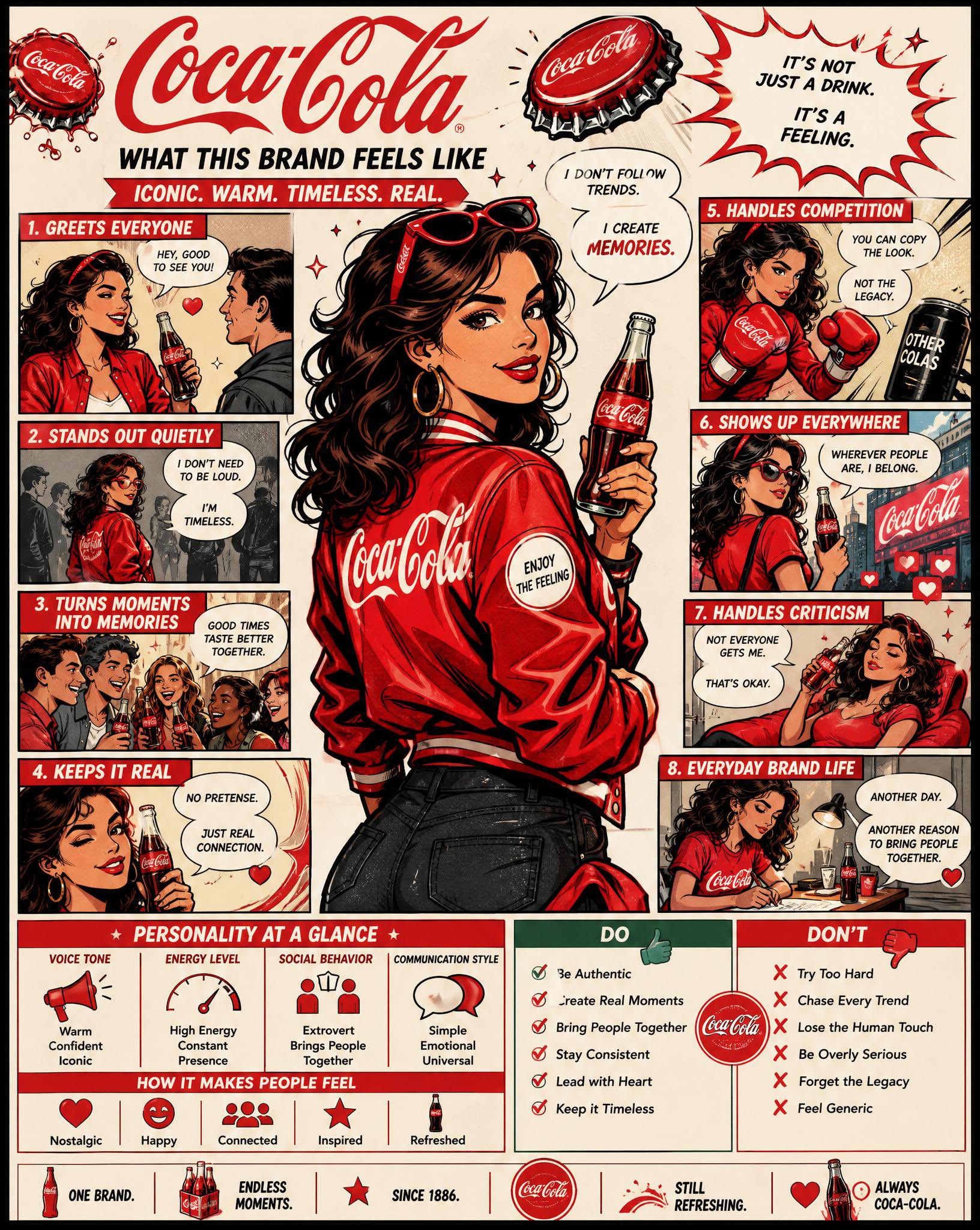
Using the uploaded logo, create a highly detailed, comic-style infographic poster: “What This Brand Feels Like” GOAL: Turn the brand into a living personality and visually explain how it behaves, speaks, and interacts with the world. This must feel like a mix of: brand strategy + character design + comic storytelling. --- CORE RULE: Everything must come from the logo: - colors - style - tone - personality No generic personality traits. --- MAIN STRUCTURE: Vertical 4:5 poster Dense layout with multiple panels Comic + infographic hybrid --- TOP SECTION: - Brand name - Short personality statement (max 6 words) Example: “Quiet confidence with sharp edges” --- MAIN CHARACTER (VERY IMPORTANT): Create a central character representing the brand: - humanized version of the brand - outfit reflects brand style - posture + expression reflect personality --- AROUND THE CHARACTER: Create 6–8 comic panels showing how the brand behaves in different situations. --- SCENARIO IDEAS: - Talking to customers - Handling competition - Selling a product - Social media presence - Reacting to criticism - Daily “brand life” moment --- FOR EACH PANEL: Include: - short caption (max 6 words) - speech bubble or internal thought - clear visual action --- TONE EXAMPLES: Luxury brand: calm, confident, minimal speech Playful brand: loud, chaotic, expressive Tech brand: precise, logical, clean --- PERSONALITY TRAITS SECTION: Add small labeled blocks: - Voice tone (e.g. calm, bold, playful) - Energy level (low / medium / high) - Social behavior (introvert / extrovert) - Communication style Use: - icons - short labels --- DO / DON’T SECTION: Add a split block: DO: - how the brand should act DON’T: - what breaks the identity Keep: - very short phrases --- VISUAL ELEMENTS: - speech bubbles - icons - arrows - small reactions - exaggerated comic expressions --- STYLE: - comic + editorial hybrid - slightly exaggerated but still premium - expressive but not childish --- COLOR: - strictly based on logo palette - use color to reinforce personality --- DEPTH: - 20–40 visual elements - multiple small panels - layered composition --- IMPORTANT RULES: - must feel alive - must feel specific - no generic marketing words - no empty areas - keep text short but impactful --- FINAL FEEL: Like: - a brand strategy turned into a character - a visual storytelling board - something people save and study NOT: - flat - generic - minimal