Case Media
Case Notes
This page keeps the media, full prompt, and original source together so you can inspect the result first and decide whether the prompt is worth copying, saving, or comparing.
Case Insights
To make this page easier to search, cite, and reuse later, the case is also broken down into practical guidance about usage, visual cues, and prompt structure.
Best Fit Scenarios
- Use this as a character design benchmark when you need a fast style baseline before rewriting your own prompt.
- It is especially helpful if your target overlaps with Portrait, Poster, Character and you want to judge the image result before tuning wording.
- Keep it as a control sample when you compare nearby prompt variants one variable at a time.
Visual Signals To Notice
- The clearest style signals here are Portrait, Poster, Character, so those should usually stay in your first rewrite.
- Look at silhouette, costume language, mood styling, and whether the character reads clearly at a glance.
- This case keeps one primary output, so the first image should be treated as the main visual reference.
How The Prompt Is Structured
- The prompt reads as a long, highly specified prompt, which is useful when you want to judge how much specificity this direction needs.
- Its keyword cluster is centered on Portrait, Poster, Character, so you can usually keep that cluster while swapping subject, camera, layout, or copy details.
- A practical rewrite path is: keep the outcome, keep the strongest style cues, then replace only the subject and environment blocks.
Good Follow-up Questions
- What changes first if you keep Portrait, Poster, Character but switch the subject matter?
- Which part of the result comes from section-level structure (Character Design) versus tag-level style cues?
- Which related cases in the same section give you a cleaner or more extreme variation of the same direction?
Full Prompt
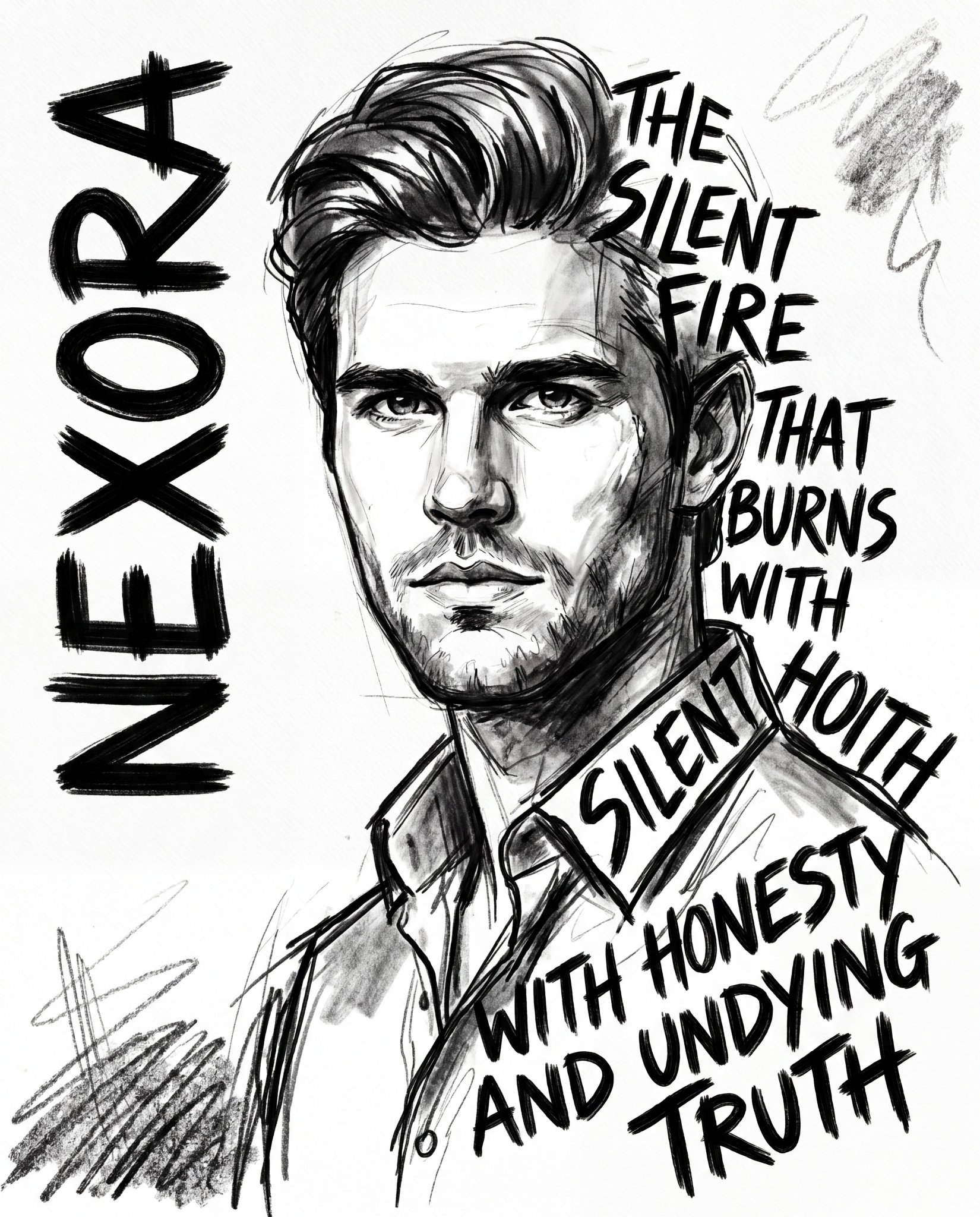
EXPRESSIONIST SKETCH PORTRAIT Subject name: {Enter Name Here} Create a 4:5 vertical portrait art poster in the style of Expressionist drawing, inspired by Egon Schiele. The medium should evoke rough white sketch paper texture, using a high contrast monochromatic palette of deep black ink, charcoal grey, and raw white with raw emotional energy and a bold, gallery-quality feel. Based on the uploaded reference photo, faithfully preserve the subject’s facial features, hairstyle, and personal aura in a half-body portrait composition. The rendering style is expressionist ink and charcoal portraiture, not photography, not cartoon, not anime. Facial details should be rendered with loose gestural lines, visible sketch marks, deliberate smudges, and intentionally unfinished areas that give the subject life and emotional intensity. On the left side of the composition, write the subject’s full name in large bold expressive brushstroke lettering as a vertical column, with raw ink energy, line variation, and deliberate imperfection that matches the gestural drawing style. The name strokes should feel like they are drawn with the same hand and the same urgency as the portrait itself. Based on the subject’s name, overall mood, and personal aura, automatically generate one elegant poetic English phrase of 8 to 12 words. The phrase should feel emotionally resonant and not modern colloquial, raw and honest and not overly obscure or kitschy, and deeply evocative of the subject’s inner spirit and temperament. Only this one generated phrase should appear in the composition with no repetition and no full-page text coverage. This poetic phrase must be rendered in bold expressive brushstroke script and organically compose the contours of the figure, with the gestural letterforms bleeding directly into and tracing the subject’s head silhouette, hair flow, facial outline, neck, shoulder, and upper body lines. The viewer should feel as if the written words and the drawn figure share the same raw ink energy, as if the act of writing the phrase was the same act as drawing the person into existence. Preserve large areas of raw open white space. In the lower left add loose gestural sketch marks suggesting ground or shadow. In the upper right add sparse expressive mark-making that suggests space and atmosphere without forming a clear image. These background elements must be raw and minimal and must never compete with the portrait. Style keywords: Expressionist sketch portrait, Schiele-inspired drawing, gestural brushstroke lettering figure construction, high contrast ink and charcoal, figure outline formed by expressive letterforms, raw energy, emotional, bold, gallery-quality art poster. Avoid: any Chinese characters or Asian script, cartoon or anime style, vivid colors, clean modern fonts, repetitive or excessive text, cluttered composition, overly refined digital art feel, commercial poster kitsch.