Case Media
Case Notes
This page keeps the media, full prompt, and original source together so you can inspect the result first and decide whether the prompt is worth copying, saving, or comparing.
Case Insights
To make this page easier to search, cite, and reuse later, the case is also broken down into practical guidance about usage, visual cues, and prompt structure.
Best Fit Scenarios
- Use this as a character design benchmark when you need a fast style baseline before rewriting your own prompt.
- It is especially helpful if your target overlaps with Cinematic, Illustration, Character and you want to judge the image result before tuning wording.
- Keep it as a control sample when you compare nearby prompt variants one variable at a time.
Visual Signals To Notice
- The clearest style signals here are Cinematic, Illustration, Character, so those should usually stay in your first rewrite.
- Look at silhouette, costume language, mood styling, and whether the character reads clearly at a glance.
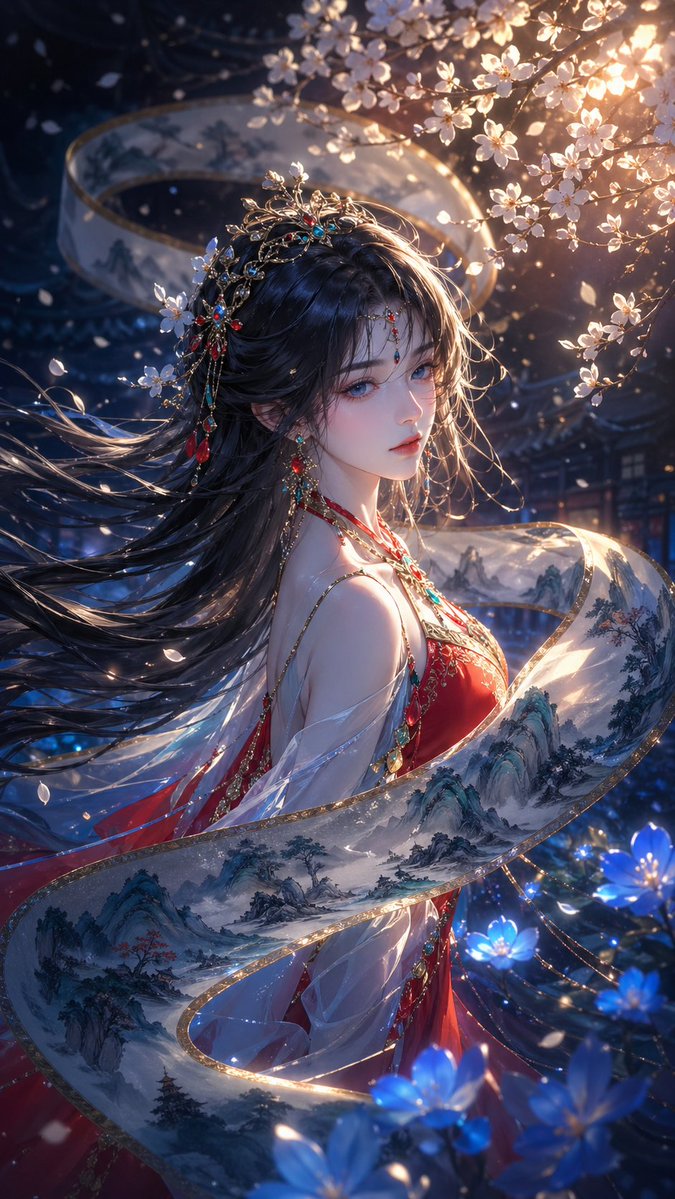
- This case keeps one primary output, so the first image should be treated as the main visual reference.
How The Prompt Is Structured
- The prompt reads as a long, highly specified prompt, which is useful when you want to judge how much specificity this direction needs.
- Its keyword cluster is centered on Cinematic, Illustration, Character, so you can usually keep that cluster while swapping subject, camera, layout, or copy details.
- A practical rewrite path is: keep the outcome, keep the strongest style cues, then replace only the subject and environment blocks.
Good Follow-up Questions
- What changes first if you keep Cinematic, Illustration, Character but switch the subject matter?
- Which part of the result comes from section-level structure (Character Design) versus tag-level style cues?
- Which related cases in the same section give you a cleaner or more extreme variation of the same direction?
Full Prompt
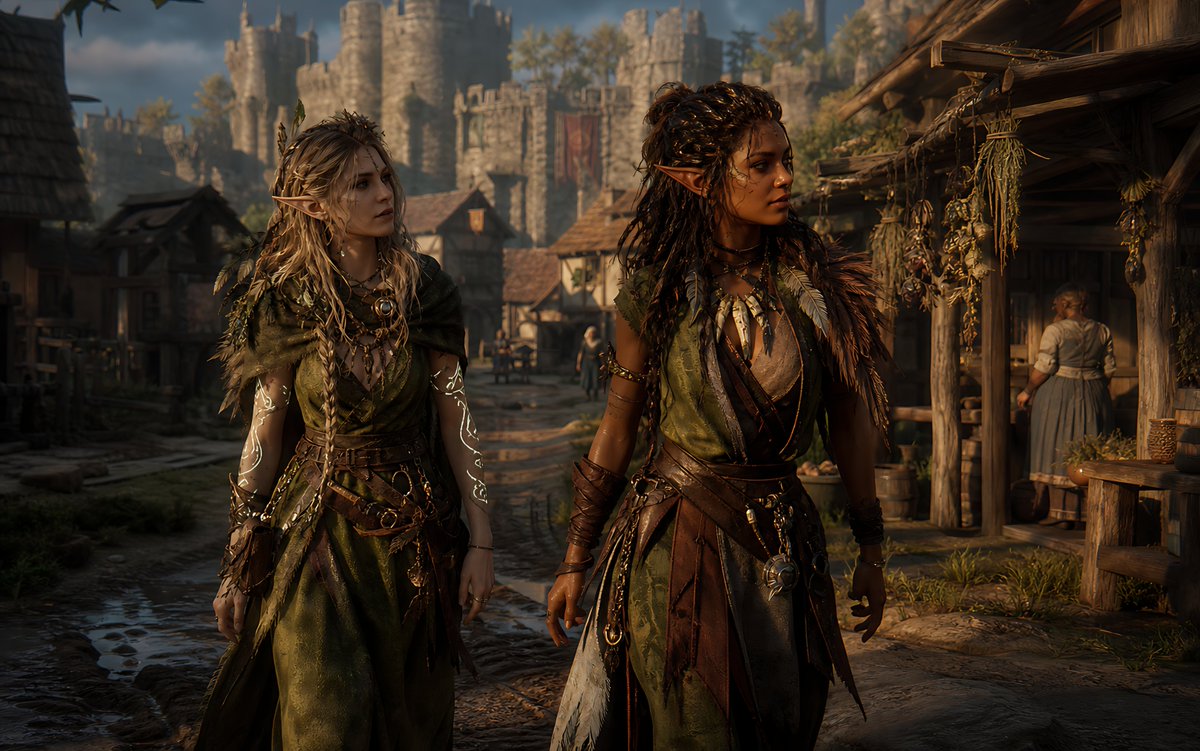
Create a cinematic dark-fantasy medieval street scene in ultra-realistic 3D game concept art style, widescreen 16:9. In the foreground, show two adult elven adventurers walking side by side toward the viewer through a muddy cobblestone village road. The left character is a pale-skinned elf woman with long messy {argument name="left character hair color" default="ash blonde"} braided hair, pointed ears, layered olive-green druid robes, leather belts, pouches, dangling metal charms, necklaces, torn fabric strips, leaf-and-feather details, and glowing white vine-like magical tattoos spiraling down both forearms. The right character is a darker-skinned elf woman with long thick {argument name="right character hair color" default="dark brown"} dreadlocked hair, pointed ears, a green-and-brown leather ranger outfit, fur shoulder mantle, feather ornaments, arm wraps, belts, chains, talismans, and a confident warrior posture. Both faces are intentionally hidden by plain opaque {argument name="face covering color" default="dark brown"} square censor blocks, centered over their faces. Set the background in a richly detailed medieval market village with timber-and-thatch houses, hanging bundles of dried herbs on the right-side shopfront, barrels, baskets, wooden stalls, distant townspeople, and a large stone castle with towers and battlements rising in the background. Use {argument name="lighting mood" default="warm late-afternoon golden sunlight"}, dramatic shadows, volumetric haze, shallow depth of field, realistic fabric and leather textures, high detail, moody fantasy atmosphere, cinematic composition, Unreal Engine quality, no text, no logos.