Case Media
Case Notes
This page keeps the media, full prompt, and original source together so you can inspect the result first and decide whether the prompt is worth copying, saving, or comparing.
Case Insights
To make this page easier to search, cite, and reuse later, the case is also broken down into practical guidance about usage, visual cues, and prompt structure.
Best Fit Scenarios
- Use this as a character design benchmark when you need a fast style baseline before rewriting your own prompt.
- It is especially helpful if your target overlaps with Portrait, Fashion, Character and you want to judge the image result before tuning wording.
- Keep it as a control sample when you compare nearby prompt variants one variable at a time.
Visual Signals To Notice
- The clearest style signals here are Portrait, Fashion, Character, so those should usually stay in your first rewrite.
- Look at silhouette, costume language, mood styling, and whether the character reads clearly at a glance.
- This case keeps 2 media outputs, which makes it easier to check whether the style remains stable across multiple results.
How The Prompt Is Structured
- The prompt reads as a long, highly specified prompt, which is useful when you want to judge how much specificity this direction needs.
- Its keyword cluster is centered on Portrait, Fashion, Character, so you can usually keep that cluster while swapping subject, camera, layout, or copy details.
- A practical rewrite path is: keep the outcome, keep the strongest style cues, then replace only the subject and environment blocks.
Good Follow-up Questions
- What changes first if you keep Portrait, Fashion, Character but switch the subject matter?
- Which part of the result comes from section-level structure (Character Design) versus tag-level style cues?
- Which related cases in the same section give you a cleaner or more extreme variation of the same direction?
Full Prompt
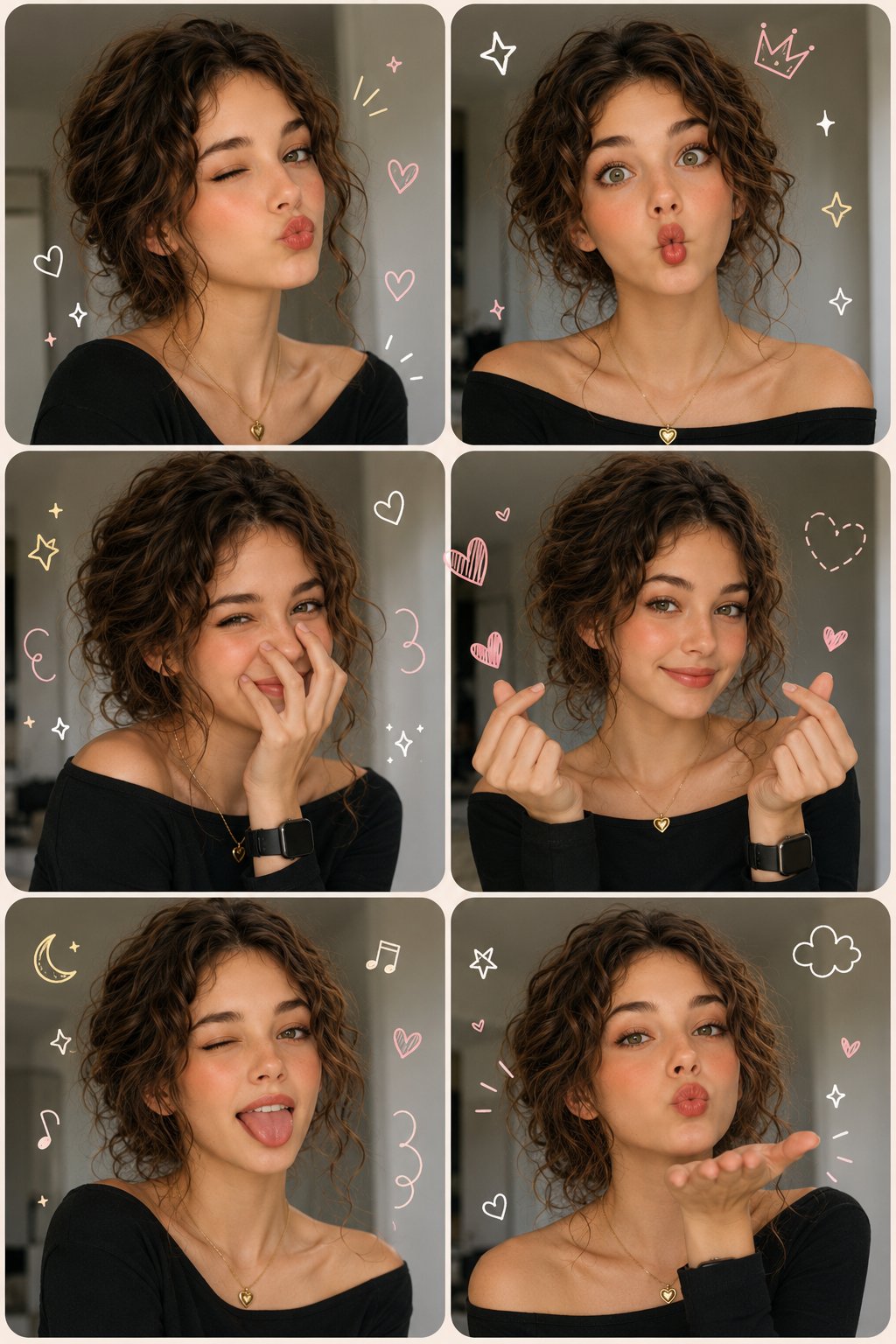
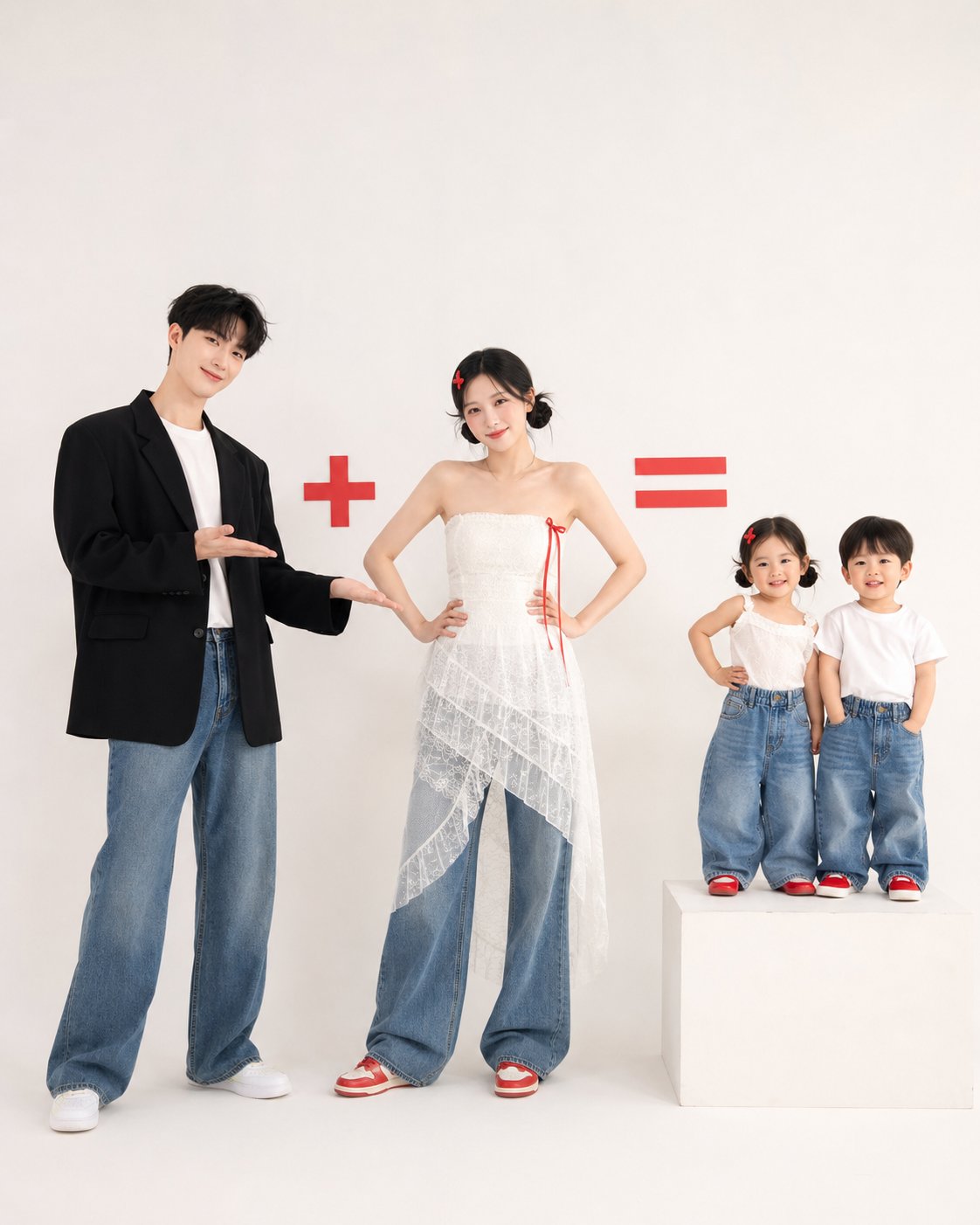
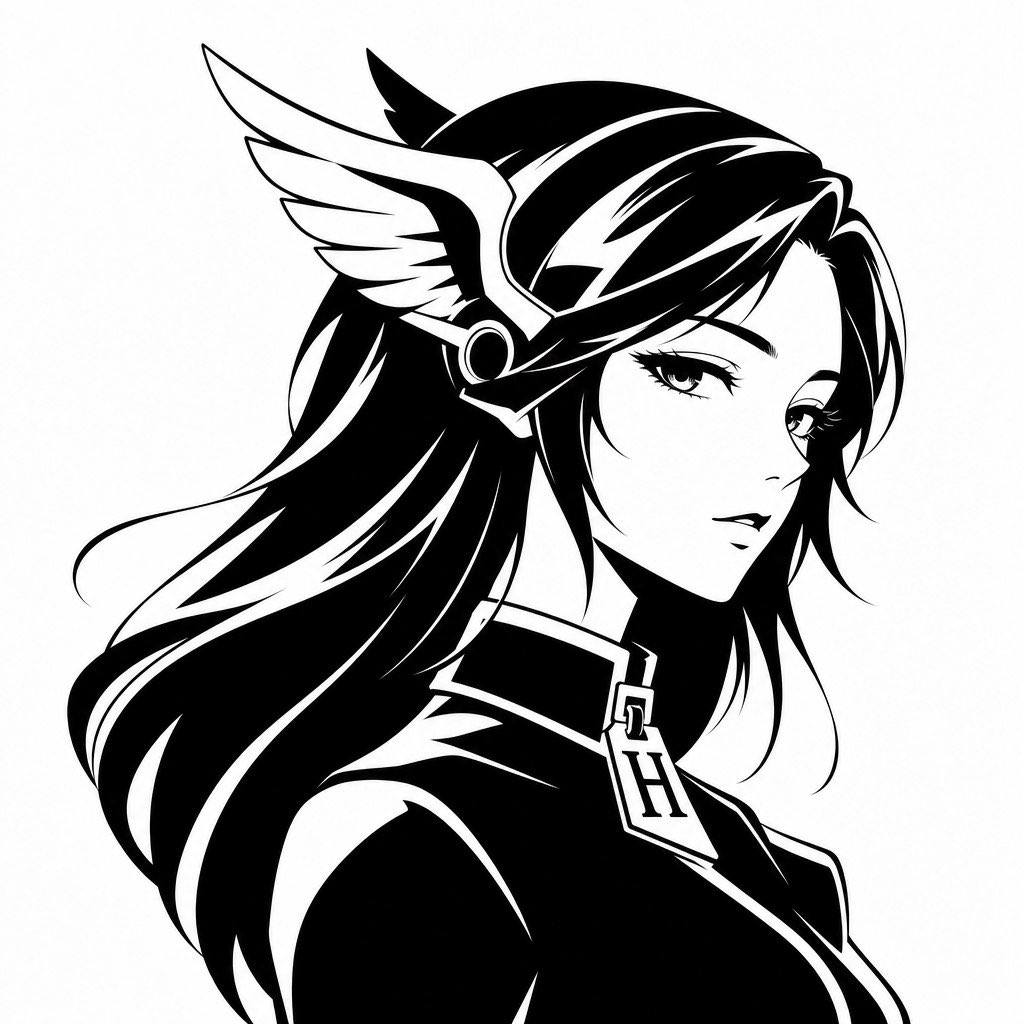
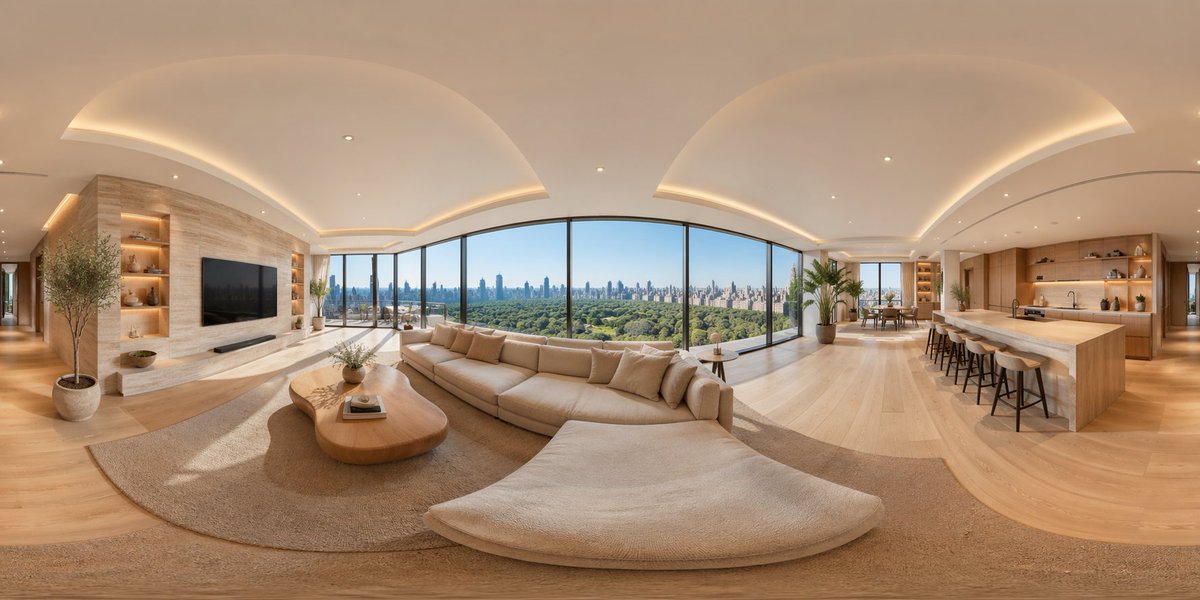
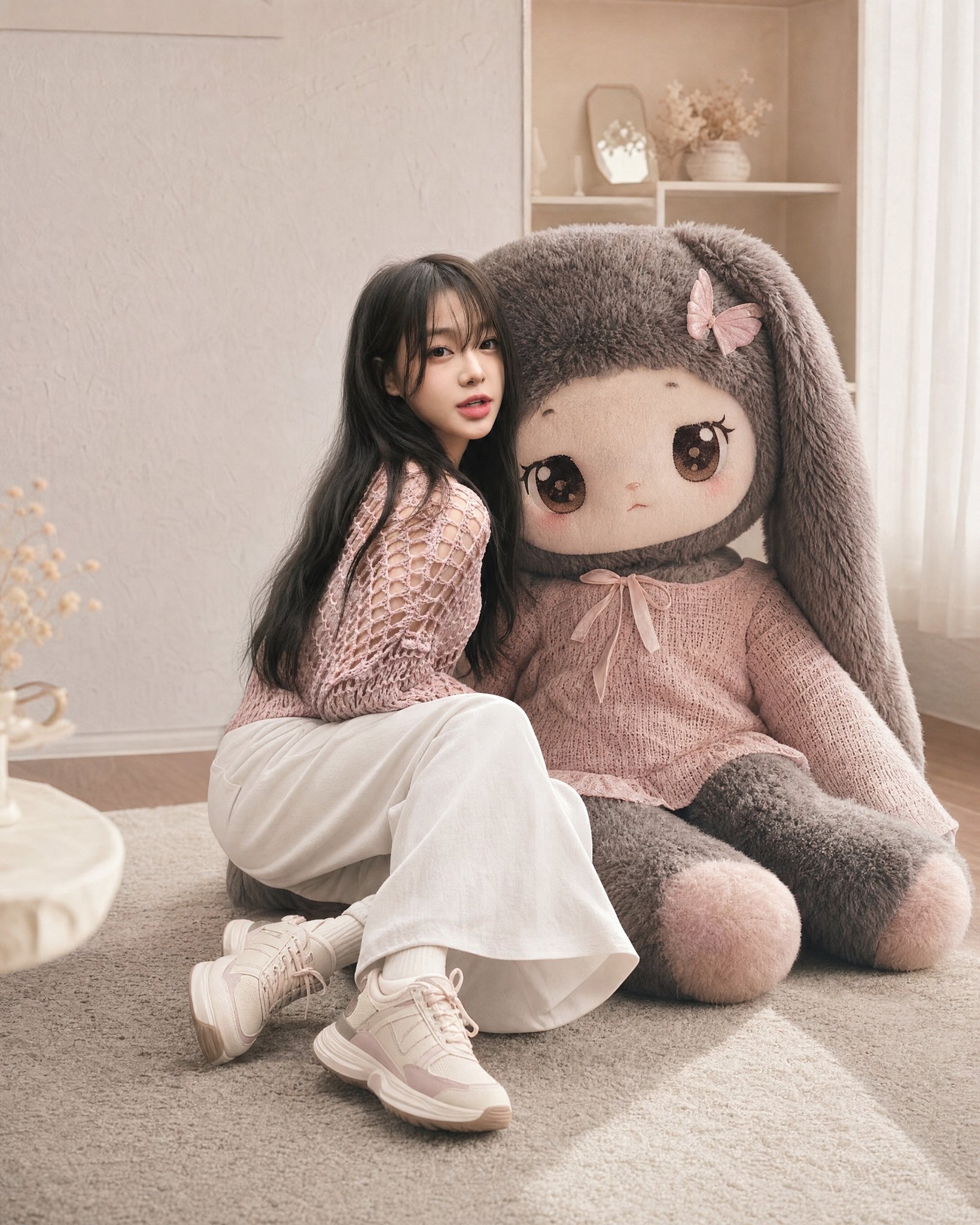
Use the uploaded portrait as the identity reference and preserve the person's recognizable facial features, hairstyle, skin tone, expression, fashion sense, and overall presence. Create a premium full-body portrait of the same person alongside a large custom-designed plush companion that feels like their mascot alter ego. The plush should be inspired by the subject's mood, facial impression, styling, posture, and overall energy rather than being a generic animal or mascot. Automatically choose a creature concept that best matches the person's unique vibe, avoiding predictable or stereotype-based selections. The mascot must clearly be an oversized plush toy with soft fuzzy fabrics, rounded shapes, detailed stitching, premium textures, and a collectible designer-toy aesthetic. Its design, expression, silhouette, and proportions should subtly reflect the person's character and visual identity. Build a harmonious color palette using cues from the subject's hair, skin tone, clothing, and atmosphere so the person, mascot, and scene feel naturally connected. Show both the person and plush fully visible from head to toe, including shoes and all parts of the mascot, with balanced framing and comfortable spacing. Choose a natural interaction that suits the subject, such as standing beside, sitting with, leaning on, lightly hugging, or casually engaging with the plush companion. Keep the person's expression relaxed, warm, and authentic with a subtle smile or calm gaze, avoiding stiff poses or mannequin-like appearances. If the original image only shows part of the outfit, intelligently complete the full look in a believable and stylish way. Place the scene in a clean, aesthetically pleasing environment such as a minimalist studio, cozy lifestyle setting, or refined editorial backdrop that complements both the person and mascot without distractions. The final image should feel charming, cozy, stylish, emotionally engaging, visually cohesive, and suitable for a high-end character campaign or social-media editorial. Avoid cropped bodies, hidden shoes, incomplete mascot visibility, generic animal choices, real animals, horror elements, cheap toy aesthetics, awkward poses, cluttered backgrounds, distorted anatomy, extra limbs, text, logos, or watermarks.