Case Media
Case Notes
This page keeps the media, full prompt, and original source together so you can inspect the result first and decide whether the prompt is worth copying, saving, or comparing.
Case Insights
To make this page easier to search, cite, and reuse later, the case is also broken down into practical guidance about usage, visual cues, and prompt structure.
Best Fit Scenarios
- Use this as a character design benchmark when you need a fast style baseline before rewriting your own prompt.
- It is especially helpful if your target overlaps with Portrait, Fashion, Character and you want to judge the image result before tuning wording.
- Keep it as a control sample when you compare nearby prompt variants one variable at a time.
Visual Signals To Notice
- The clearest style signals here are Portrait, Fashion, Character, so those should usually stay in your first rewrite.
- Look at silhouette, costume language, mood styling, and whether the character reads clearly at a glance.
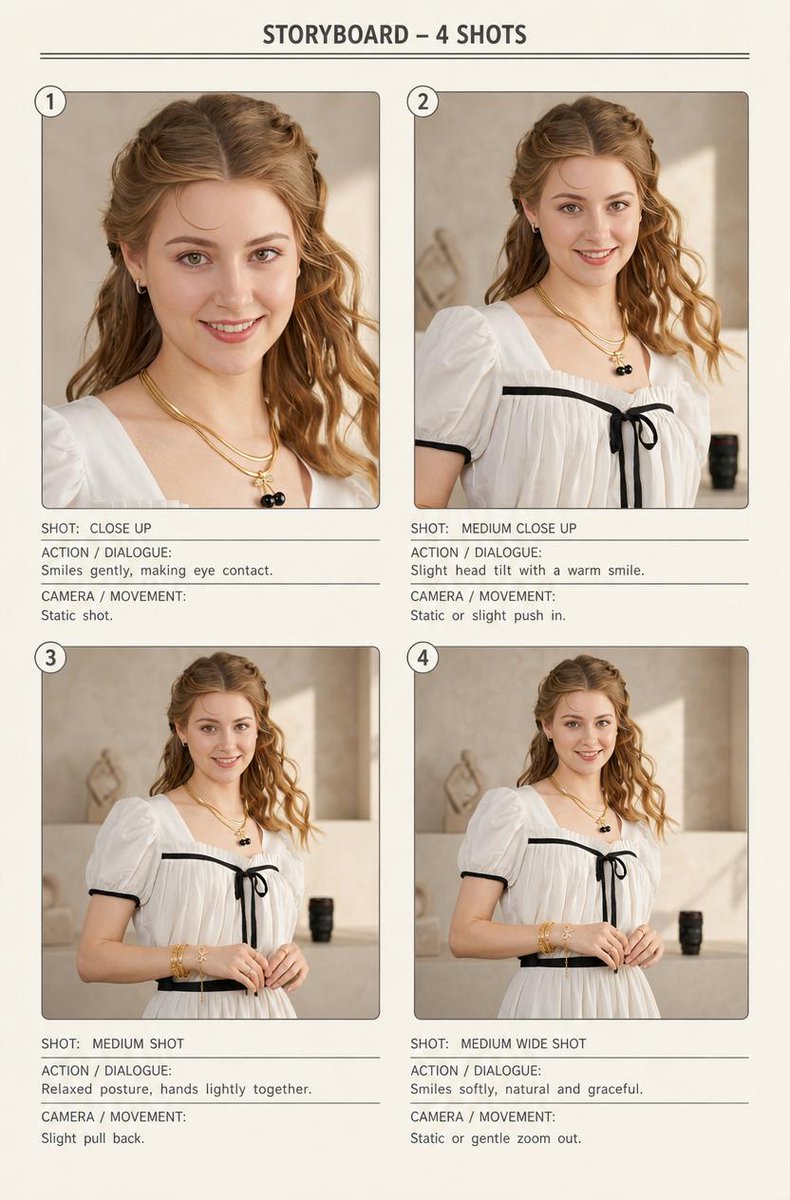
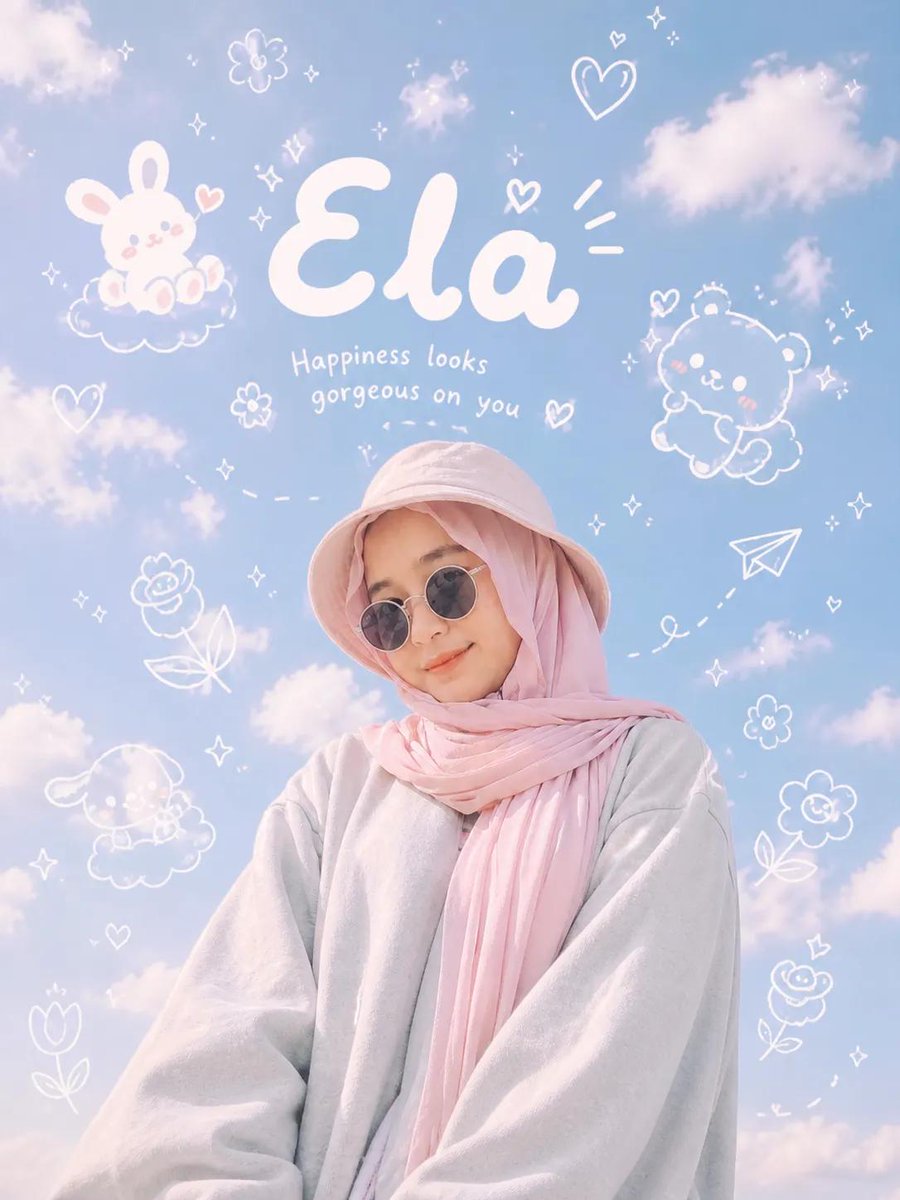
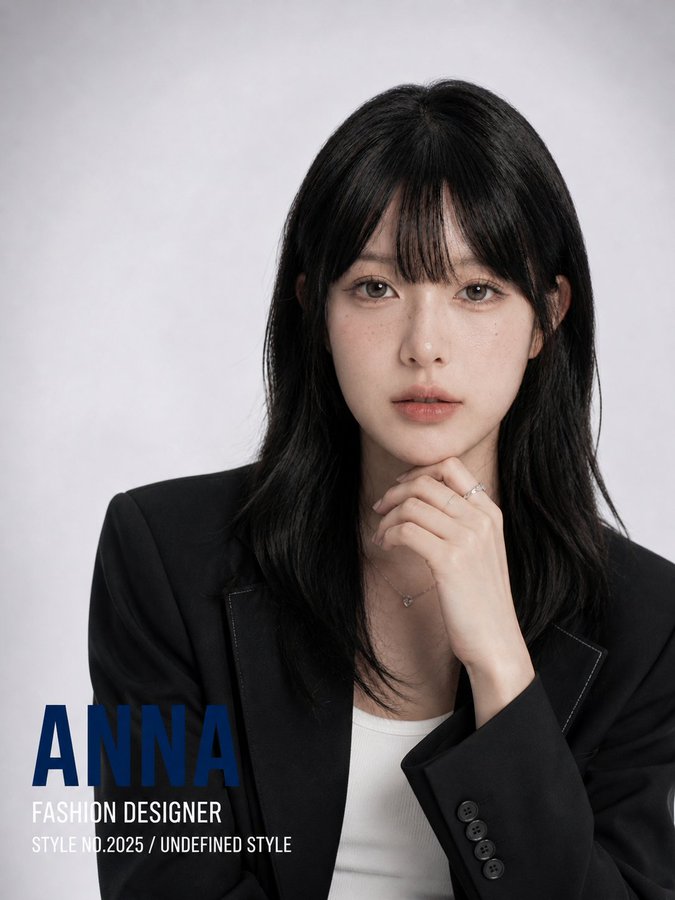
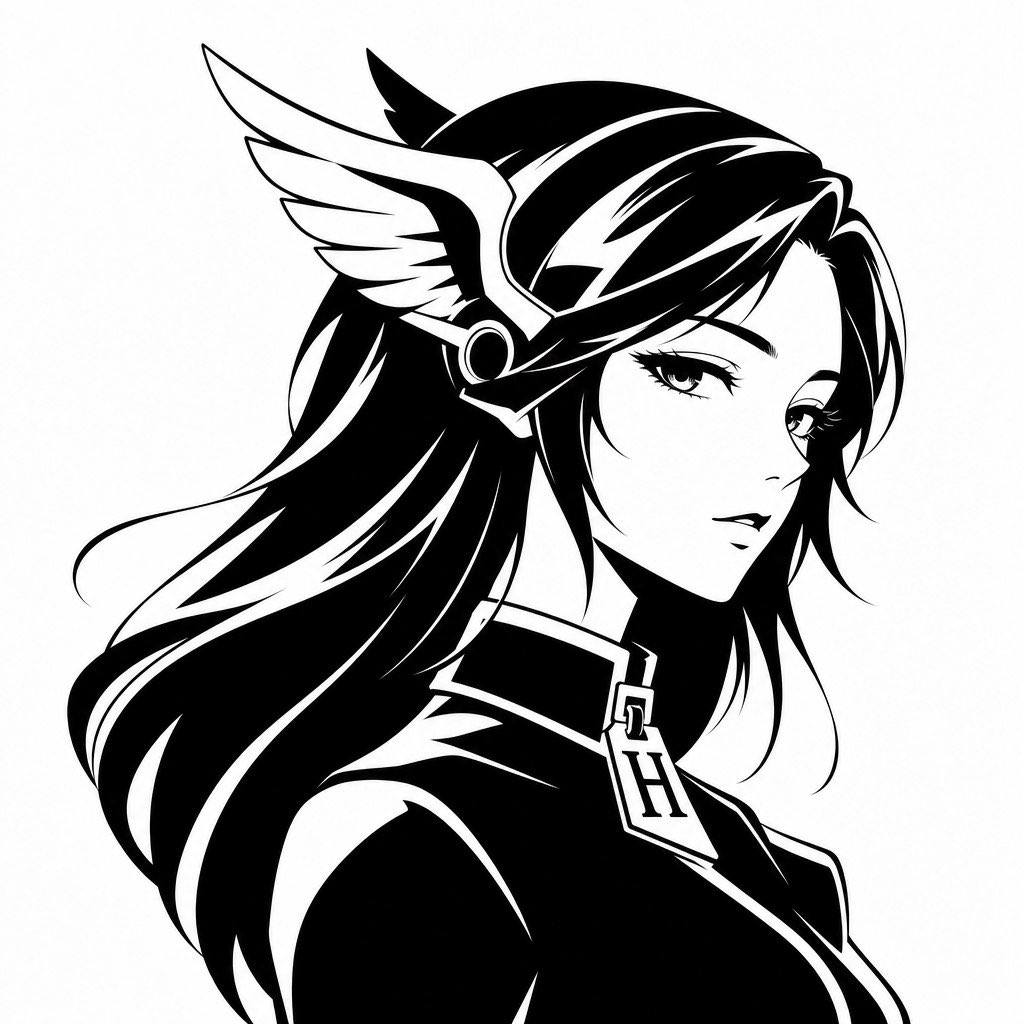
- This case keeps 3 media outputs, which makes it easier to check whether the style remains stable across multiple results.
How The Prompt Is Structured
- The prompt reads as a long, highly specified prompt, which is useful when you want to judge how much specificity this direction needs.
- Its keyword cluster is centered on Portrait, Fashion, Character, so you can usually keep that cluster while swapping subject, camera, layout, or copy details.
- A practical rewrite path is: keep the outcome, keep the strongest style cues, then replace only the subject and environment blocks.
Good Follow-up Questions
- What changes first if you keep Portrait, Fashion, Character but switch the subject matter?
- Which part of the result comes from section-level structure (Character Design) versus tag-level style cues?
- Which related cases in the same section give you a cleaner or more extreme variation of the same direction?
Full Prompt
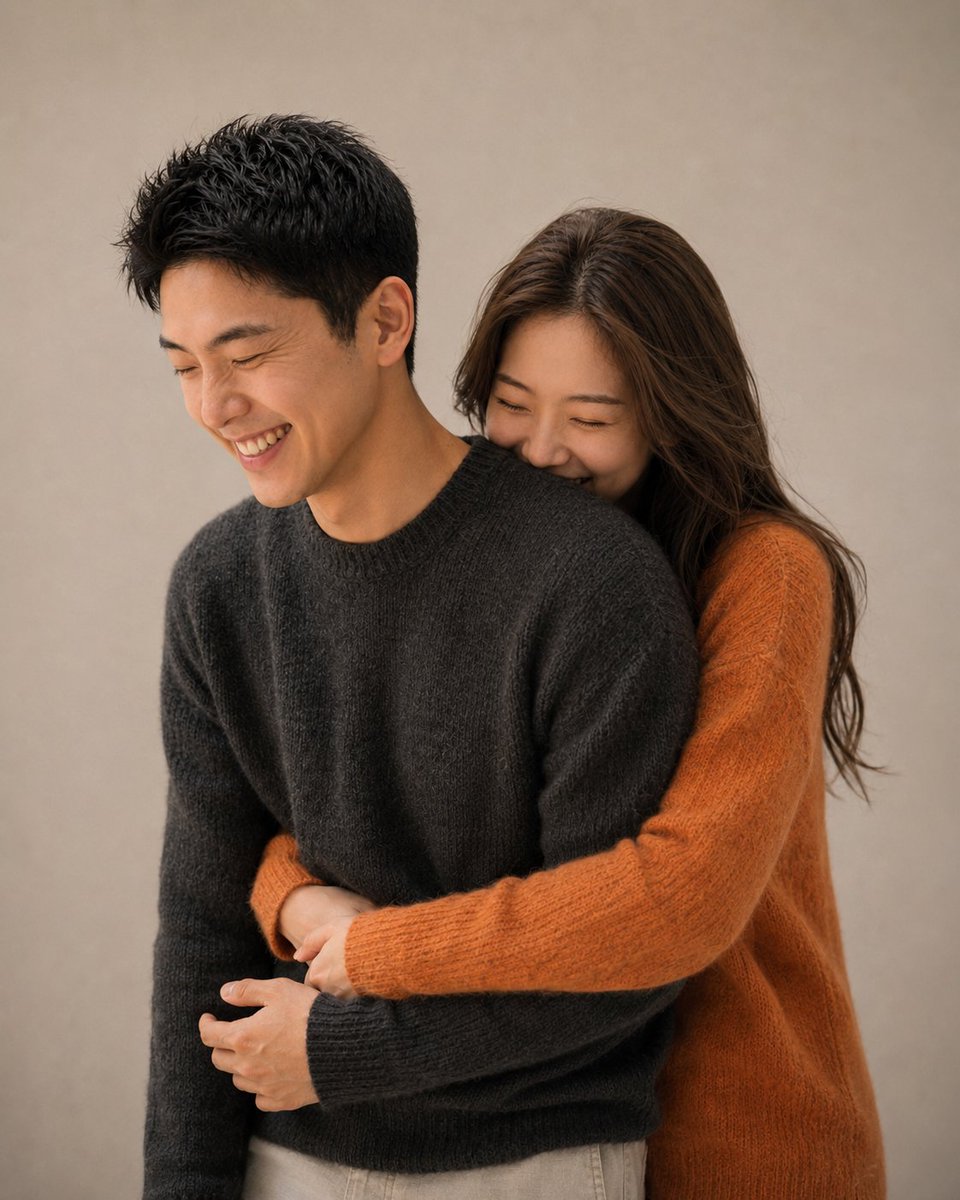
Based on the clear photos of {argument name="relationship" default="two adult couples"} uploaded by the user, generate a {argument name="photography style" default="Korean-style couple magazine studio photo shoot"}. Strictly preserve the real identity characteristics of both individuals, including face shape, feature proportions, eyes, nose, lips, skin tone, age, hairstyle, and overall temperament. The result must clearly look like the same couple, not strangers, and avoid Westernization or excessive beautification. Use the uploaded photos only for character reference; do not retain the original background, clothing, or composition. The style should be: minimalist studio shoot, gentle, natural, quiet, and intimate, like a fashion magazine spread. Backgrounds should be seamless studio backdrops in light gray, warm gray, or cream. Lighting should be soft studio light. Clothing direction: {argument name="clothing coordination" default="charcoal gray knit for the man, warm orange fuzzy knit for the woman"}. Emphasize eye contact, emotion, and the relationship, showing trust, relaxation, and natural intimacy. Avoid mechanical poses. Expressions should range from faint smiles and quiet relaxation to being genuinely amused or caught in a shy moment. Ensure varied angles and compositions to feel like different moments from a single shoot. Maintain realistic body proportions and head-to-body ratios for adults. Ensure natural limb interaction (hugging, holding hands) without AI artifacts. Negative constraints: no hollow eyes, repetitive smiles, excessive drama, or distorted body structures.