Case Media
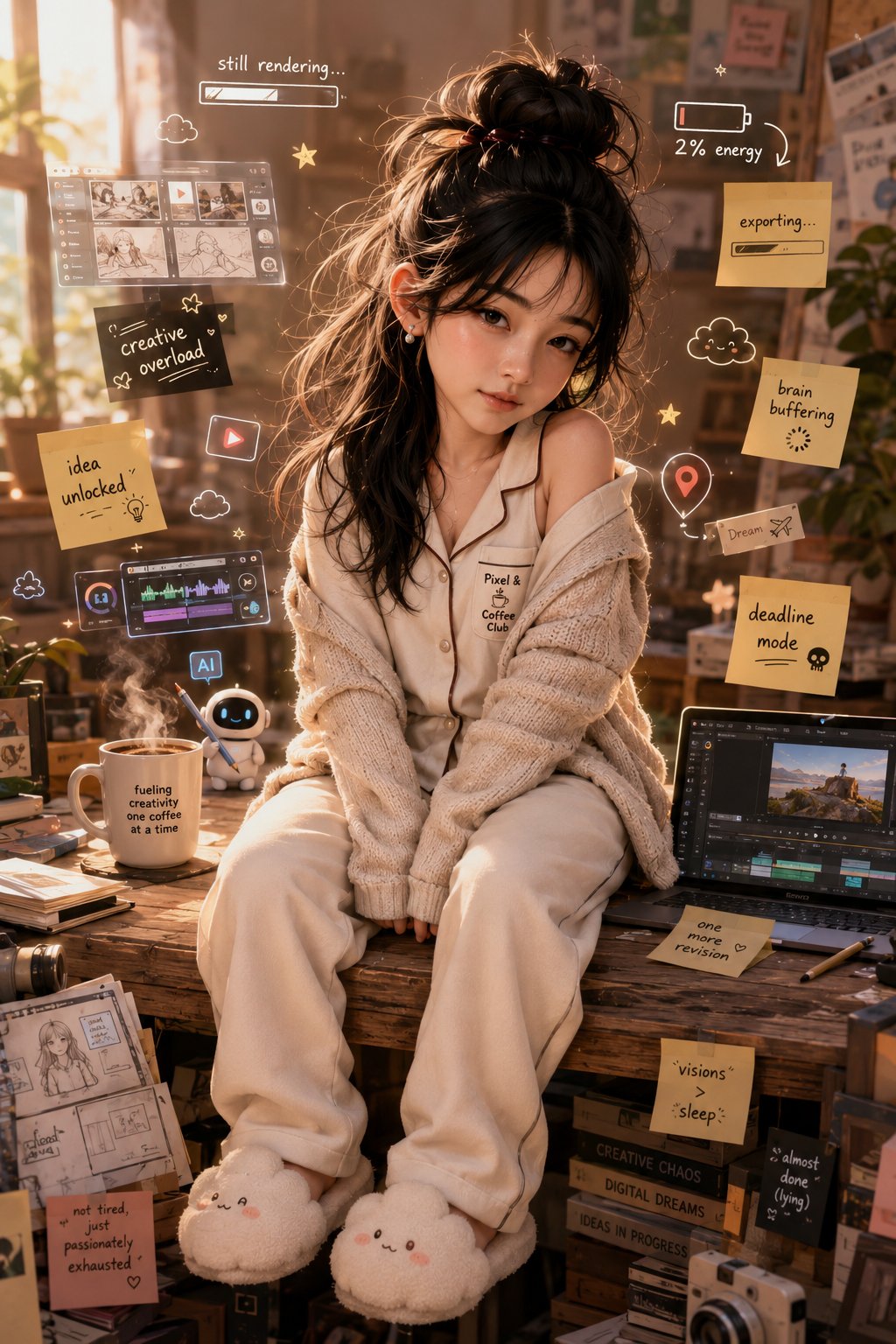
Case Notes
This page keeps the media, full prompt, and original source together so you can inspect the result first and decide whether the prompt is worth copying, saving, or comparing.
Case Insights
To make this page easier to search, cite, and reuse later, the case is also broken down into practical guidance about usage, visual cues, and prompt structure.
Best Fit Scenarios
- Use this as a character design benchmark when you need a fast style baseline before rewriting your own prompt.
- It is especially helpful if your target overlaps with 35mm, Portrait, Cinematic and you want to judge the image result before tuning wording.
- Keep it as a control sample when you compare nearby prompt variants one variable at a time.
Visual Signals To Notice
- The clearest style signals here are 35mm, Portrait, Cinematic, so those should usually stay in your first rewrite.
- Look at silhouette, costume language, mood styling, and whether the character reads clearly at a glance.
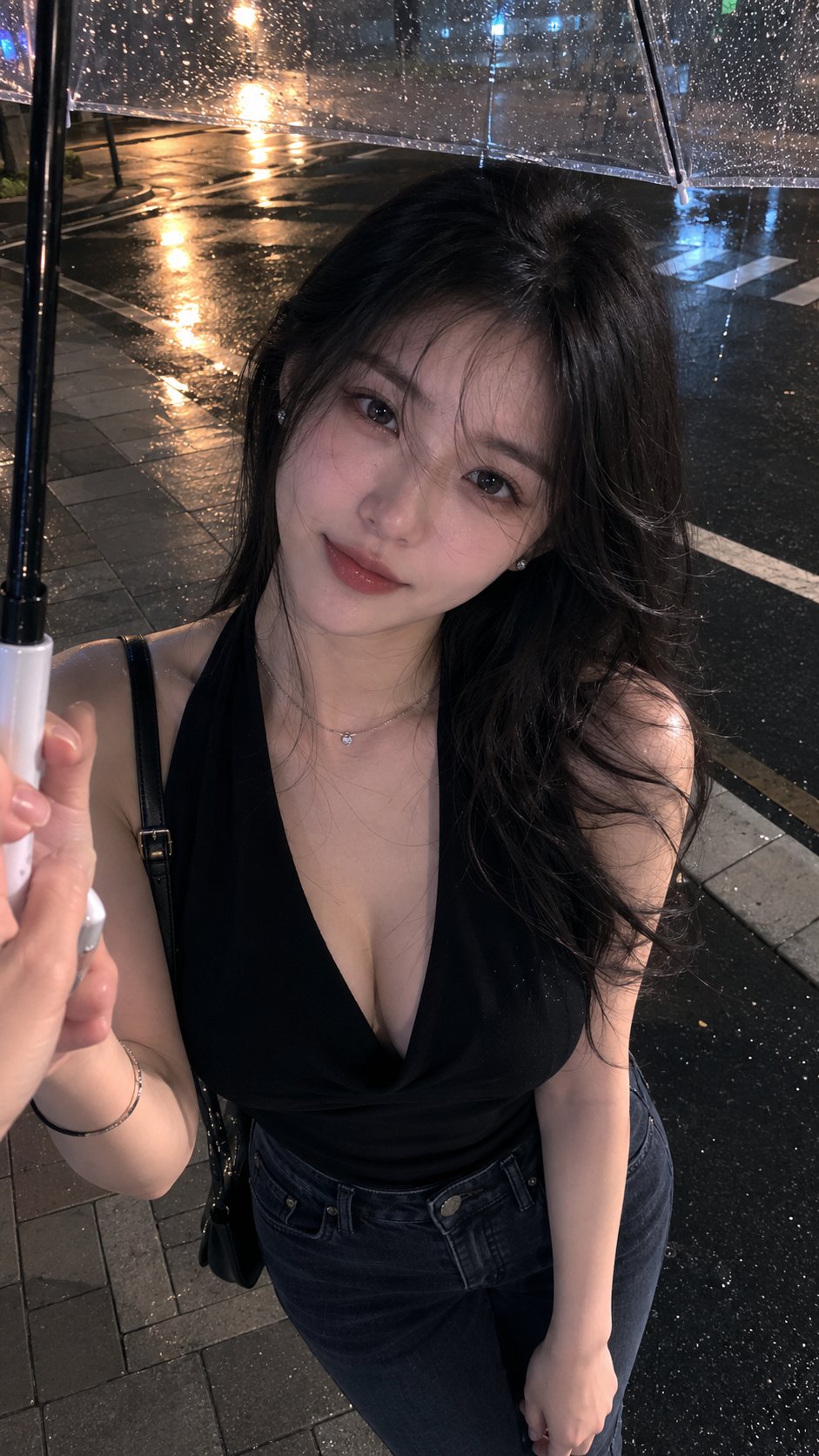
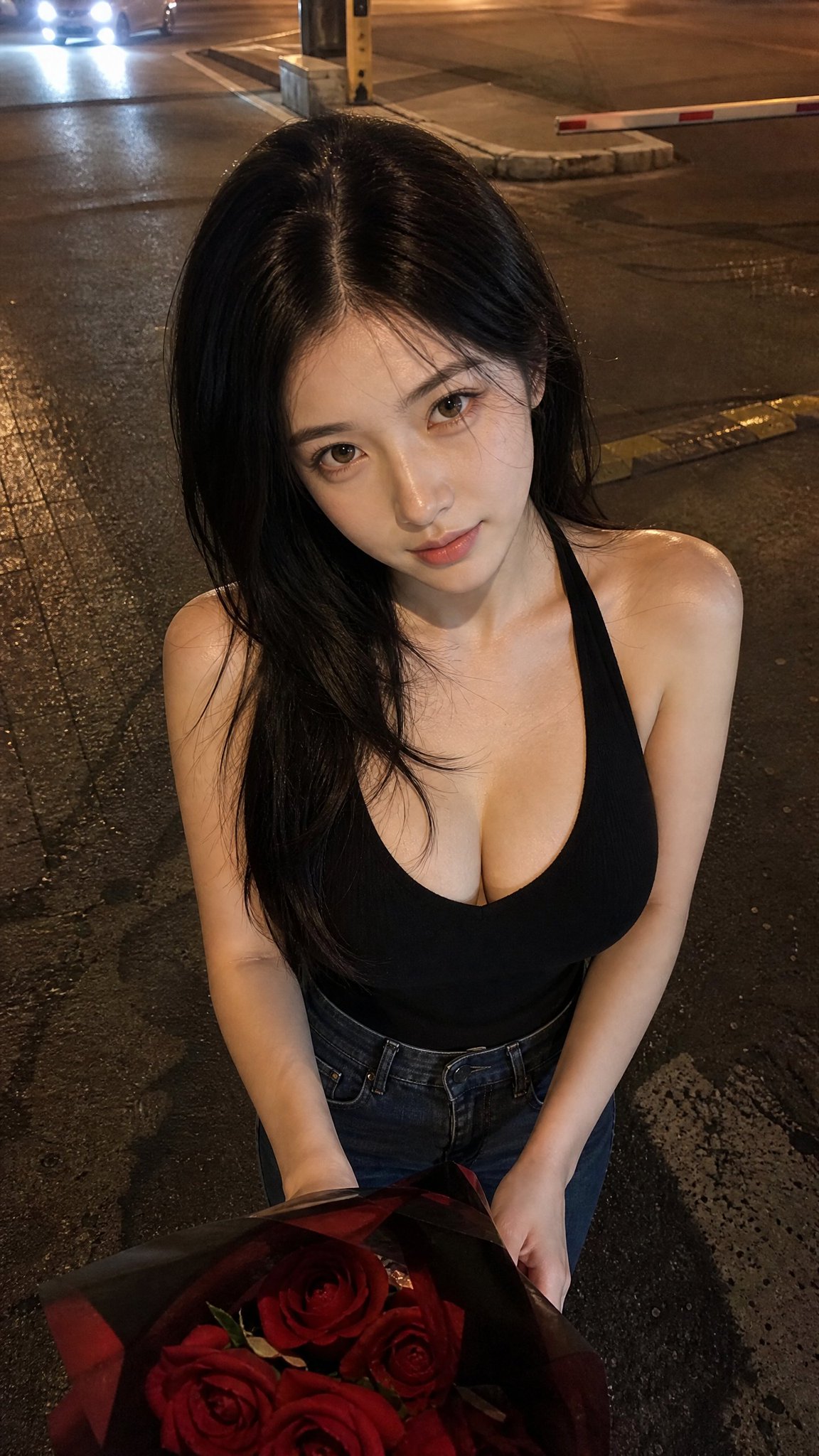
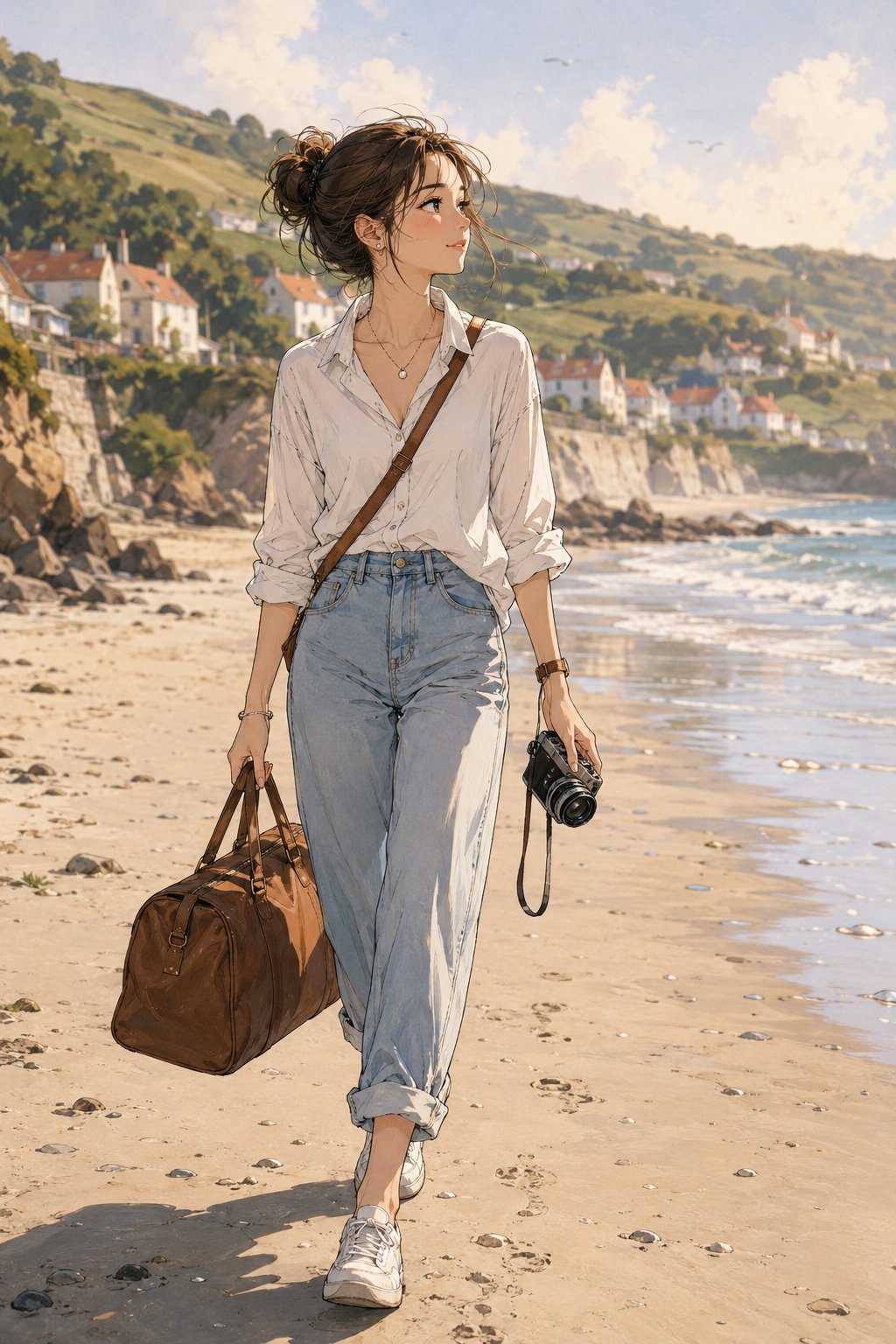
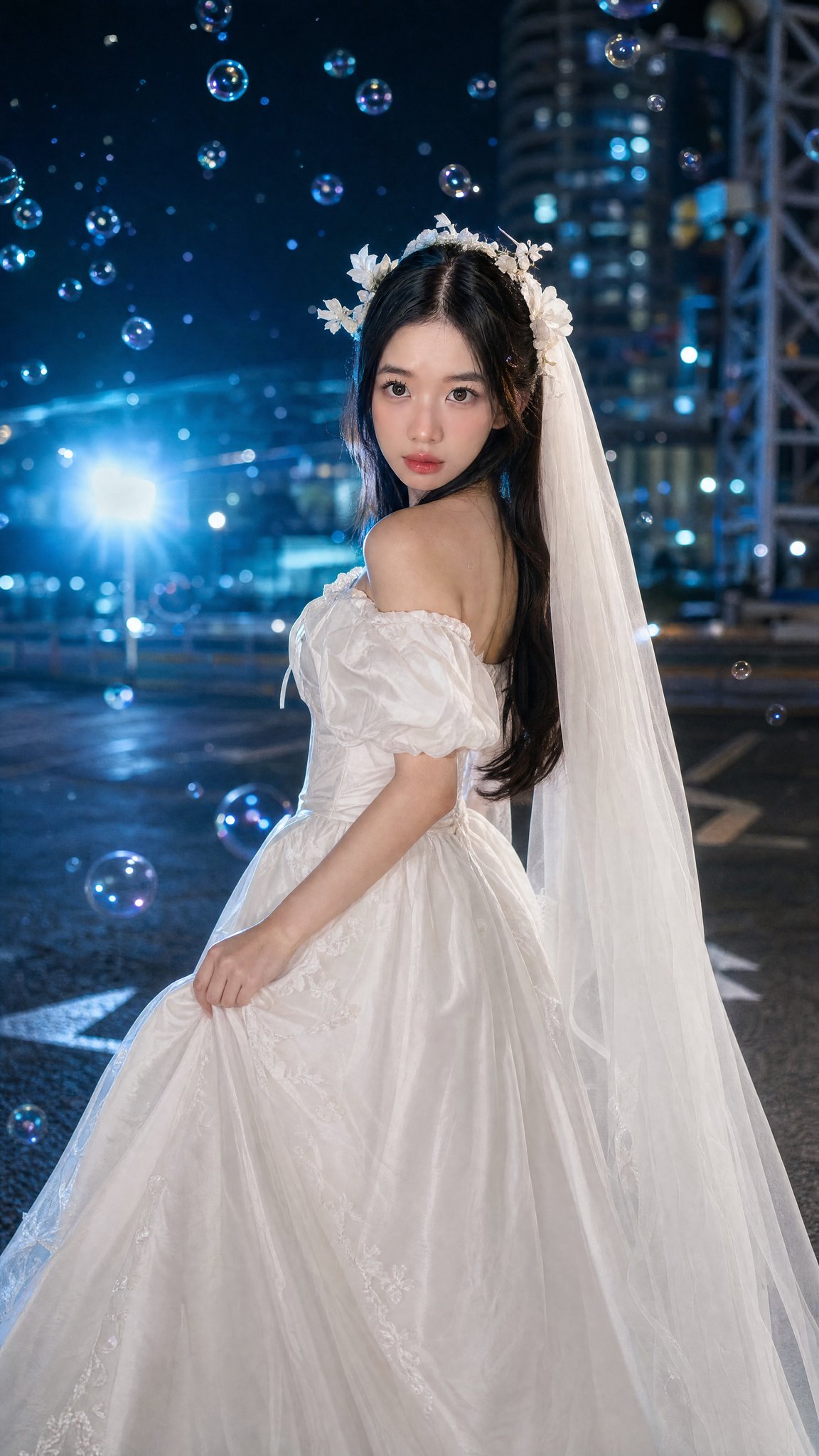
- This case keeps 2 media outputs, which makes it easier to check whether the style remains stable across multiple results.
How The Prompt Is Structured
- The prompt reads as a long, highly specified prompt, which is useful when you want to judge how much specificity this direction needs.
- Its keyword cluster is centered on 35mm, Portrait, Cinematic, so you can usually keep that cluster while swapping subject, camera, layout, or copy details.
- A practical rewrite path is: keep the outcome, keep the strongest style cues, then replace only the subject and environment blocks.
Good Follow-up Questions
- What changes first if you keep 35mm, Portrait, Cinematic but switch the subject matter?
- Which part of the result comes from section-level structure (Character Design) versus tag-level style cues?
- Which related cases in the same section give you a cleaner or more extreme variation of the same direction?
Full Prompt
Use my uploaded photo as the sole facial reference. Preserve my exact identity, facial proportions, eye shape, skin tone, lip shape, nose structure, and all distinctive features with exceptional accuracy and no facial drift. Create a highly detailed cinematic 3D chibi-style character portrait inspired by top-tier animated films, luxury collectible figurines, and contemporary designer toy aesthetics. The character represents a brilliant AI-powered digital creator running on pure creativity and almost no sleep after a marathon night of editing and designing. Scene: Early morning inside a cozy creative studio. She sits drowsily on the edge of a weathered wooden workbench, legs gently swinging, looking exhausted yet irresistibly charming. Her fluffy hair is gathered into a loose messy bun with flyaway strands escaping in every direction. Sleepy half-open eyes, subtle under-eye shadows, a tiny rosy nose, and an expression that perfectly captures "I've been awake for way too long but I still have ideas." Outfit: Oversized soft-cream pajama set Tiny embroidered logo reading "Pixel & Coffee Club" Relaxed knitted cardigan casually slipping from one shoulder Plush cloud-shaped slippers Minimal pearl stud earrings Cozy oversized sleeves partially covering her hands Environment: Warm sunrise light fills the room through large studio windows. A steaming mug of coffee rests beside her. The background is softly blurred, filled with artistic clutter, creative tools, and subtle storytelling details that suggest endless projects in progress. Personality Elements Floating Around Her: Mini holographic editing timelines Tiny floating storyboard frames Digital sketch concepts Glowing location pins and travel stickers Sticky notes filled with random ideas Compact laptop displaying an unfinished creative project Pencil sketches and concept doodles Floating play-button icons Small animated stars, clouds, and creative symbols Tiny productivity meters running dangerously low Expression & Mood: Brilliant but overworked creator energy Lovably exhausted Chronic "one last revision" mindset Quietly chaotic genius Soft humor mixed with creative burnout Dreamy, relatable, and emotionally expressive Art Style: Ultra-premium stylized realism, luxury designer collectible quality, highly detailed hair fibers, realistic fabric textures, soft skin rendering, cinematic depth of field, subtle emotional storytelling, cozy lifestyle aesthetic, handcrafted figurine finish, social-media-worthy presentation. Lighting: Gentle morning window light, warm ambient shadows, soft volumetric atmosphere, realistic coffee steam illuminated by sunlight, cinematic glow, natural contrast. Color Palette: Warm espresso brown, creamy ivory, muted apricot, dusty sage, soft caramel, pale teal, brushed gold accents, cozy neutral tones. Composition: Centered portrait composition, symmetrical framing, expressive face as the focal point, shallow depth of field, premium luxury aesthetic, ultra-clean scene design, 8K quality, collectible character showcase. Add playful handwritten doodles around the composition: "still rendering..." "creative overload" "idea unlocked" "2% energy" "exporting..." "brain buffering" "deadline mode" Negative Prompt: low quality, distorted anatomy, facial drift, inaccurate identity, extra limbs, extra fingers, malformed hands, plastic skin, blurry eyes, overexposed lighting, duplicated objects, warped furniture, messy framing, low detail textures, uncanny expression, oversaturated colors, poor proportions, artifacts, low-resolution render.