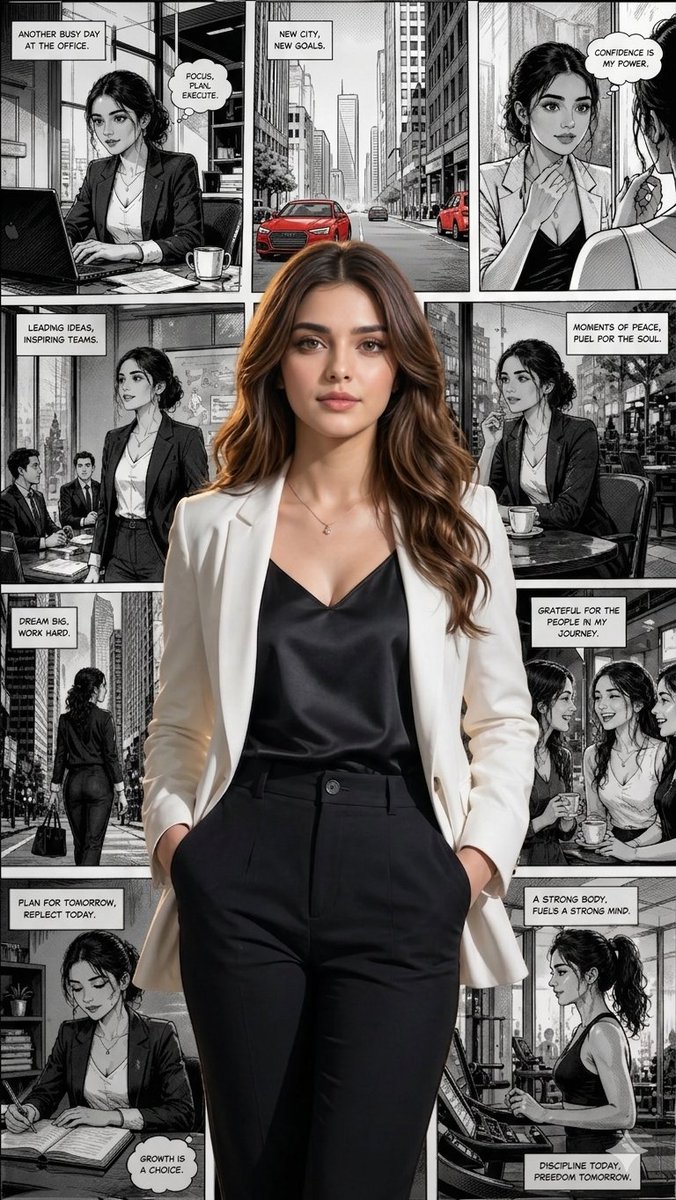
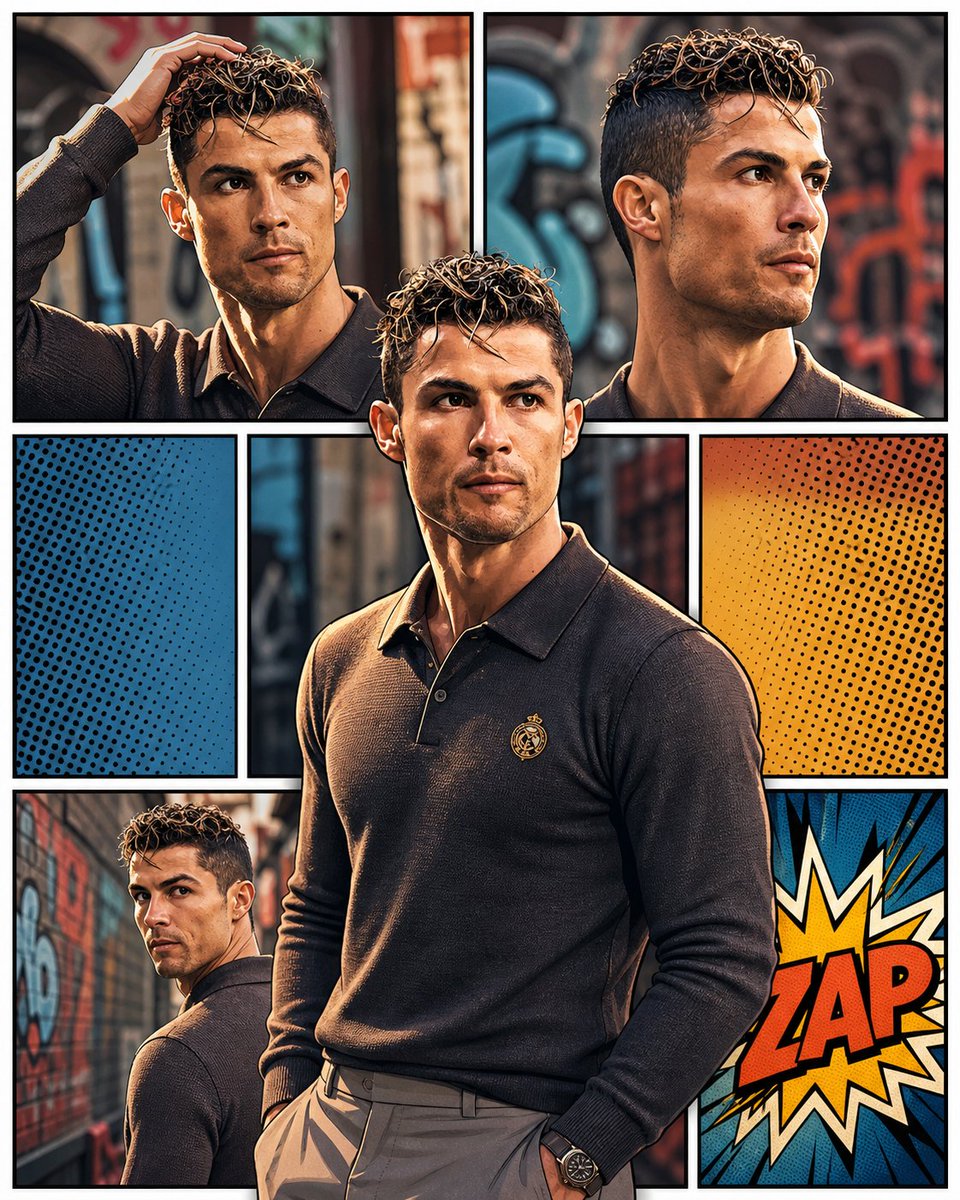
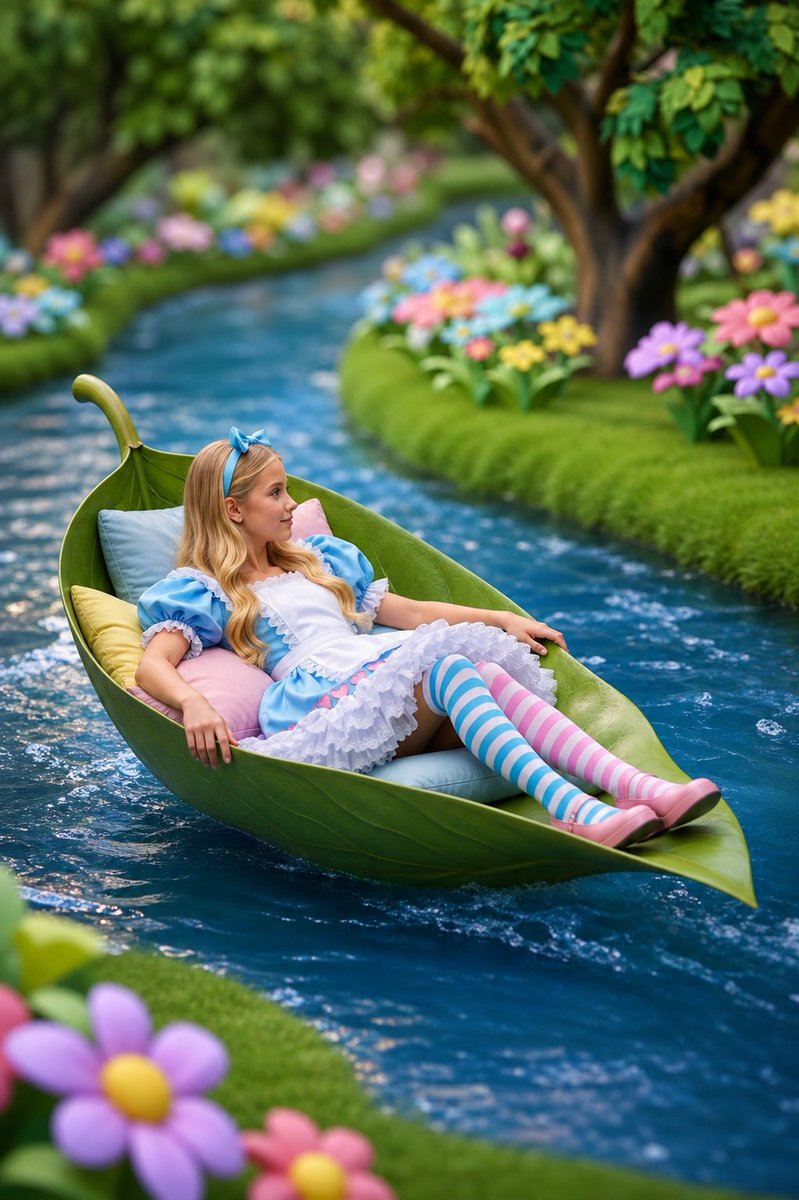
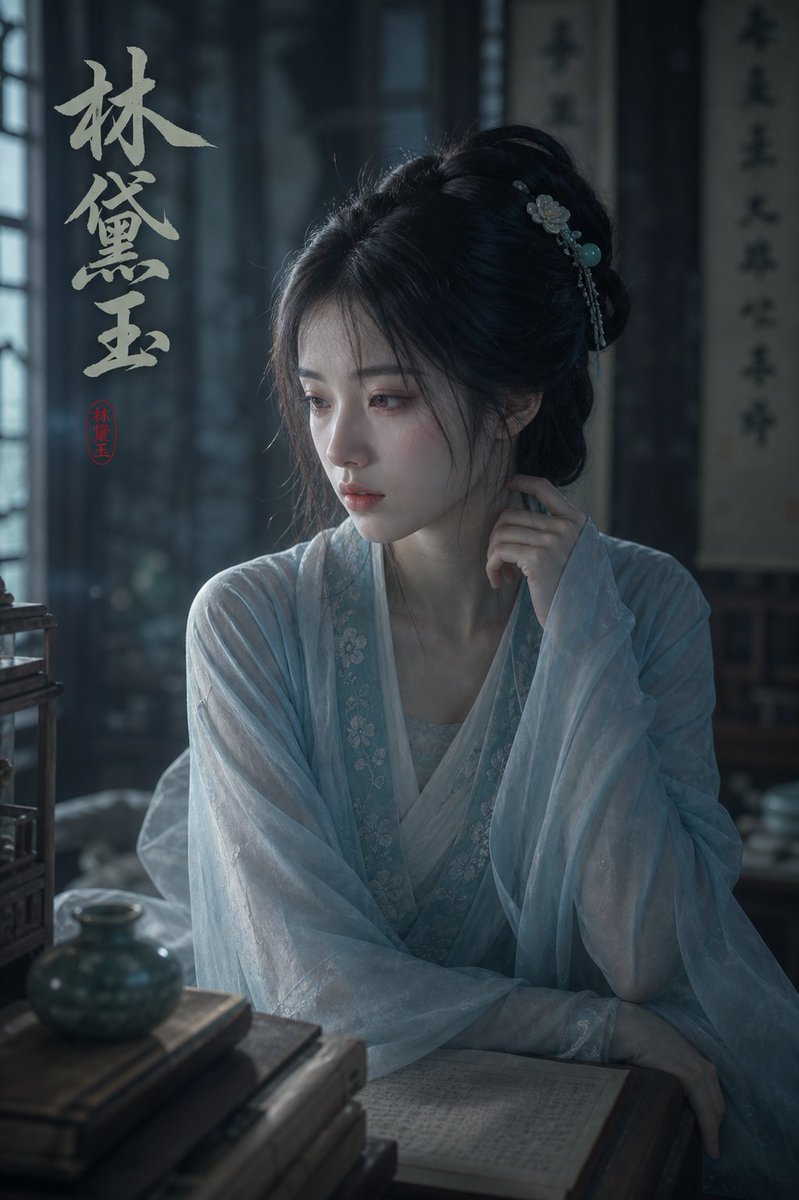
Case Media
Case Notes
This page keeps the media, full prompt, and original source together so you can inspect the result first and decide whether the prompt is worth copying, saving, or comparing.
Case Insights
To make this page easier to search, cite, and reuse later, the case is also broken down into practical guidance about usage, visual cues, and prompt structure.
Best Fit Scenarios
- Use this as a character design benchmark when you need a fast style baseline before rewriting your own prompt.
- It is especially helpful if your target overlaps with Portrait, Cinematic, Character and you want to judge the image result before tuning wording.
- Keep it as a control sample when you compare nearby prompt variants one variable at a time.
Visual Signals To Notice
- The clearest style signals here are Portrait, Cinematic, Character, so those should usually stay in your first rewrite.
- Look at silhouette, costume language, mood styling, and whether the character reads clearly at a glance.
- This case keeps one primary output, so the first image should be treated as the main visual reference.
How The Prompt Is Structured
- The prompt reads as a long, highly specified prompt, which is useful when you want to judge how much specificity this direction needs.
- Its keyword cluster is centered on Portrait, Cinematic, Character, so you can usually keep that cluster while swapping subject, camera, layout, or copy details.
- A practical rewrite path is: keep the outcome, keep the strongest style cues, then replace only the subject and environment blocks.
Good Follow-up Questions
- What changes first if you keep Portrait, Cinematic, Character but switch the subject matter?
- Which part of the result comes from section-level structure (Character Design) versus tag-level style cues?
- Which related cases in the same section give you a cleaner or more extreme variation of the same direction?
Full Prompt
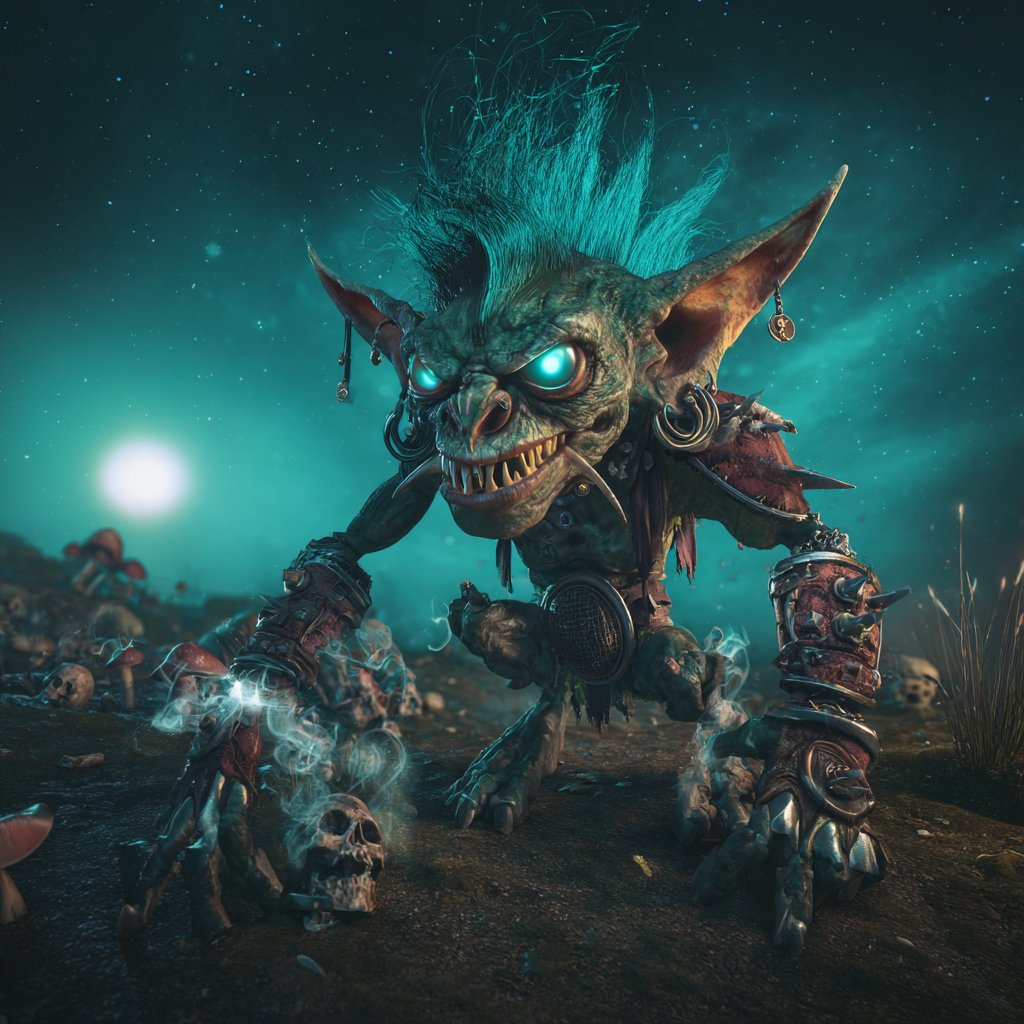
Create a dark cinematic fantasy close-up of a single monstrous goblin warrior lunging toward the viewer in a low-angle three-quarter pose on a barren battlefield. The goblin has mottled {argument name="skin color" default="green-gray leathery skin"}, a huge snarling face, sharp uneven yellow teeth, a wrinkled piglike nose, exaggerated cheekbones, enormous pointed ears with dangling earrings and metal rings, and glowing {argument name="eye glow color" default="cyan turquoise"} eyes. Give it a wild upright mohawk of {argument name="hair color" default="electric teal"} hair, thin wisps flying upward as if charged with energy. Dress it in ragged dark leather and scraps of spiked armor: one bulky spiked shoulder pauldron, heavy mismatched bracers, clawed metal gauntlets, belts, straps, charms, bone details, and battered ornaments. The creature crawls forward with long clawed hands planted on the dirt, one hand near a small skull and wisps of ghostly blue smoke, creating a menacing goblin-art showcase portrait. Set the scene at night under a star-filled teal sky with a large bright moon or glowing orb low on the left horizon, turquoise nebula haze behind the character, scattered bones, skulls, rocks, dead grass, and red-capped mushrooms in the background. Use dramatic rim lighting, cyan bioluminescent glow from the eyes and smoke, high contrast shadows, shallow depth of field, ultra-detailed textures, grimy practical fantasy realism, cinematic 3D creature design, wide-angle perspective, centered composition, intense threatening expression, no text, no borders.