Case Media
Case Notes
This page keeps the media, full prompt, and original source together so you can inspect the result first and decide whether the prompt is worth copying, saving, or comparing.
Case Insights
To make this page easier to search, cite, and reuse later, the case is also broken down into practical guidance about usage, visual cues, and prompt structure.
Best Fit Scenarios
- Use this as a character design benchmark when you need a fast style baseline before rewriting your own prompt.
- It is especially helpful if your target overlaps with Portrait, Fashion, Poster and you want to judge the image result before tuning wording.
- Keep it as a control sample when you compare nearby prompt variants one variable at a time.
Visual Signals To Notice
- The clearest style signals here are Portrait, Fashion, Poster, so those should usually stay in your first rewrite.
- Look at silhouette, costume language, mood styling, and whether the character reads clearly at a glance.
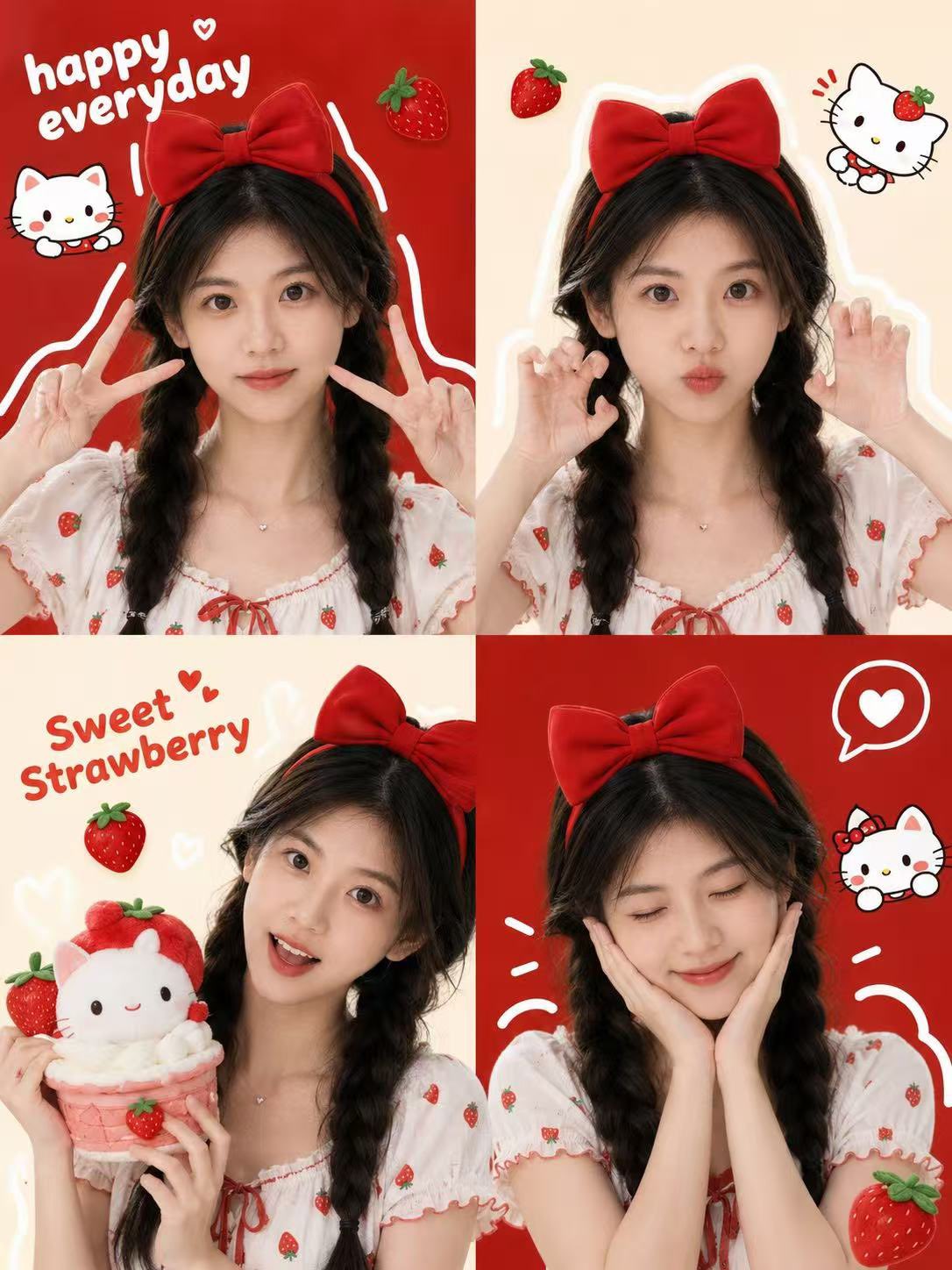
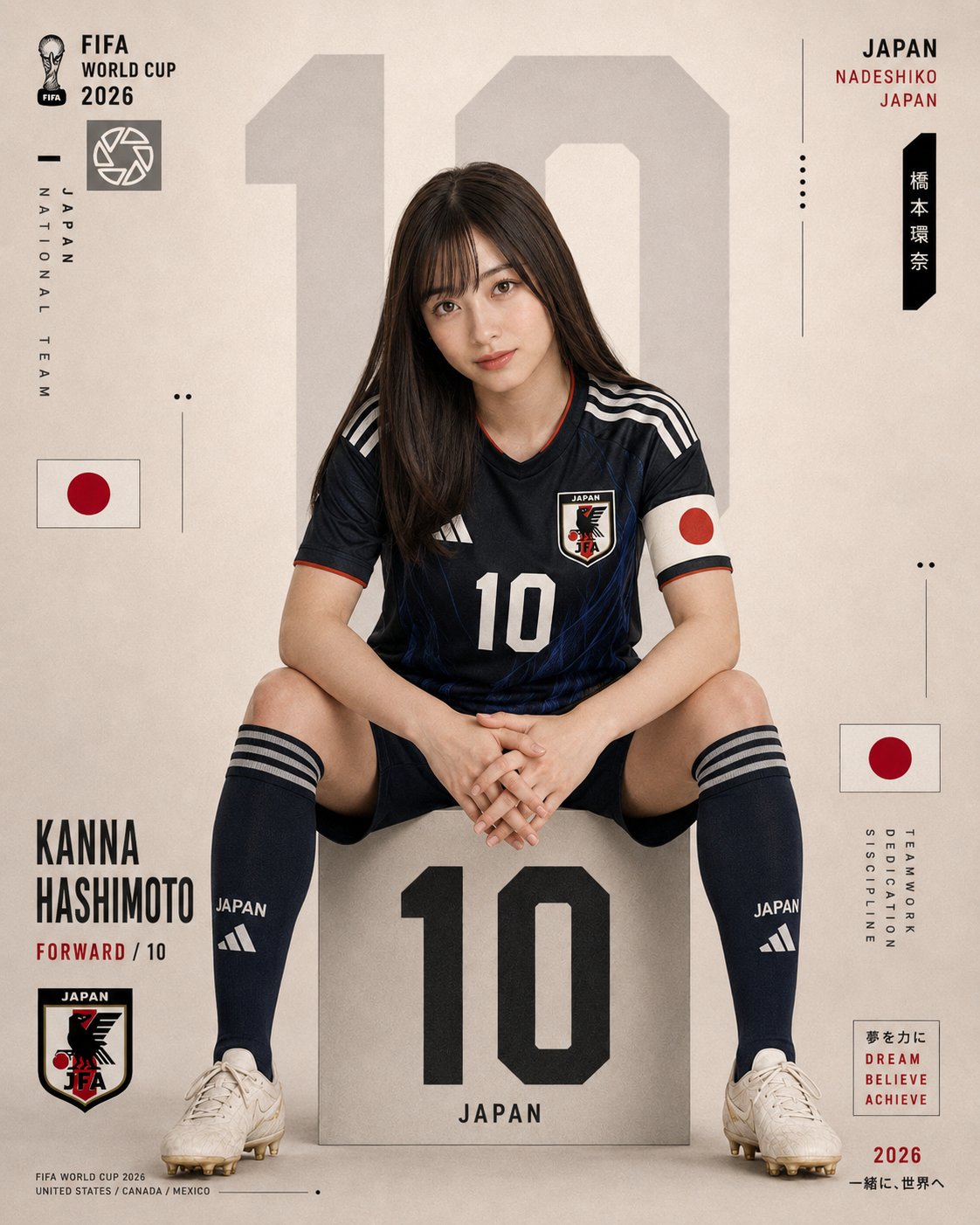
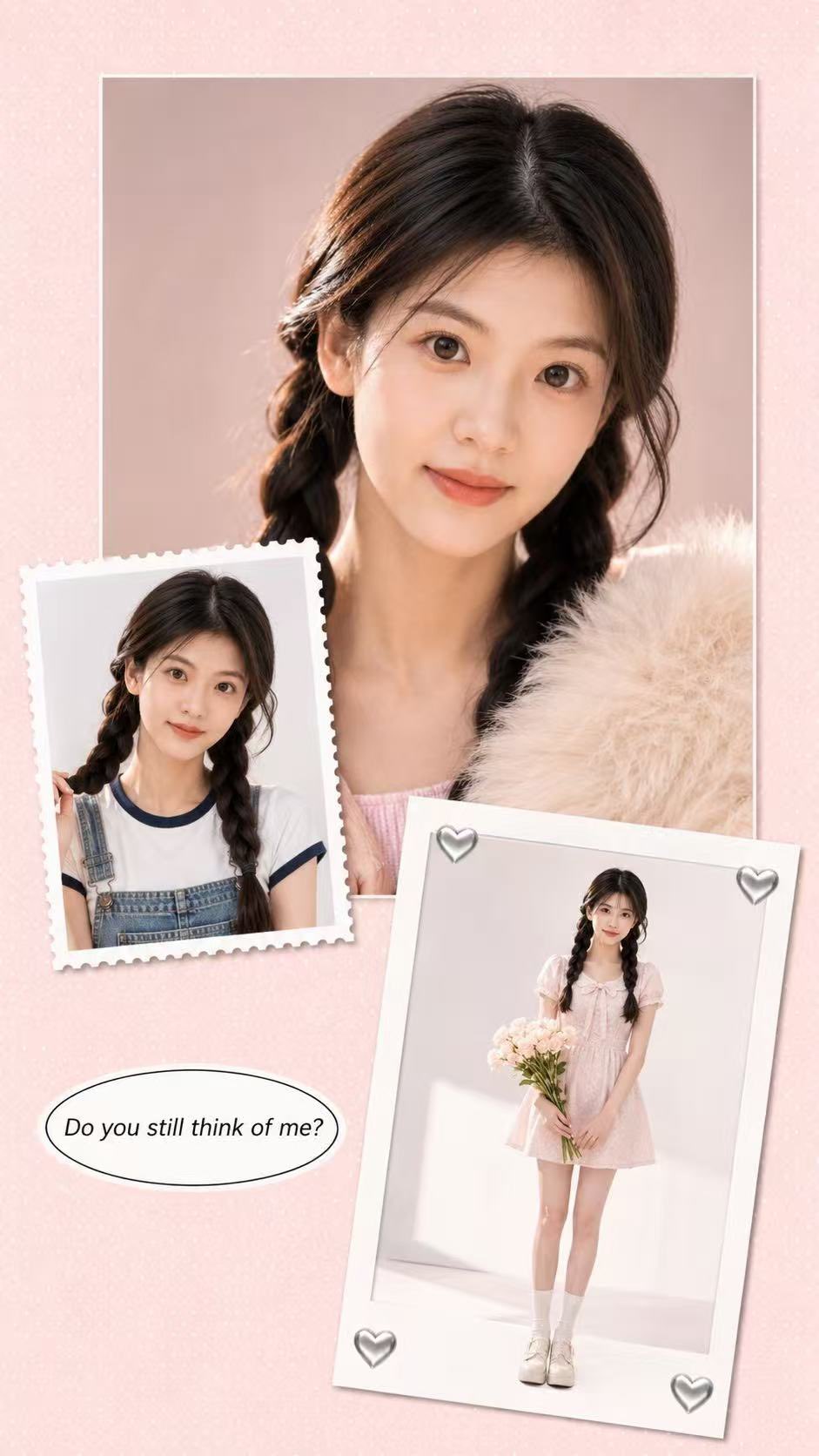
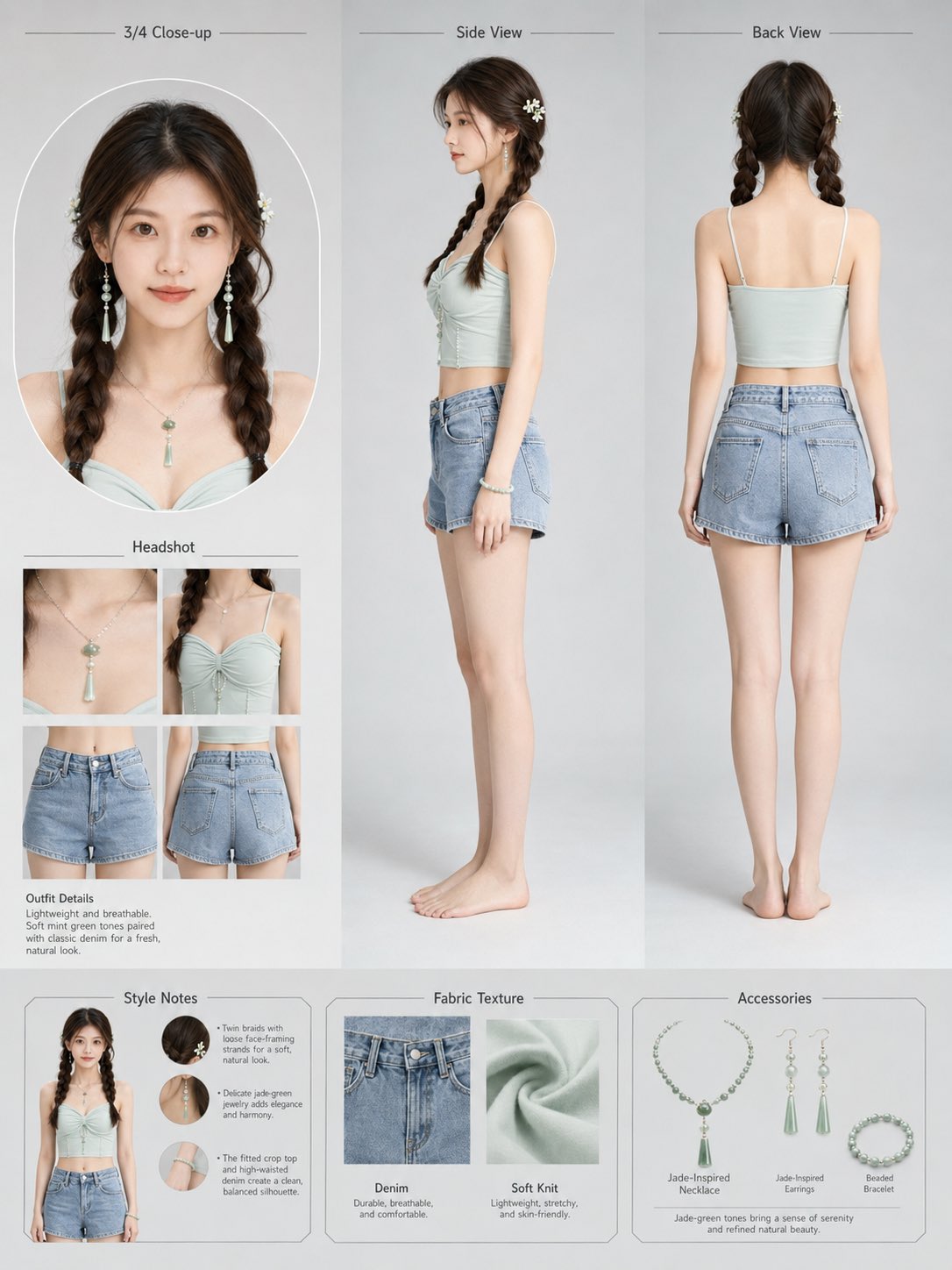
- This case keeps one primary output, so the first image should be treated as the main visual reference.
How The Prompt Is Structured
- The prompt reads as a long, highly specified prompt, which is useful when you want to judge how much specificity this direction needs.
- Its keyword cluster is centered on Portrait, Fashion, Poster, so you can usually keep that cluster while swapping subject, camera, layout, or copy details.
- A practical rewrite path is: keep the outcome, keep the strongest style cues, then replace only the subject and environment blocks.
Good Follow-up Questions
- What changes first if you keep Portrait, Fashion, Poster but switch the subject matter?
- Which part of the result comes from section-level structure (Character Design) versus tag-level style cues?
- Which related cases in the same section give you a cleaner or more extreme variation of the same direction?
Full Prompt
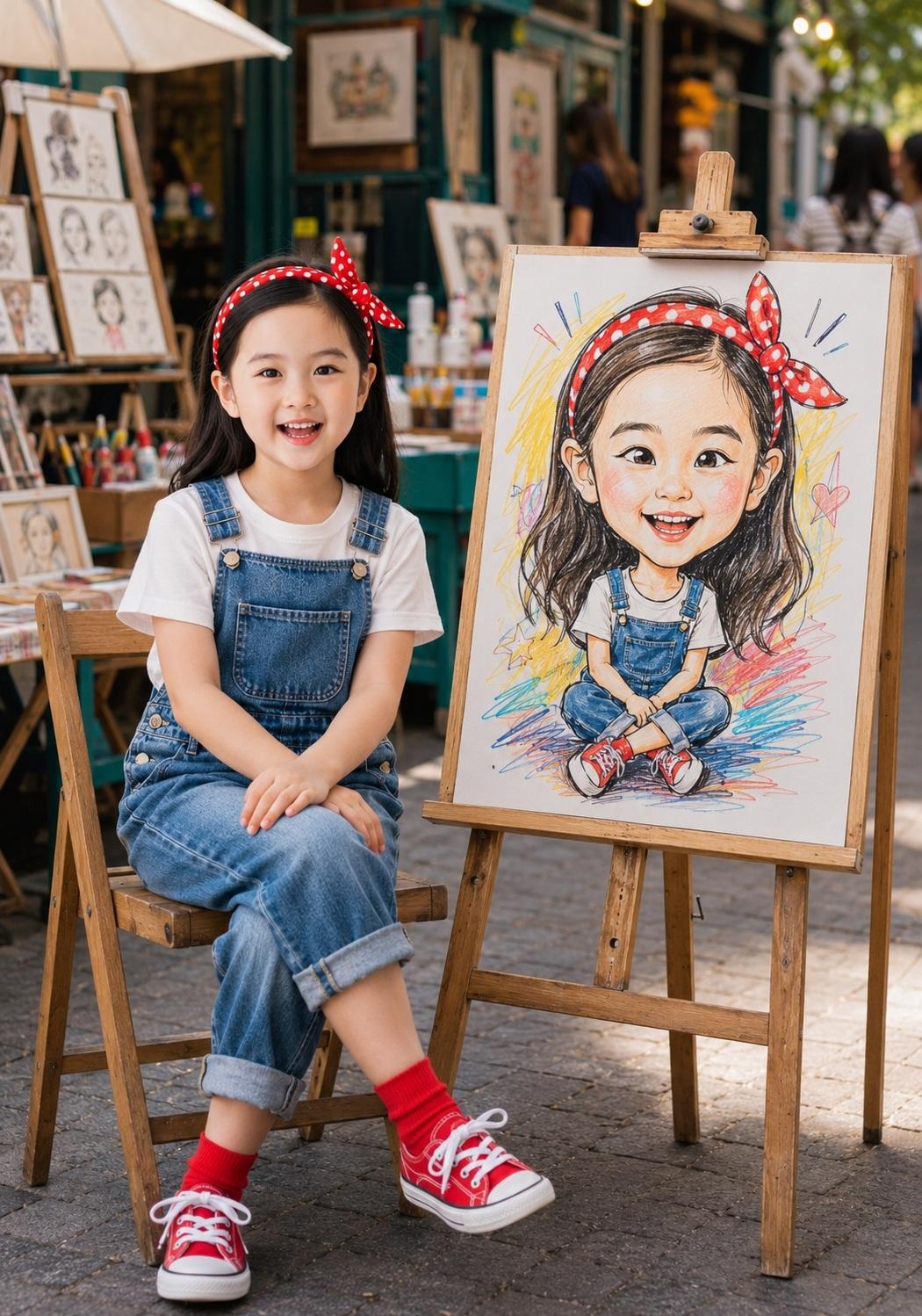
Use the uploaded portrait as the identity reference for the subject’s face, hairstyle, facial structure, and overall impression. Create a high-quality lifestyle editorial portrait of the same person sitting outdoors beside a wooden easel displaying a colorful street-style caricature portrait of them. The real person and the caricature must clearly resemble the same individual. Scene: - the person is seated on a simple wooden folding chair - beside them is a wooden easel holding a large caricature drawing - the setting is a sentimental urban art market - include illustration booths, handmade craft stalls, sketch displays, posters, cozy creative shopfronts, and a few softly blurred pedestrians - lively but not crowded - bright soft daylight, warm natural tones, shallow depth of field - realistic photography for the person and environment - vertical composition showing both the person and the caricature clearly Subject: - preserve the uploaded person’s recognizable identity - natural pose - calm, relaxed, slightly amused expression - stylish casual outfit that suits the subject - clean editorial lifestyle photography - do not force the same pose or expression for every subject Caricature direction: - the drawing on the easel must be a true observational street caricature, not a generic cute cartoon - the caricature artist should exaggerate the subject’s actual most recognizable facial traits - analyze the uploaded face and exaggerate only 2–4 distinctive features, such as eye shape, eyebrows, nose, lips, cheeks, jawline, chin, ears, hairstyle, or facial proportions - each caricature should feel custom-made for that specific person - avoid using the same default cute face for every person - avoid generic big eyes plus tongue-out expression - the caricature should be funny because it captures the person’s unique features, not because it uses a random silly pose Caricature style: - oversized head with smaller simplified body - playful but recognizable facial proportions - bold hand-drawn marker lines - quick sketchy pen strokes - colored pencil texture - lively street-artist energy - humorous but flattering - witty, expressive, and personality-driven - charming handmade imperfections - colorful accent doodles may be added, but keep the focus on the face Expression in the caricature: - choose a natural funny expression that fits the person’s facial character - possible expressions: raised eyebrow, shy smile, surprised eyes, confident smirk, awkward polite smile, exaggerated calm face, pouty lips, confused cute face, or gentle blank stare - the expression should vary depending on the subject - do not always use a tongue-out face - do not always use the same wide-eyed cute expression Caricature canvas: - large vertical drawing board or canvas on a wooden easel - the caricature should be clearly visible and occupy a major part of the image - it should immediately read as a funny street caricature - it should be more exaggerated than a portrait sketch - it should not look like a realistic fashion illustration - it should not look like a polished beauty drawing Important: - the caricature must be custom to the uploaded person - preserve recognizable identity through the exaggerated features - prioritize personality, likeness, and humor over generic cuteness - make the caricature feel like a real street artist observed the person and drew a witty exaggerated version Negative prompt: - no generic cute chibi face - no repeated default caricature face - no tongue-out pose - no identical silly expression for every subject - no random anime expression - no realistic portrait sketch - no polished fashion illustration - no beauty sketch - no weak exaggeration - no scary grotesque distortion - no ugly horror exaggeration - no distorted anatomy of the real person - no extra fingers - no badly drawn hands - no messy crowded background - no text - no watermark - no Eiffel Tower - no famous landmarks.