Case Media
Case Notes
This page keeps the media, full prompt, and original source together so you can inspect the result first and decide whether the prompt is worth copying, saving, or comparing.
Case Insights
To make this page easier to search, cite, and reuse later, the case is also broken down into practical guidance about usage, visual cues, and prompt structure.
Best Fit Scenarios
- Use this as a character design benchmark when you need a fast style baseline before rewriting your own prompt.
- It is especially helpful if your target overlaps with Portrait, Cinematic, Illustration and you want to judge the image result before tuning wording.
- Keep it as a control sample when you compare nearby prompt variants one variable at a time.
Visual Signals To Notice
- The clearest style signals here are Portrait, Cinematic, Illustration, so those should usually stay in your first rewrite.
- Look at silhouette, costume language, mood styling, and whether the character reads clearly at a glance.
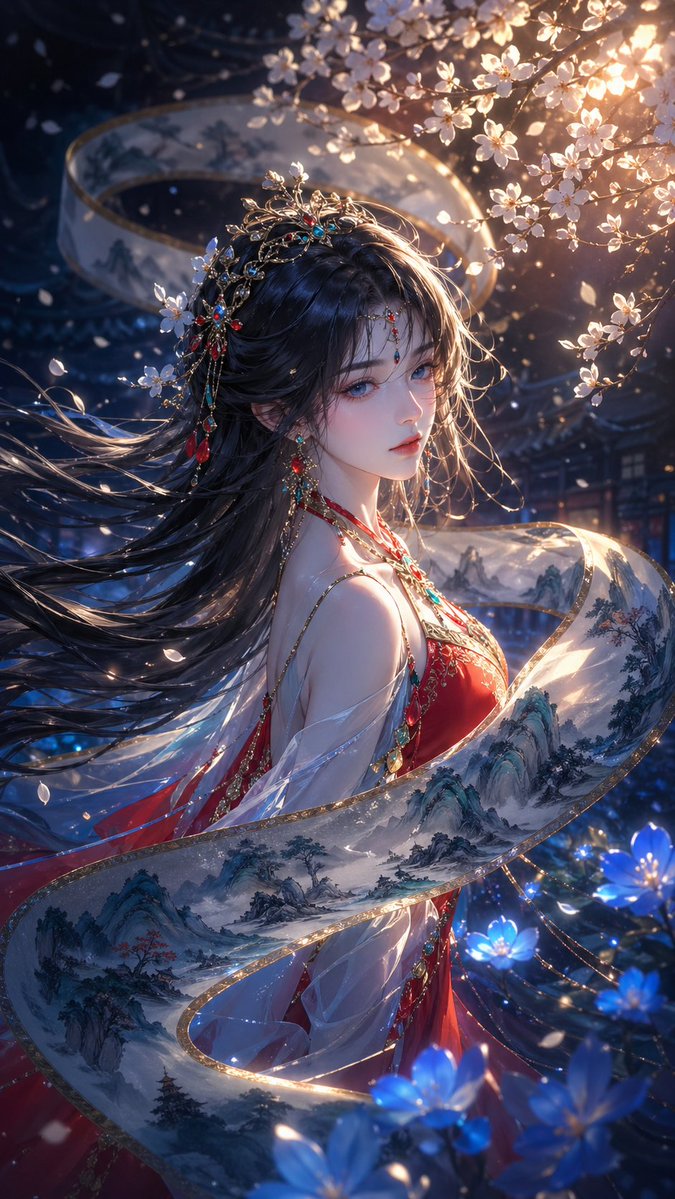
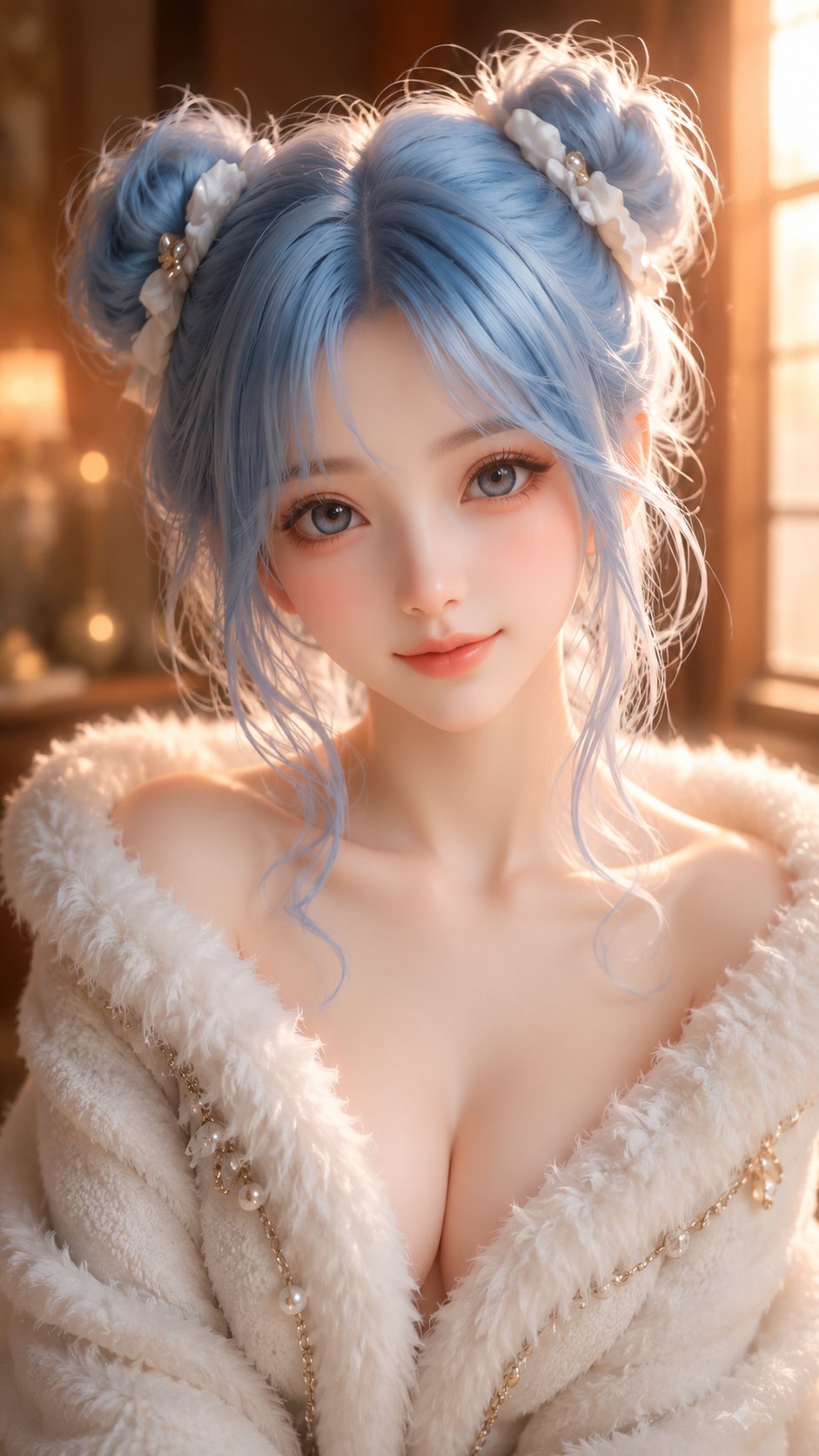
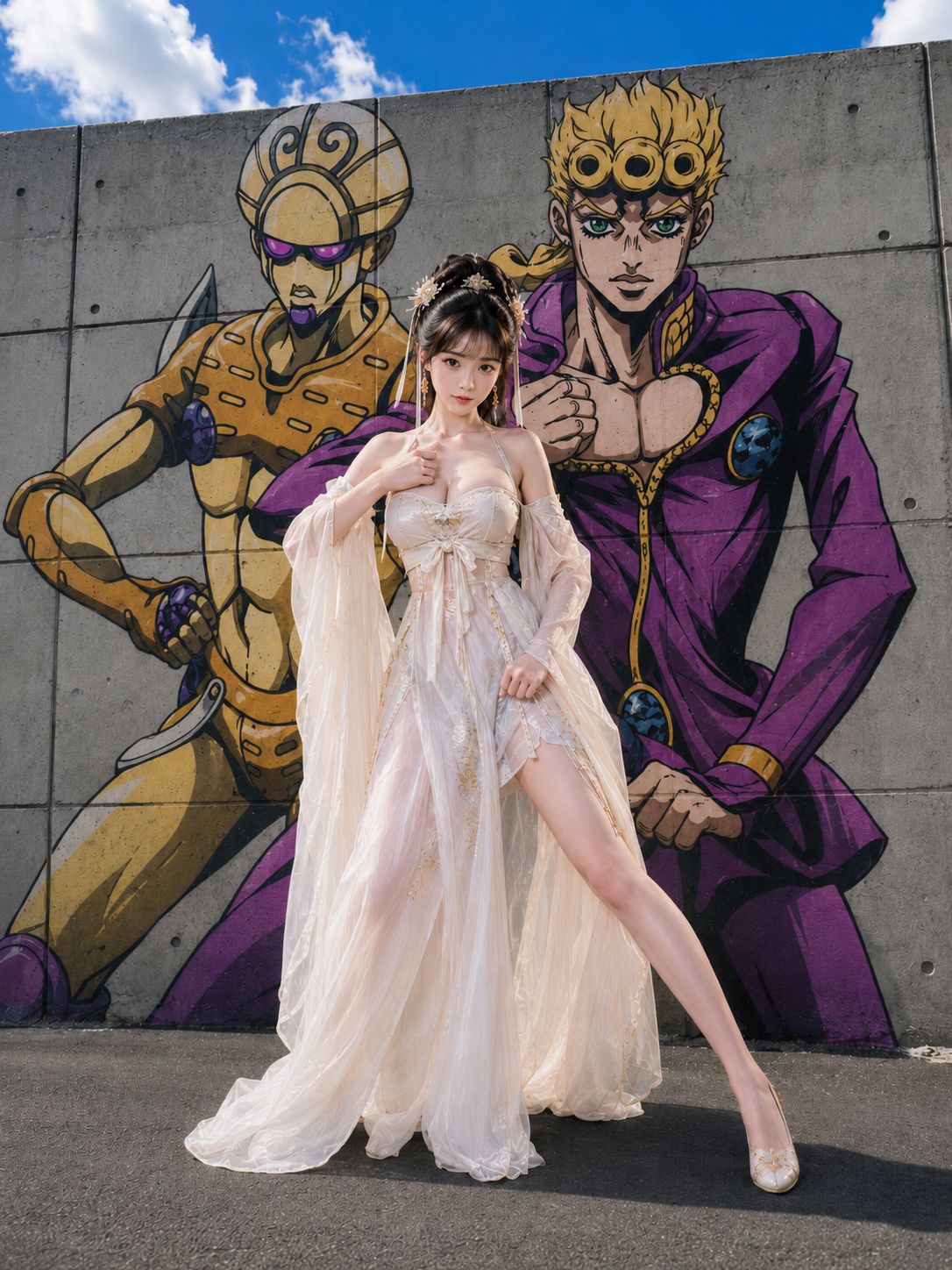
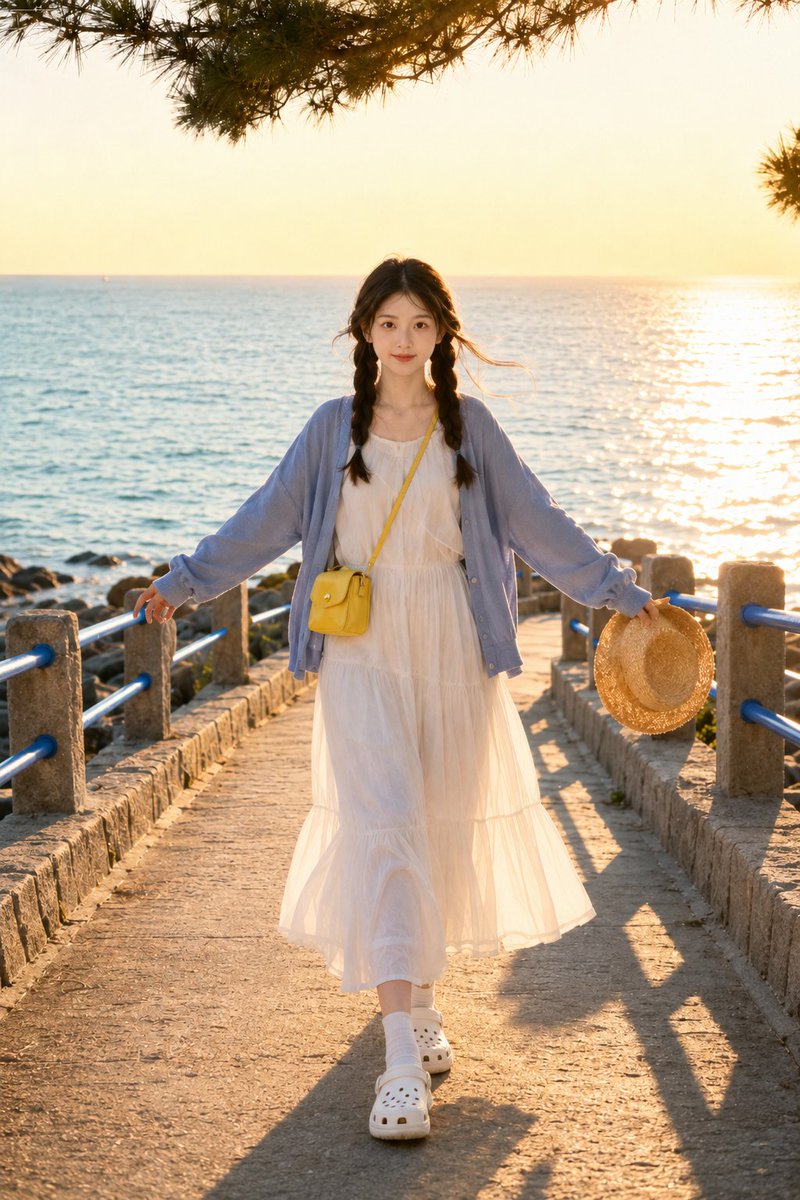
- This case keeps one primary output, so the first image should be treated as the main visual reference.
How The Prompt Is Structured
- The prompt reads as a long, highly specified prompt, which is useful when you want to judge how much specificity this direction needs.
- Its keyword cluster is centered on Portrait, Cinematic, Illustration, so you can usually keep that cluster while swapping subject, camera, layout, or copy details.
- A practical rewrite path is: keep the outcome, keep the strongest style cues, then replace only the subject and environment blocks.
Good Follow-up Questions
- What changes first if you keep Portrait, Cinematic, Illustration but switch the subject matter?
- Which part of the result comes from section-level structure (Character Design) versus tag-level style cues?
- Which related cases in the same section give you a cleaner or more extreme variation of the same direction?
Full Prompt
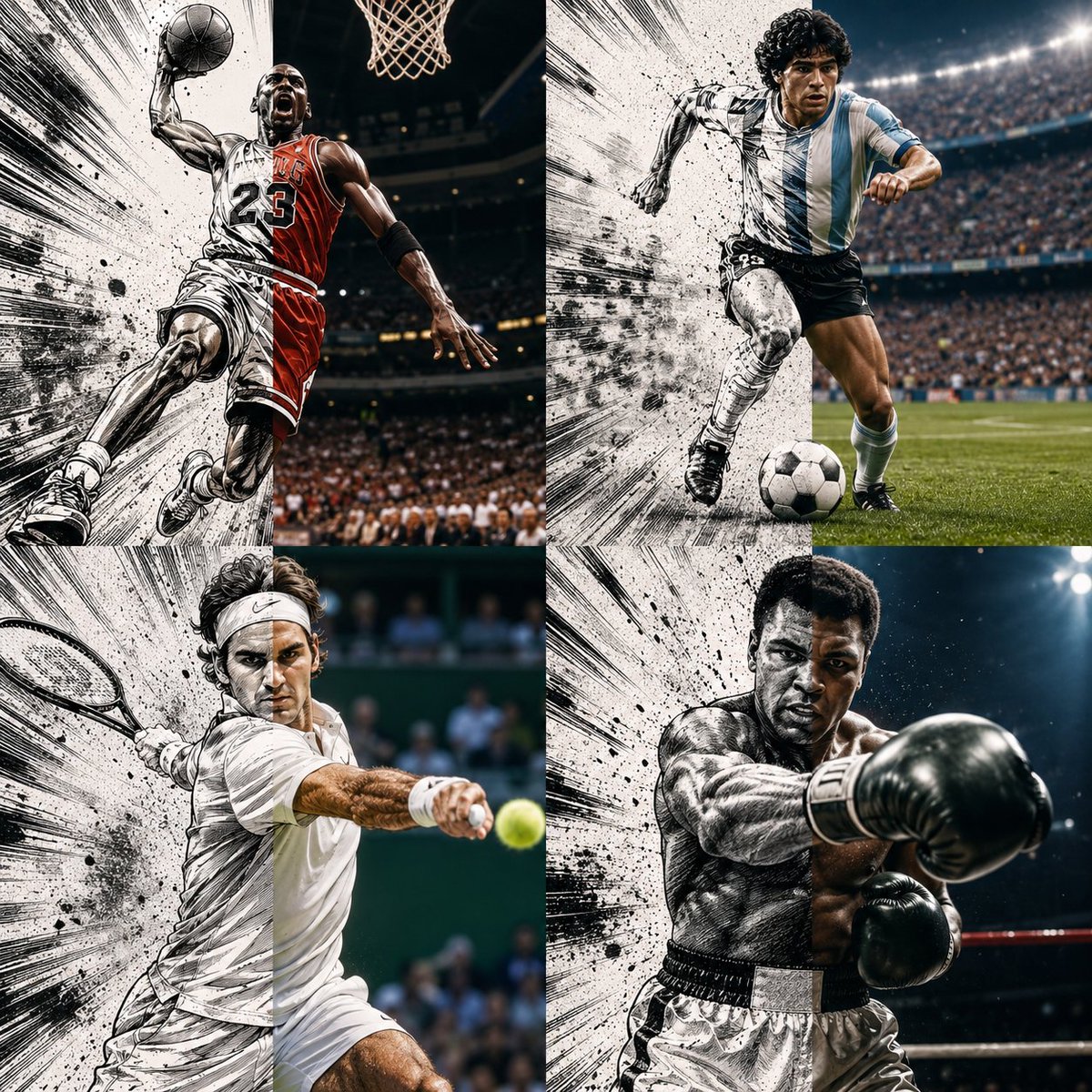
can you draw it: 2x2 grid, four all-time sports legends as original split-dimension sports portraits. Each panel must show ONE single athlete crossing a vertical transformation boundary. The transformation must affect the athlete’s body itself: the left half of the athlete is black-and-white manga-style ink illustration, and the right half is hyper-realistic 3D photography. The same pose, same body, same face, same gesture must continue seamlessly across the boundary. Left half of each panel: original manga-inspired sports illustration, black-and-white ink, halftone texture, speed lines, dramatic action shading. Right half of each panel: hyper-realistic cinematic sports world with arena lighting, sweat, fabric texture, realistic equipment, detailed atmosphere. Subjects inferred as four sports GOAT archetypes: basketball dunker, football/soccer dribbler, tennis powerhouse, heavyweight boxer. Infer sport-specific clothing, movement, equipment, and environment, but avoid real team logos, branded uniforms, copyrighted manga/anime references, or exact franchise designs. Composition: each athlete centered on the split line, visibly transforming from 2D manga to 3D realism. Every panel must use the same visual rule. Negative: background-only transformation, fully realistic athlete, two separate bodies, duplicate faces, extra limbs, exact team logos, specific manga franchise style, flat low-resolution image.