Case Media
Case Notes
This page keeps the media, full prompt, and original source together so you can inspect the result first and decide whether the prompt is worth copying, saving, or comparing.
Case Insights
To make this page easier to search, cite, and reuse later, the case is also broken down into practical guidance about usage, visual cues, and prompt structure.
Best Fit Scenarios
- Use this as a character design benchmark when you need a fast style baseline before rewriting your own prompt.
- It is especially helpful if your target overlaps with Portrait, Cinematic, Fashion and you want to judge the image result before tuning wording.
- Keep it as a control sample when you compare nearby prompt variants one variable at a time.
Visual Signals To Notice
- The clearest style signals here are Portrait, Cinematic, Fashion, so those should usually stay in your first rewrite.
- Look at silhouette, costume language, mood styling, and whether the character reads clearly at a glance.
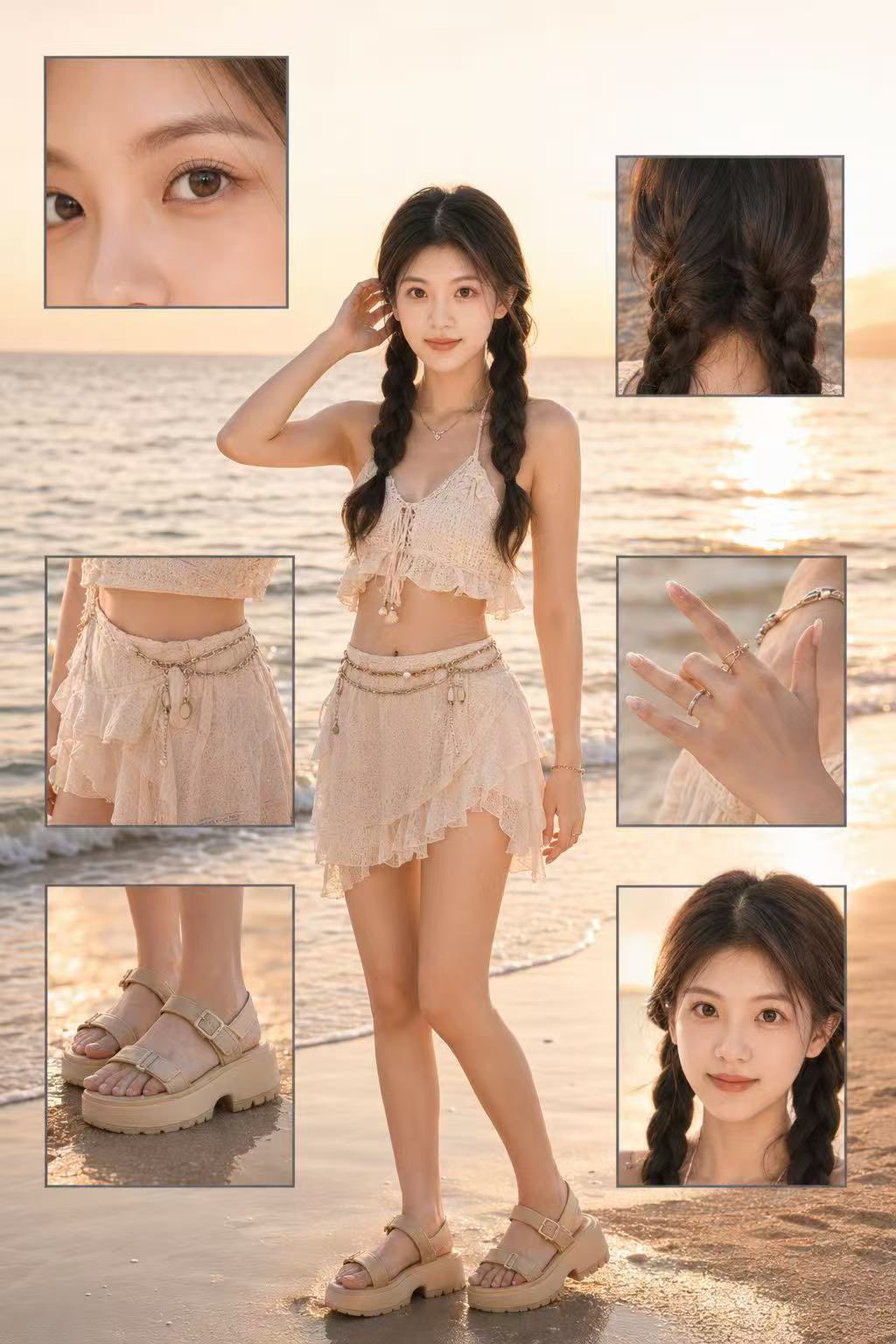
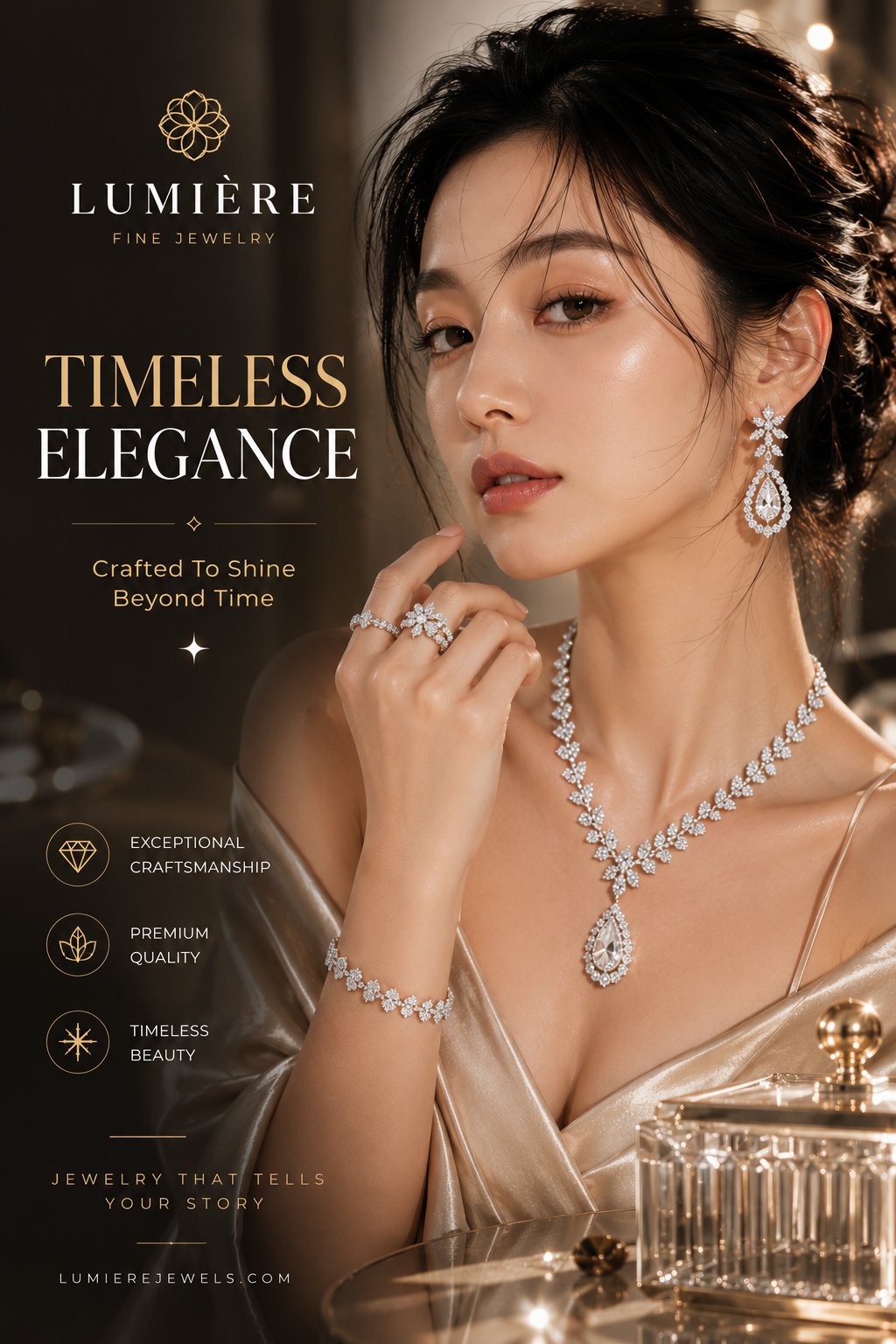
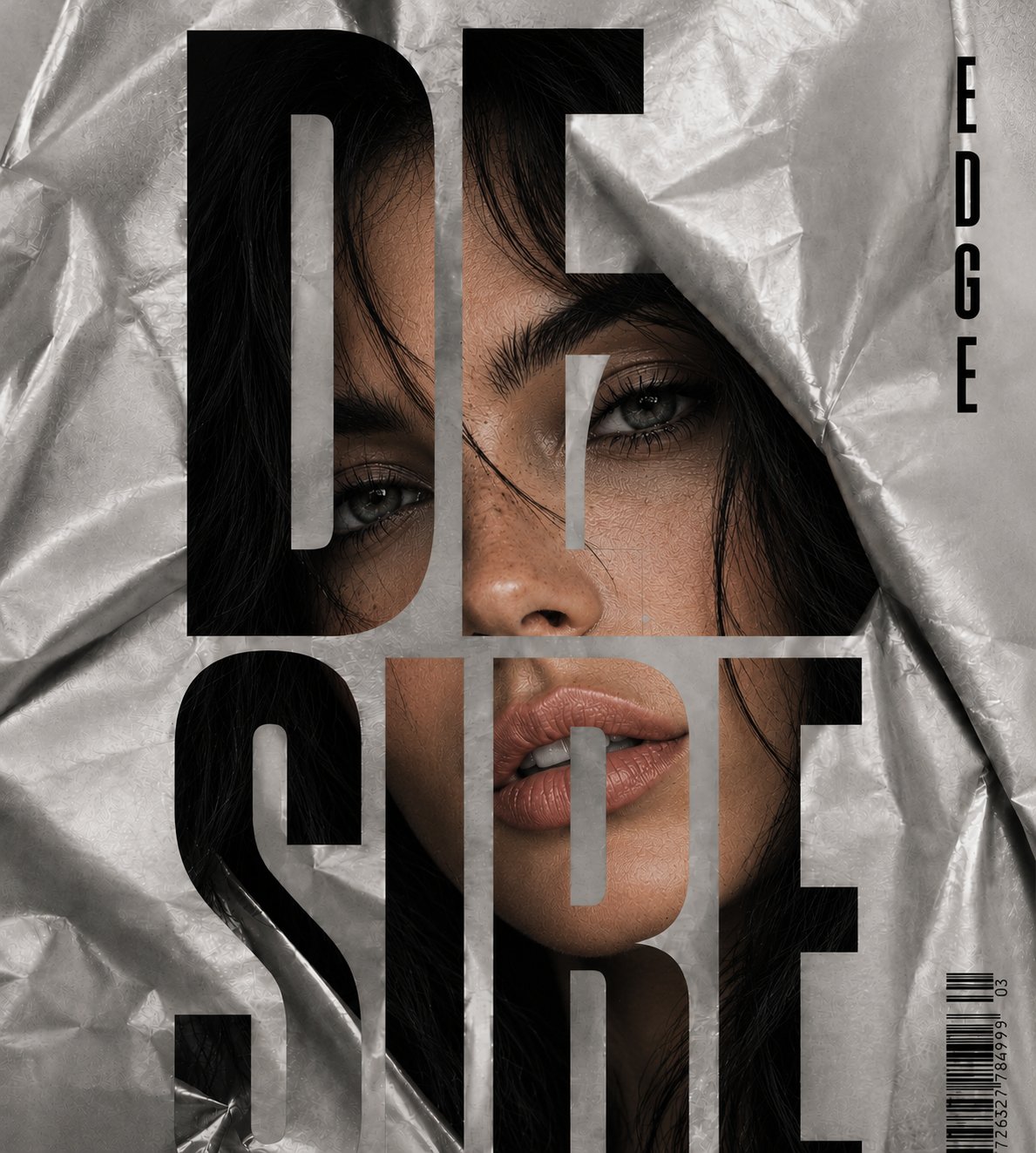
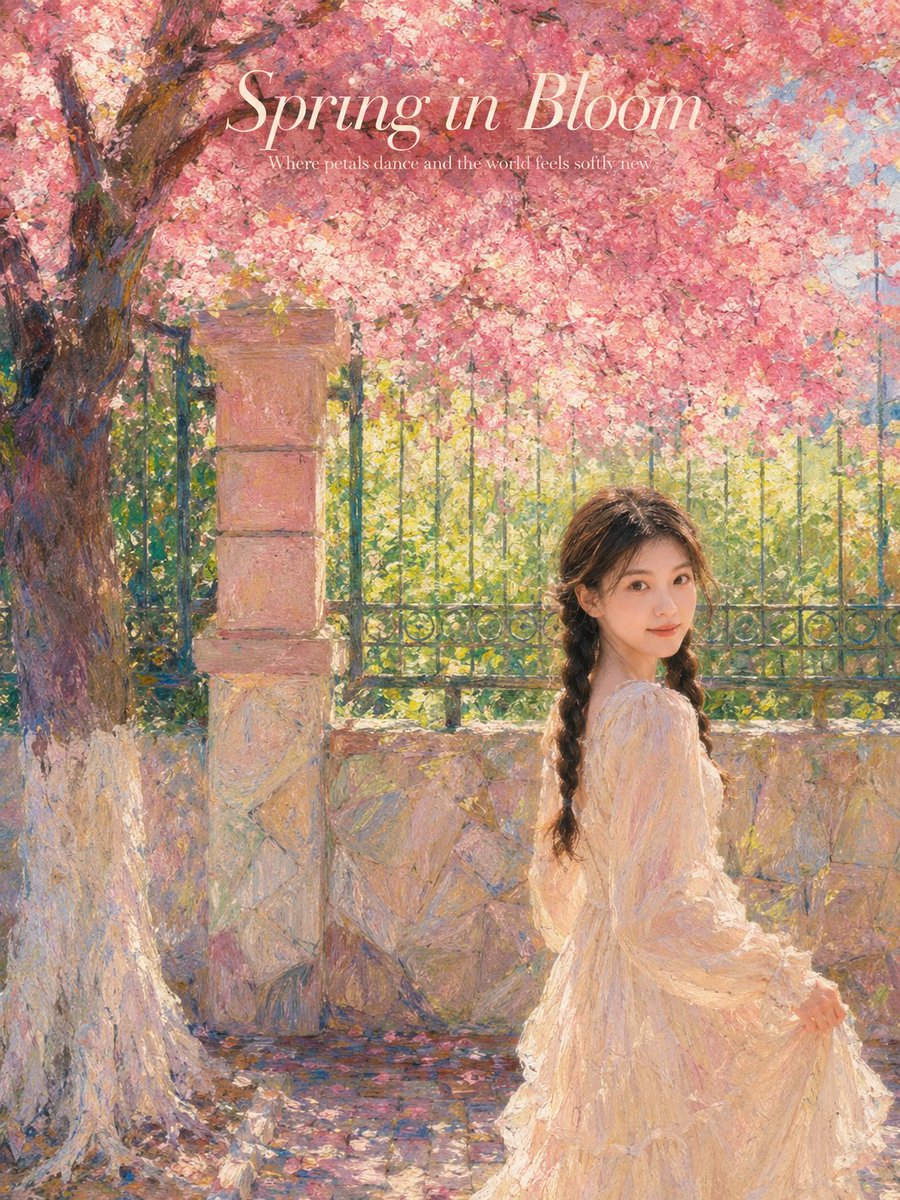
- This case keeps 2 media outputs, which makes it easier to check whether the style remains stable across multiple results.
How The Prompt Is Structured
- The prompt reads as a long, highly specified prompt, which is useful when you want to judge how much specificity this direction needs.
- Its keyword cluster is centered on Portrait, Cinematic, Fashion, so you can usually keep that cluster while swapping subject, camera, layout, or copy details.
- A practical rewrite path is: keep the outcome, keep the strongest style cues, then replace only the subject and environment blocks.
Good Follow-up Questions
- What changes first if you keep Portrait, Cinematic, Fashion but switch the subject matter?
- Which part of the result comes from section-level structure (Character Design) versus tag-level style cues?
- Which related cases in the same section give you a cleaner or more extreme variation of the same direction?
Full Prompt
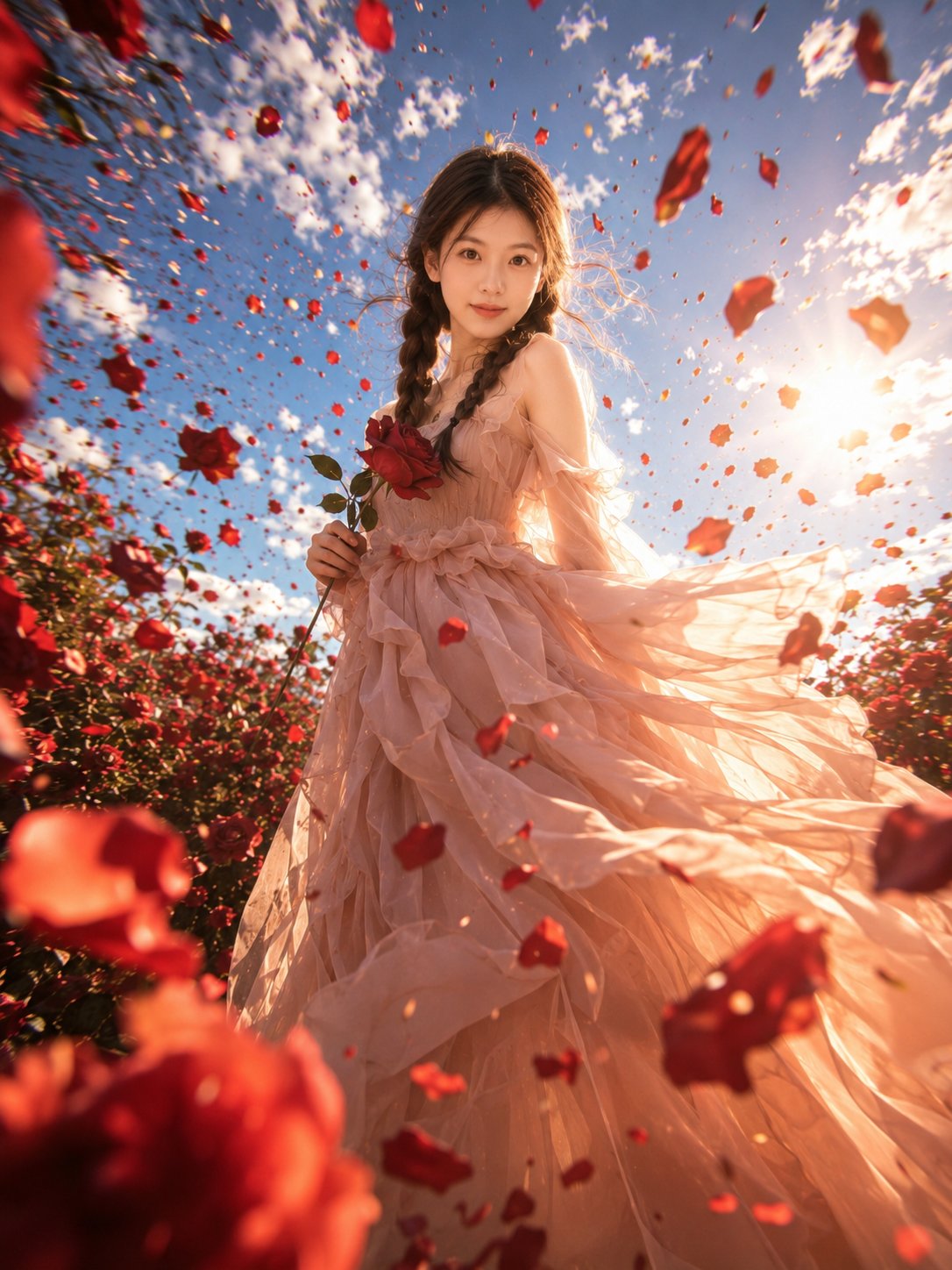
Use the uploaded portrait only as the identity reference. Accurately preserve the person’s real facial identity, face shape, facial features, skin tone, hairstyle, hair volume, and natural real-life appearance. Do not change the person into someone else. Do not copy the original clothes, background, lighting, pose, or image quality from the uploaded portrait. Create a highly realistic cinematic portrait of the same person standing in a dramatic rose garden during a strong wind. The scene is shot from an extreme low-angle perspective, looking upward toward the subject and the bright sky, creating a powerful romantic fantasy feeling while still remaining photorealistic. The person is surrounded by countless flying red rose petals, rose leaves, and soft floral debris blown through the air. Large red roses and petals appear very close to the camera in the foreground, heavily blurred by depth of field and motion blur, creating a strong sense of immersion. More petals fly across the midground and background, forming a swirling rose-storm atmosphere around the subject. The subject is shown in a graceful side-profile or three-quarter side pose, slightly turning away from the camera, with hair naturally blown by the wind. The expression should be calm, elegant, and cinematic, not overly posed. Generate suitable clothing automatically based on the uploaded person’s appearance and temperament. The outfit should feel romantic, flowing, elegant, and visually compatible with the rose-garden atmosphere, but do not fix the exact clothing design. The fabric should have natural movement, soft folds, and translucent layered textures when appropriate. Use golden-hour backlighting with a bright sun near the edge of the frame, soft lens flare, glowing rim light on the hair and body, warm highlights, and realistic shadow transitions. The sky should be blue with white clouds, intense sunlight, and a dreamy but natural photographic atmosphere. The lighting must affect the whole scene consistently, including the face, clothing, flowers, and flying petals. The person must look physically present in the scene, not pasted in. Camera style: ultra-realistic cinematic photography, low-angle wide lens, dynamic perspective, shallow depth of field, foreground blur, realistic motion blur, natural skin texture, real hair strands, high dynamic range, soft golden sunlight, dramatic composition, immersive floral atmosphere, photorealistic editorial portrait, no anime style, no plastic skin, no over-smoothed face. Vertical portrait composition, full-body or three-quarter-body framing, subject placed slightly off-center, strong depth, large foreground roses, flying petals across the whole image, cinematic romantic realism. Negative Prompt: watermark, logo, text, signature, subtitles, AI-generated label, low quality, blurry face, distorted face, wrong identity, different person, face swap look, pasted face, unnatural lighting, inconsistent shadows, plastic skin, overly smooth skin, anime, cartoon, CGI, doll-like face, over-beautified face, exaggerated body proportions, broken hands, extra fingers, missing fingers, deformed limbs, distorted clothing, messy fabric, unrealistic petals, duplicated flowers, fake background, flat lighting, harsh flash, bad composition, overexposed face, underexposed face, noise, artifacts, compression artifacts, oversaturated colors, cheap fantasy poster style.