Case Media
Case Notes
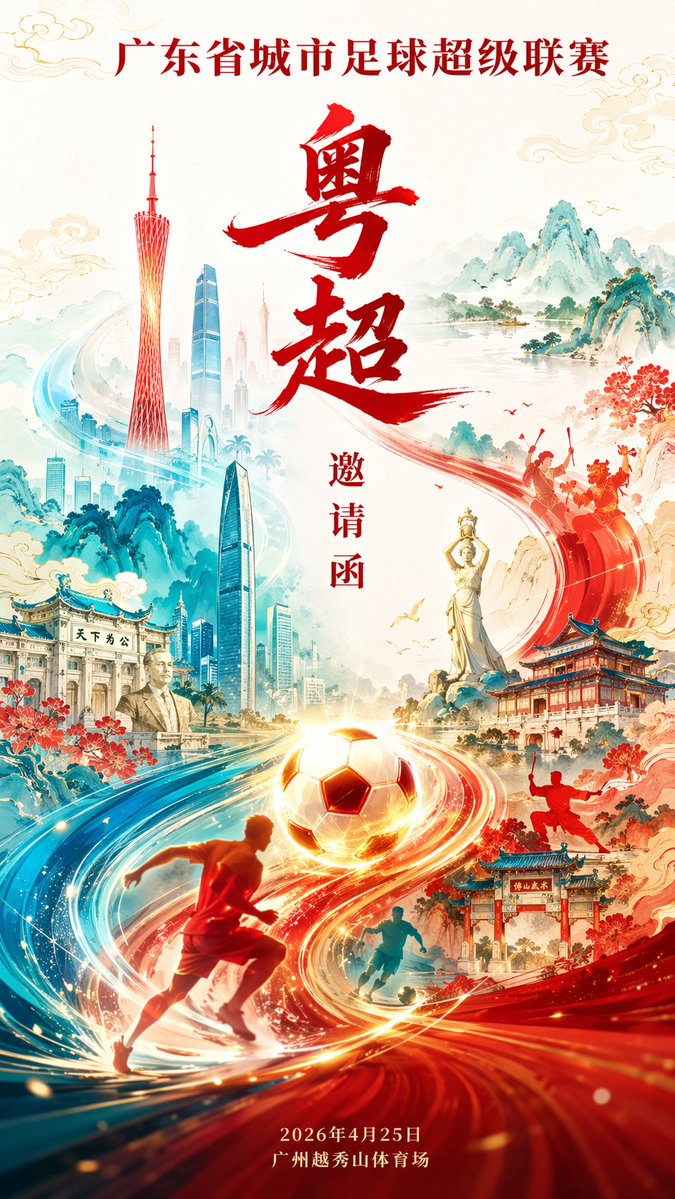
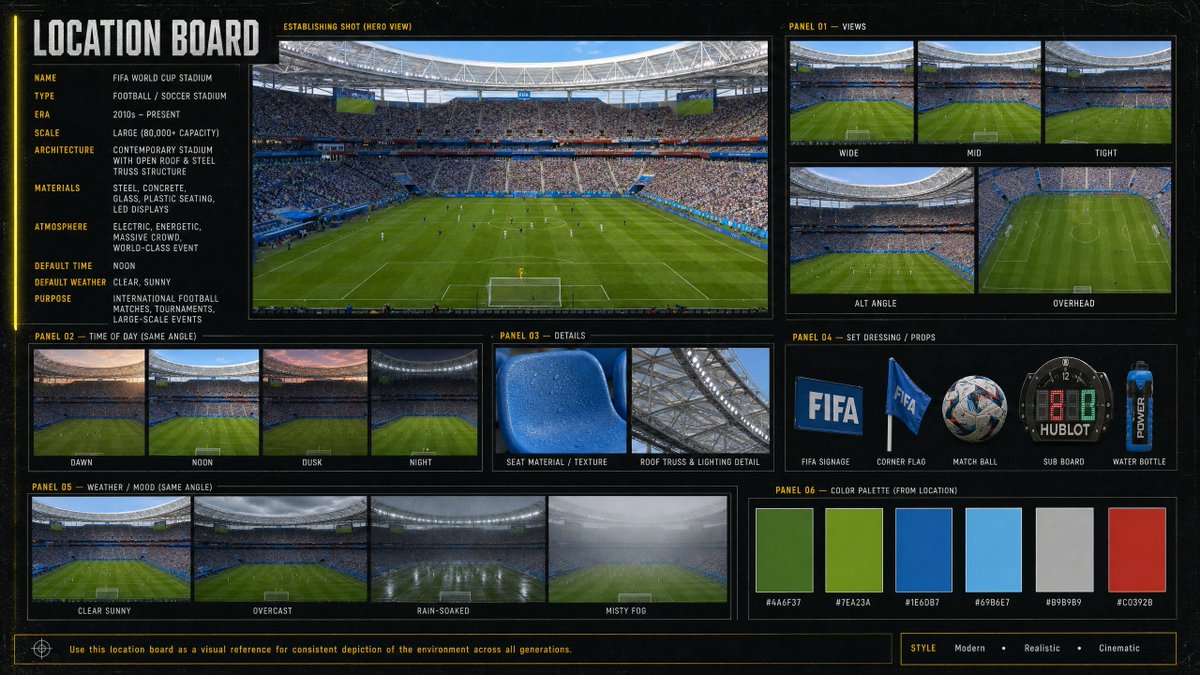
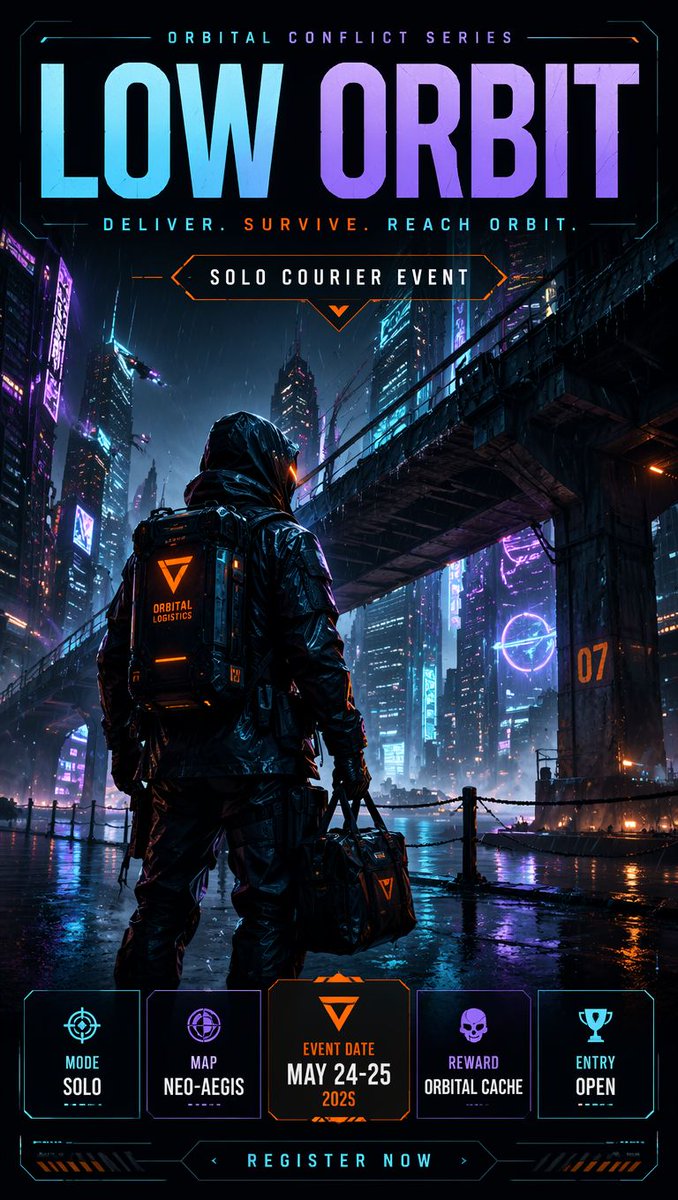
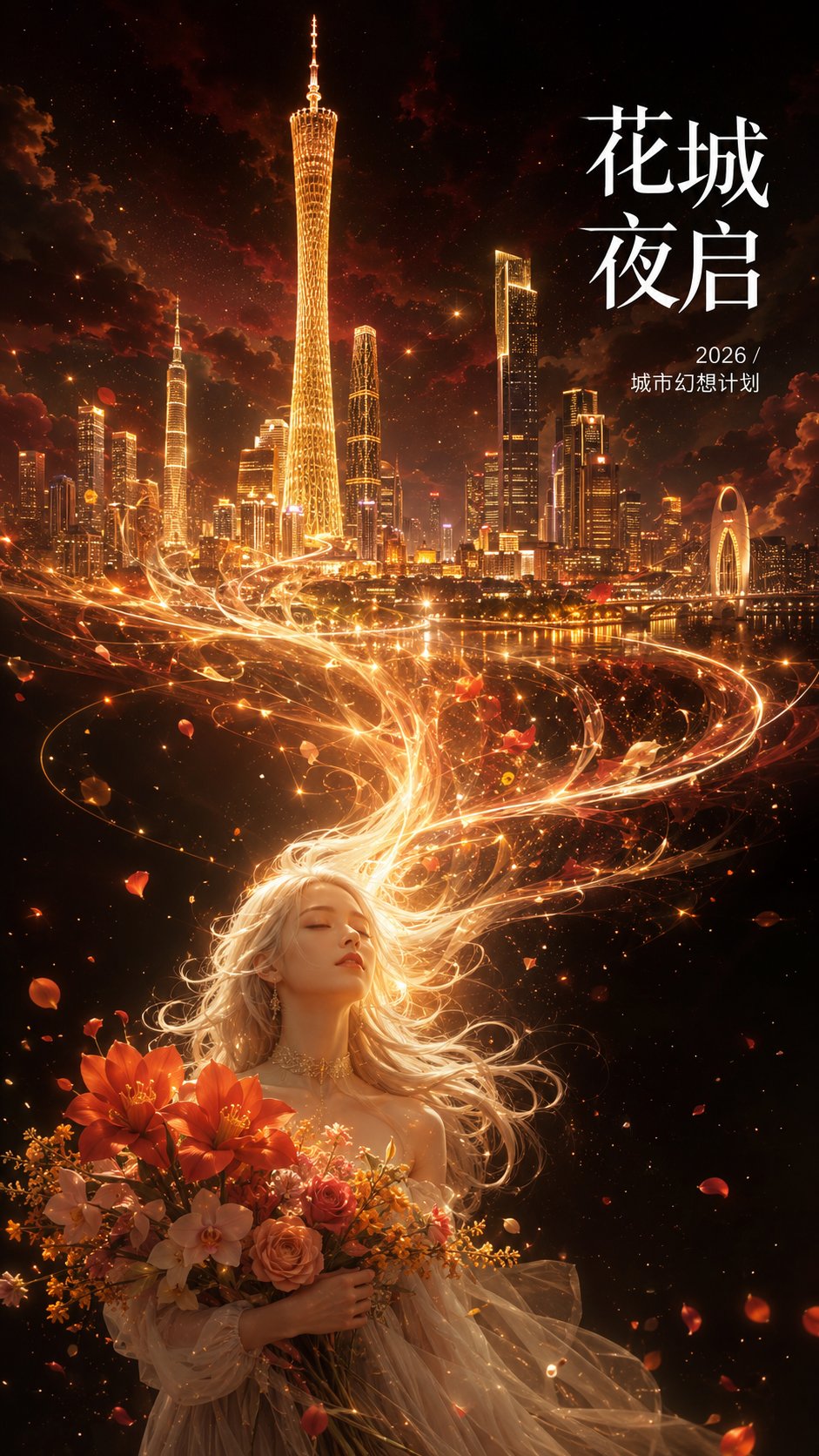
This page keeps the media, full prompt, and original source together so you can inspect the result first and decide whether the prompt is worth copying, saving, or comparing.
Case Insights
To make this page easier to search, cite, and reuse later, the case is also broken down into practical guidance about usage, visual cues, and prompt structure.
Best Fit Scenarios
- Use this as a character design benchmark when you need a fast style baseline before rewriting your own prompt.
- It is especially helpful if your target overlaps with Cinematic, Poster, Character and you want to judge the image result before tuning wording.
- Keep it as a control sample when you compare nearby prompt variants one variable at a time.
Visual Signals To Notice
- The clearest style signals here are Cinematic, Poster, Character, so those should usually stay in your first rewrite.
- Look at silhouette, costume language, mood styling, and whether the character reads clearly at a glance.
- This case keeps one primary output, so the first image should be treated as the main visual reference.
How The Prompt Is Structured
- The prompt reads as a long, highly specified prompt, which is useful when you want to judge how much specificity this direction needs.
- Its keyword cluster is centered on Cinematic, Poster, Character, so you can usually keep that cluster while swapping subject, camera, layout, or copy details.
- A practical rewrite path is: keep the outcome, keep the strongest style cues, then replace only the subject and environment blocks.
Good Follow-up Questions
- What changes first if you keep Cinematic, Poster, Character but switch the subject matter?
- Which part of the result comes from section-level structure (Character Design) versus tag-level style cues?
- Which related cases in the same section give you a cleaner or more extreme variation of the same direction?
Full Prompt
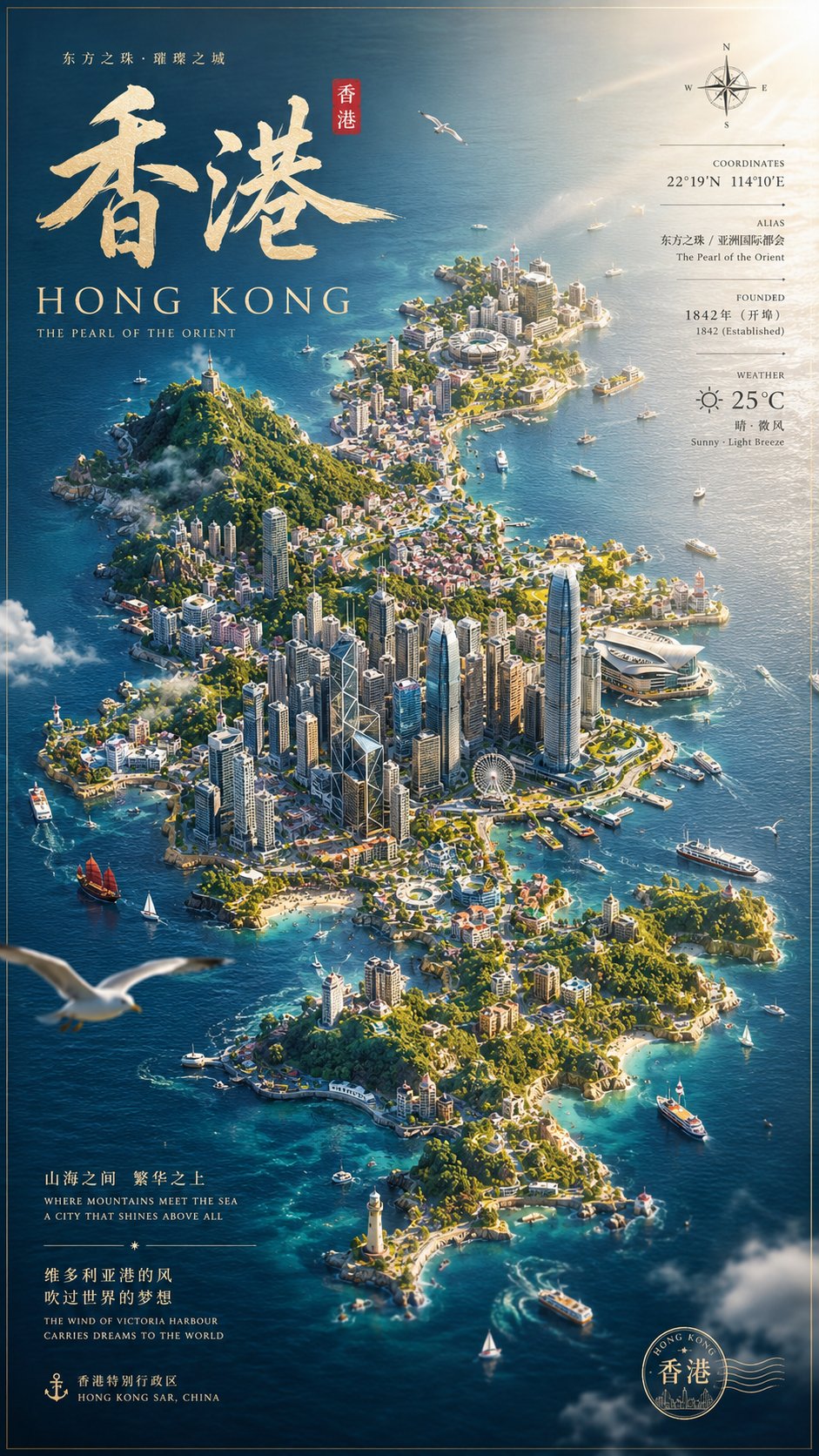
Generate a city-rendered digital art poster for {City Name}, using a 9:16 vertical composition. The core subject of the image is a miniature city island floating above the water, occupying most of the visual space. The outer contour of the island must strictly follow the real geographic outline / administrative boundary / map silhouette of {City Name}. The priority of the overall shape must be higher than landmarks, buildings, and decorative elements. First, generate an island shape that closely matches the real map outline of the city, and then seamlessly integrate the city’s unique landmarks, natural scenery, and cultural elements within that boundary. Do not generate an ordinary fantasy island, or a circular, oval, heart-shaped, triangular, or randomly fragmented island. Do not arbitrarily alter the city boundary for aesthetic composition. All buildings, rivers, mountains, bridges, roads, and landscapes should be arranged as much as possible within the boundary, without damaging the recognizability of the overall silhouette. Include the city’s iconic local birds, cinematic lighting, vivid yet premium colors, an aerial viewpoint, and sunlight reflection effects. The buildings should not be too dense or overcrowded; instead, they should maintain a balanced rhythm of density and openness, with clear layering and a strong sense of visual breathing room. Inside the island, the city should present a seamless fusion of history and modernity. Different districts should each have clearly distinct characteristics and a strong sense of local life. Different urban areas should be differentiated through their own architectural styles, atmospheric color tones, lifestyles, folk customs, natural landforms, and city rhythms. Modern urban scenery, hidden natural landscapes, and historical-cultural charm should blend together harmoniously. The overall scene should feel full of lively everyday human warmth, with tiny miniature people engaged in daily activities, making the island feel like a real, functioning miniature urban ecosystem. The island floats above a vast and crystal-clear body of water, accompanied by transparent seawater, reflections on the water surface, light mist, clouds, and soft sunlight, creating a spatial atmosphere that feels premium, light, dreamy, and realistic. The city name or English name should float above the miniature island. The Chinese title should use a handwritten artistic / calligraphic style, while the English name as a subtitle may use a classic elegant serif font. Primary informational text should use a classic serif typeface, while secondary data should use an ultra-thin minimalist sans-serif font. In the corner of the composition, arrange the text in a manner reminiscent of a classical atlas or a luxury magazine frontispiece, with generous negative space and an overall restrained, clean, and balanced layout, as if the viewer were appreciating a precious artwork. Using a serif font, label the city’s: Geographic coordinates Nickname / alias Year of establishment Current weather These should serve as decorative background information, and can be paired with minimalist elements such as a compass, fine dividing lines, and map-style markers. Overall style requirements: Octane Render, C4D, Isometric City, Micro World, Living Ecosystem, 8K Resolution, DreamWorks style, 3D modeling, delicate, soft light projection, cinematic lighting, aerial view, ultra detailed, premium travel poster, high realism. —— City Name: HongKong