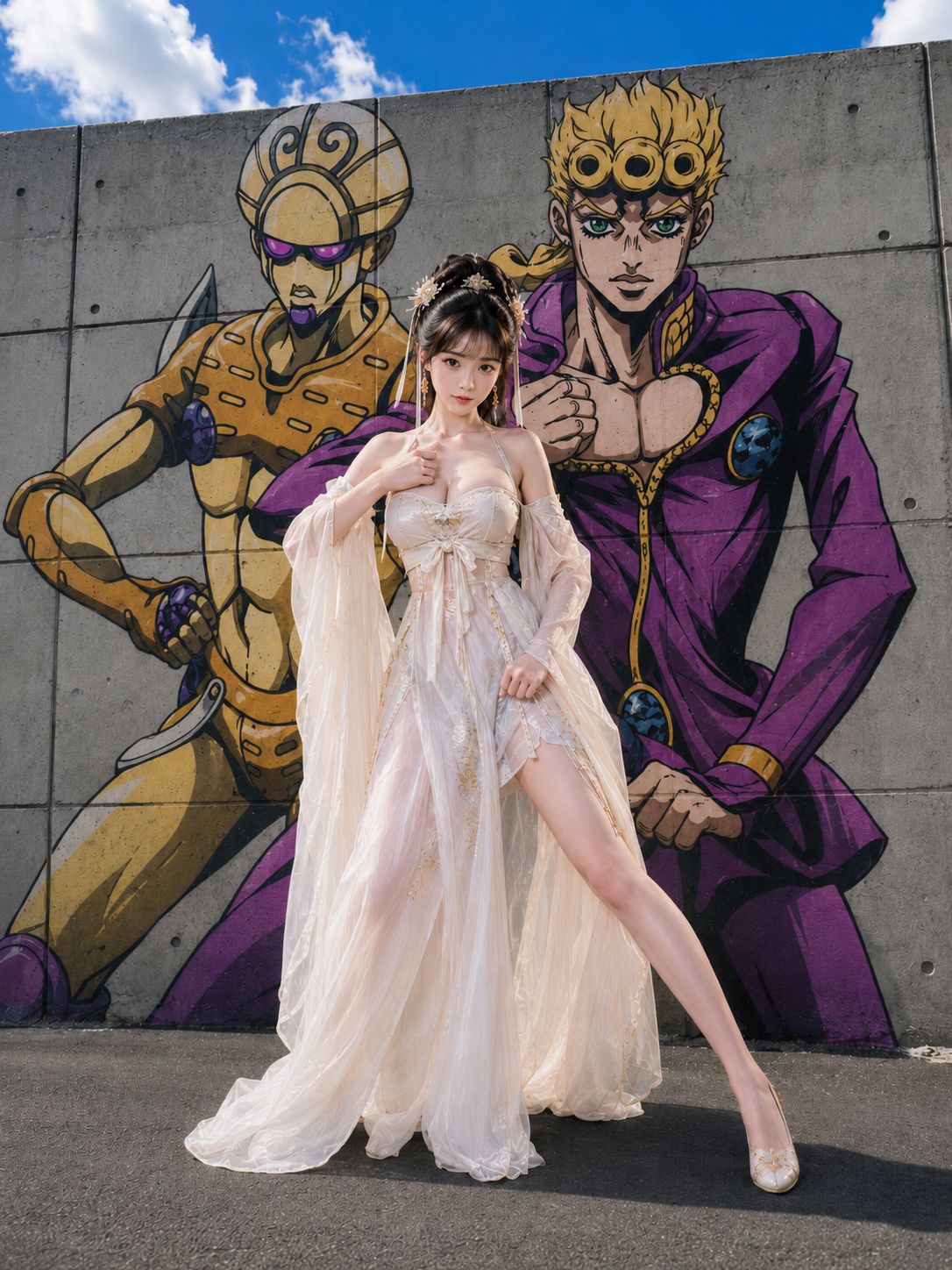
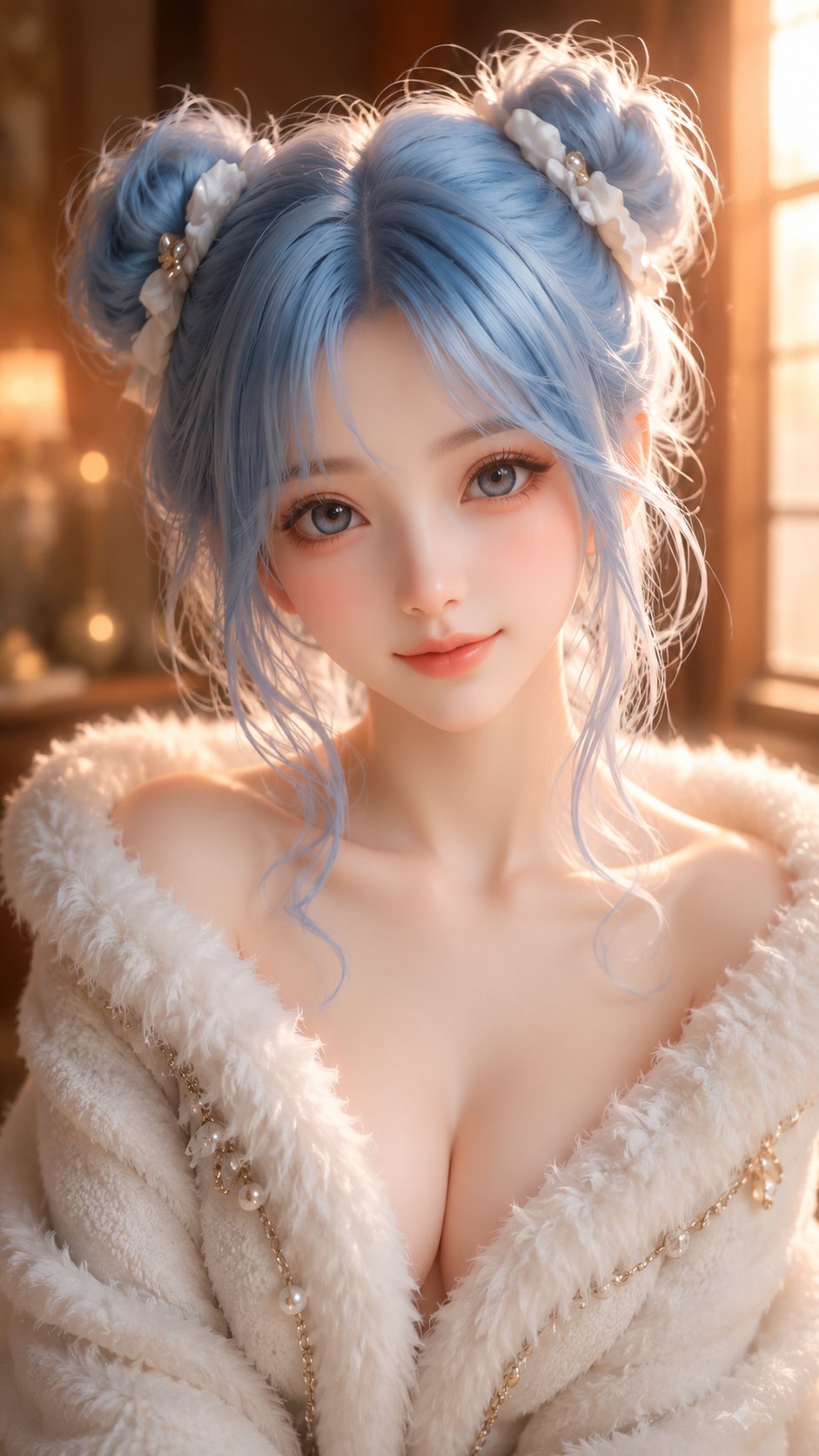
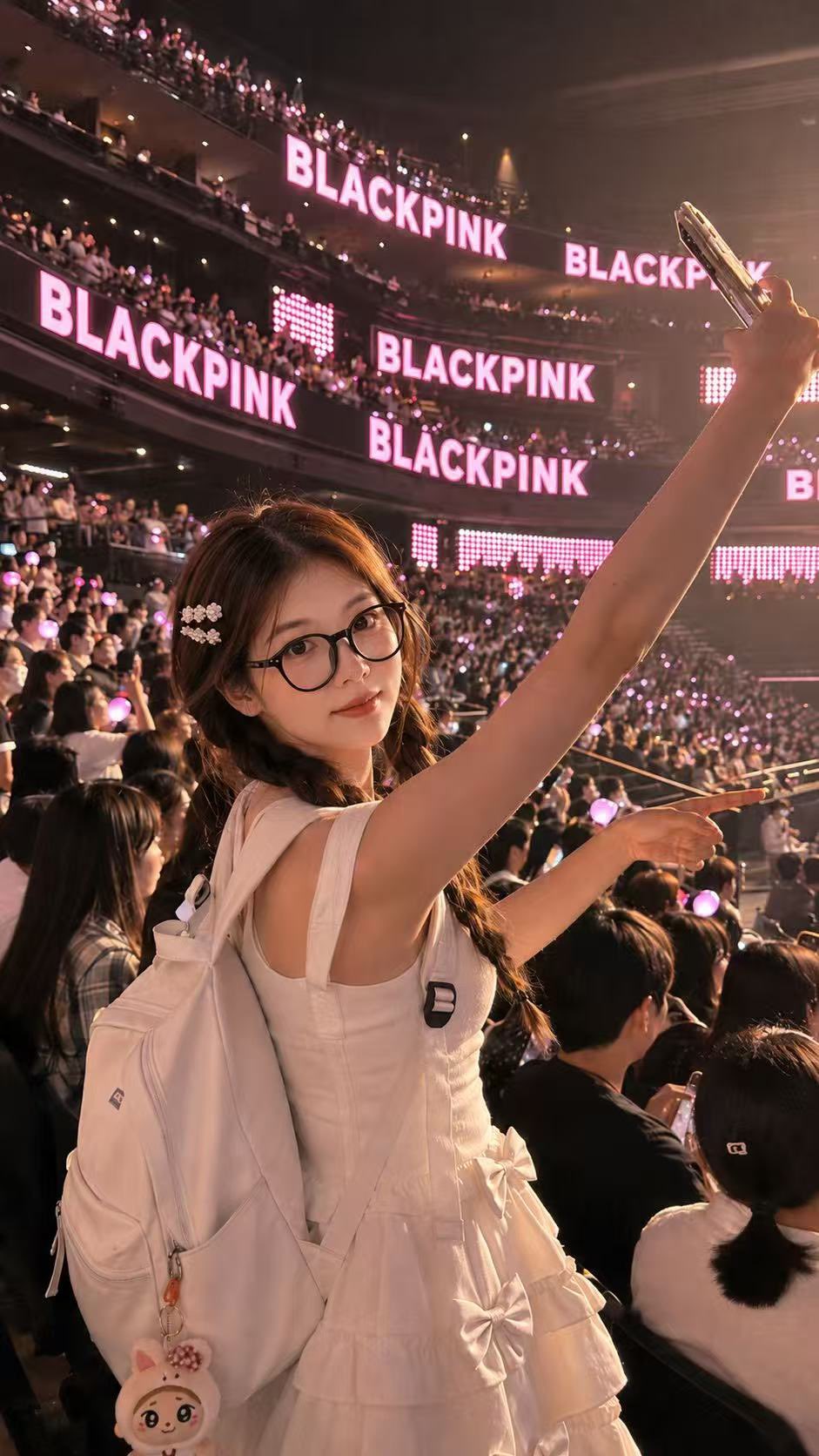
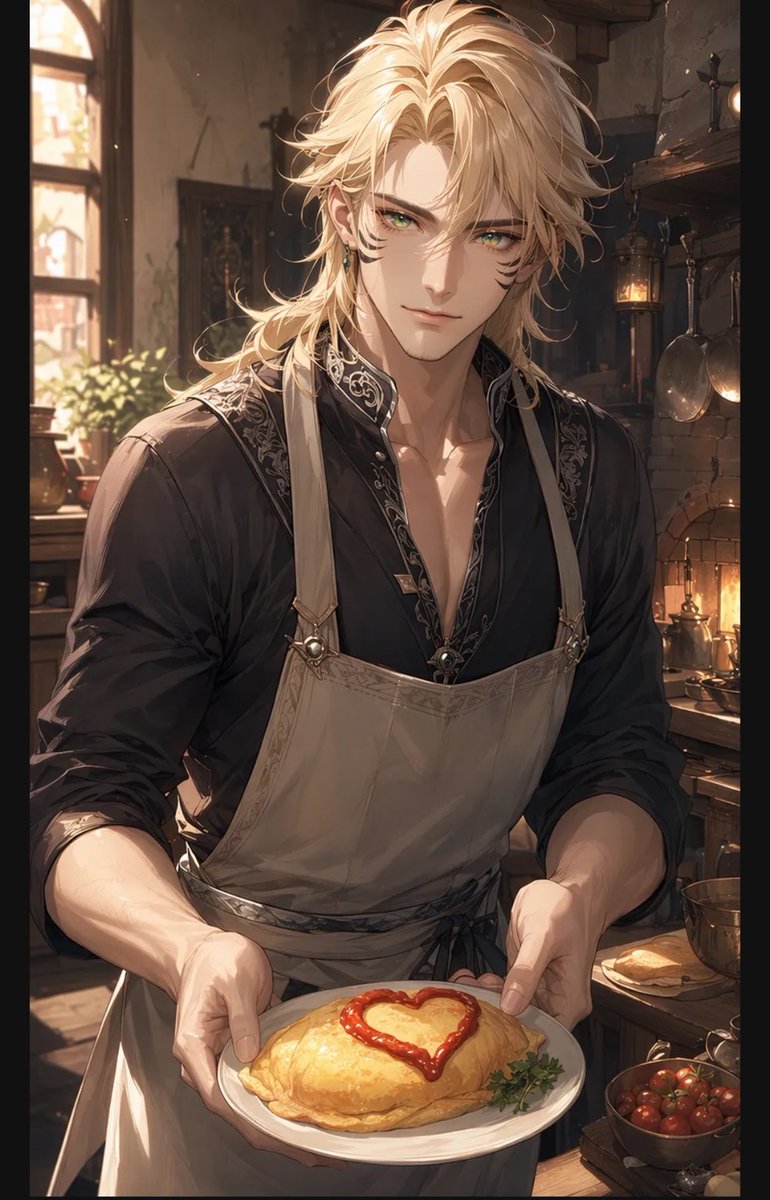
Case Media
Case Notes
This page keeps the media, full prompt, and original source together so you can inspect the result first and decide whether the prompt is worth copying, saving, or comparing.
Case Insights
To make this page easier to search, cite, and reuse later, the case is also broken down into practical guidance about usage, visual cues, and prompt structure.
Best Fit Scenarios
- Use this as a character design benchmark when you need a fast style baseline before rewriting your own prompt.
- It is especially helpful if your target overlaps with Portrait, Illustration, Character and you want to judge the image result before tuning wording.
- Keep it as a control sample when you compare nearby prompt variants one variable at a time.
Visual Signals To Notice
- The clearest style signals here are Portrait, Illustration, Character, so those should usually stay in your first rewrite.
- Look at silhouette, costume language, mood styling, and whether the character reads clearly at a glance.
- This case keeps one primary output, so the first image should be treated as the main visual reference.
How The Prompt Is Structured
- The prompt reads as a long, highly specified prompt, which is useful when you want to judge how much specificity this direction needs.
- Its keyword cluster is centered on Portrait, Illustration, Character, so you can usually keep that cluster while swapping subject, camera, layout, or copy details.
- A practical rewrite path is: keep the outcome, keep the strongest style cues, then replace only the subject and environment blocks.
Good Follow-up Questions
- What changes first if you keep Portrait, Illustration, Character but switch the subject matter?
- Which part of the result comes from section-level structure (Character Design) versus tag-level style cues?
- Which related cases in the same section give you a cleaner or more extreme variation of the same direction?
Full Prompt
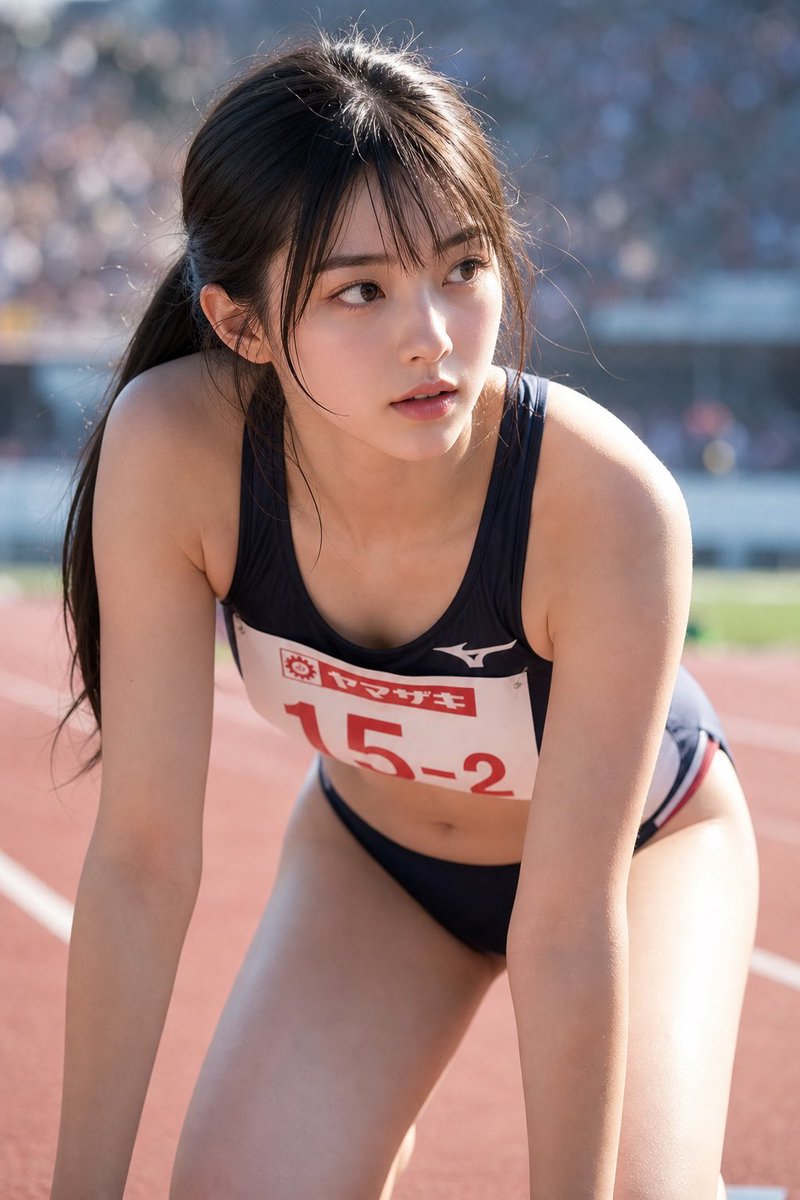
Create an ultra-realistic vertical sports photograph of an adult {argument name="athlete nationality" default="Japanese"} female track-and-field sprinter on an outdoor stadium running track, framed from mid-thigh to above the head in a close portrait crop. She is leaning forward in a pre-race crouch with both arms extended downward, shoulders and upper body prominent, wearing a dark navy or black two-piece racing uniform with a sleeveless crop top and matching racing briefs, with thin red-and-white trim at the hips. Add a white competition bib pinned across her chest with red Japanese sponsor text and the visible race number {argument name="bib number" default="15-2"}, plus a small white Mizuno-style logo on the upper chest. Her {argument name="hair color" default="dark brown"} hair is long and tied back in a low ponytail with loose strands catching the sunlight. Place a plain rectangular privacy blur or solid skin-toned block over the face, centered from forehead to chin, while keeping the ears, hairline, neck, shoulders, and body realistically visible. The setting is a sunny athletics stadium with a red running track, white lane markings, and a distant out-of-focus crowd and stands rendered as soft blue-gray bokeh. Use natural daylight, strong backlighting on the hair and shoulders, shallow depth of field, realistic skin texture, authentic sports-photo lens compression, high detail, candid professional photography style, no illustration, no anime, no glamour posing, no text other than the bib.