Case Media
Case Notes
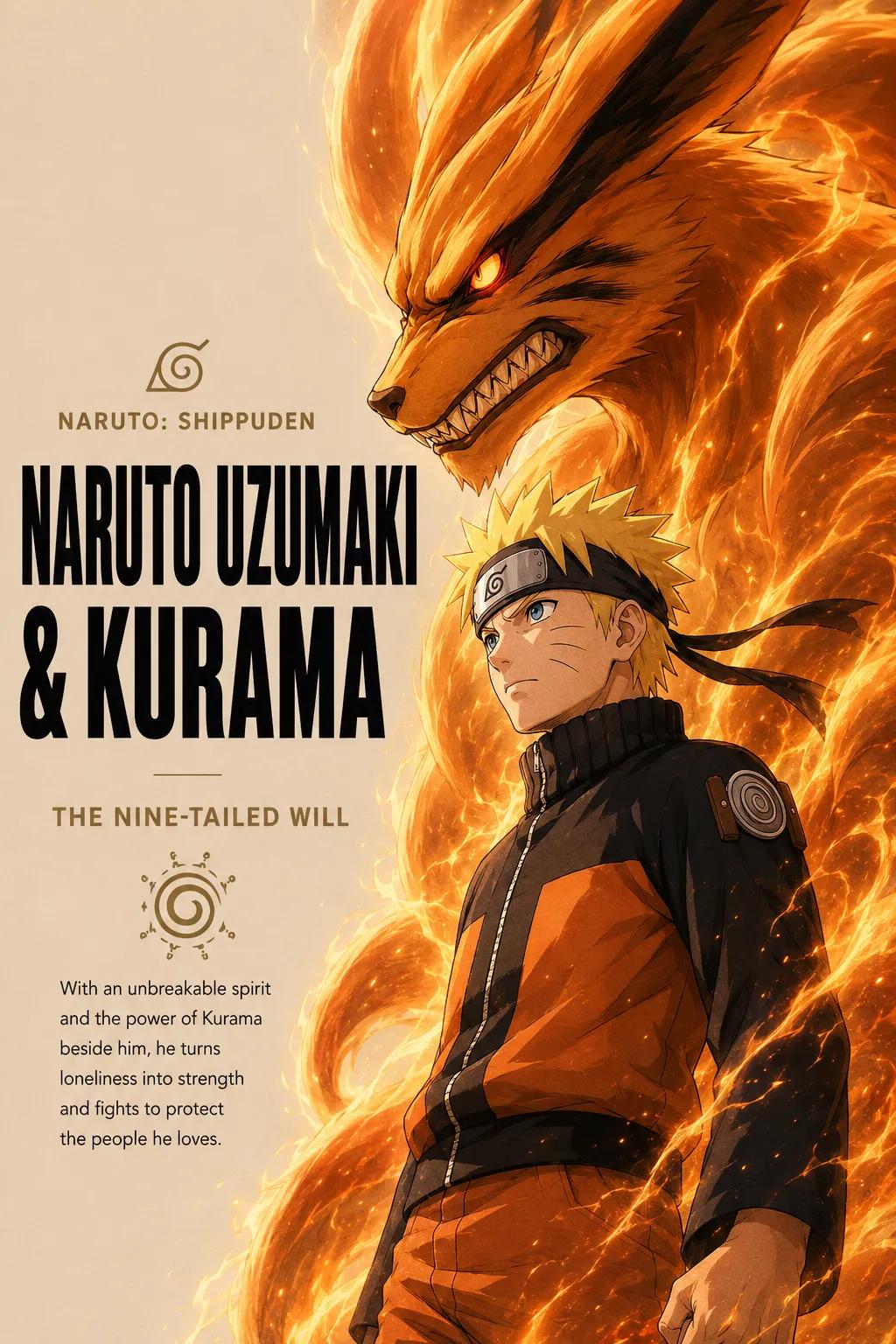
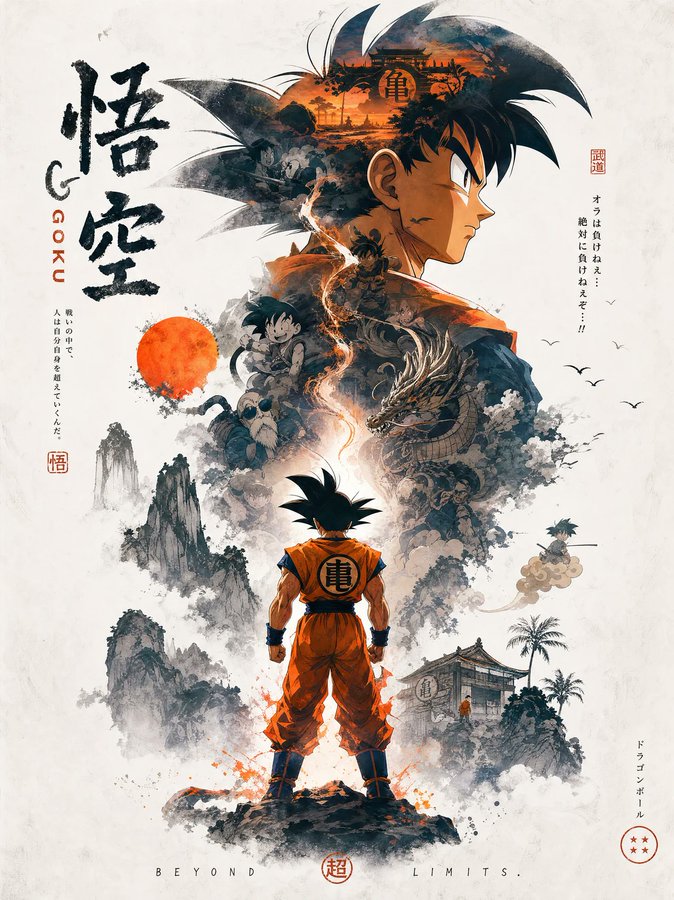
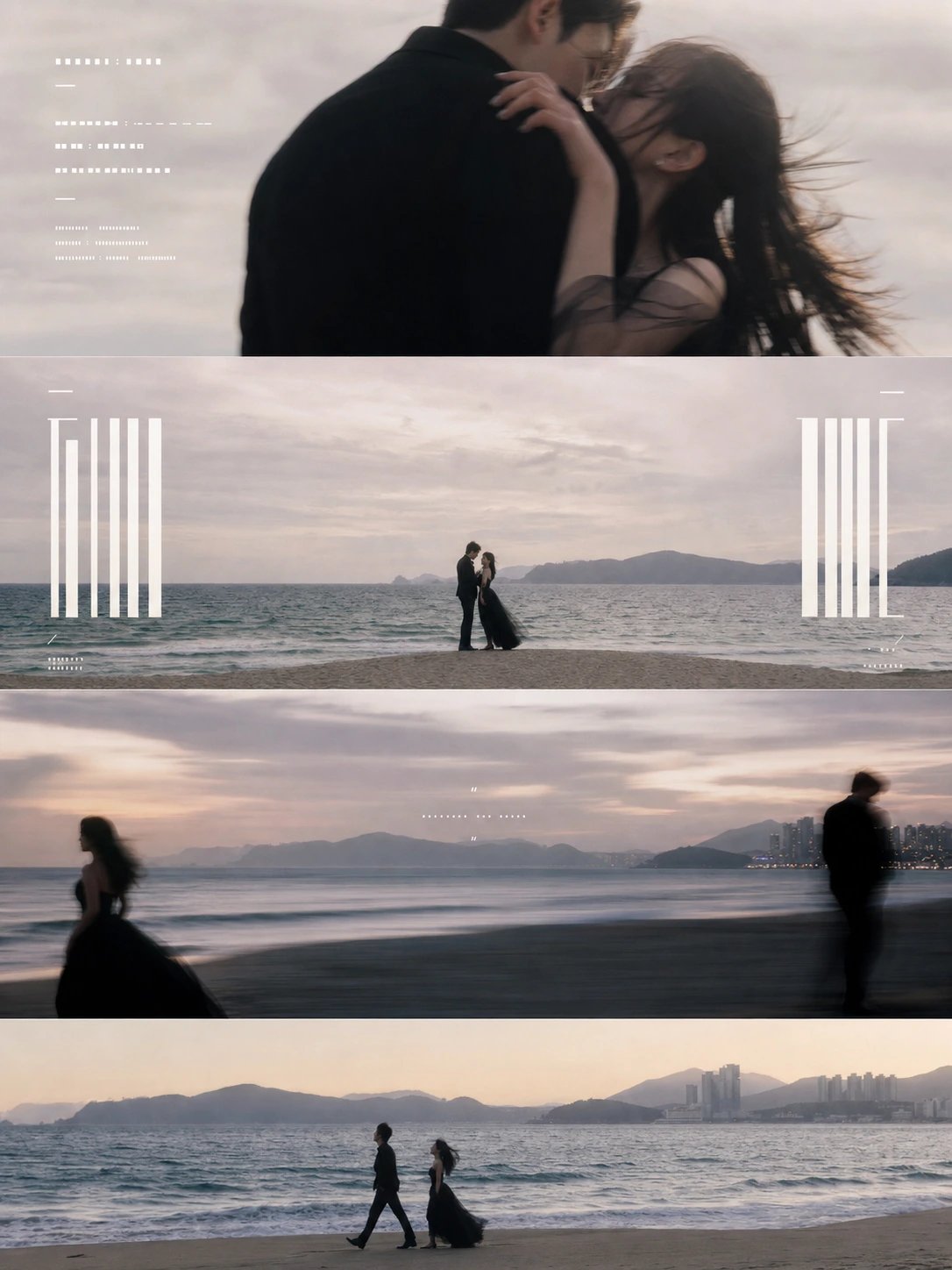
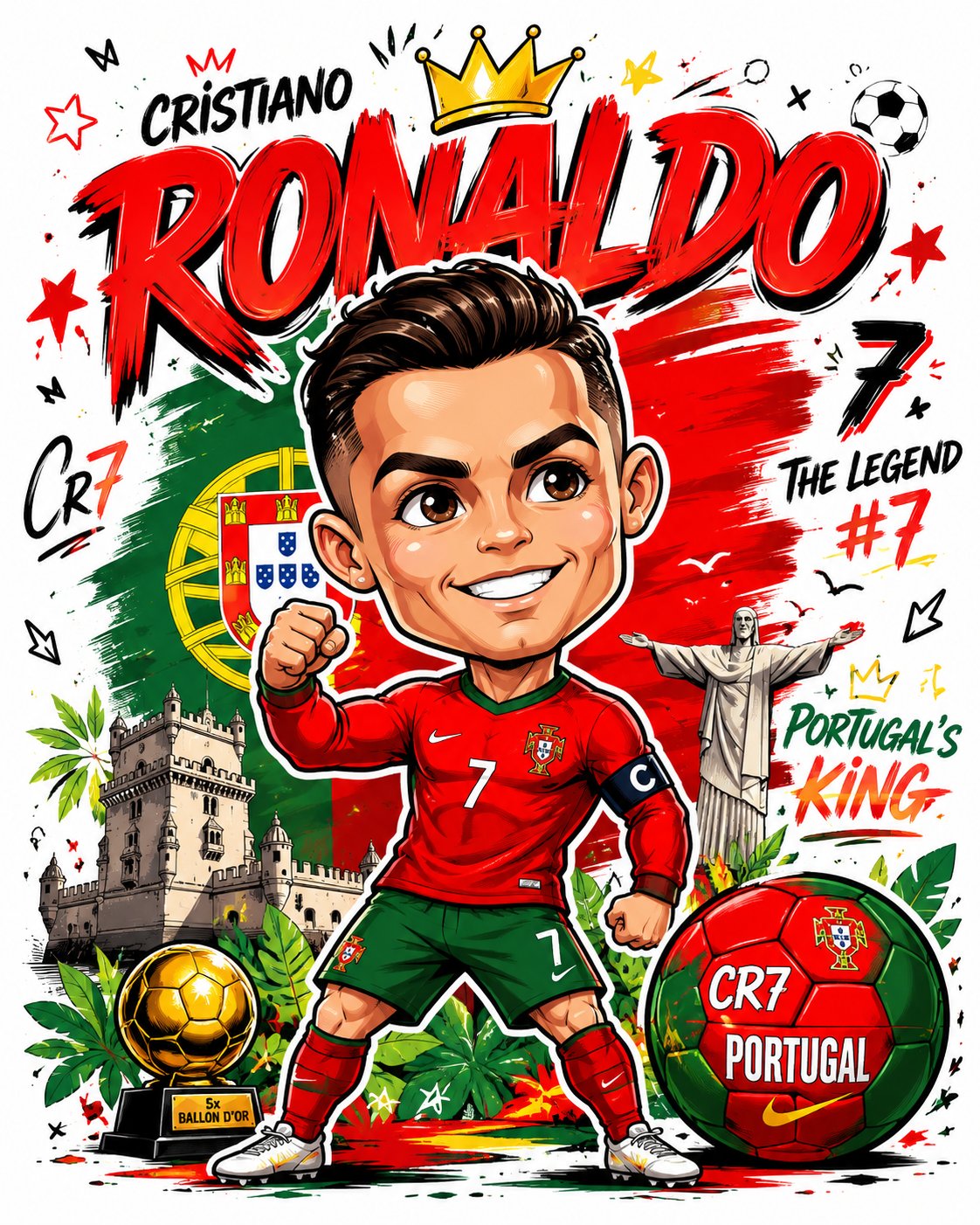
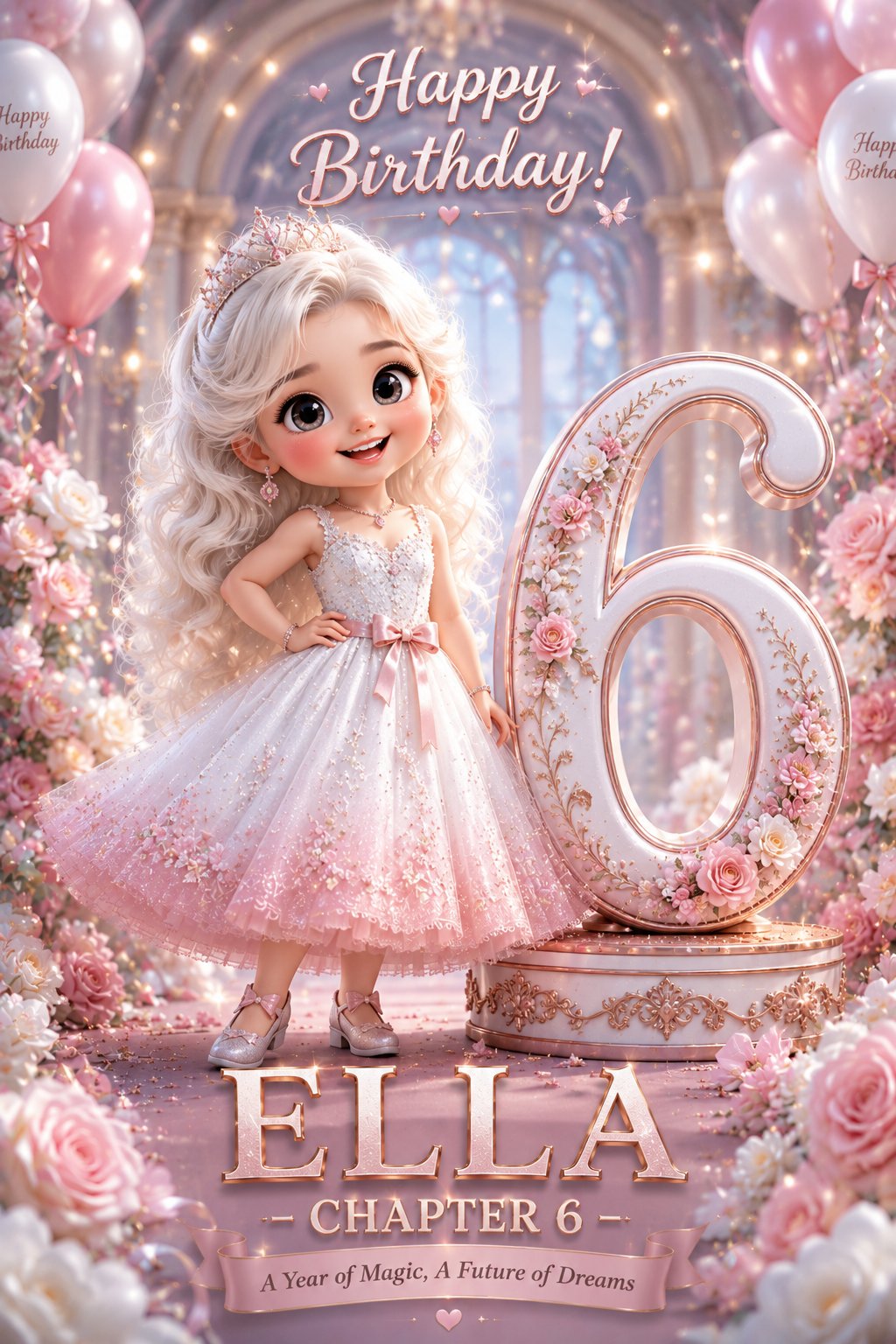
This page keeps the media, full prompt, and original source together so you can inspect the result first and decide whether the prompt is worth copying, saving, or comparing.
Case Insights
To make this page easier to search, cite, and reuse later, the case is also broken down into practical guidance about usage, visual cues, and prompt structure.
Best Fit Scenarios
- Use this as a character design benchmark when you need a fast style baseline before rewriting your own prompt.
- It is especially helpful if your target overlaps with Cinematic, Poster, Character and you want to judge the image result before tuning wording.
- Keep it as a control sample when you compare nearby prompt variants one variable at a time.
Visual Signals To Notice
- The clearest style signals here are Cinematic, Poster, Character, so those should usually stay in your first rewrite.
- Look at silhouette, costume language, mood styling, and whether the character reads clearly at a glance.
- This case keeps 2 media outputs, which makes it easier to check whether the style remains stable across multiple results.
How The Prompt Is Structured
- The prompt reads as a long, highly specified prompt, which is useful when you want to judge how much specificity this direction needs.
- Its keyword cluster is centered on Cinematic, Poster, Character, so you can usually keep that cluster while swapping subject, camera, layout, or copy details.
- A practical rewrite path is: keep the outcome, keep the strongest style cues, then replace only the subject and environment blocks.
Good Follow-up Questions
- What changes first if you keep Cinematic, Poster, Character but switch the subject matter?
- Which part of the result comes from section-level structure (Character Design) versus tag-level style cues?
- Which related cases in the same section give you a cleaner or more extreme variation of the same direction?
Full Prompt
Create an ultra-detailed 3D chibi birthday poster featuring [NAME] transformed into an adorable super-deformed chibi character while keeping the child's facial features recognizable. The character should have: oversized head and tiny body proportions fluffy detailed hair oversized expressive sparkling eyes tiny shoes and collectible figurine style Expression details: puffed cheeks tiny pouting lips watery sparkling teary eyes slightly raised eyebrows soft blush on cheeks grumpy but adorable expression crossed arms or hands on hips The child is standing beside a giant glossy number [AGE], wearing an elegant outfit matching the original clothing colors and theme ([THEME COLORS]). Create a luxurious birthday setup with: pastel flowers elegant ribbons floating balloons dreamy bokeh lights soft glowing particles premium floral decorations magical fantasy atmosphere Add stylish typography: "[NAME] – CHAPTER [AGE]" "A Year of Magic, A Future of Dreams" Style: Disney-Pixar inspired, ultra-detailed 3D render, soft cinematic lighting, kawaii aesthetic, dreamy atmosphere, pastel luxury theme, premium birthday invitation design, highly detailed textures, elegant composition, vertical poster layout, 8K quality.