Case Media
Case Notes
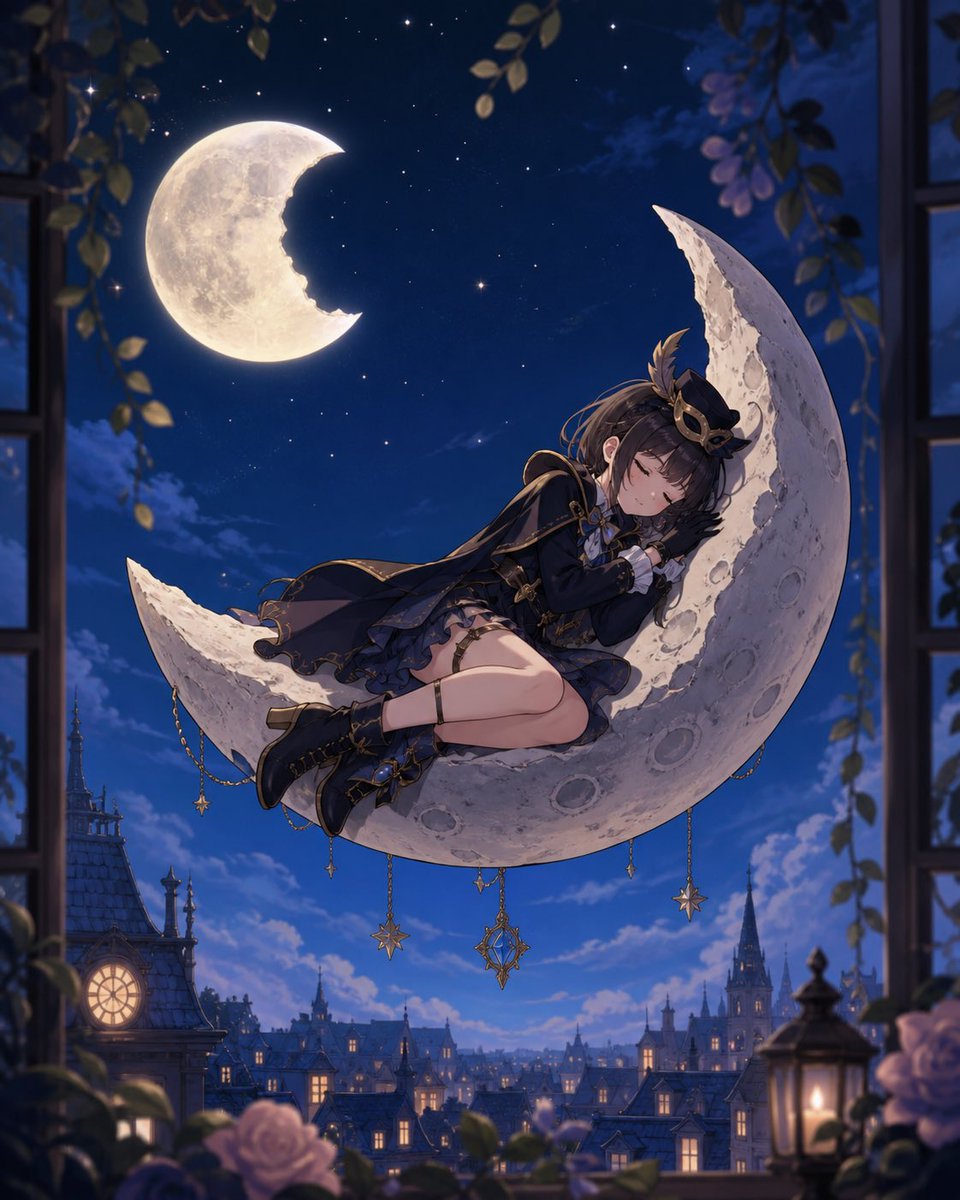
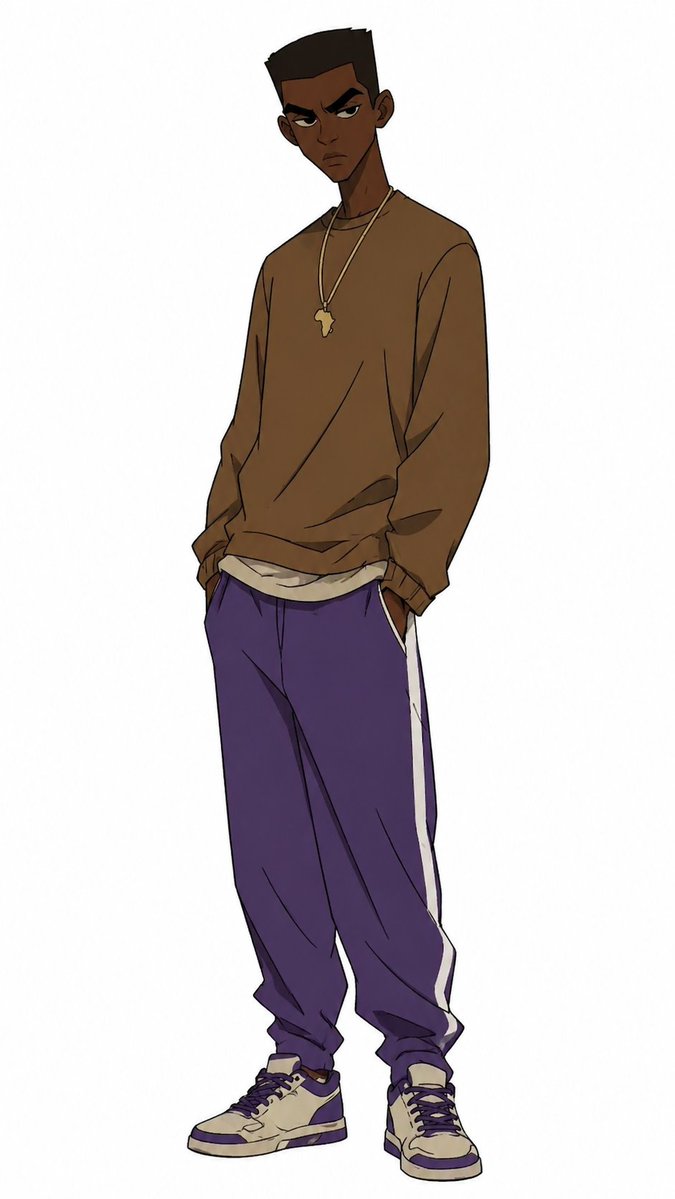
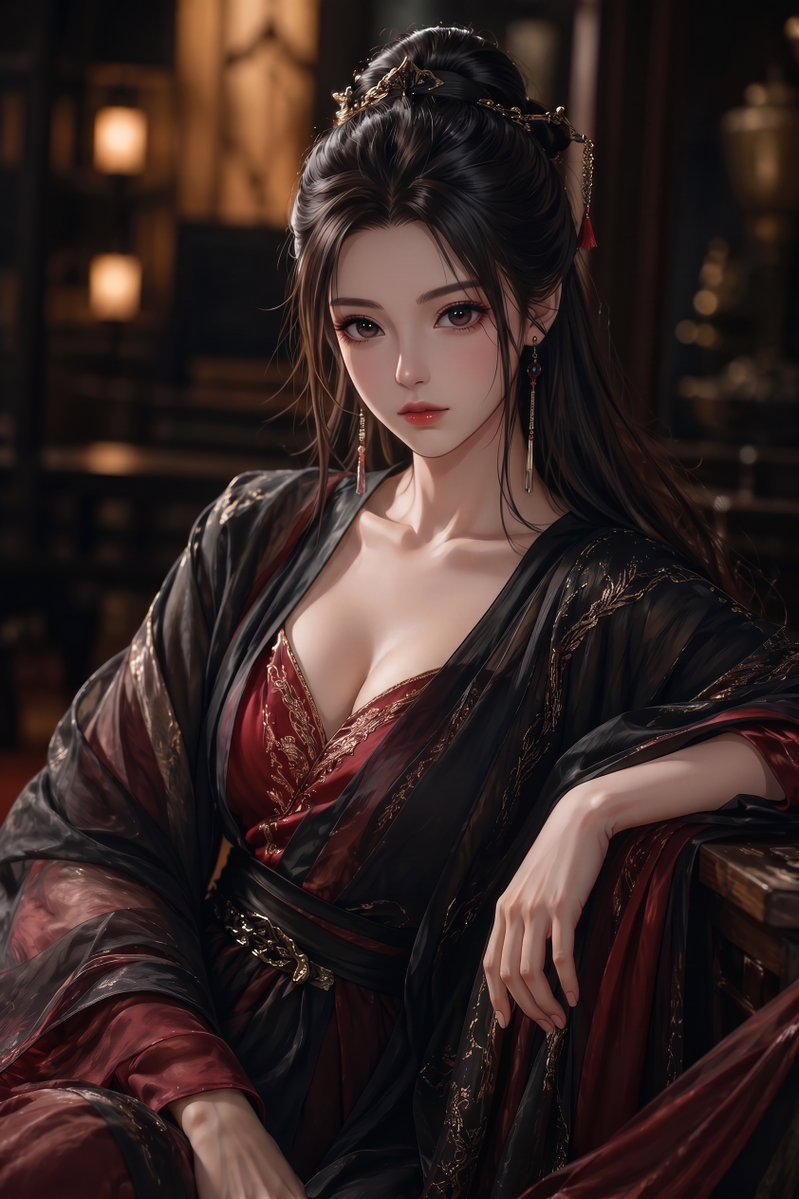
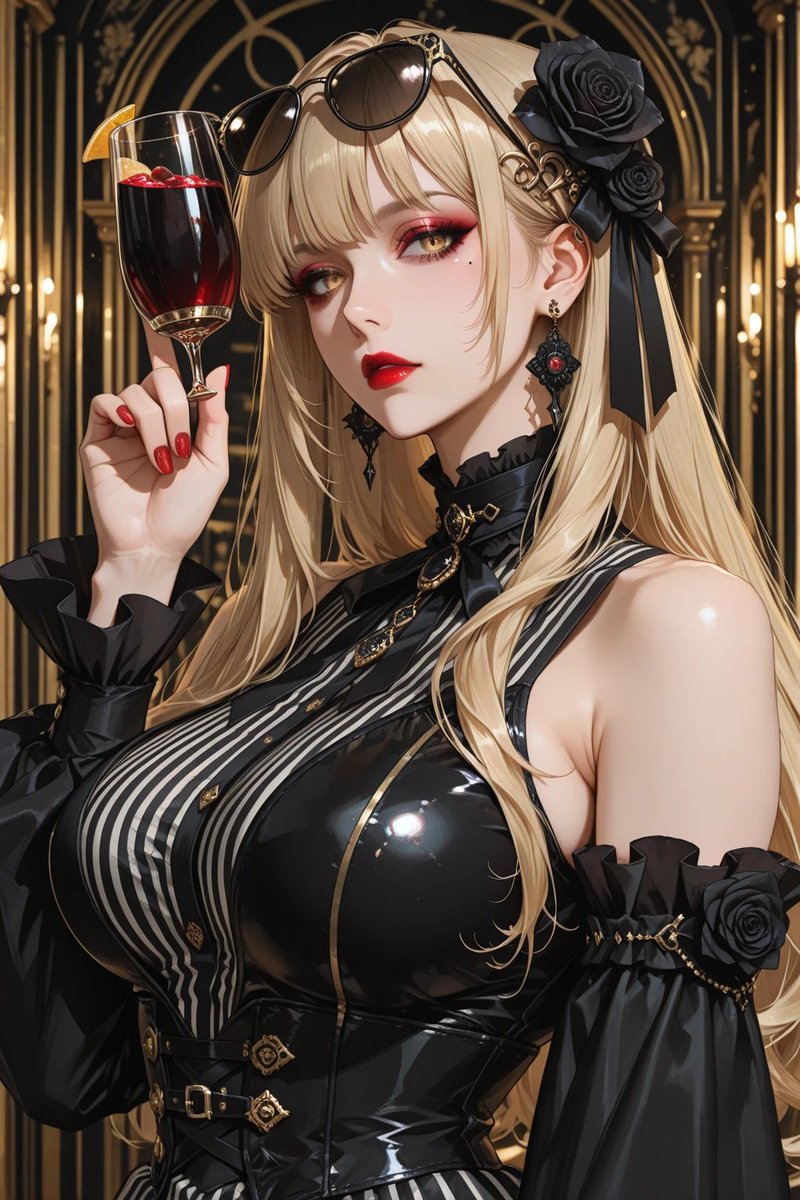
This page keeps the media, full prompt, and original source together so you can inspect the result first and decide whether the prompt is worth copying, saving, or comparing.
Case Insights
To make this page easier to search, cite, and reuse later, the case is also broken down into practical guidance about usage, visual cues, and prompt structure.
Best Fit Scenarios
- Use this as a character design benchmark when you need a fast style baseline before rewriting your own prompt.
- It is especially helpful if your target overlaps with Cinematic, Fashion, Character and you want to judge the image result before tuning wording.
- Keep it as a control sample when you compare nearby prompt variants one variable at a time.
Visual Signals To Notice
- The clearest style signals here are Cinematic, Fashion, Character, so those should usually stay in your first rewrite.
- Look at silhouette, costume language, mood styling, and whether the character reads clearly at a glance.
- This case keeps one primary output, so the first image should be treated as the main visual reference.
How The Prompt Is Structured
- The prompt reads as a long, highly specified prompt, which is useful when you want to judge how much specificity this direction needs.
- Its keyword cluster is centered on Cinematic, Fashion, Character, so you can usually keep that cluster while swapping subject, camera, layout, or copy details.
- A practical rewrite path is: keep the outcome, keep the strongest style cues, then replace only the subject and environment blocks.
Good Follow-up Questions
- What changes first if you keep Cinematic, Fashion, Character but switch the subject matter?
- Which part of the result comes from section-level structure (Character Design) versus tag-level style cues?
- Which related cases in the same section give you a cleaner or more extreme variation of the same direction?
Full Prompt
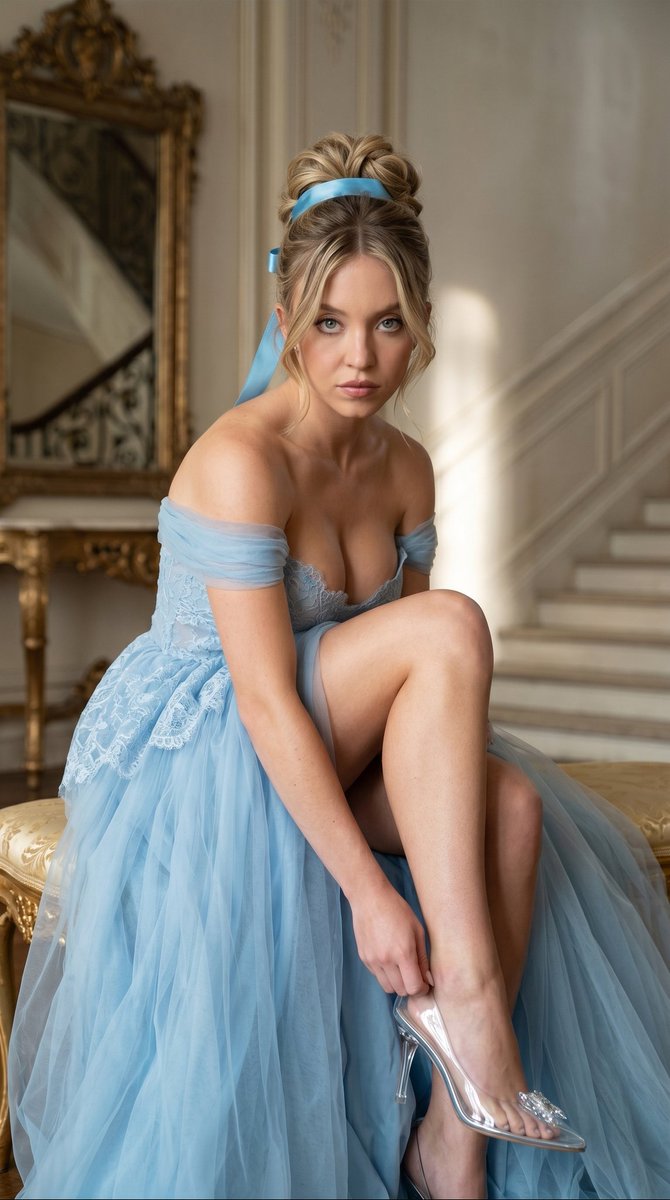
Create a vertical high-fashion editorial photograph of {argument name="character" default="a graceful Cinderella-inspired blonde woman"} seated on an ornate gilded bench in an opulent palace interior, leaning forward while delicately adjusting a transparent crystal glass slipper on her extended foot. Her face is fully covered by a flat beige rectangular anonymizing block, while her posture remains elegant and poised. She wears {argument name="dress color" default="pale sky blue"} off-the-shoulder tulle and lace ball gown with sheer draped sleeves, a fitted lace bodice, a plunging neckline, and voluminous translucent layers pooling around the bench, exposing her bare legs. Her hair is styled in a sculptural blonde updo with soft curled tendrils, tied with a bright azure satin ribbon trailing behind her head. The glass slipper is clear and glossy with a slim heel and sparkling crystal embellishment at the toe. Set the scene in a refined classical chamber with a large ornate gilded mirror on the left, an antique gold console table beneath it, cream marble walls, and a softly blurred sweeping staircase in the background on the right. Use soft cinematic side lighting from the left, shallow depth of field, warm highlights, cool blue fairy-tale atmosphere, luxurious fabric texture, realistic skin, elegant composition, centered subject, 9:16 vertical crop, editorial fashion photography style.