Case Media
Case Notes
This page keeps the media, full prompt, and original source together so you can inspect the result first and decide whether the prompt is worth copying, saving, or comparing.
Case Insights
To make this page easier to search, cite, and reuse later, the case is also broken down into practical guidance about usage, visual cues, and prompt structure.
Best Fit Scenarios
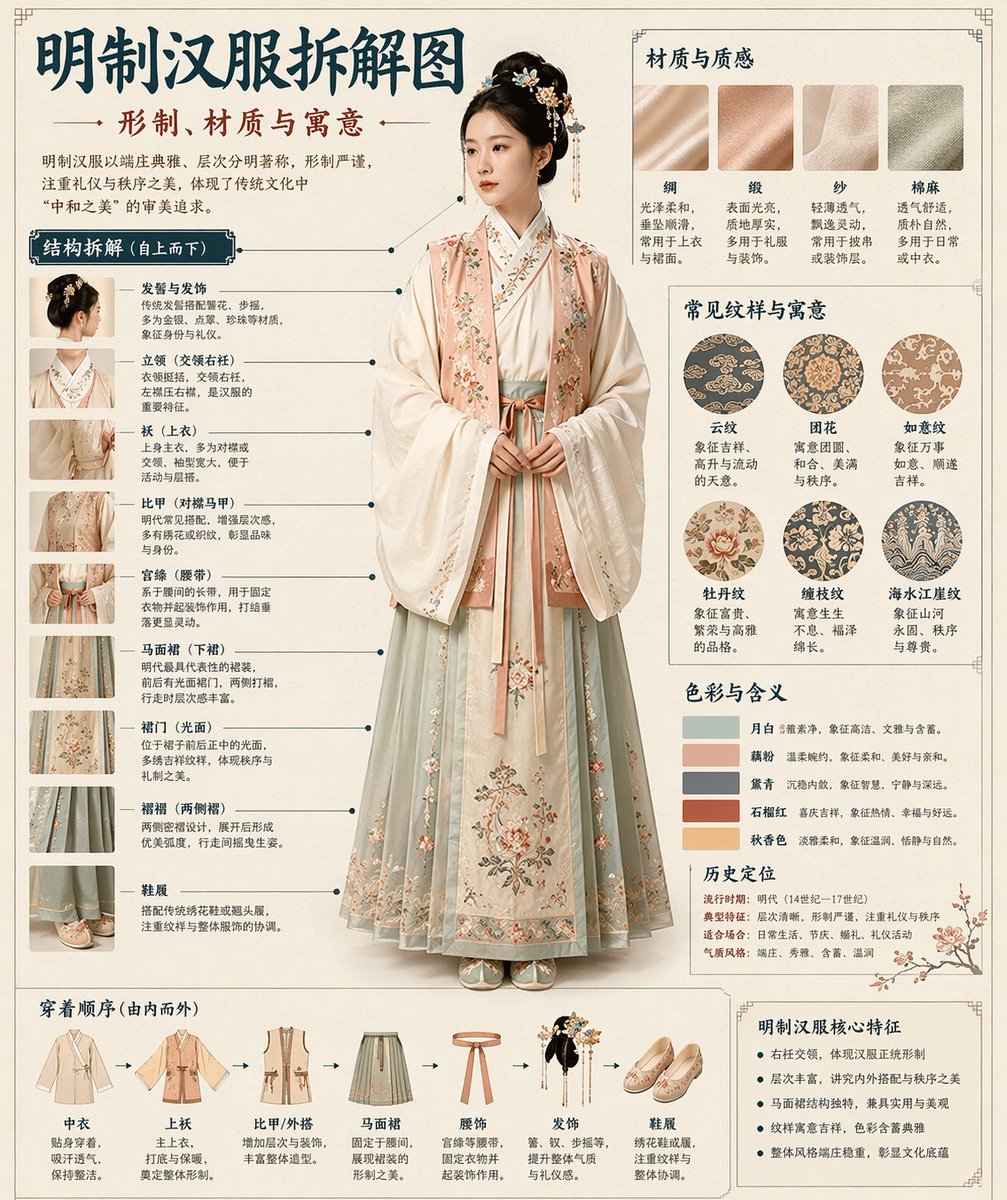
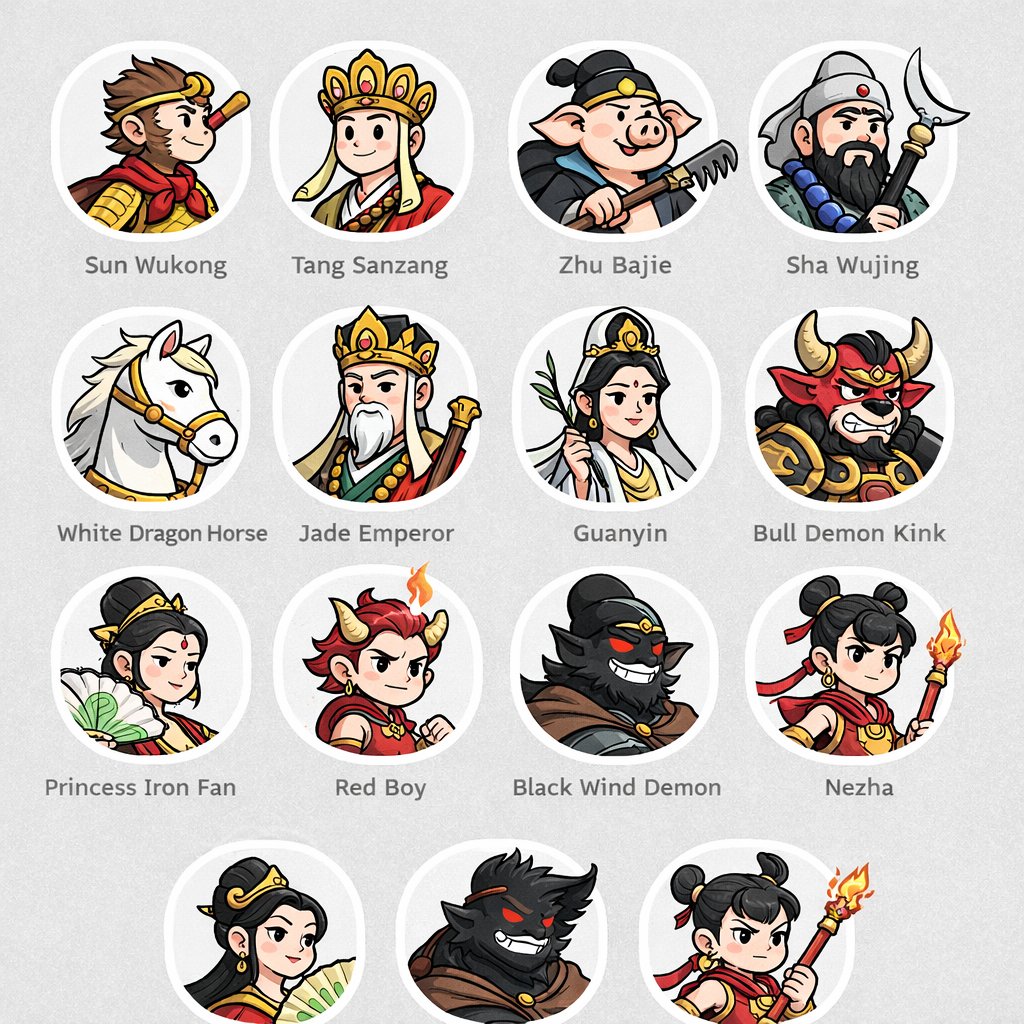
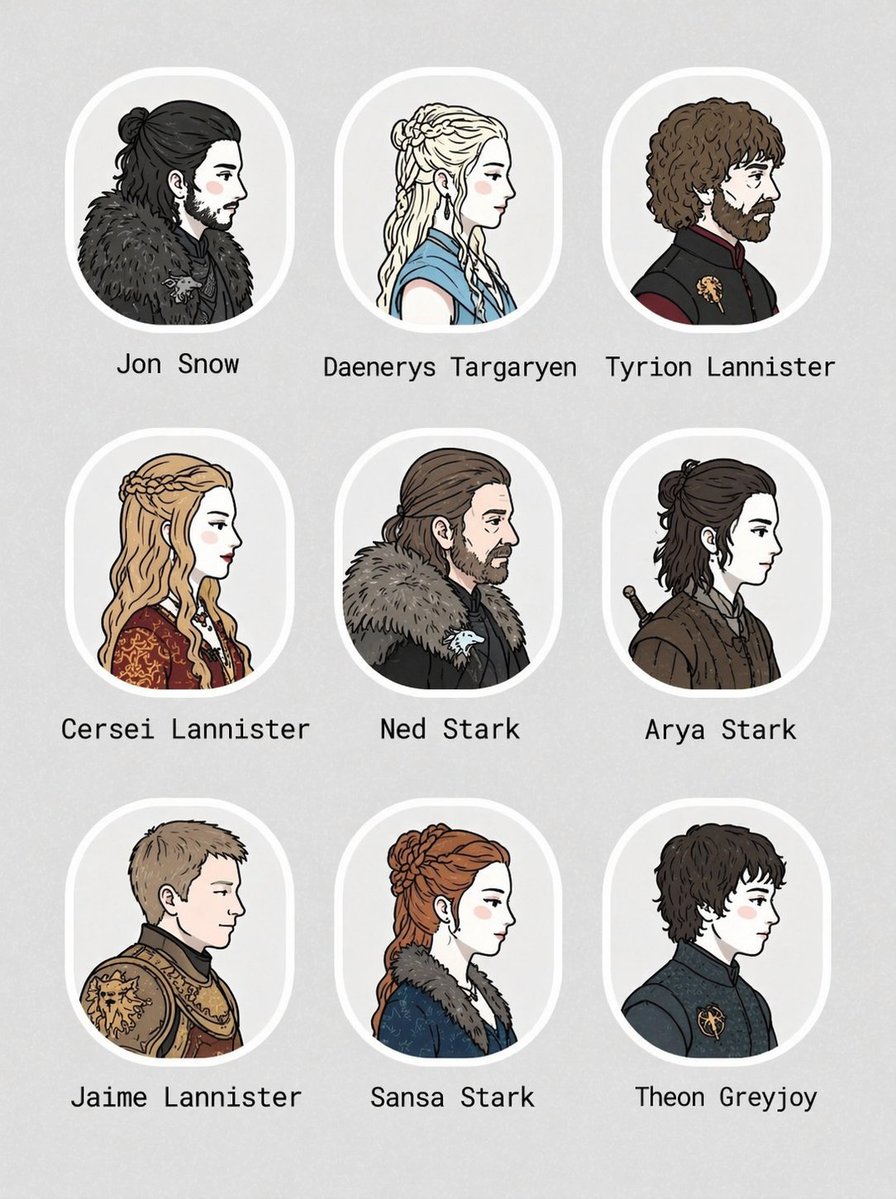
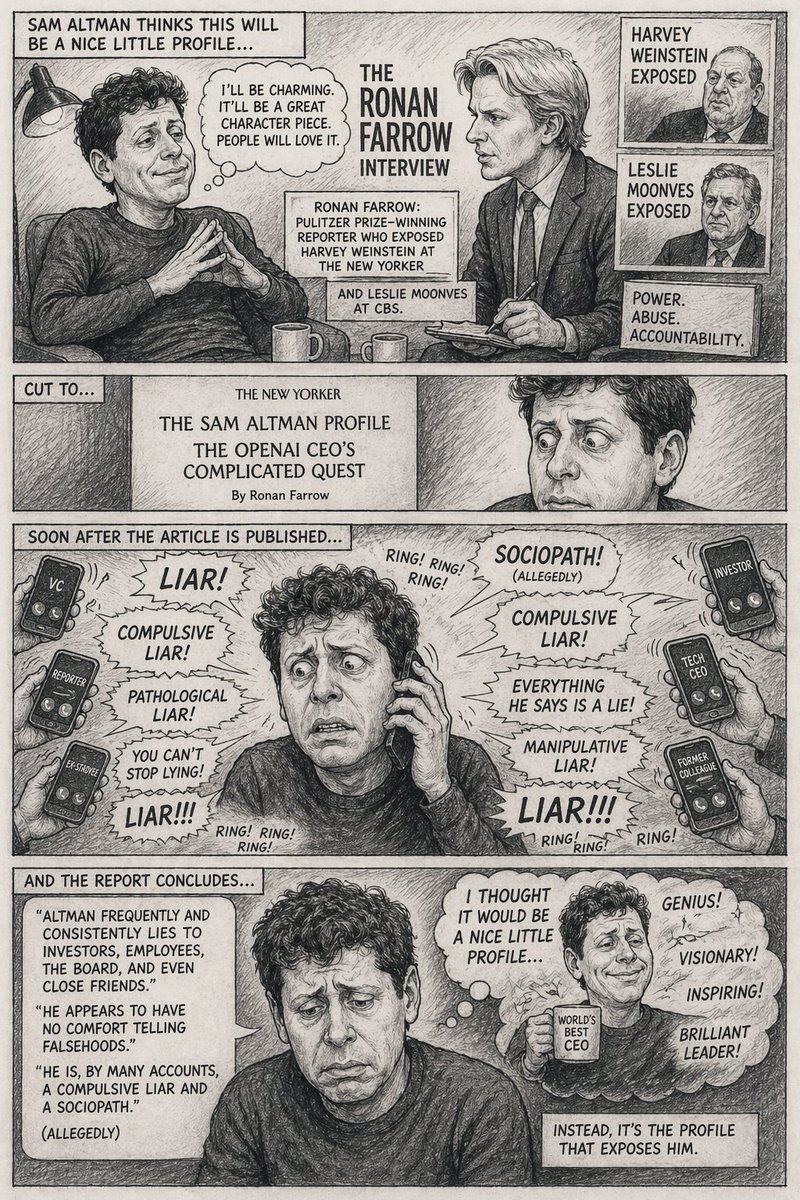
- Use this as a character design benchmark when you need a fast style baseline before rewriting your own prompt.
- It is especially helpful if your target overlaps with Portrait, Illustration, Character and you want to judge the image result before tuning wording.
- Keep it as a control sample when you compare nearby prompt variants one variable at a time.
Visual Signals To Notice
- The clearest style signals here are Portrait, Illustration, Character, so those should usually stay in your first rewrite.
- Look at silhouette, costume language, mood styling, and whether the character reads clearly at a glance.
- This case keeps 2 media outputs, which makes it easier to check whether the style remains stable across multiple results.
How The Prompt Is Structured
- The prompt reads as a long, highly specified prompt, which is useful when you want to judge how much specificity this direction needs.
- Its keyword cluster is centered on Portrait, Illustration, Character, so you can usually keep that cluster while swapping subject, camera, layout, or copy details.
- A practical rewrite path is: keep the outcome, keep the strongest style cues, then replace only the subject and environment blocks.
Good Follow-up Questions
- What changes first if you keep Portrait, Illustration, Character but switch the subject matter?
- Which part of the result comes from section-level structure (Character Design) versus tag-level style cues?
- Which related cases in the same section give you a cleaner or more extreme variation of the same direction?
Full Prompt
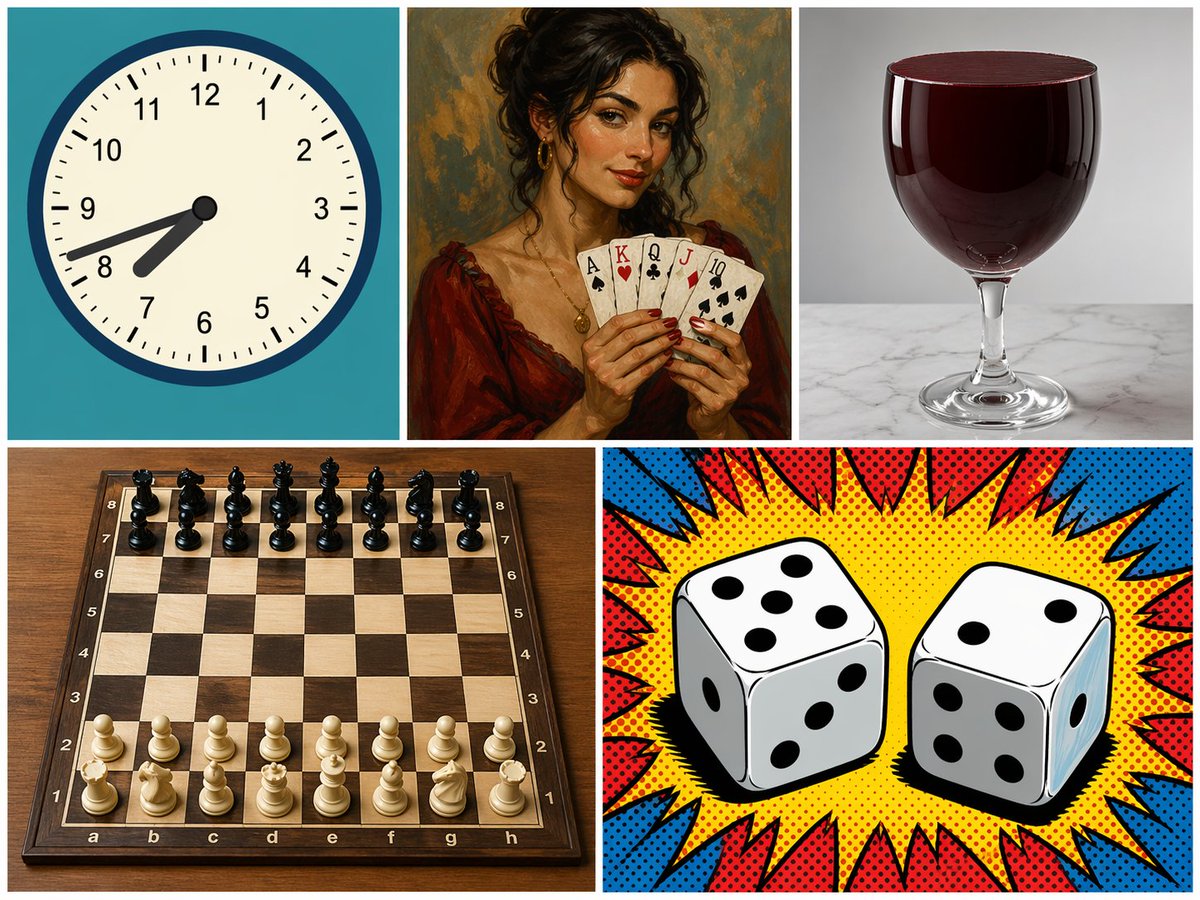
{ "type": "5-panel collage", "layout": "grid with 3 top panels and 2 bottom panels", "panels": [ { "position": "top-left", "subject": "analog clock", "details": "teal background, time showing {argument name=\"clock time\" default=\"7:42\"}", "style": "flat vector illustration" }, { "position": "top-middle", "subject": "woman holding playing cards", "details": "holding 5 cards: {argument name=\"card hand\" default=\"Ace of Spades, King of Hearts, Queen of Clubs, Jack of Diamonds, 10 of Spades\"}", "style": "classic oil painting portrait" }, { "position": "top-right", "subject": "glass of red liquid", "details": "{argument name=\"glass type\" default=\"wine glass\"} filled to the brim with dark red liquid, marble surface", "style": "photorealistic studio photography" }, { "position": "bottom-left", "subject": "chessboard", "details": "wooden board with 32 pieces in standard starting position", "style": "photorealistic high-angle shot" }, { "position": "bottom-right", "subject": "two dice", "details": "left die shows {argument name=\"left die top\" default=\"5\"} on top, right die shows {argument name=\"right die top\" default=\"2\"} on top", "style": "pop art comic book halftone with red and blue burst" } ] }