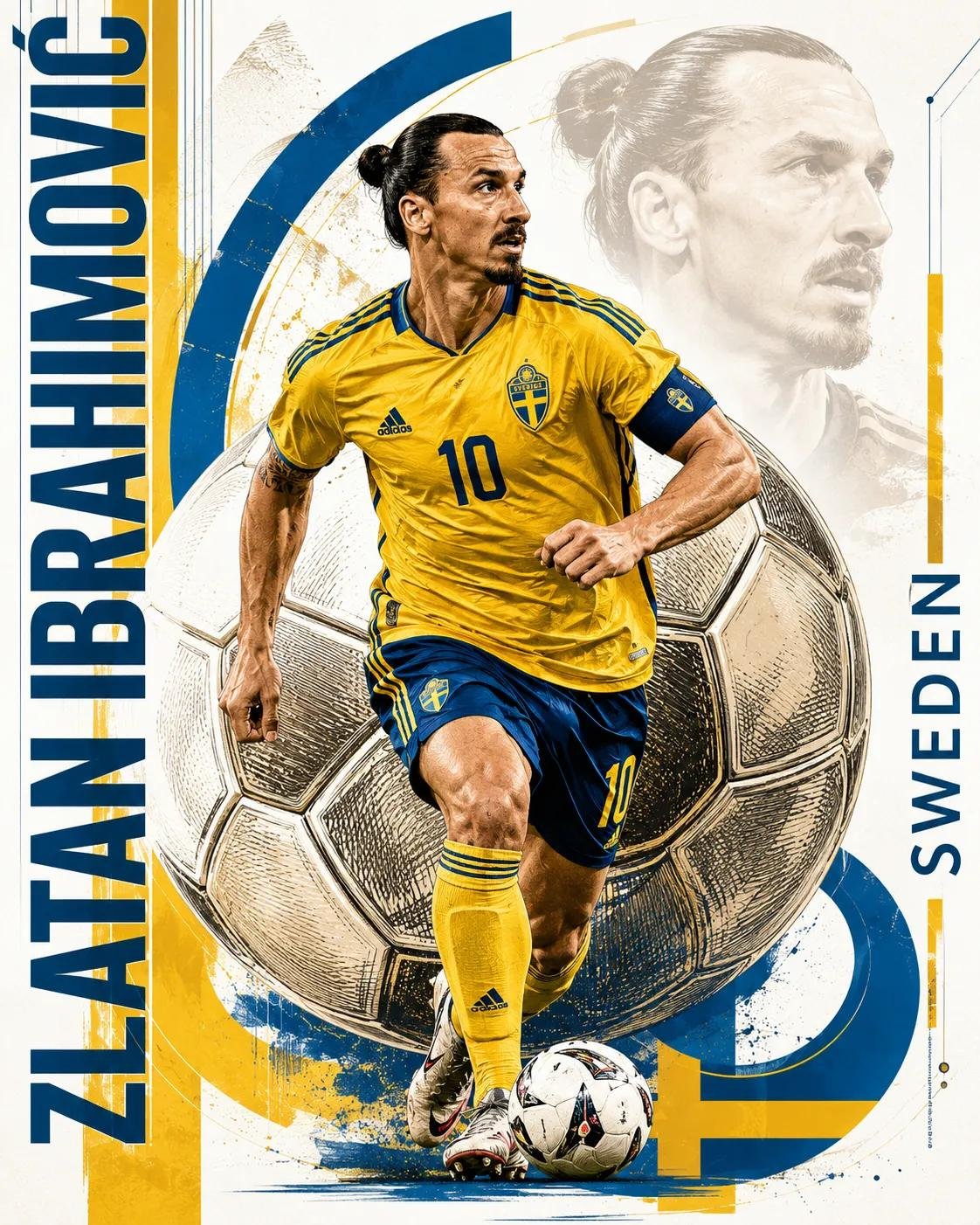
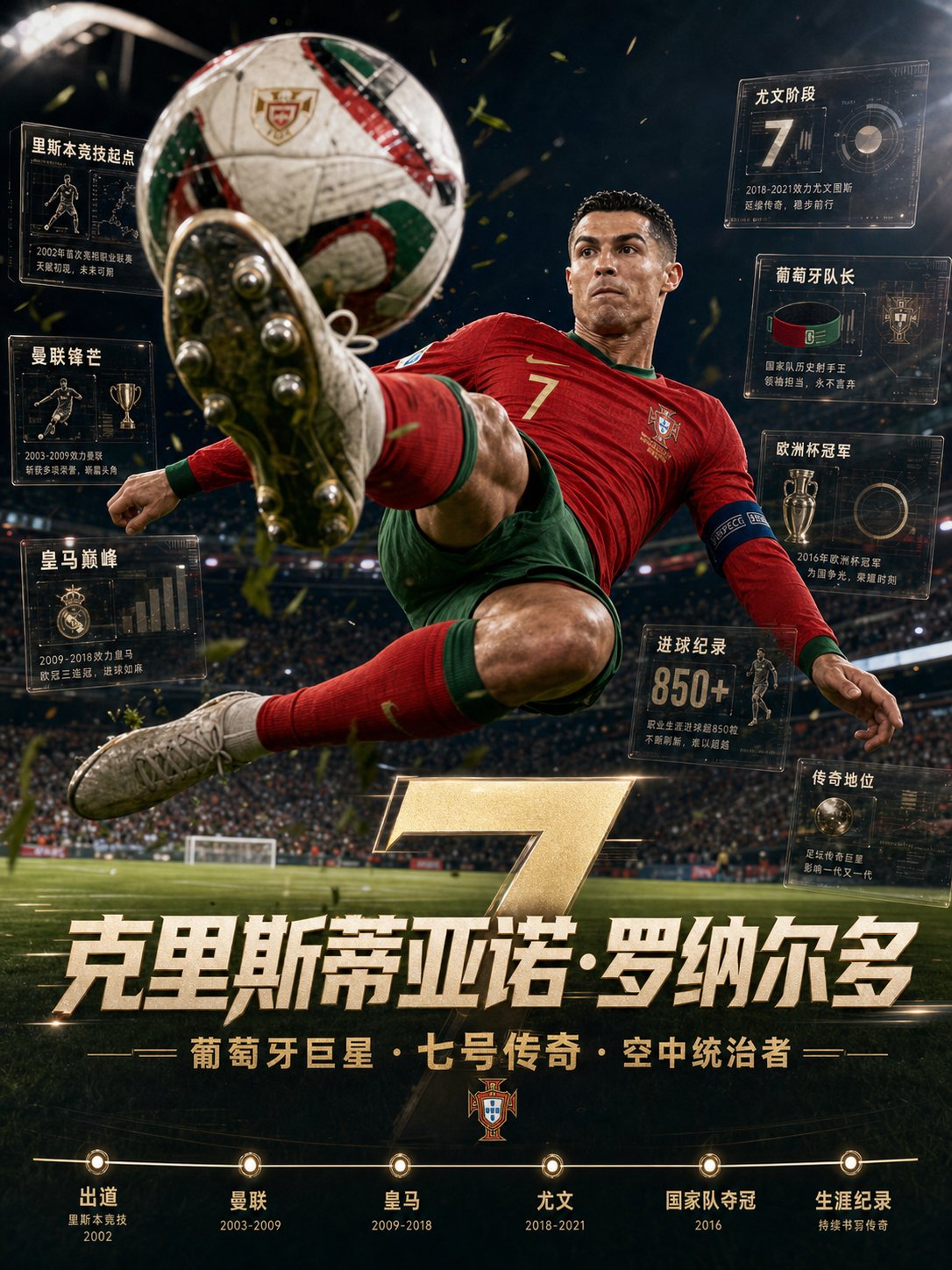
Case Media
Case Notes
This page keeps the media, full prompt, and original source together so you can inspect the result first and decide whether the prompt is worth copying, saving, or comparing.
Case Insights
To make this page easier to search, cite, and reuse later, the case is also broken down into practical guidance about usage, visual cues, and prompt structure.
Best Fit Scenarios
- Use this as a character design benchmark when you need a fast style baseline before rewriting your own prompt.
- It is especially helpful if your target overlaps with Portrait, Cinematic, Poster and you want to judge the image result before tuning wording.
- Keep it as a control sample when you compare nearby prompt variants one variable at a time.
Visual Signals To Notice
- The clearest style signals here are Portrait, Cinematic, Poster, so those should usually stay in your first rewrite.
- Look at silhouette, costume language, mood styling, and whether the character reads clearly at a glance.
- This case keeps 2 media outputs, which makes it easier to check whether the style remains stable across multiple results.
How The Prompt Is Structured
- The prompt reads as a long, highly specified prompt, which is useful when you want to judge how much specificity this direction needs.
- Its keyword cluster is centered on Portrait, Cinematic, Poster, so you can usually keep that cluster while swapping subject, camera, layout, or copy details.
- A practical rewrite path is: keep the outcome, keep the strongest style cues, then replace only the subject and environment blocks.
Good Follow-up Questions
- What changes first if you keep Portrait, Cinematic, Poster but switch the subject matter?
- Which part of the result comes from section-level structure (Character Design) versus tag-level style cues?
- Which related cases in the same section give you a cleaner or more extreme variation of the same direction?
Full Prompt
Please create a highly finished "Soccer Superstar Breaking-Frame Archive Poster" based on the following user input. [User Input] Subject: [Player Name] Version: [National Team / Club] Core Action: [Action Type] Character Keywords: [Keywords] Main Color Tone: [Main Color Tone] Identity Label: [Identity Label] Aspect Ratio: [3:4 Vertical] This is not a common soccer poster, nor a standard star portrait, but a modern soccer superstar master poster with a core structure of "central hyper-realistic soccer superstar main visual + intense frame-breaking impact of the football and leading foot + dark translucent archive panels on both sides + lightweight career timeline at the bottom." The entire image must possess hyper-realistic character texture, strong three-dimensional impact, a modern sports advertising feel, collectible design quality, a lightweight archive feel, and a distinct serialized style. Most importantly, the protagonist of the image is not a large title, nor a huge number, but the moment of "the player + the football + the leading foot charging out of the frame." The central figure must be a full or near-full body proportion hyper-realistic soccer superstar, with extremely strong realism, volume, power, and celebrity recognition. The character must use realism, cinematic, photographic, and hyper-realistic style representation, including real facial structure, clear features and eyes, real skin and muscle details, real jersey, socks, boots, shin guard materials, real action tension, real stadium lighting and shadow layers, and real sports photography texture. Watercolor, illustration, cartoon, soft blurry rendering, excessive game art style, AI plastic skin, limb structure errors, or facial blurring/distortion are prohibited. The central character must take priority over all text, numbers, backgrounds, and information panels. The highest priority of the entire image is to make the "football + leading foot" create a visual impact as if it is about to kick out of the screen. The football must be one of the foreground explosion points closest to the lens, the leading foot must be clearly further forward than the trailing foot, and it cannot have both legs at the same front, forming a clear depth relationship to make the viewer feel the ball and the foot are charging out of the screen at the first glance. The football and the leading foot must be more eye-catching than the text and numbers. The football, sole, studs, and lower calf must have real material details. The focus hierarchy must be: 1. Football, 2. Leading foot / sole / studs / lower calf, 3. Player's face, 4. Overall body action, 5. Dark panels and lightweight archive text on both sides, 6. Background numbers and decorative information last. Lens language should adopt low angle, close-up, slight wide angle, strong perspective, strong near-large-far-small relationship, motion photography frozen moment, and real depth of field, but do not blur the face. The football must be clear, real, textured, and lit; the leading foot must be clear, real, and with sole and stud details; the player's face must be clear and recognizable; the back leg, background, and surroundings can be appropriately weakened. Do not make the image an extreme shoe-sole advertisement close-up; retain the complete action logic: ball → foot → leg → body → face. The whole image is not about pursuing exaggeration, but conveying strong impact within real sports vision. The action must be the soul of this image, requiring a cool posture, explosive power, strong spatial sense, individual player style, suitability for frame-breaking presentation, and reasonable body kinetic chain; it cannot look like a static pose. It can express different temperaments based on the subject and core action: power types emphasize explosion, jumping, heavy strike, and oppression; spiritual types emphasize low center of gravity, control, penetration, and flow; technical types emphasize curves, changes of direction, rhythm, and creativity; speed types emphasize depth, sprinting, wind-cutting, and compressing space. The action must be real, reasonable, and have a kinetic chain, with no unnatural limb structure issues. Dark translucent archive panels must be retained on the left and right sides of the image; this is an important serialized element of this poster. The panels should be dark, translucent, modern glass, or acrylic-like, low-key, textured, and may have slightly glowing edges. Panels can exist on both sides, and the content must be light, thin, and restrained, must not block the central character's core action, must not block the football or leading foot, and must not distract from the main visual. The panels can contain player identity labels, career milestones, national team highlights, club stages, key honors, technical keyword features, representative records, and small timeline nodes. The panels are only for archive atmosphere, not the protagonist; visual weight must be lower than the character, football, leading foot, and face. The poster can feature the player's Chinese name and number, but they must be auxiliary identification information and cannot become the main visual of the image. The Chinese name must be moderate or small in size, cannot span the entire poster, cannot overwhelm the character action, and cannot be more eye-catching than the football and leading foot. It is suggested to place it on the side dark panels, the bottom information area, or a restrained upper position. The font should be modern Chinese sans-serif, clean, sharp, and with a sports brand feel. Numbers can only be used as auxiliary visual elements, do not make them huge, bright main titles, do not occupy the center of the screen, do not overwhelm the player's body, and do not snatch the visual focus of the football and leading foot. Numbers are recommended to be processed as low-transparency background imprints, dark watermarks, small numbers in panels, low-contrast numbers looming behind the character, or integrated with the dark panels, rather than being brightly highlighted in the front. Overall text weight suggestion: Central character and action 70% - 80%, side panels and text information 15% - 20%, name and number 5% - 10%. Absolutely forbidden: huge names occupying the upper part of the image, huge numbers becoming the first visual, numbers more eye-catching than the character, text blocking the football / leading foot / face / body action, or the poster becoming a name and number display image. All text in the poster must use Chinese; do not use English titles, English descriptions, or English tags. Chinese subtitles and tags can be paired, with font styles being modern Chinese fonts, high-end sans-serif title feel, clean, sharp, and with a sports brand feel. Do not use historical calligraphy, excessive retro fonts, or exaggerated variety show fonts. Text must be clear but not steal the limelight. 4 to 8 lightweight information fragments can be arranged around the character. Information fragments are not heavy cards but light information modules with a modern sports archive feel, presenting a translucent glass/acrylic feel, thin, floating, multi-oriented, with slightly glowing edges, retreated to the middle-rear of the image, arranged in different angles, more like advanced data panels rather than ordinary explanation boxes. The whole must be lighter, further away, more restrained, and give way to the central action. Information fragments can include important career nodes, national team highlights, club career, trophy honors, record data, key match moments, player feature keywords, and representative achievements. All text content must use Chinese uniformly; information fragments cannot be too many, too crowded, or affect the frame-breaking impact. A lightweight career timeline / honor timeline is set at the bottom, which is required to be light, simple, and exquisite, using fine-line structure, small node markers, and Chinese node descriptions, without overwhelming the image, stealing the character action, or being made into a heavy information bar, and without appearing too large years or numbers. The bottom timeline serves only as a collectible archive supplement, showing debut nodes, key transfers, career peaks, national team highlights, intercontinental match highlights, or legendary records. The background should be a modern sports environment, using stadium night views, spotlights, blurred stands, grass texture, speed light rays, a small amount of modern data grids, slight particles, grass splashes, high-end cold gray or main color tone atmosphere. The background must be restrained, not too cluttered; all background elements must serve the "screen-charging feel of the football and the leading foot." The background cannot snatch the character, cannot be too bright, cannot have too many complex patterns, cannot let walls of text occupy the main screen, cannot let numbers become the background protagonist, and cannot let data panels press on the action line. The entire image must establish the following visual relationships: Central character is real, heavy, clear, and three-dimensional; football and leading foot have the most impact and frame-breaking feel; player's face is clear to ensure star recognition; side dark panels are kept but light, transparent, modern, and set back; name and number exist but must be reduced, weakened, and auxiliary; background is only responsible for atmosphere and does not steal the action; the work should look like a modern sports collectible poster, rather than an ordinary event promotional poster; possessing both impact and high-level completion; the series feel comes from the layout structure and dark panels, not from huge names and numbers. If different requirements conflict, prioritize the following order: The football and leading foot must form a strong screen-charging impact; the central character must be highly realistic, realistic, clear, and recognizable; the action must be complete, real, and cool; the character action and the breaking-frame football must be more eye-catching than the name and number; the image must be coordinated and cannot be damaged by exaggerated foregrounds; the foreground football, leading foot, and face must all be clear; side dark panels must be kept but must not interfere with the core action; name and number must be reduced, weakened, and auxiliary; all text must be in Chinese; the entire image must look like a complete modern soccer superstar collectible poster, rather than a partial visual experimental image.