Case Media
Case Notes
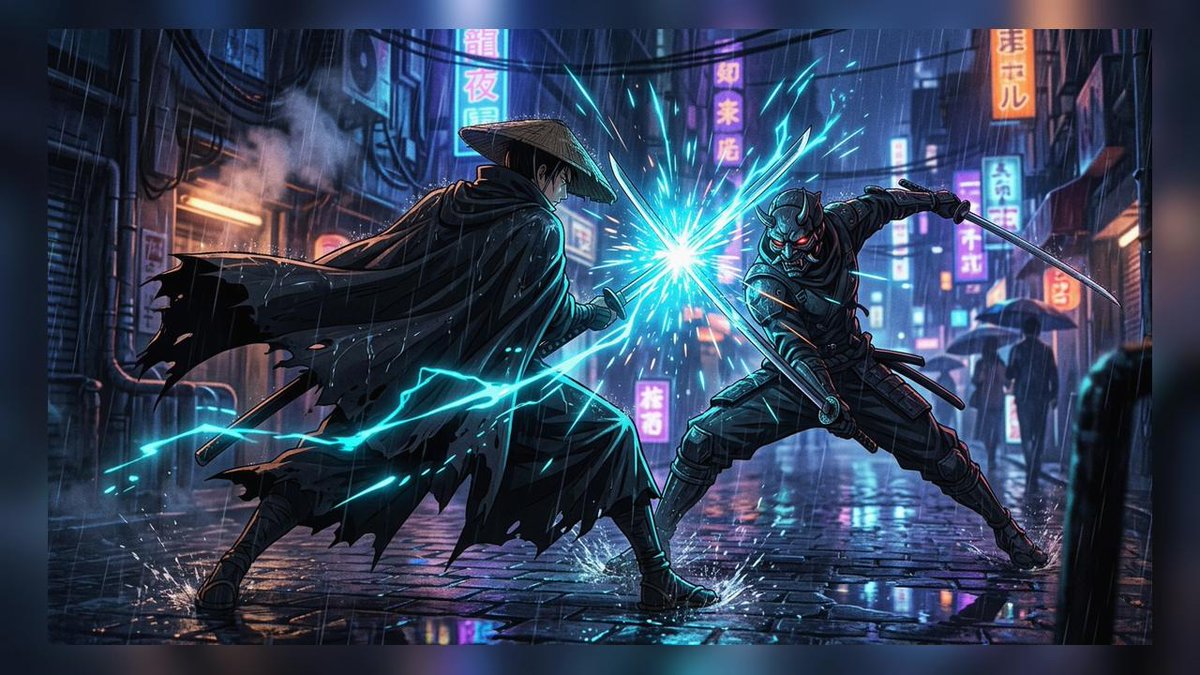
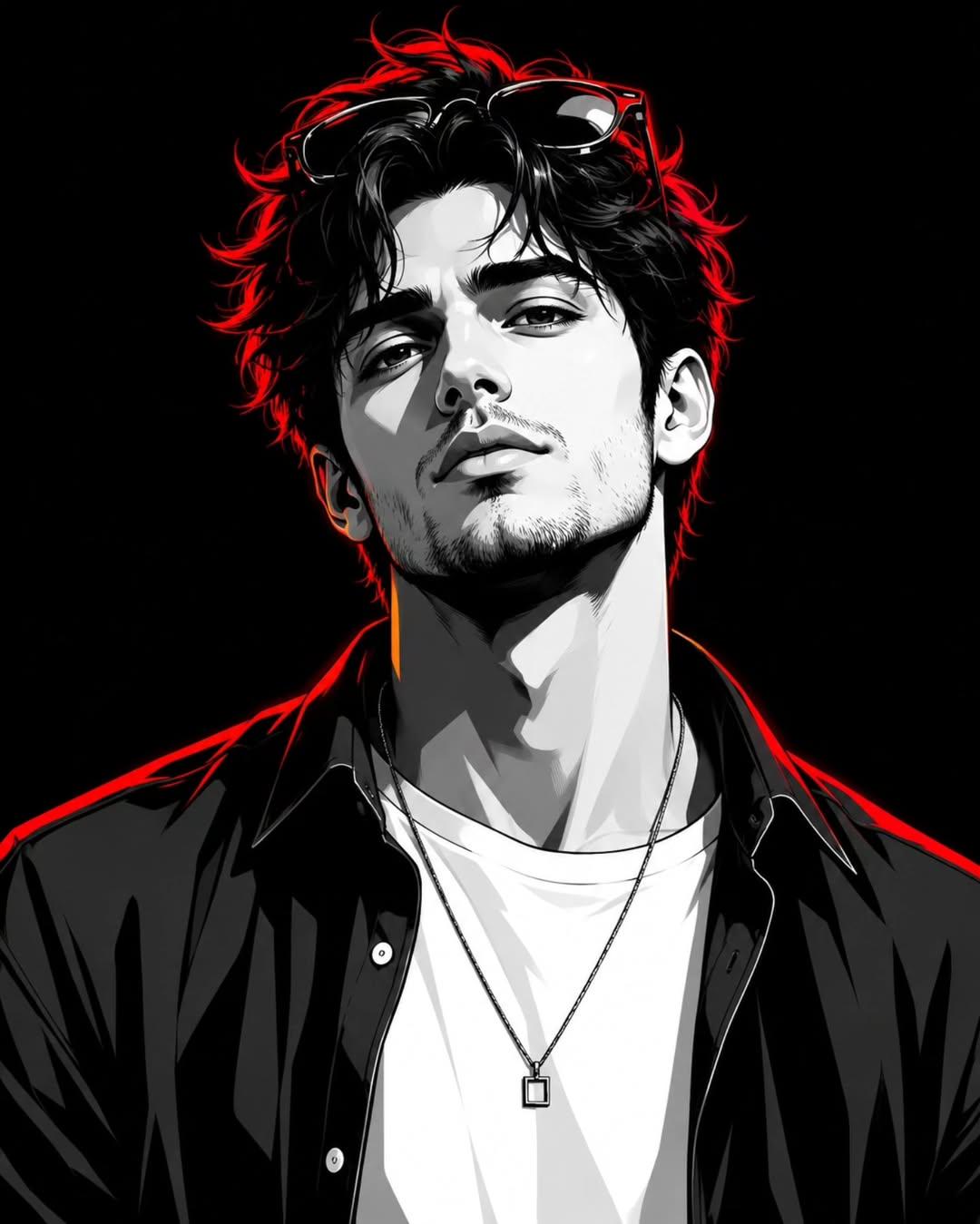
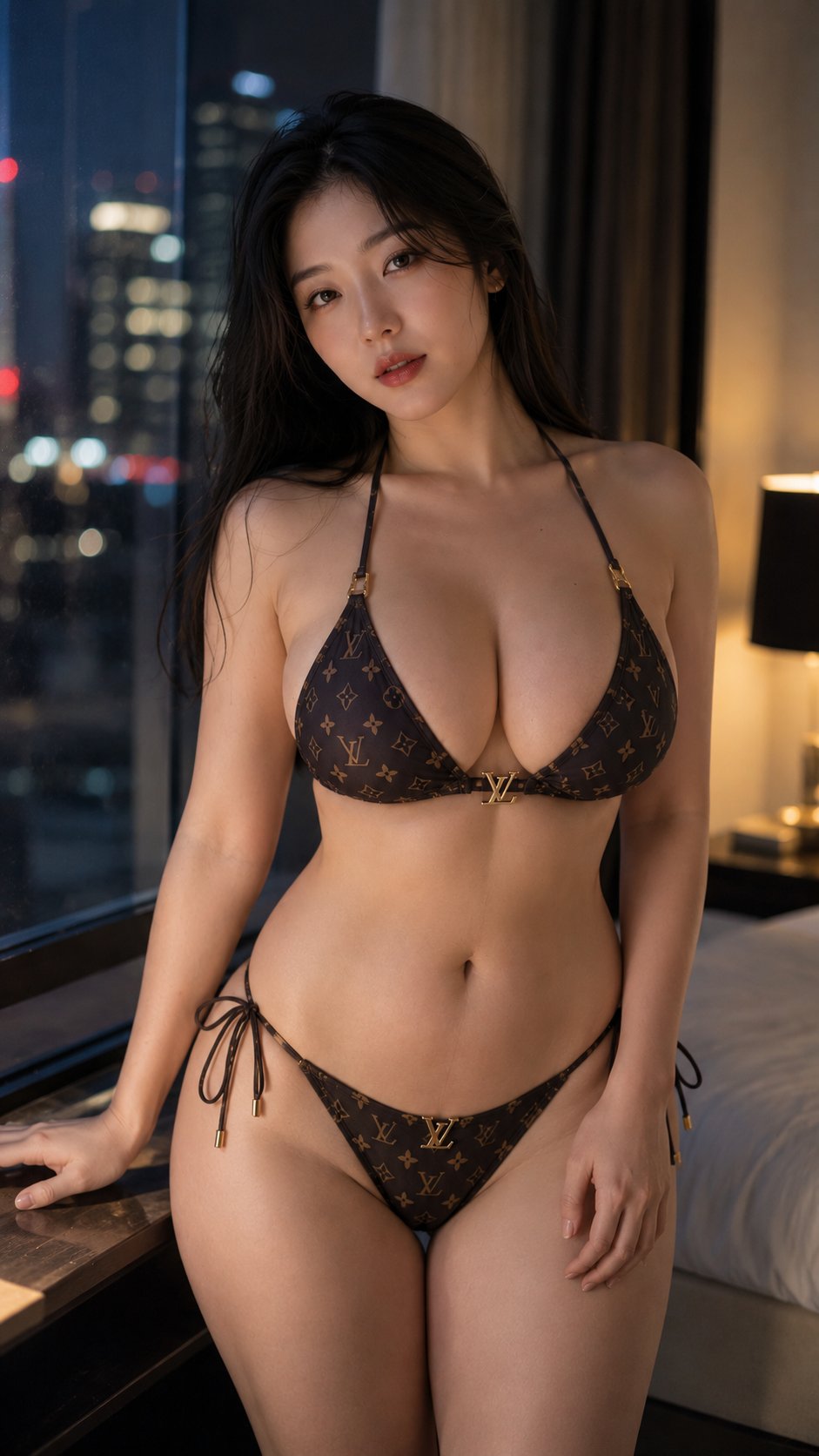
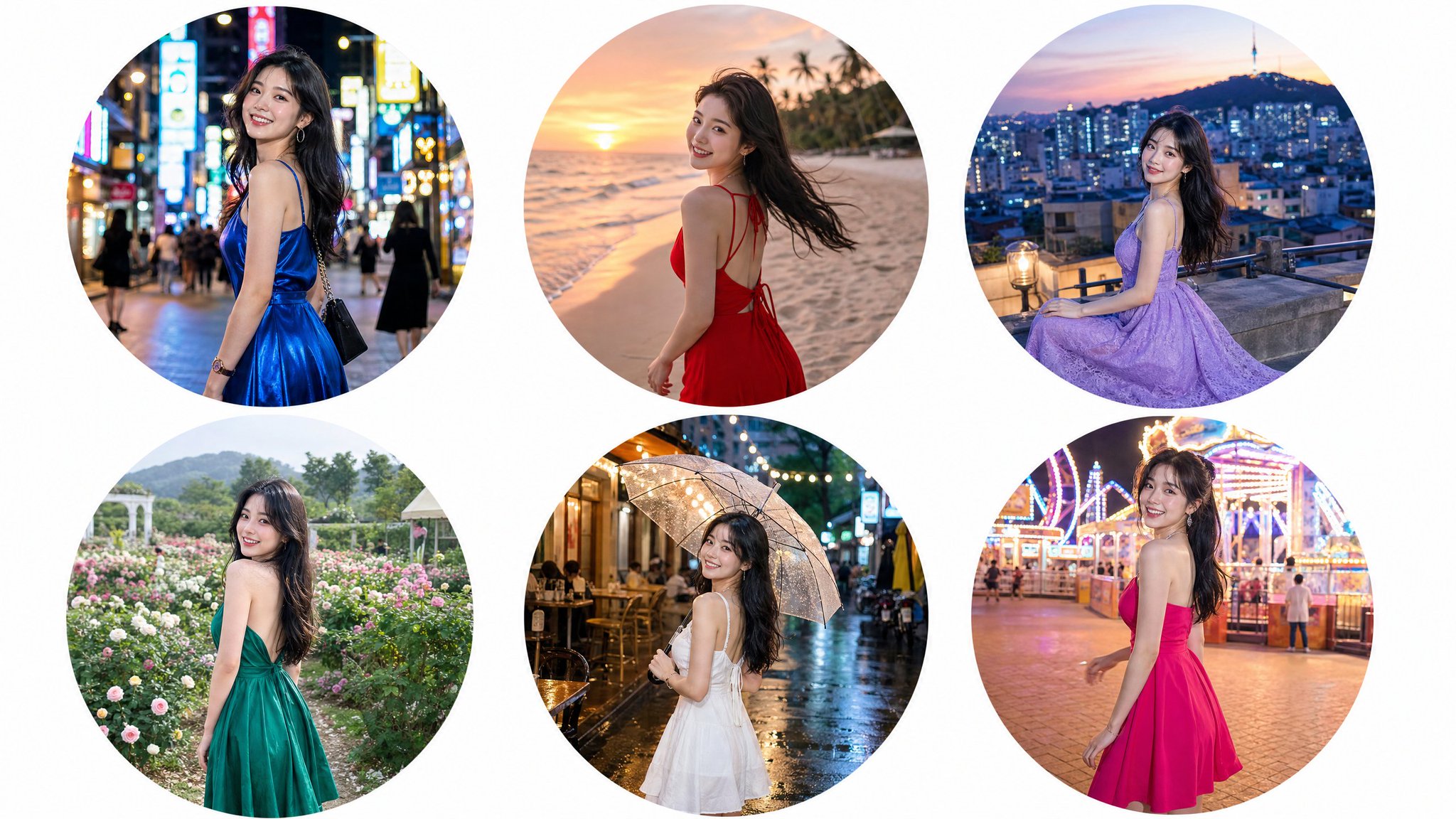
This page keeps the media, full prompt, and original source together so you can inspect the result first and decide whether the prompt is worth copying, saving, or comparing.
Case Insights
To make this page easier to search, cite, and reuse later, the case is also broken down into practical guidance about usage, visual cues, and prompt structure.
Best Fit Scenarios
- Use this as a character design benchmark when you need a fast style baseline before rewriting your own prompt.
- It is especially helpful if your target overlaps with Neon, Cinematic, Fashion and you want to judge the image result before tuning wording.
- Keep it as a control sample when you compare nearby prompt variants one variable at a time.
Visual Signals To Notice
- The clearest style signals here are Neon, Cinematic, Fashion, so those should usually stay in your first rewrite.
- Look at silhouette, costume language, mood styling, and whether the character reads clearly at a glance.
- This case keeps 2 media outputs, which makes it easier to check whether the style remains stable across multiple results.
How The Prompt Is Structured
- The prompt reads as a long, highly specified prompt, which is useful when you want to judge how much specificity this direction needs.
- Its keyword cluster is centered on Neon, Cinematic, Fashion, so you can usually keep that cluster while swapping subject, camera, layout, or copy details.
- A practical rewrite path is: keep the outcome, keep the strongest style cues, then replace only the subject and environment blocks.
Good Follow-up Questions
- What changes first if you keep Neon, Cinematic, Fashion but switch the subject matter?
- Which part of the result comes from section-level structure (Character Design) versus tag-level style cues?
- Which related cases in the same section give you a cleaner or more extreme variation of the same direction?
Full Prompt
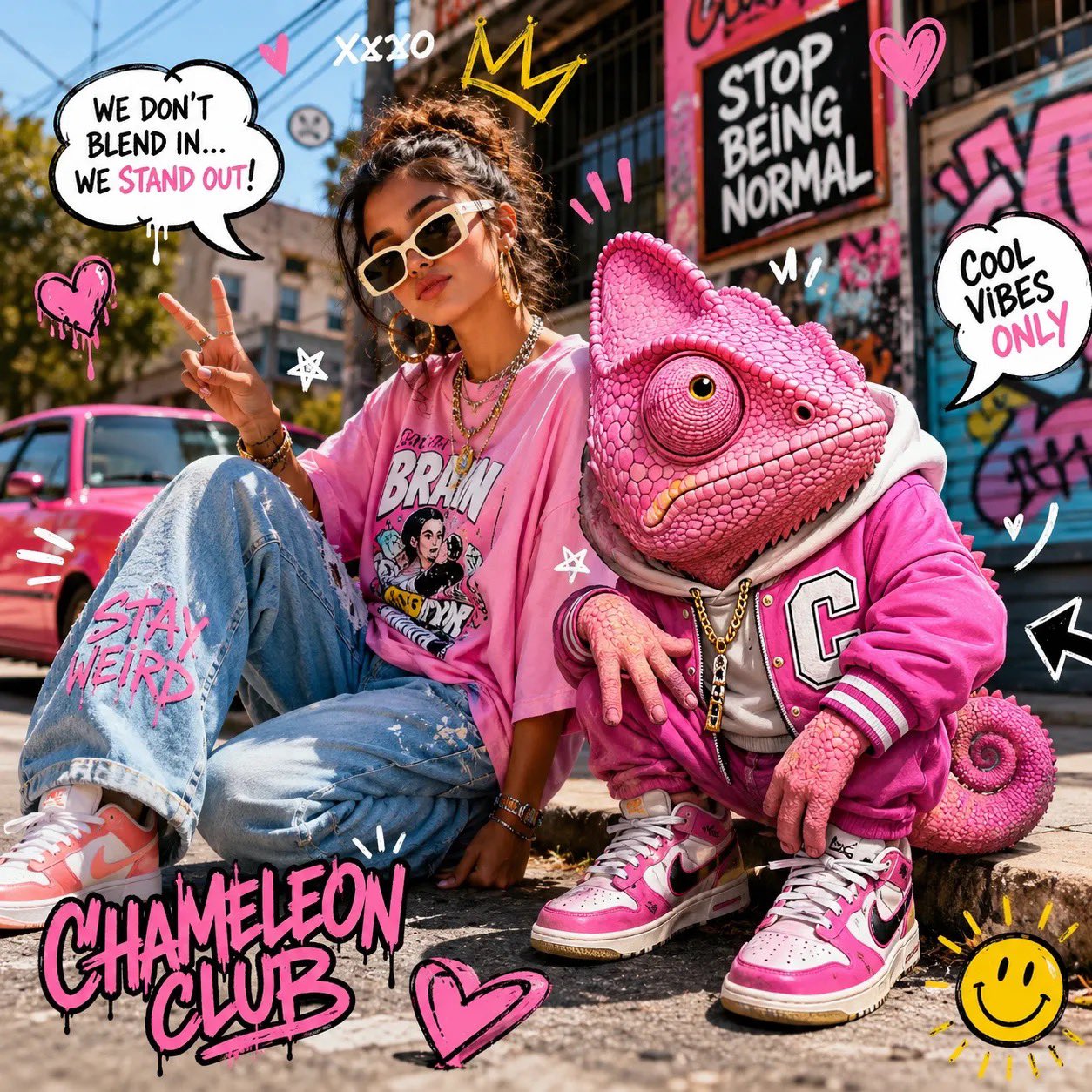
Ultra-detailed Y2K streetwear fashion editorial, vibrant urban graffiti alley, stylish Gen-Z girl posing with a cute anthropomorphic animal companion (pink chameleon / neon green red panda), both sitting casually on a city sidewalk, oversized streetwear outfits, varsity jacket, graphic t-shirt, baggy jeans or shorts, chunky sneakers, layered gold chains, sunglasses, playful attitude, peace sign pose, colorful graffiti walls, pink and neon green color palette, bright sunny day, cinematic street photography, fashion campaign aesthetic, highly detailed textures, shallow depth of field, crisp focus, trendy youth culture, pop-art doodles and hand-drawn graffiti overlays, speech bubbles with motivational quotes, hearts, stars, crowns, arrows, smiley faces, dripping paint effects, sticker-bomb design, comic-book typography, rebellious and fun energy, magazine cover composition, centered subjects, dynamic perspective, luxury commercial photography, hyperrealistic, 8k resolution, vibrant lighting, Instagram streetwear ad, playful urban fantasy, bold colors, high contrast, professional fashion editorial, award-winning photography.