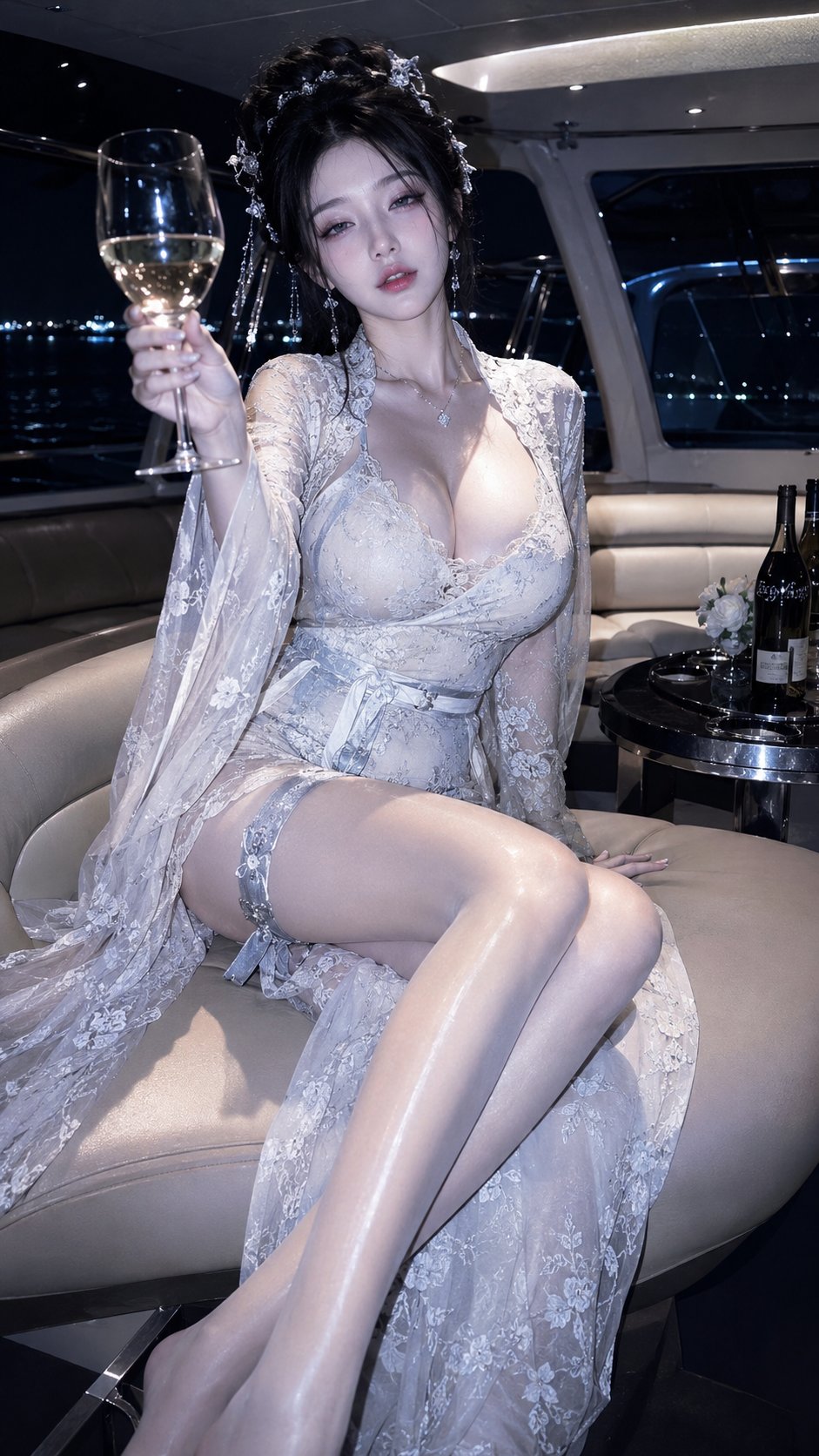
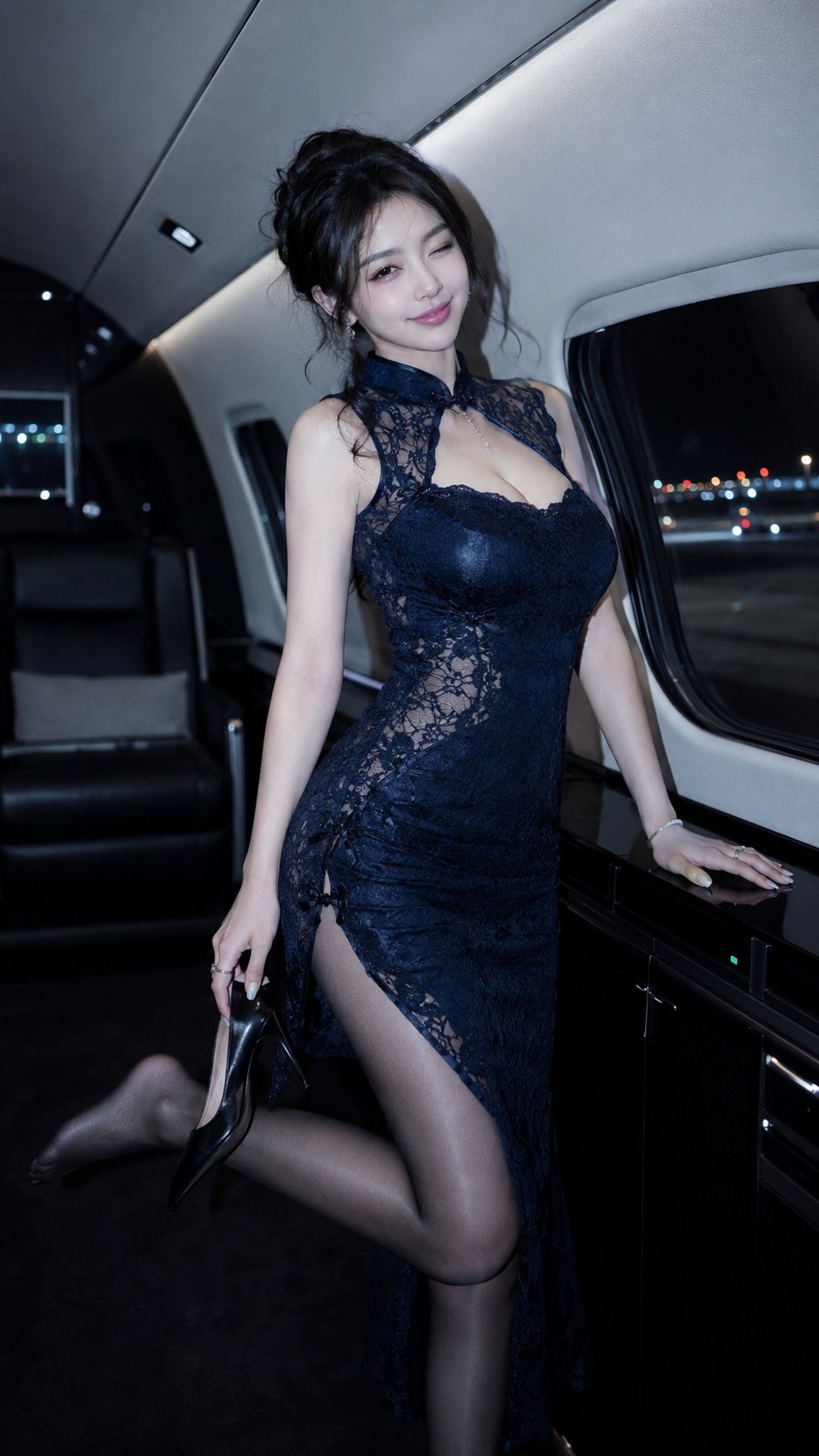
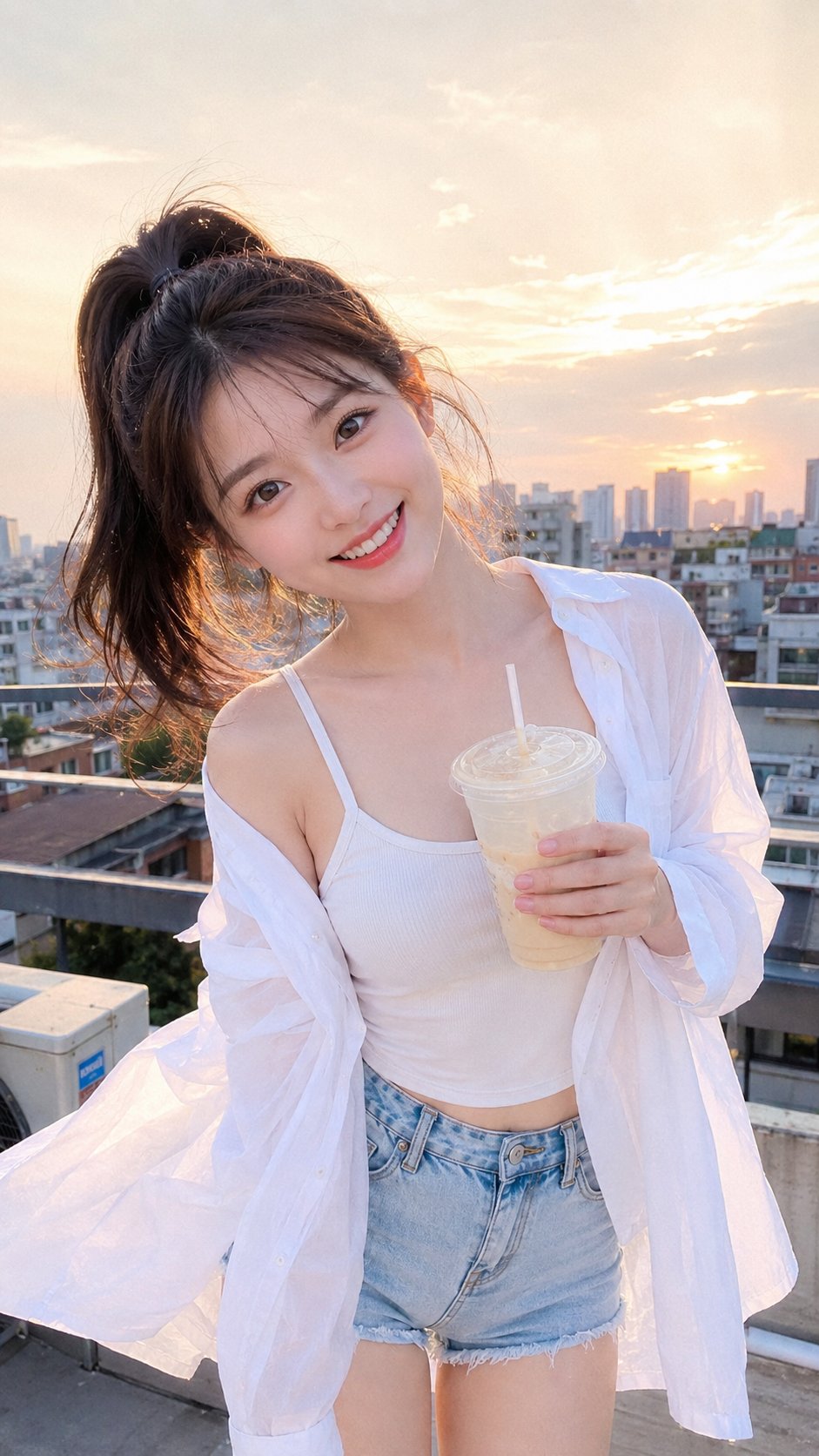
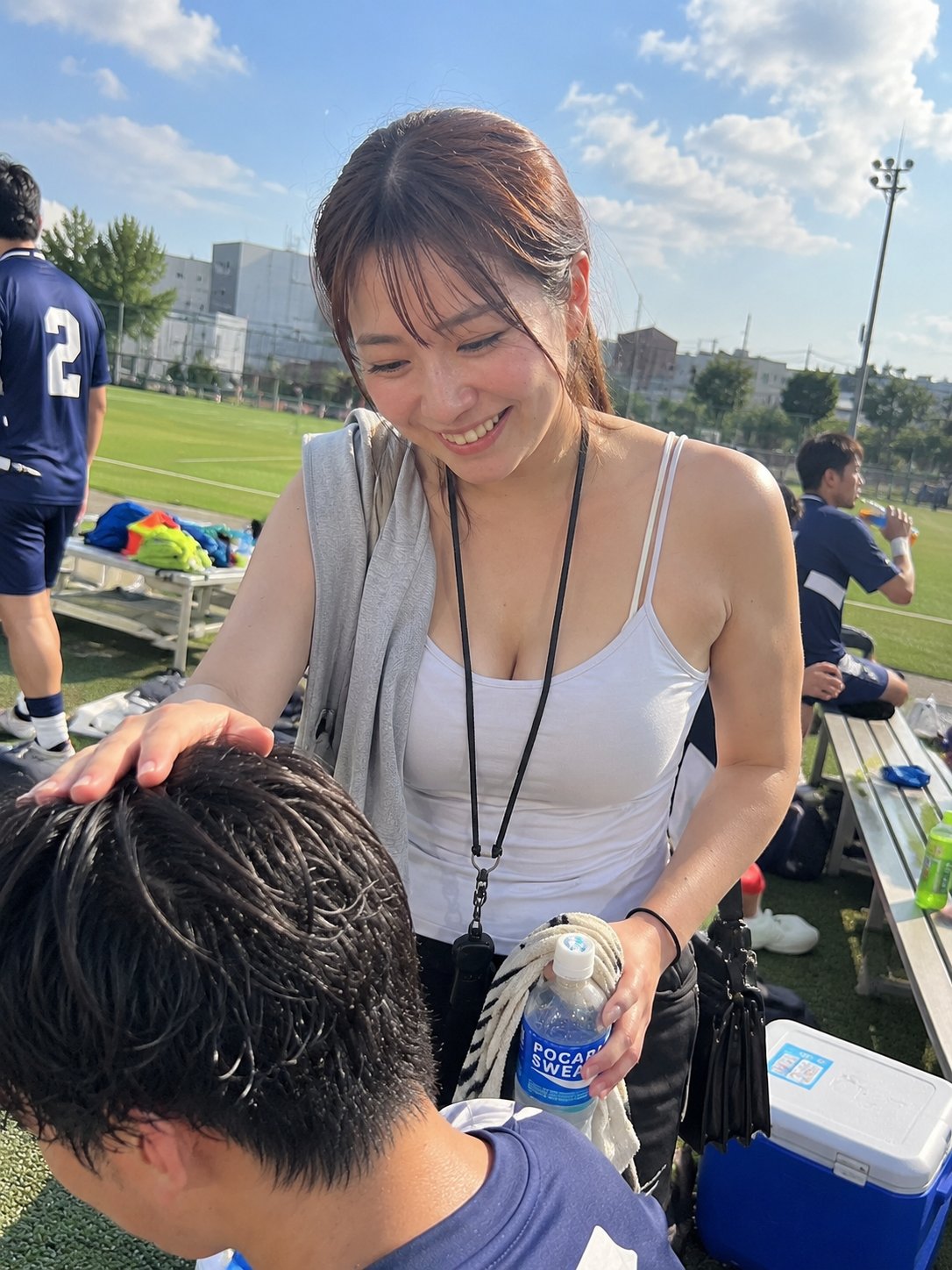
Case Media
Case Notes
This page keeps the media, full prompt, and original source together so you can inspect the result first and decide whether the prompt is worth copying, saving, or comparing.
Case Insights
To make this page easier to search, cite, and reuse later, the case is also broken down into practical guidance about usage, visual cues, and prompt structure.
Best Fit Scenarios
- Use this as a character design benchmark when you need a fast style baseline before rewriting your own prompt.
- It is especially helpful if your target overlaps with Character, Vertical, Character Design and you want to judge the image result before tuning wording.
- Keep it as a control sample when you compare nearby prompt variants one variable at a time.
Visual Signals To Notice
- The clearest style signals here are Character, Vertical, Character Design, so those should usually stay in your first rewrite.
- Look at silhouette, costume language, mood styling, and whether the character reads clearly at a glance.
- This case keeps one primary output, so the first image should be treated as the main visual reference.
How The Prompt Is Structured
- The prompt reads as a long, highly specified prompt, which is useful when you want to judge how much specificity this direction needs.
- Its keyword cluster is centered on Character, Vertical, Character Design, so you can usually keep that cluster while swapping subject, camera, layout, or copy details.
- A practical rewrite path is: keep the outcome, keep the strongest style cues, then replace only the subject and environment blocks.
Good Follow-up Questions
- What changes first if you keep Character, Vertical, Character Design but switch the subject matter?
- Which part of the result comes from section-level structure (Character Design) versus tag-level style cues?
- Which related cases in the same section give you a cleaner or more extreme variation of the same direction?
Full Prompt
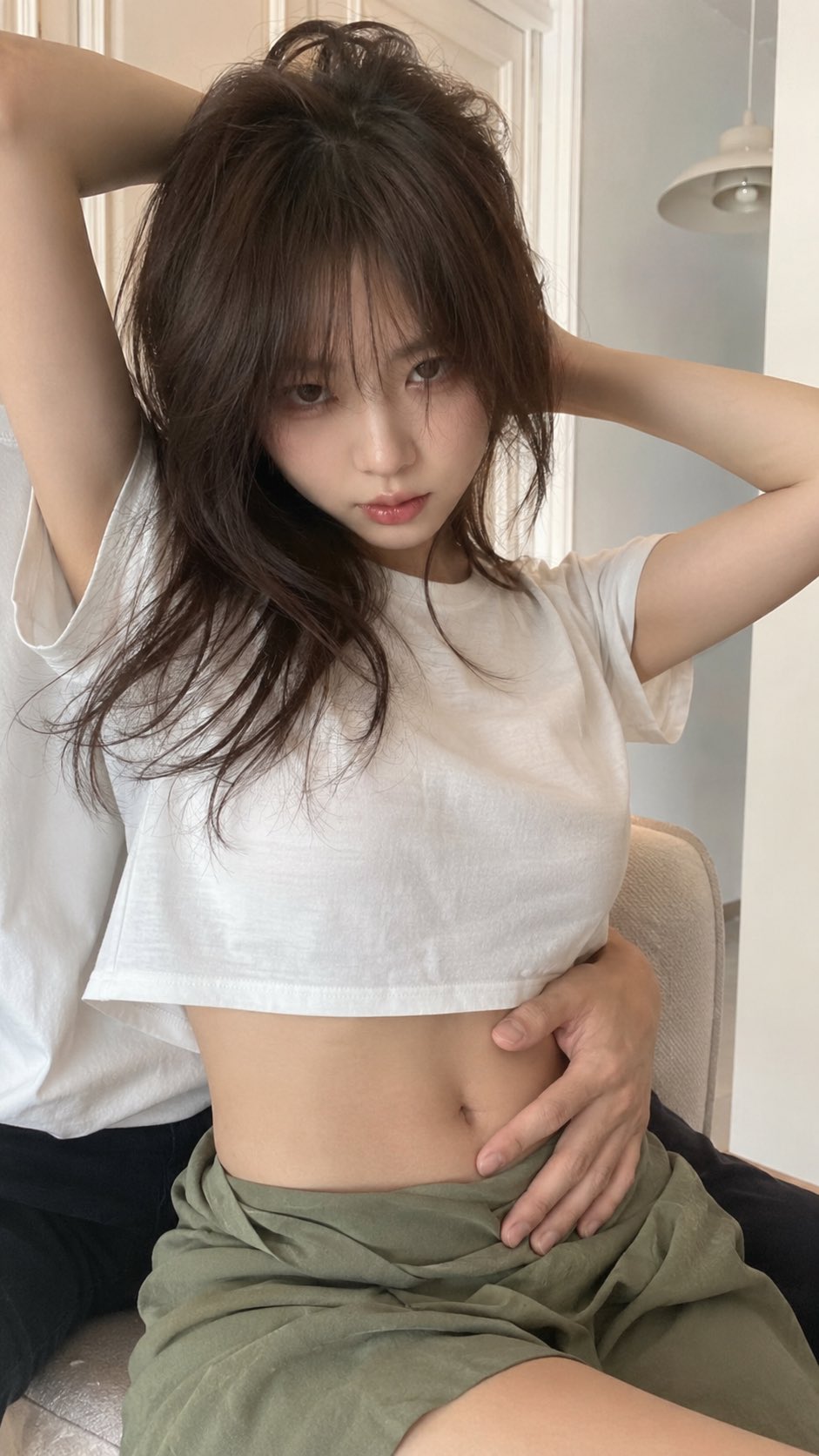
Generate a photo based on the woman's image in the photo, ratio 9:16. 1. Main subject: Head lowered looking at the camera, eyes ambiguous; both hands raised behind the head fixing hair, upper body wearing a simple white short cropped T-shirt, loose fit, short length, naturally revealing a flat waist, abdomen and navel, casual and a bit sexy; bottom is olive green fabric, looking like a loose skirt, fabric hanging loosely on the hips, soft texture. 2. Interaction: The girl sits on the boy's lap, the boy holds the girl's waist from behind with his right hand, his thumb lightly pressed on the fabric at the side of the character's waist, the rest of the fingers naturally encircling the waist and abdomen, the movement is gentle, adding an intimate and casual feeling. 3. Environment and light: The background is a simple indoor space, showing white walls, door frames and lamps, the light is soft indoor natural light/lamp light, moderate brightness, forming a slight halo on the character's shoulders, the overall color tone is clean, dominated by white, green, and skin tones, the style is fresh and daily. 4. Atmosphere and mood: No clear facial expression, the downward posture, messy hair strands paired with the cropped top convey a lazy, relaxed, and casual feeling, the contact of the hands adds a bit of intimacy and ambiguity to the scene, like an accidental candid shot in daily life. Non-disabled image, no extra fingers or extra hands should appear.