Case Media
Case Notes
This page keeps the media, full prompt, and original source together so you can inspect the result first and decide whether the prompt is worth copying, saving, or comparing.
Case Insights
To make this page easier to search, cite, and reuse later, the case is also broken down into practical guidance about usage, visual cues, and prompt structure.
Best Fit Scenarios
- Use this as a character design benchmark when you need a fast style baseline before rewriting your own prompt.
- It is especially helpful if your target overlaps with 35mm, Portrait, Cinematic and you want to judge the image result before tuning wording.
- Keep it as a control sample when you compare nearby prompt variants one variable at a time.
Visual Signals To Notice
- The clearest style signals here are 35mm, Portrait, Cinematic, so those should usually stay in your first rewrite.
- Look at silhouette, costume language, mood styling, and whether the character reads clearly at a glance.
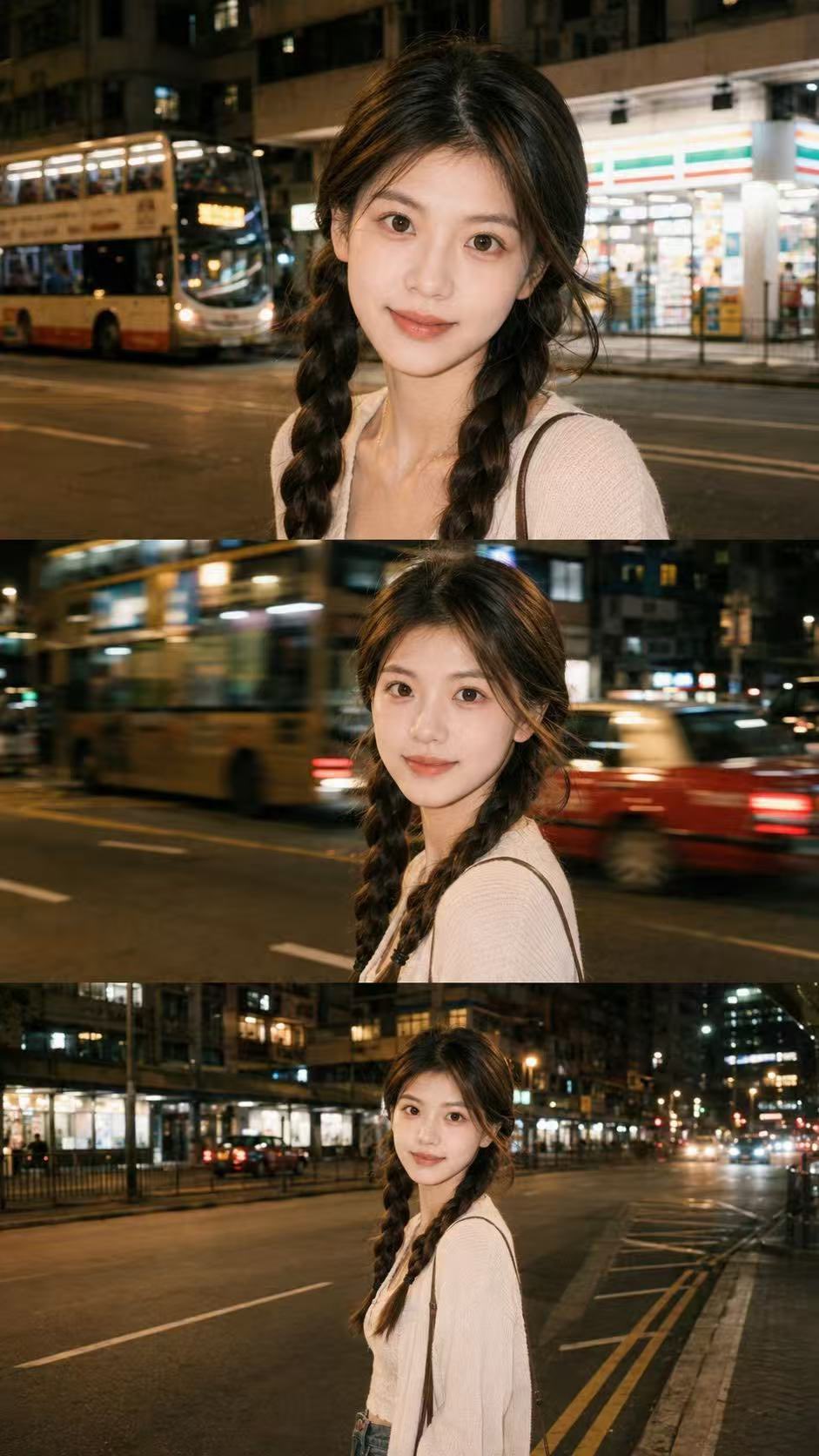
- This case keeps one primary output, so the first image should be treated as the main visual reference.
How The Prompt Is Structured
- The prompt reads as a long, highly specified prompt, which is useful when you want to judge how much specificity this direction needs.
- Its keyword cluster is centered on 35mm, Portrait, Cinematic, so you can usually keep that cluster while swapping subject, camera, layout, or copy details.
- A practical rewrite path is: keep the outcome, keep the strongest style cues, then replace only the subject and environment blocks.
Good Follow-up Questions
- What changes first if you keep 35mm, Portrait, Cinematic but switch the subject matter?
- Which part of the result comes from section-level structure (Character Design) versus tag-level style cues?
- Which related cases in the same section give you a cleaner or more extreme variation of the same direction?
Full Prompt
Use the uploaded portrait only to preserve the person’s facial features, face shape, skin tone, hairstyle, hair length, and overall identity. Do not copy the outfit from any example image. Choose a stylish outfit that naturally suits the person’s appearance and vibe, such as a modern city-night outfit with elegant textures, clean silhouette, and youthful fashion sense. Create a realistic cinematic night street portrait in a vertical three-frame photo strip layout. The scene takes place on a busy urban street at night, with soft flash photography, moving traffic in the background, blurred cars and buses, glowing storefront lights, street lamps, road markings, and tall residential buildings. The subject is walking or turning slightly toward the camera with a natural relaxed smile, long hair gently blown by the night wind, looking effortless and candid. Use a realistic handheld camera feeling, slight motion blur in the background, sharp focus on the face, natural skin texture, soft facial highlights, realistic eyes, subtle makeup, and a clean youthful mood. The overall style should feel like a real nighttime street snapshot taken with a phone or compact camera, with cinematic Hong Kong-style city atmosphere, warm urban lights, film grain, flash-lit subject, and natural imperfect realism. Each of the three frames should show a slightly different angle and moment of the same scene: close portrait, half-body side turn, and walking street portrait. Keep the same person consistent across all frames. The subject should look natural, not over-posed, not like a studio shoot. No watermark, no logo, no readable text, no brand names, no AI-generated marks. Negative Prompt: watermark, logo, text, readable signs, brand logos, bad anatomy, deformed face, distorted eyes, fake smile, plastic skin, over-smoothed skin, overly perfect beauty filter, doll-like face, anime style, cartoon style, extra fingers, deformed hands, duplicated person, inconsistent face, blurry face, low resolution, harsh overexposure, unnatural hair, messy composition, ugly clothing, copied outfit, white lace blouse, headband, unrealistic lighting, AI look, over-retouched portrait.