Case Media
Case Notes
This page keeps the media, full prompt, and original source together so you can inspect the result first and decide whether the prompt is worth copying, saving, or comparing.
Case Insights
To make this page easier to search, cite, and reuse later, the case is also broken down into practical guidance about usage, visual cues, and prompt structure.
Best Fit Scenarios
- Use this as a character design benchmark when you need a fast style baseline before rewriting your own prompt.
- It is especially helpful if your target overlaps with Illustration, Character, Anime and you want to judge the image result before tuning wording.
- Keep it as a control sample when you compare nearby prompt variants one variable at a time.
Visual Signals To Notice
- The clearest style signals here are Illustration, Character, Anime, so those should usually stay in your first rewrite.
- Look at silhouette, costume language, mood styling, and whether the character reads clearly at a glance.
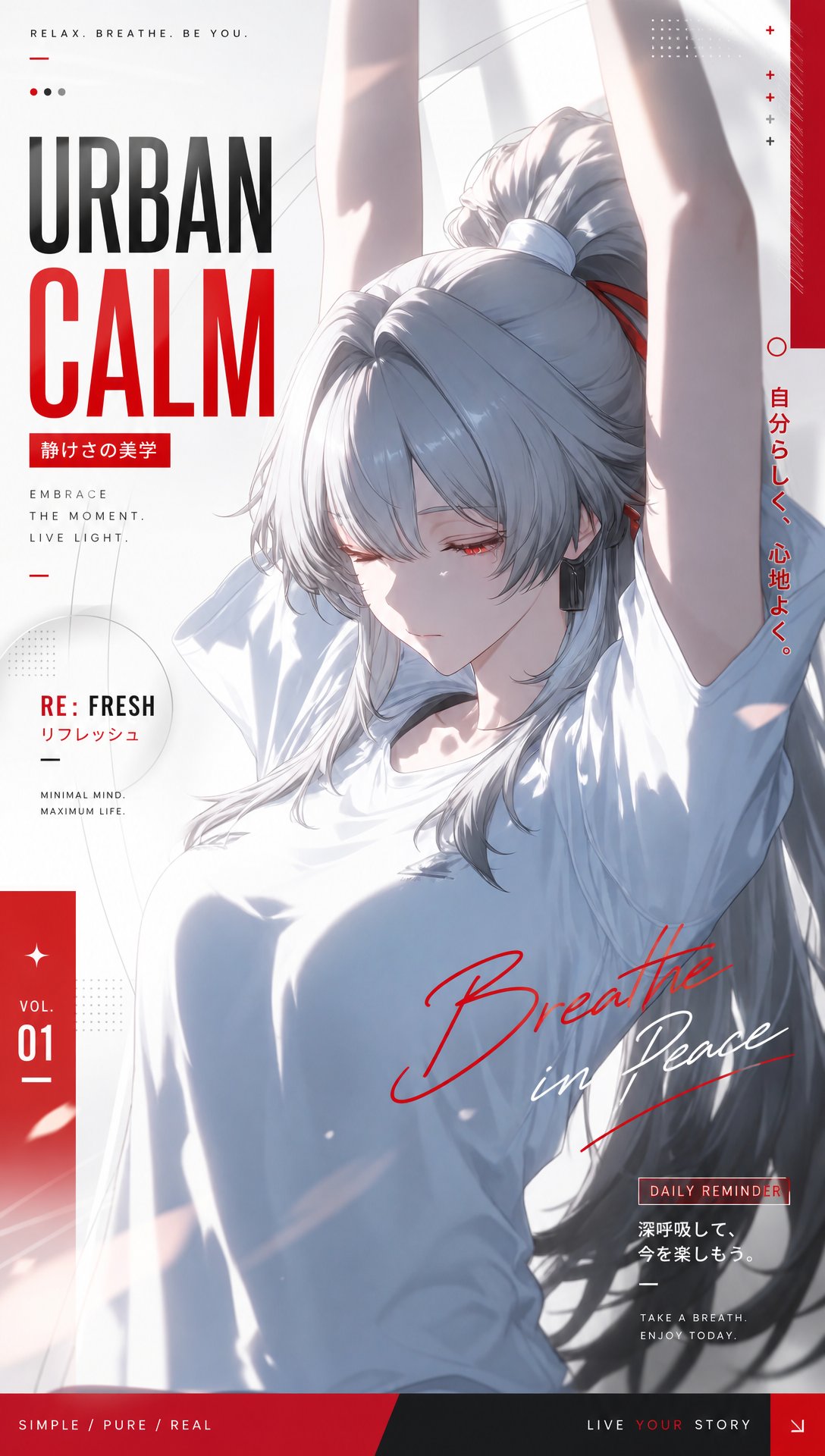
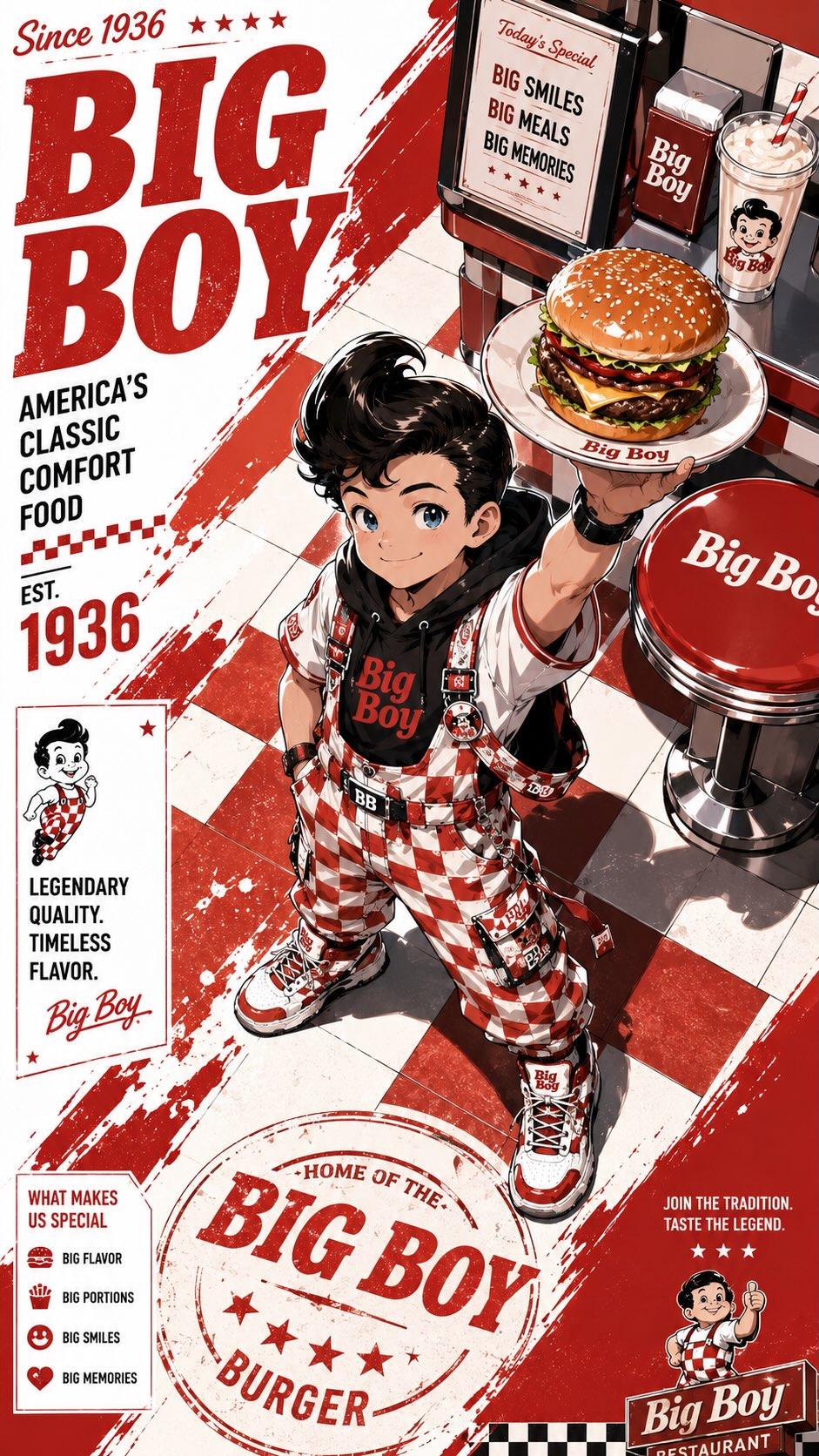
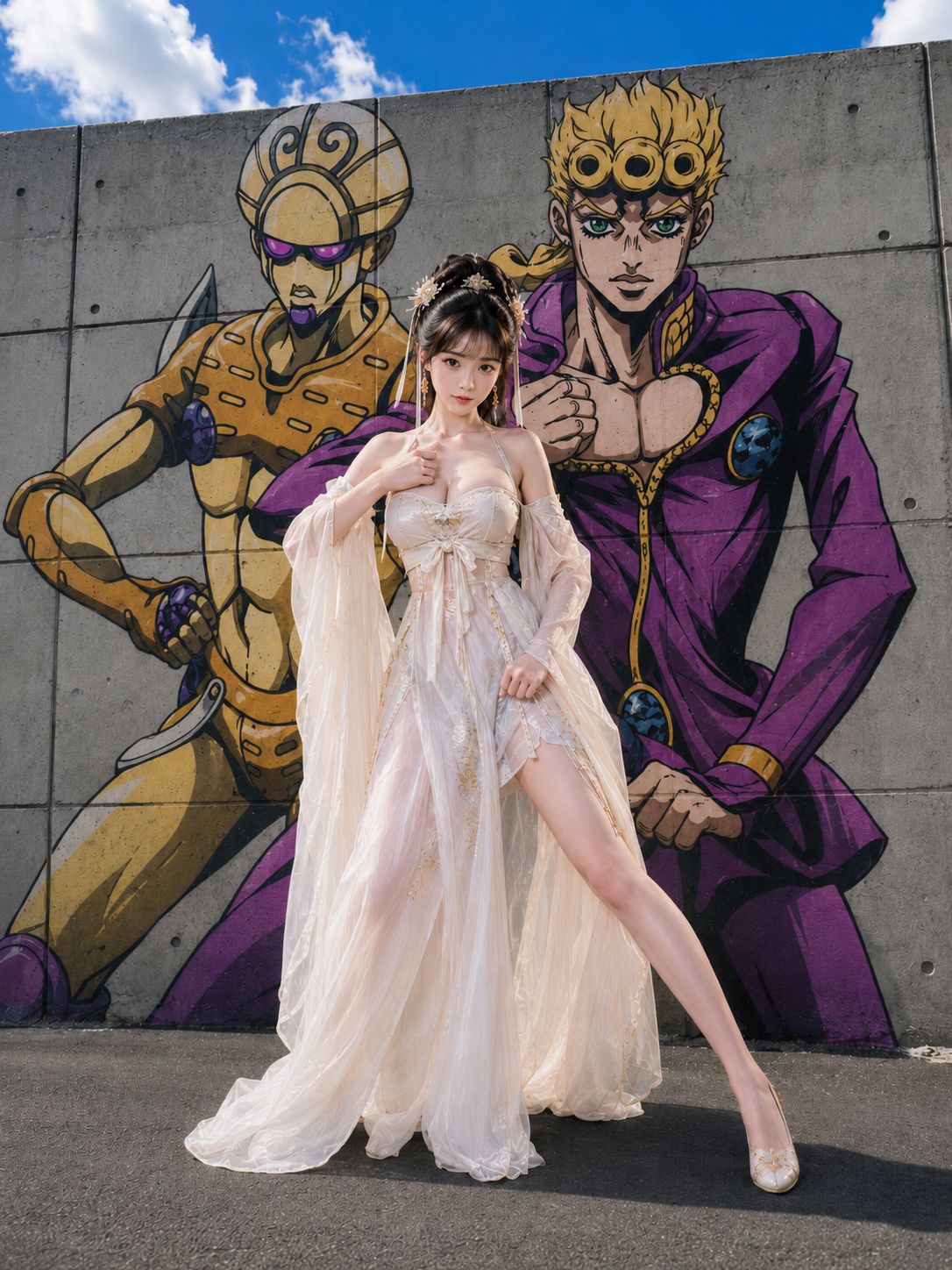
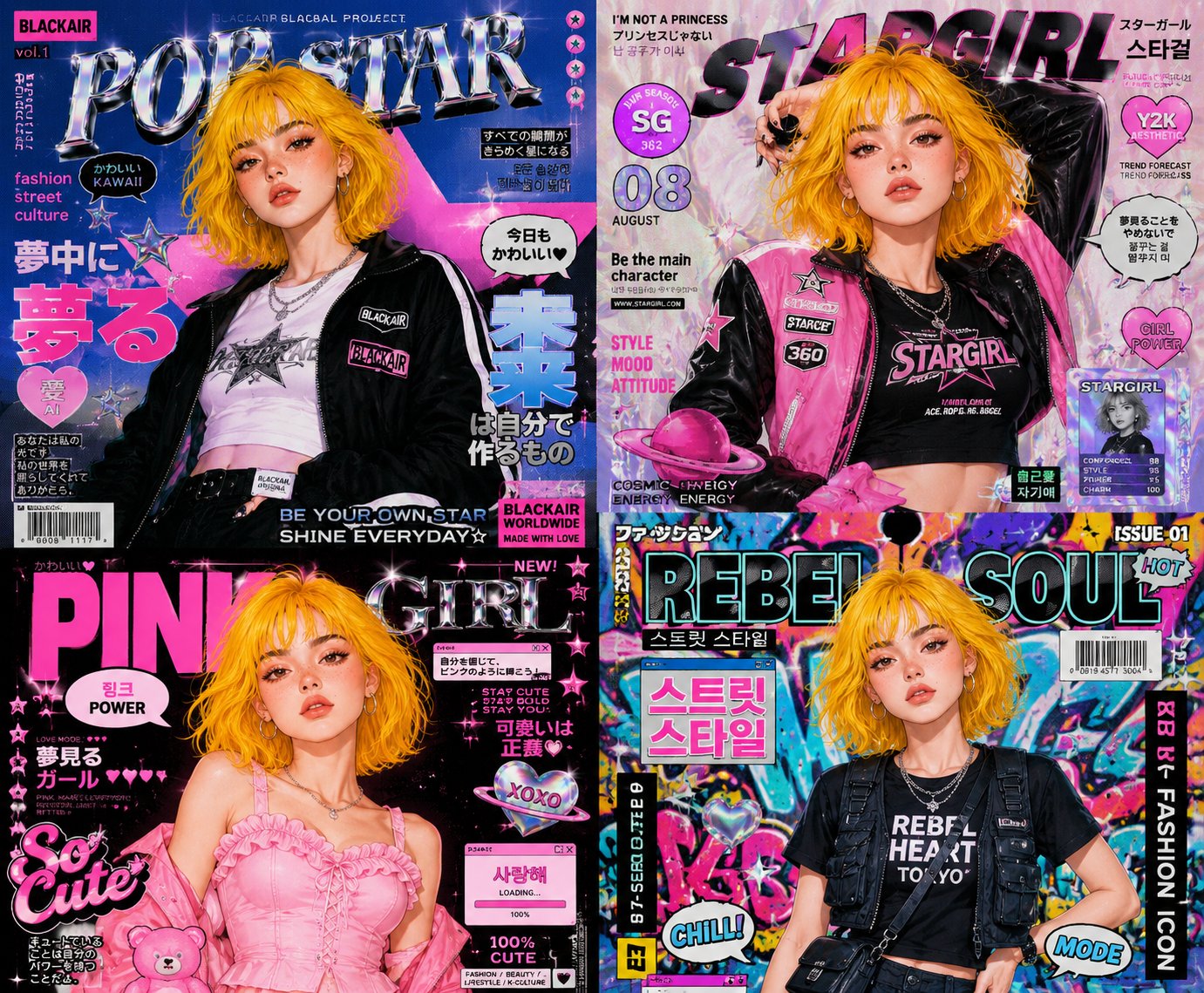
- This case keeps 2 media outputs, which makes it easier to check whether the style remains stable across multiple results.
How The Prompt Is Structured
- The prompt reads as a long, highly specified prompt, which is useful when you want to judge how much specificity this direction needs.
- Its keyword cluster is centered on Illustration, Character, Anime, so you can usually keep that cluster while swapping subject, camera, layout, or copy details.
- A practical rewrite path is: keep the outcome, keep the strongest style cues, then replace only the subject and environment blocks.
Good Follow-up Questions
- What changes first if you keep Illustration, Character, Anime but switch the subject matter?
- Which part of the result comes from section-level structure (Character Design) versus tag-level style cues?
- Which related cases in the same section give you a cleaner or more extreme variation of the same direction?
Full Prompt
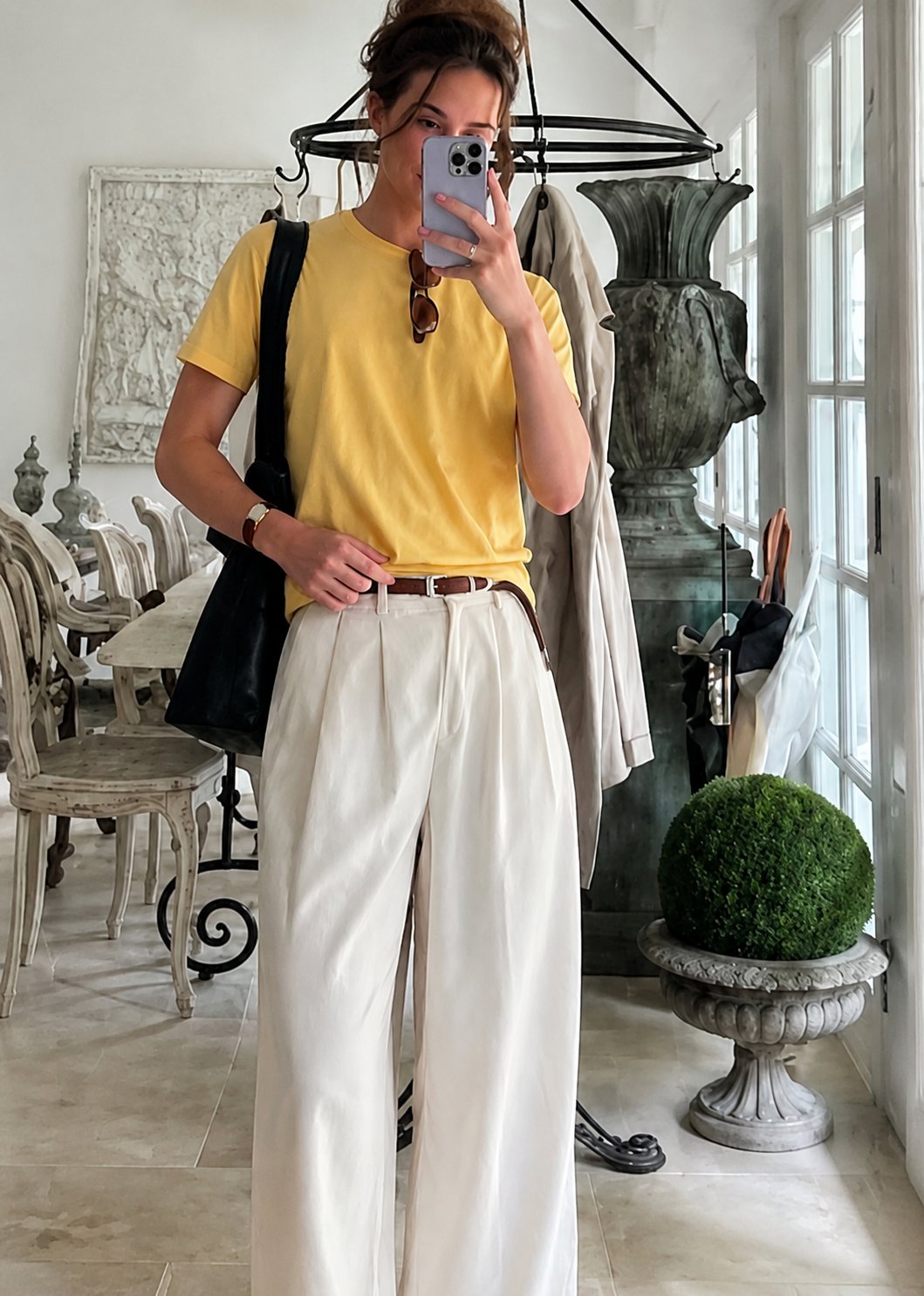
Use the uploaded image as the only identity reference and transform the subject into a character rendered in the official Demon Slayer: Kimetsu no Yaiba anime TV series style. The visual execution must strictly match the Demon Slayer aesthetic, featuring clean and crisp linework, high quality cel shading, and saturated yet balanced colors with a polished TV series anime finish. Do not include any manga style sketching, cross hatching, grayscale, or black and white rendering. The subject's identity must be fully preserved, including their clothing design, hairstyle and hair color, accessories, skin tone, facial expression, and pose, with no replacements or removals of any items. The existing outfit should be subtly stylized with Demon Slayer Corps inspired detailing, such as sharper fabric folds, slightly reinforced layered textures, and clean anime fabric finishes, while keeping the original outfit clearly recognizable. The character must follow accurate Demon Slayer proportions, including a lean and agile body type, natural anime anatomy, expressive anime eyes with strong highlights, stylized brows, and simplified anime nose and mouth. The composition is critical and must show the character fully from head to toe, with feet, legs, torso, arms, and head all visible. The framing should not crop any part of the body, and the camera distance must be wide enough to capture the entire figure, leaving a small amount of empty space above the head and below the feet so the character fits comfortably within the frame. The output must be a single full body illustration with the character centered against a plain white background only, with no ground plane, shadows, scenery, props, weapons, objects, effects, aura, particles, motion lines, or environmental details. The final image should contain only the character, and must not include cropped framing, multiple characters, multi panel outputs, other anime styles such as Dragon Ball, Naruto, or One Piece, photorealism, painterly or textured rendering, or any background elements or objects.